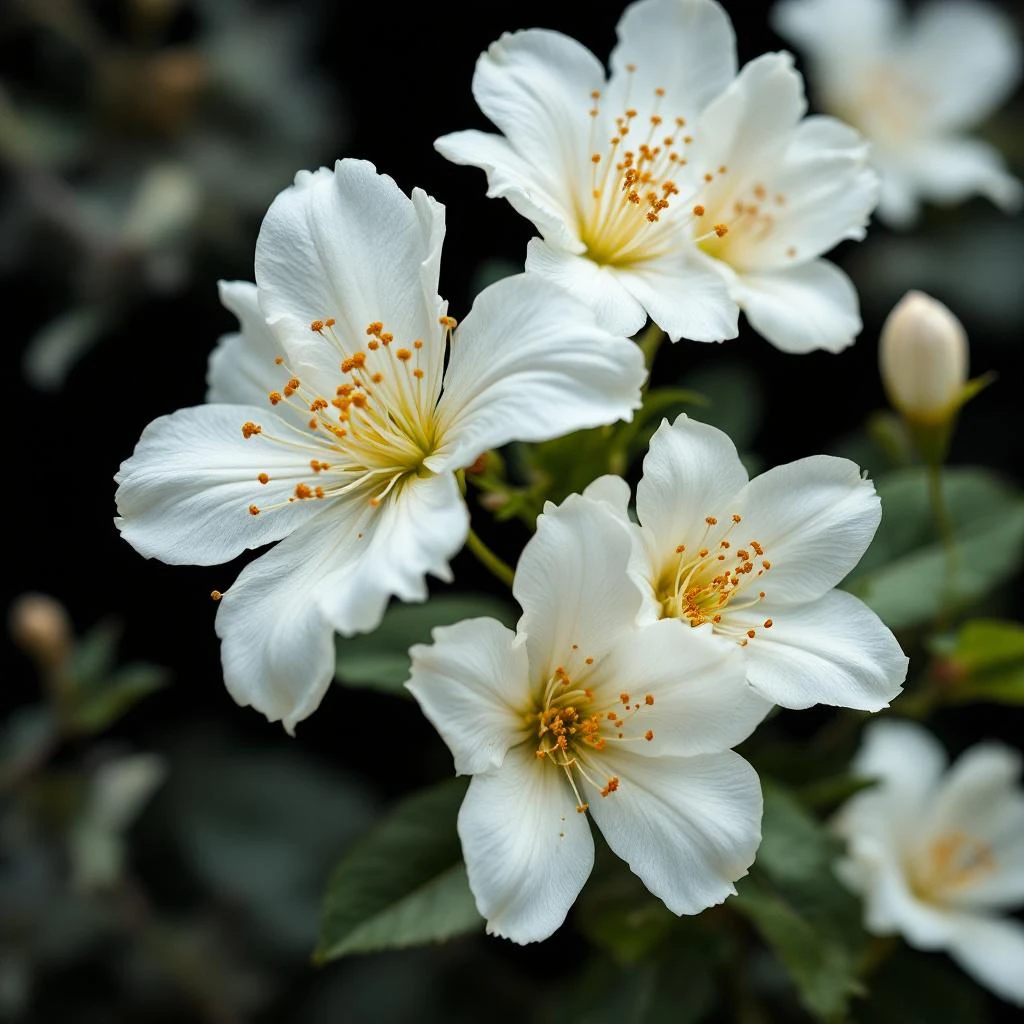
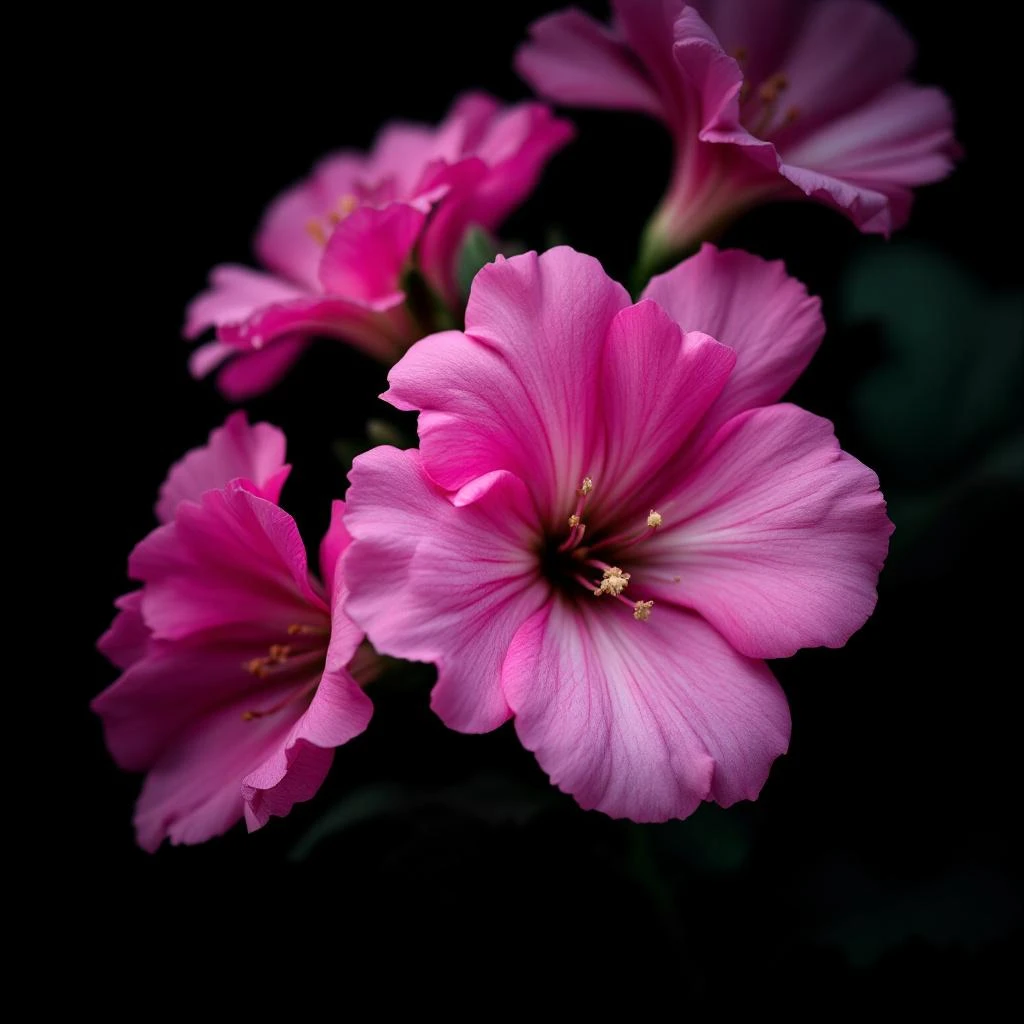
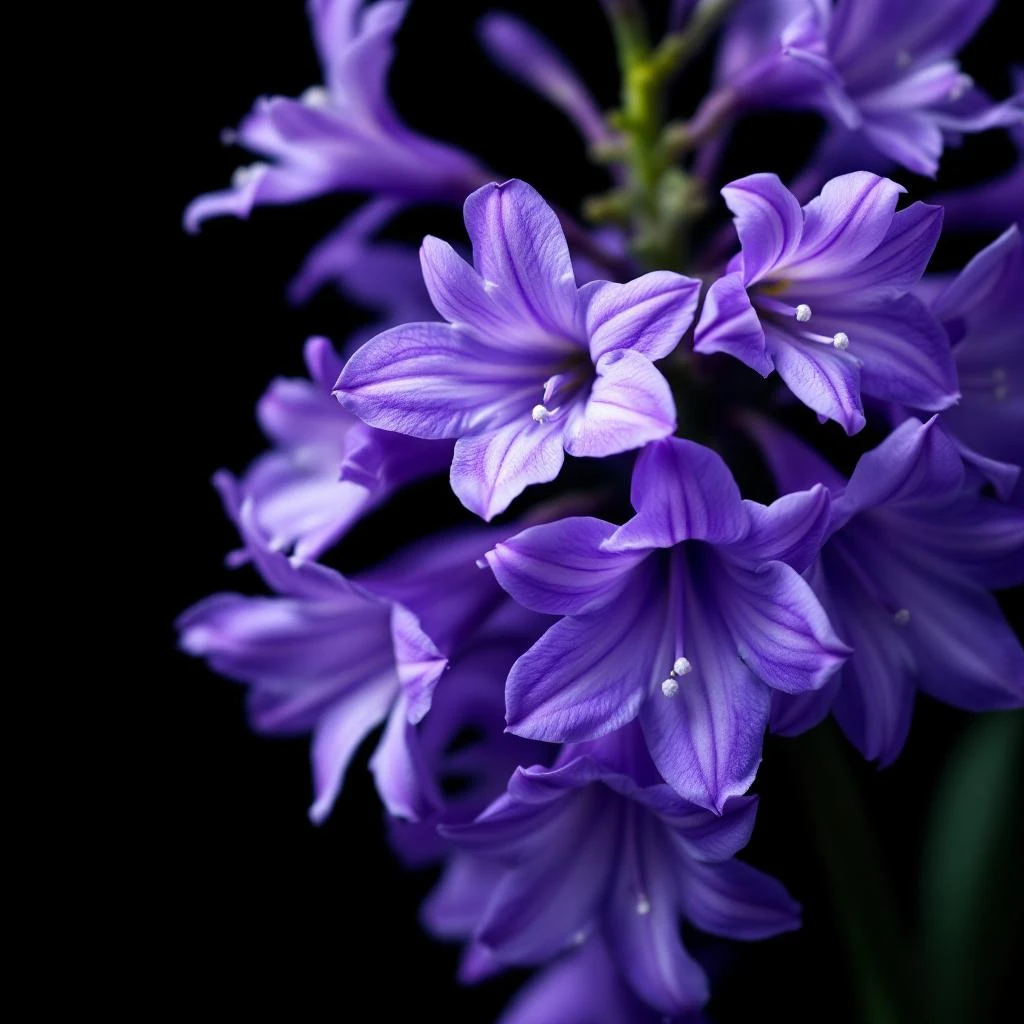
Common Morning Glory
Morning Glory brings fleeting floral grace to perfumery—a delicate, ephemeral note that captures the brief beauty of its daily-blooming flowers. Rare in natural form, its scent lives on through modern aromatic reconstruction.
Character
How it smells
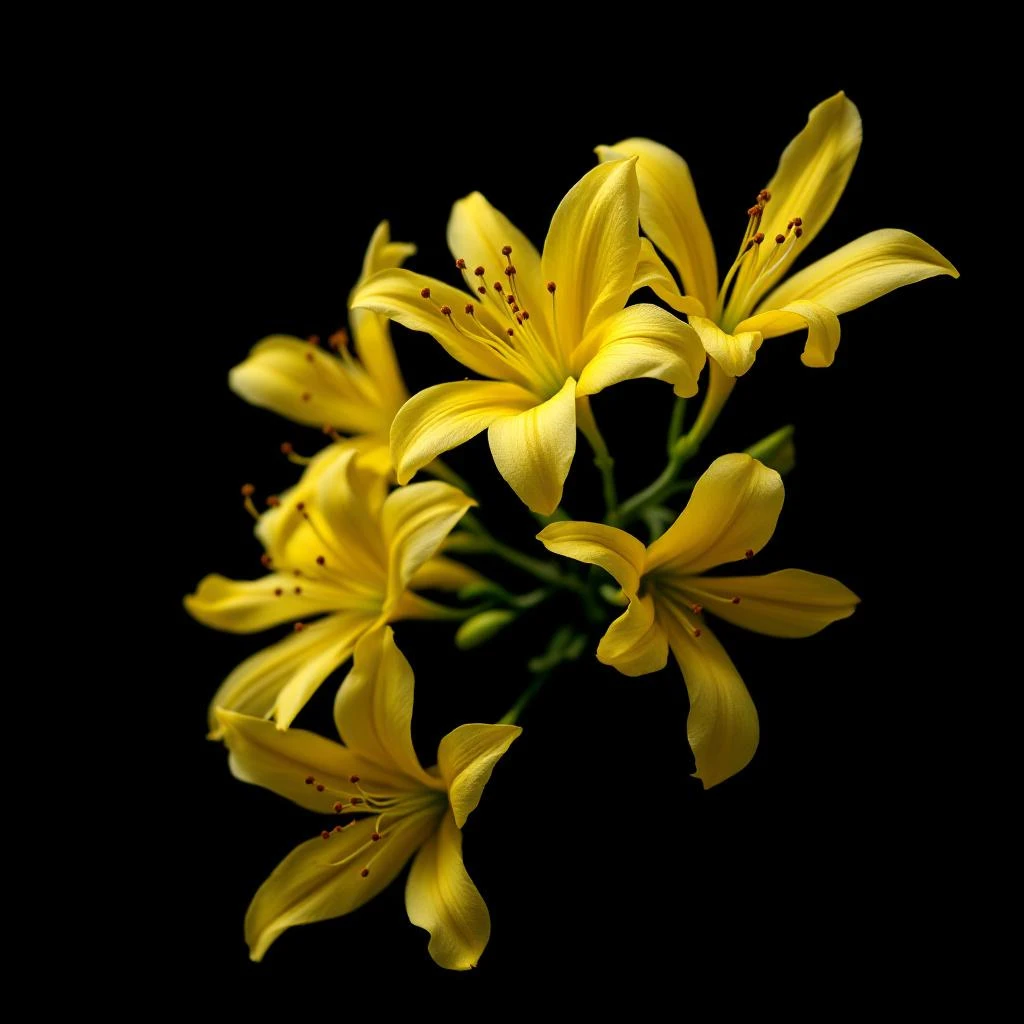
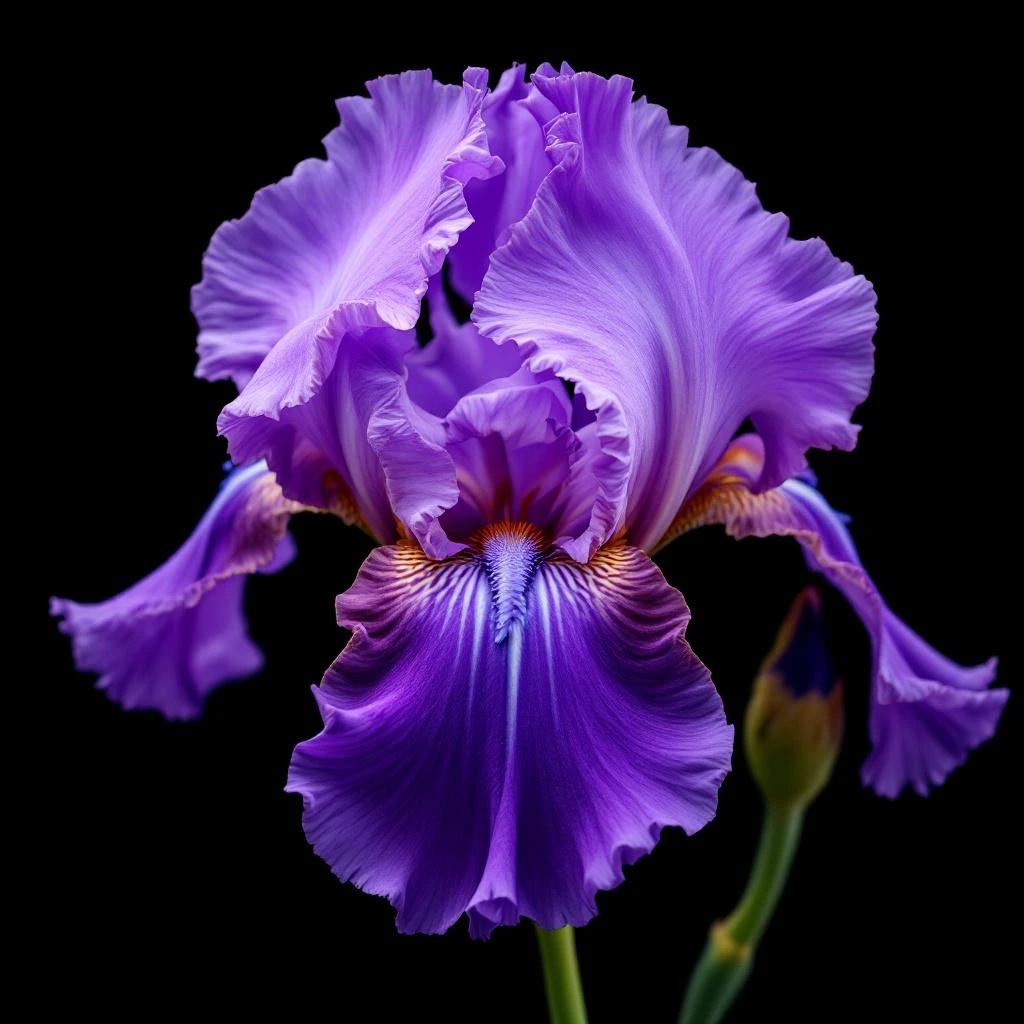
Delicate ephemeral florals that bloom and fade in a single day.
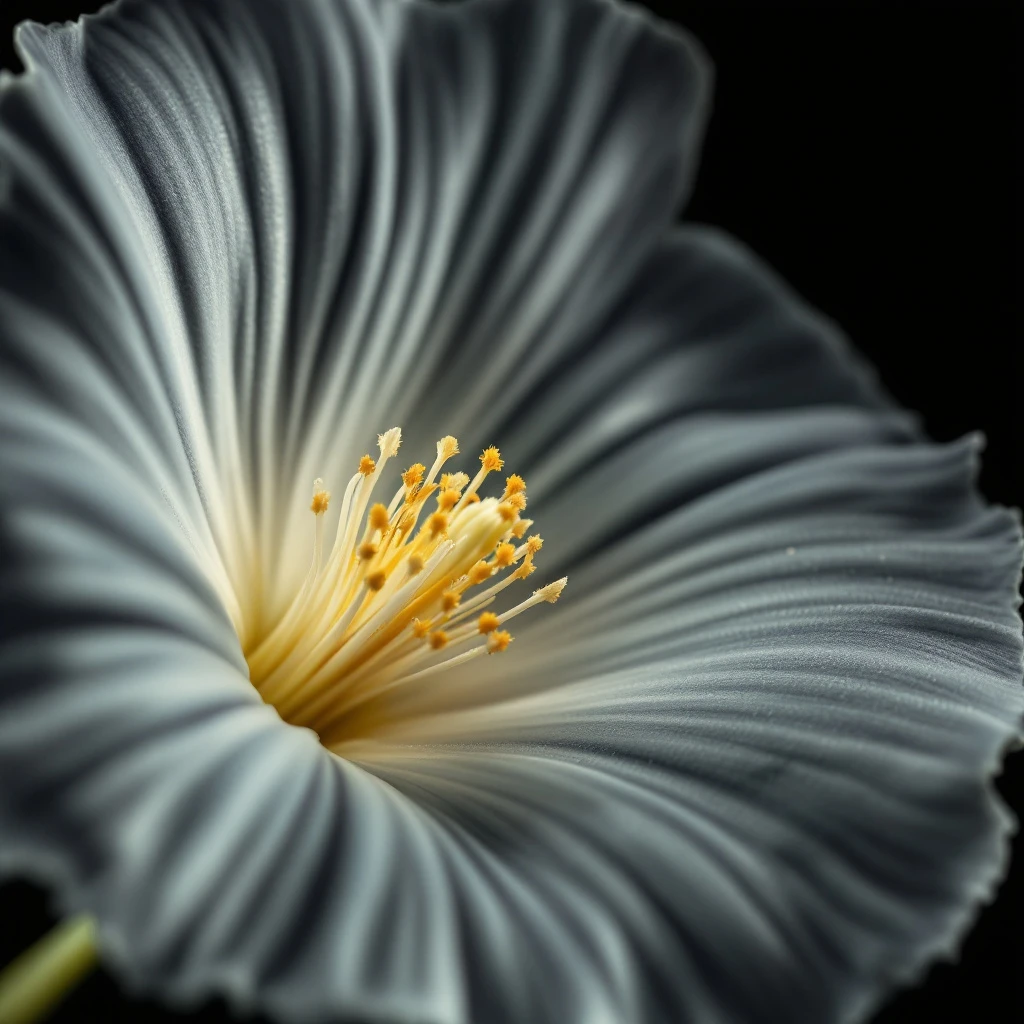
Each Morning Glory flower lives only 24 hours, opening at dawn and wilting by dusk—a living clock of the botanical world.


Origin
Mexico
Ipomoea purpurea originated in the tropical regions of Mesoamerica, where indigenous cultures cultivated it both as an ornamental and for its medicinal properties. Spanish colonizers encountered the vine in the 16th century and brought seeds back to Europe, where it became a garden favorite by the 1700s. The flower's brief blooming period earned it names across cultures—from 'morning glory' in English to 'gloria de la mañana' in Spanish.
While not a cornerstone of traditional perfumery, Morning Glory entered fragrance vocabulary in the 20th century as perfumers sought to capture more ephemeral, naturalistic floral effects. Its scent profile now appears primarily in modern fine fragrances seeking to evoke fresh dawn gardens and the gentle transience of morning.
Wears it best
Fragrances featuring Common Morning Glory
Brands
Brands known for Common Morning Glory
Good to know
Questions, answered
The essentials on Common Morning Glory in perfumery: how it smells, where it comes from, and how it behaves on skin.
Is Morning Glory used as a natural ingredient in perfume?
Natural Morning Glory absolute is exceptionally rare in perfumery. The flower's one-day lifespan makes commercial harvesting impractical. Perfumers typically reconstruct its scent profile using aromatic molecules that capture its ephemeral, sweet-floral character.
What does Morning Glory smell like?
Morning Glory carries a delicate, fleeting sweetness with soft floral tones, subtle green edges, and faint indolic depth. The scent evokes fresh-cut flowers at dawn—gentle, ephemeral, and slightly dewy.
Where does Morning Glory originate?
Ipomoea purpurea originated in tropical Mesoamerica, primarily the regions now comprising Mexico. Spanish colonizers spread the plant globally during the 16th century, and it now grows across temperate zones worldwide.
Can Morning Glory be steam distilled?
Steam distillation is not viable for Morning Glory. The flowers lack sufficient volatile oil content and deteriorate too quickly after harvest. Selective CO2 extraction remains the only natural extraction attempt, though yields are minimal.
What molecules create Morning Glory's scent?
The scent combines soft indole for floral depth, linalool derivatives for freshness, phenylacetaldehyde for sweet-green notes, and trace vanillin for warmth. No single molecule replicates the effect—only careful blending achieves authentic character.
Is Morning Glory sustainable to harvest for fragrance?
Sustainable commercial harvest is currently impossible. Each flower blooms once, lasting under 24 hours. Industrial-scale collection would require impractical acreage and labor, making natural sourcing economically unfeasible.
Which perfume families use Morning Glory notes?
Morning Glory appears in fresh florals, green chypres, and morning-themed fragrances. It suits compositions seeking delicate, ephemeral character—summer florals, dew-covered gardens, and airy daytime scents.
Does Morning Glory have traditional perfumery uses?
Morning Glory holds no historical role in traditional perfumery unlike rose or jasmine. It entered fragrance vocabulary only in the 20th century as modern perfumers expanded beyond classic florals to capture naturalistic, transient botanical moments.