Colombian Copaiba Balsam
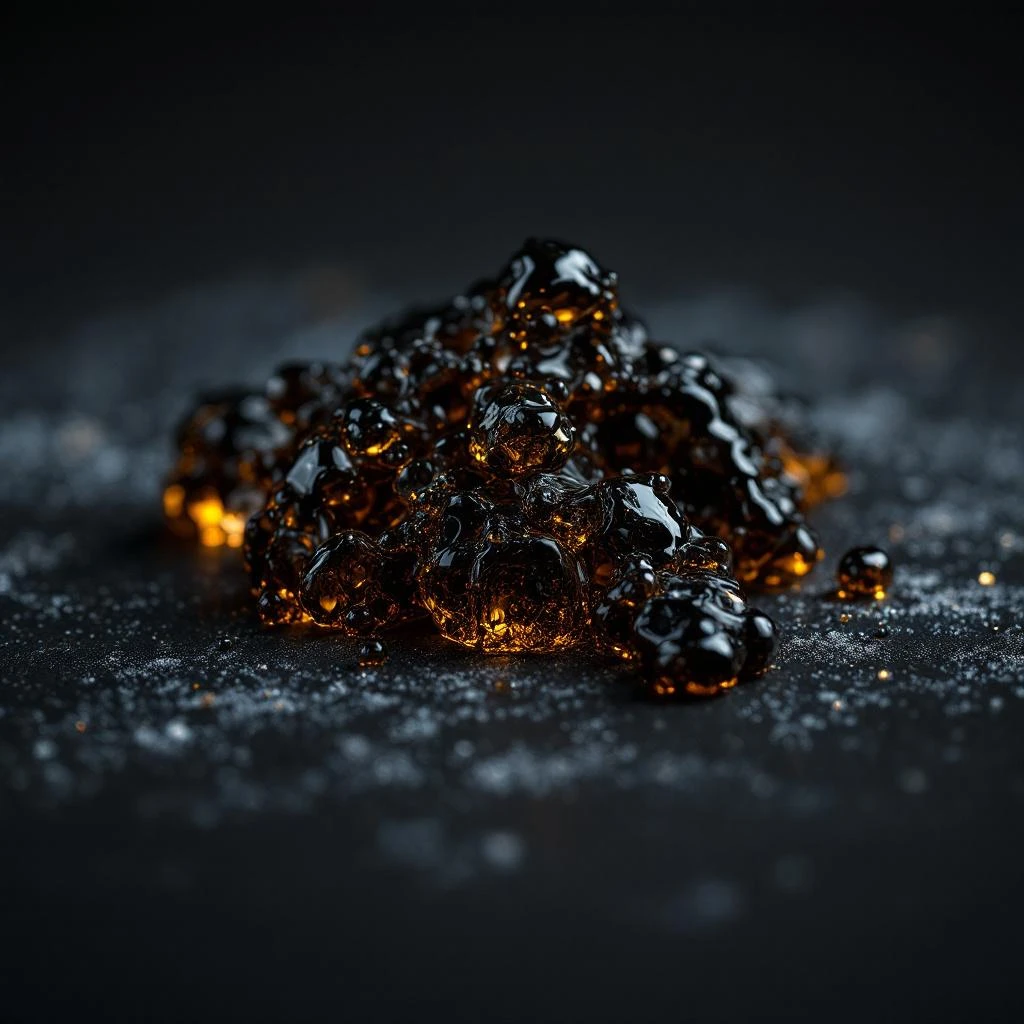
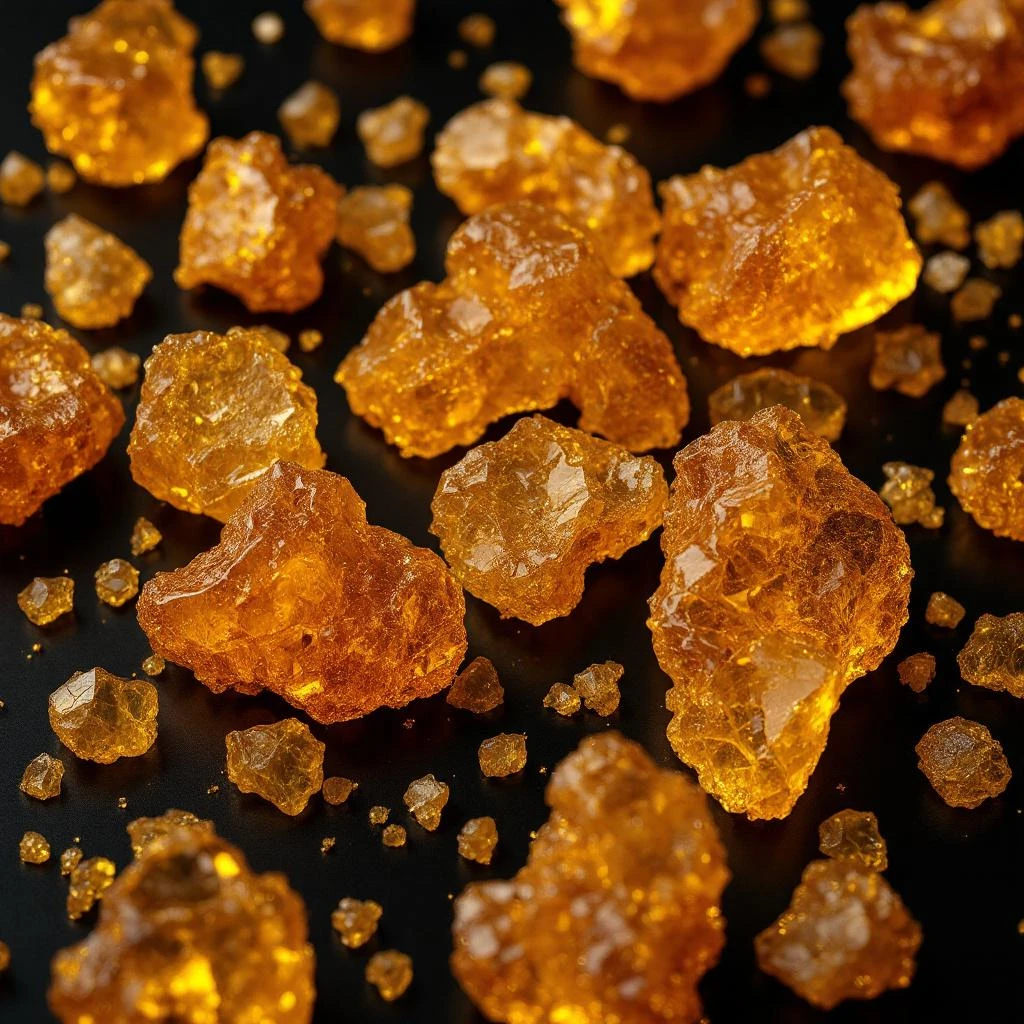
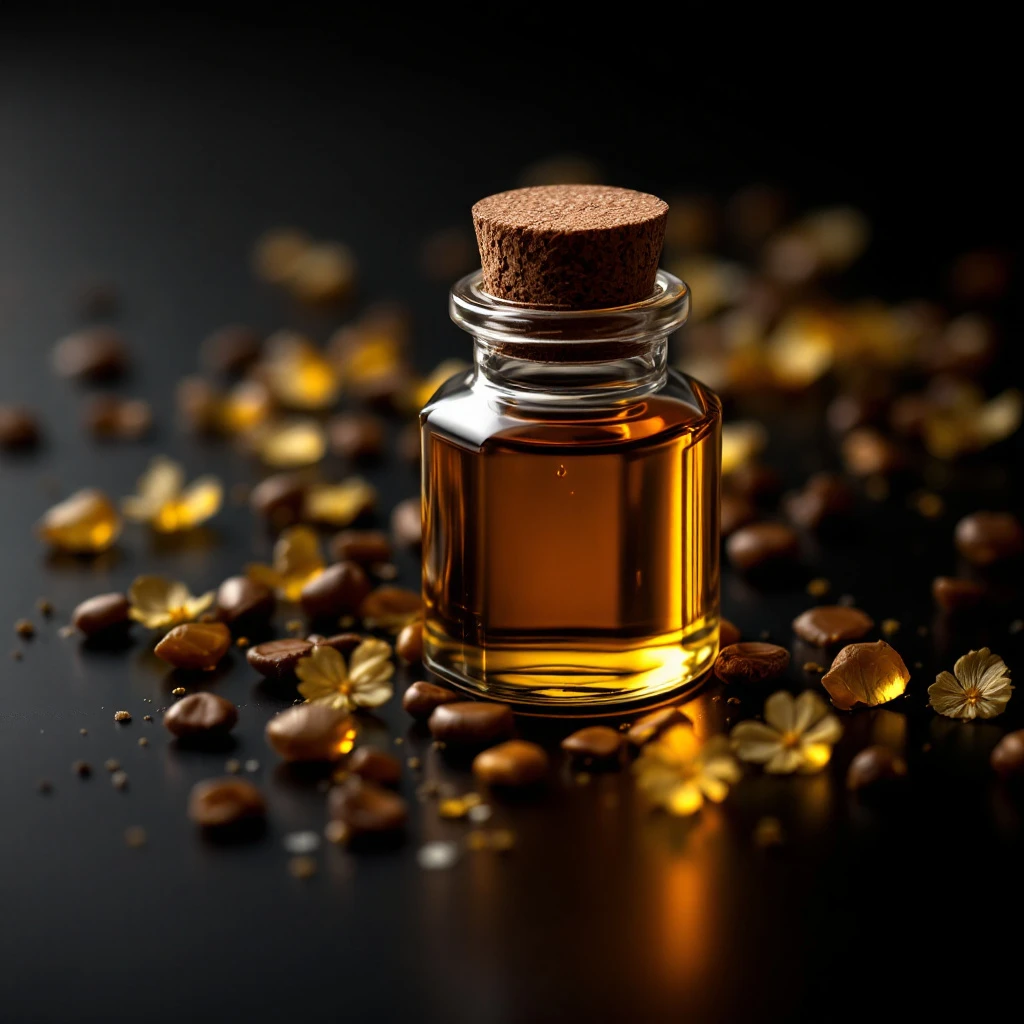
Resinous, woody Colombian Copaiba Balsam brings a polished natural depth to compositions, with a warm balsamic trail rooted in South American forests.
Character
How it smells
Deep resin, polished wood, quiet radiance.
Copaiba resin can be tapped repeatedly from the living trunk, allowing mature trees to yield balsam without being felled.
Pairs beautifully with


Origin
Brazil
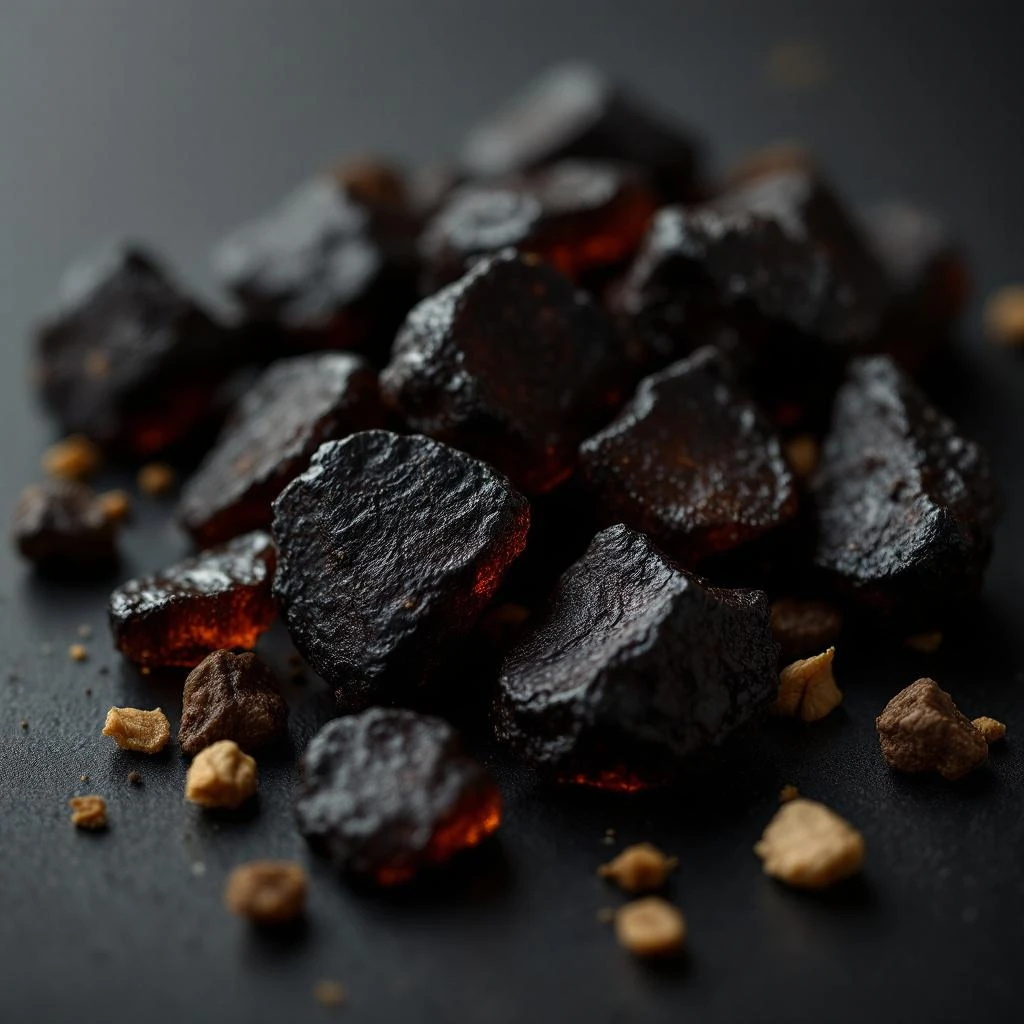
Copaiba balsam has a documented history of use in Brazil since the 16th century, when Indigenous communities used the tree resin as a folk remedy. Its name is commonly linked to the Tupi language, spoken by Indigenous peoples in the lands that later became Brazil. European interest in the material grew as natural resins entered medicinal, cosmetic, and commercial applications.
By the 19th century, copaiba oil appeared in soaps, shampoos, cosmetics, and perfumes. Its long-standing use reflects both its availability as a tapped tree product and its suitability for scent formulation. Unlike many plant ingredients that require extensive processing, copaiba balsam has been valued in perfumery close to its natural state, while distilled versions offer greater convenience and consistency.
Brazilian production remains the best known, with smaller supplies coming from neighboring South American countries, including Colombia. The material continues to serve as a source of deep woody and balsamic accents, balanced by its relatively clean, lightly resinous profile.
Wears it best
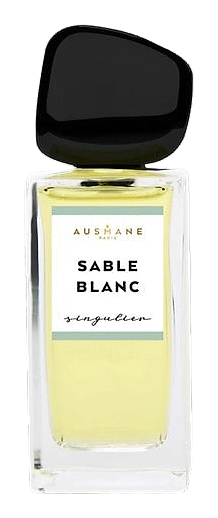
Fragrances featuring Colombian Copaiba Balsam
Brands
Brands known for Colombian Copaiba Balsam
Good to know
Questions, answered
The essentials on Colombian Copaiba Balsam in perfumery: how it smells, where it comes from, and how it behaves on skin.
What does Colombian Copaiba Balsam smell like?
Colombian Copaiba Balsam reads as a clean woody resin with warm balsamic depth and a faintly dry, honeyed edge. Its aroma is restrained rather than medicinal, making it effective as a base note in natural-style perfumery.
Where is Copaiba Balsam mainly produced?
Brazil is the principal producer of Copaiba Balsam, with smaller quantities harvested in other South American countries. The trees belong to the Copaifera genus and occur across the Amazon region, including parts of Colombia.
How is Copaiba Balsam harvested?
Producers tap the oleoresam from mature Copaifera trees by drilling into the trunk. Because the tree remains alive and can be tapped again, this method permits repeated harvests without felling the tree.
How is Copaiba oil made for perfumery?
The tapped oleoresin may first be filtered to remove solid particles. It is then steam-distilled, separating volatile aromatic compounds from the heavier resin and yielding a concentrated perfumery oil.
What part of the Copaiba tree is used?
Perfumers use the tree's trunk oleoresin, a resinous secretion produced within the trunk. The name “balsam” refers to this aromatic plant exudate, although Copaifera belongs to the Fabaceae family rather than true balsam trees.
Is Copaiba Balsam suitable as a base note?
Yes. Copaiba Balsam functions as a base or modifier because its woody, resinous profile provides lasting structure. It pairs readily with citrus, florals, woods, and ambery materials.
Does Copaiba Balsam have a long history?
Its use in Brazil dates to the 16th century, when Indigenous communities employed the resin as a folk remedy. Copaiba oil later appeared in European and American soaps, cosmetics, and perfumes.
What is the difference between Copaiba Balsam and Copaiba essential oil?
Copaiba balsam refers to the tapped, partly resinous material, while Copaiba essential oil is steam-distilled from that oleoresin. The distilled oil is more fluid and concentrated, so their handling and dosing differ.