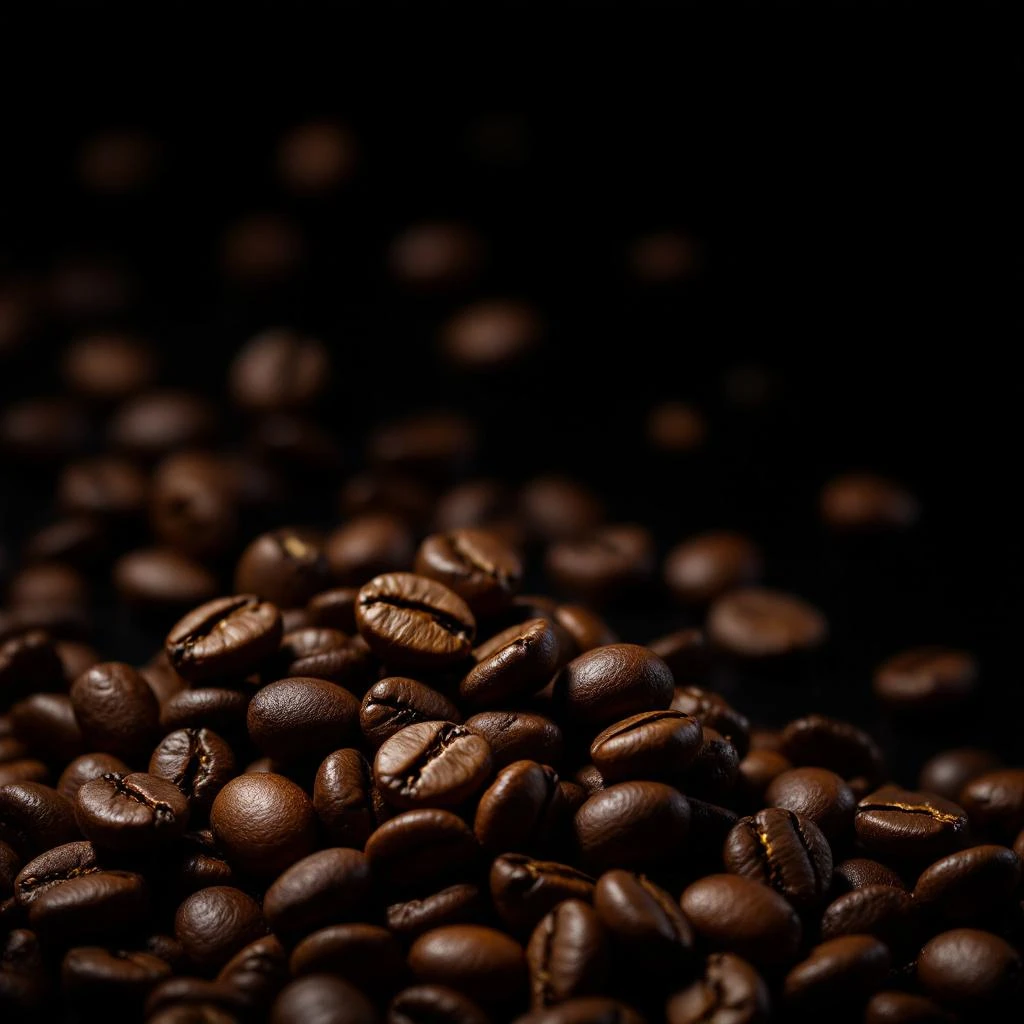
Coffee Cream
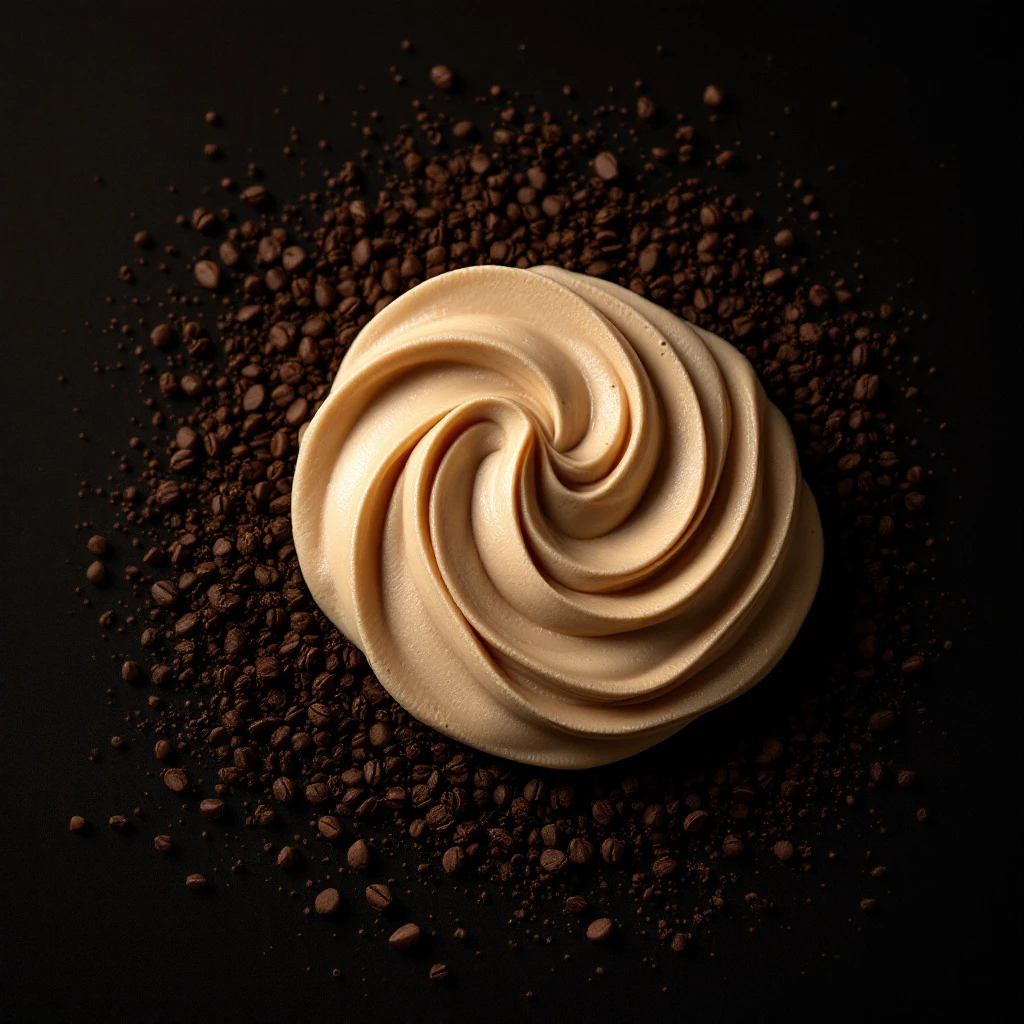
A warm, enveloping blend of roasted coffee and velvety cream. This indulgent note captures the comfort of fresh espresso crowned with steamed milk, adding depth and gourmand warmth to fragrance compositions.
Character
How it smells
Morning ritual, bottled.
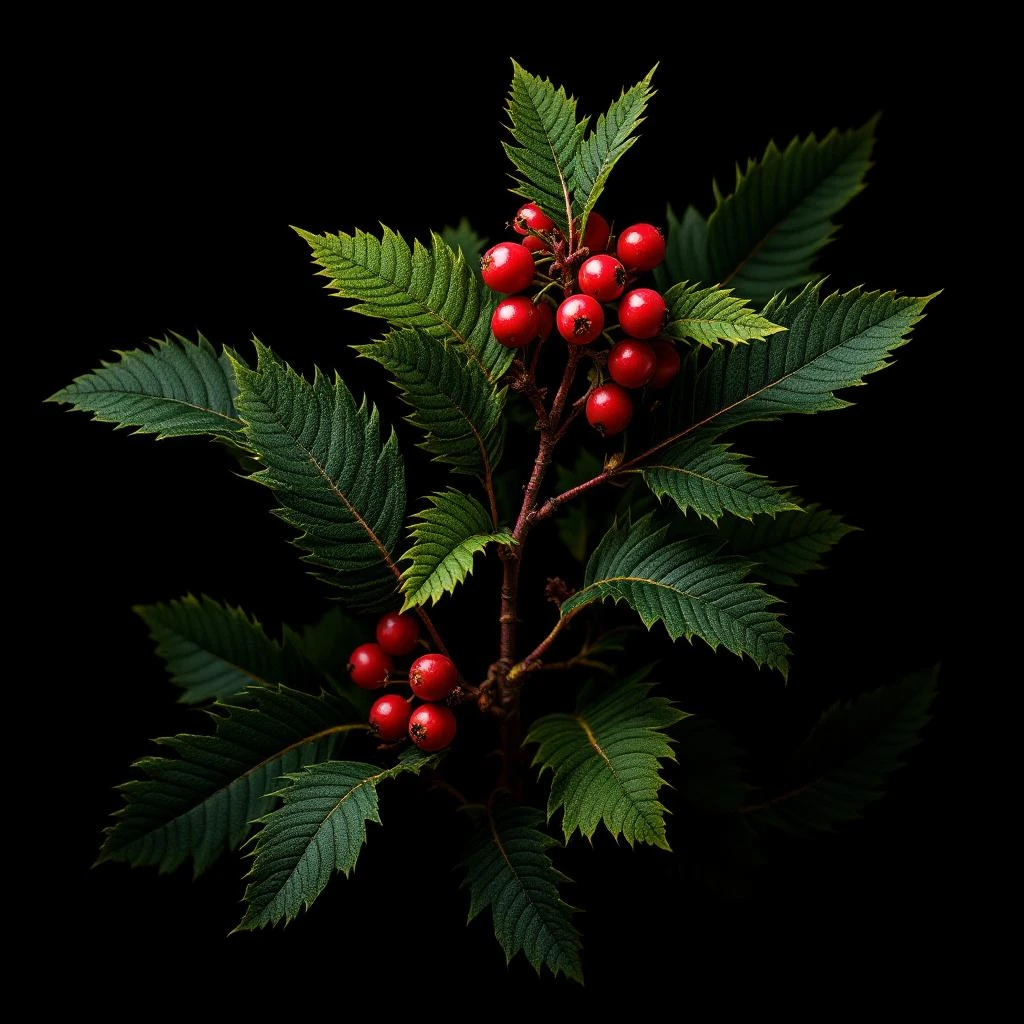
Ethiopian goat herders first noticed coffee's stimulating effects when their flock ate red berries and danced through the night.



Origin
Ethiopia
Coffee's journey from Ethiopian highlands to perfume bottles spans centuries and continents. Legend holds that an Ethiopian goat herder named Kaldi discovered the beverage around the 9th century when his flock grew energetic after eating red berries from a particular tree. Monks in Yemen soon began cultivating coffee, using it to stay alert during long devotions.
By the 1500s, coffeehouses had spread across the Ottoman Empire, becoming hubs for conversation and commerce. European travelers encountered the drink in Constantinople and brought seeds home, sparking coffee's march across the continent. By the 1700s, coffee had become an international commodity, reshaping trade routes and agricultural economies worldwide.
The Coffee Cream note we use today reflects this long history. It combines the rich, roasted depth that made coffee a global obsession with the creamy comfort that transforms a simple drink into an indulgence. The note bridges beverage culture and perfumery, bringing the warmth of your morning cup into the world of fragrance.
Wears it best
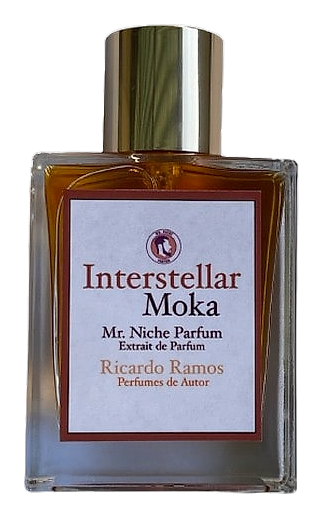
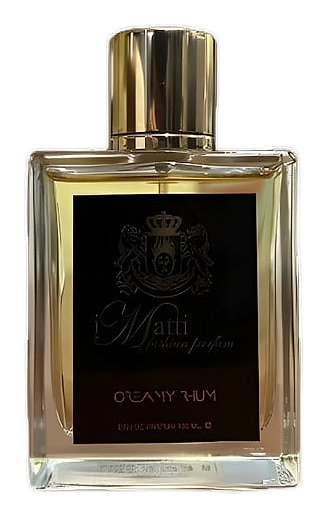
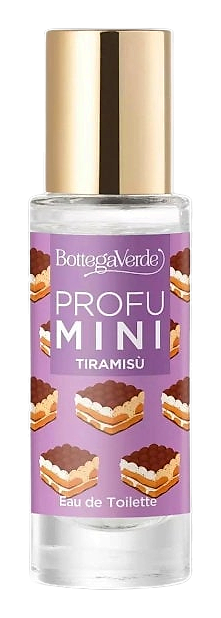
Fragrances featuring Coffee Cream
Brands
Brands known for Coffee Cream
Good to know
Questions, answered
The essentials on Coffee Cream in perfumery: how it smells, where it comes from, and how it behaves on skin.
Is Coffee Cream a natural fragrance ingredient?
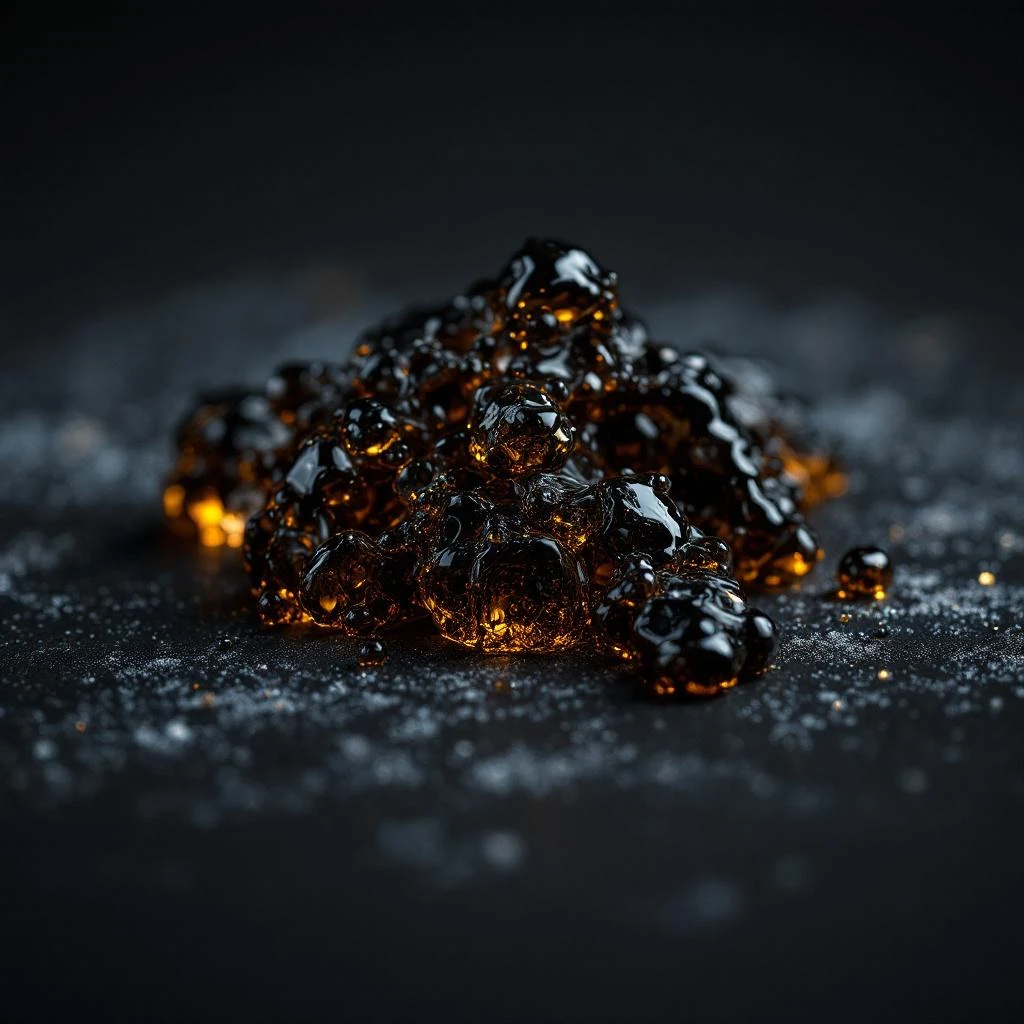
Coffee Cream is typically a blend of natural and synthetic materials. Coffee absolute comes from roasted beans extracted using supercritical CO2, giving perfumers a genuine coffee material to work with. Creamy lactones are often synthesized but designed to mimic natural compounds found in foods like coconut and peaches.
What makes Coffee Cream different from regular coffee notes?
Coffee Cream combines the rich, roasted character of coffee absolute with creamy, lactonic compounds that add a smooth, dairy-like sweetness. The result smells like espresso with steamed milk rather than black coffee. Lactones such as gamma-decalactone and massoia lactone create this distinctive creamy effect.
Is Coffee Cream safe for sensitive skin?
Coffee absolute and the lactones used in Coffee Cream notes are generally recognized as safe in perfumery concentrations. Coffee absolute is considered non-sensitizing. Most formulations stay within IFRA guidelines for skin safety, though patch testing remains advisable for individuals with extreme sensitivity.
What fragrances pair well with Coffee Cream?
Coffee Cream works beautifully with vanilla, tonka bean, caramel, sandalwood, and amber. These pairings enhance the gourmand warmth and create rich, comforting compositions. Chocolate, hazelnut, and spices like cardamom also complement the note effectively.
At what stage does Coffee Cream typically appear in a fragrance?
Coffee Cream functions as both a heart and base note in fragrance development. It provides lasting warmth and depth, appearing after top notes evaporate and anchoring the fragrance on the skin for hours. Perfumers often introduce it alongside middle-stage ingredients for smooth blending.
How concentrated is Coffee Butter compared to other coffee materials?
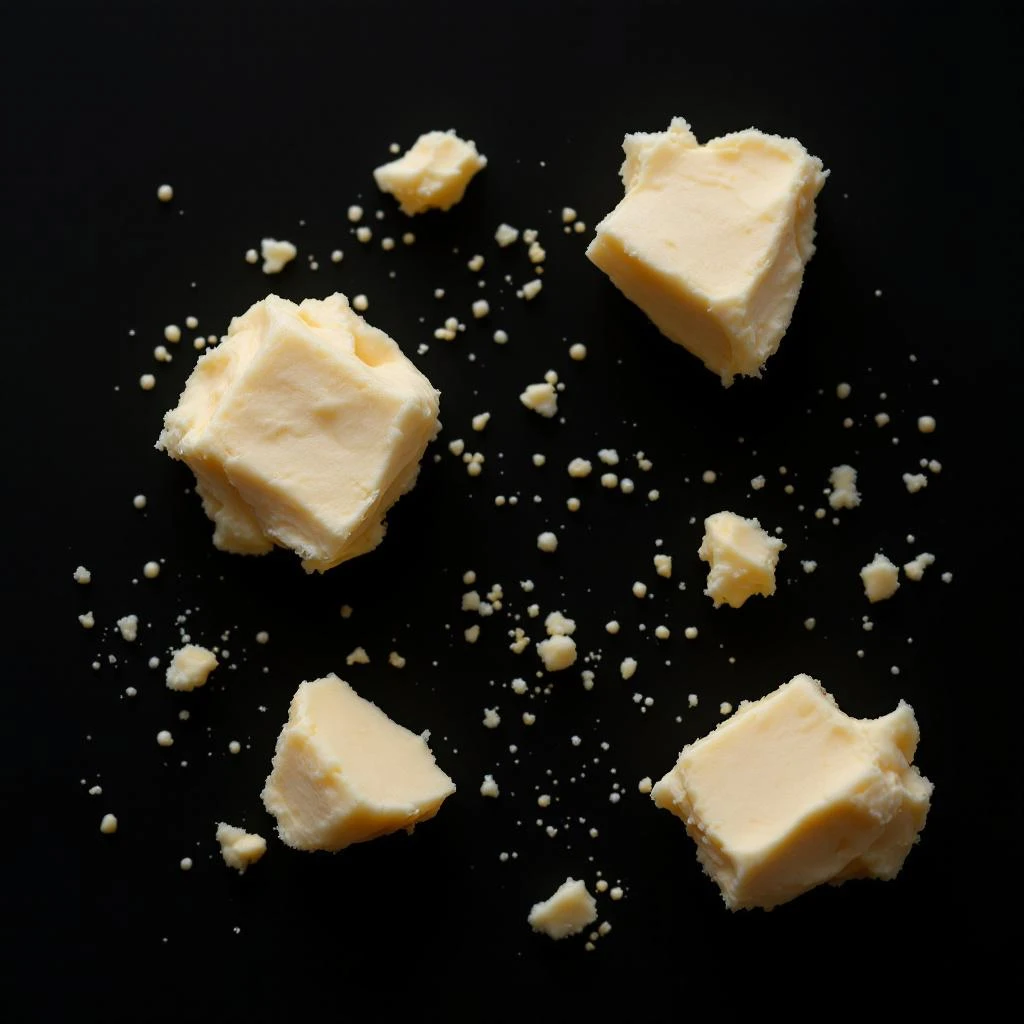
Coffee Butter represents the most concentrated natural coffee material available to perfumers. It consists of coffee absolute blended with a fatty carrier, creating a solid or viscous substance. Coffee CO2 Absolute offers another highly concentrated option, while essential oils provide less intensity.
What role does Coffee Cream play in perfumery?
Coffee Cream adds warmth, depth, and gourmand character to fragrance compositions. It works as a fixative, helping lighter notes last longer on the skin. Perfumers use it to create cozy, inviting atmospheres in oriental, gourmand, and even chypre fragrances.
Does sustainable sourcing affect Coffee Cream quality?
Ethiopia produces some of the world's finest coffee beans for fragrance use. Shade-grown, sustainably harvested beans often develop more complex aromatic profiles due to slower maturation. Many producers now prioritize ethical sourcing from cooperatives that support farmer livelihoods and environmental conservation.