Cocobolo
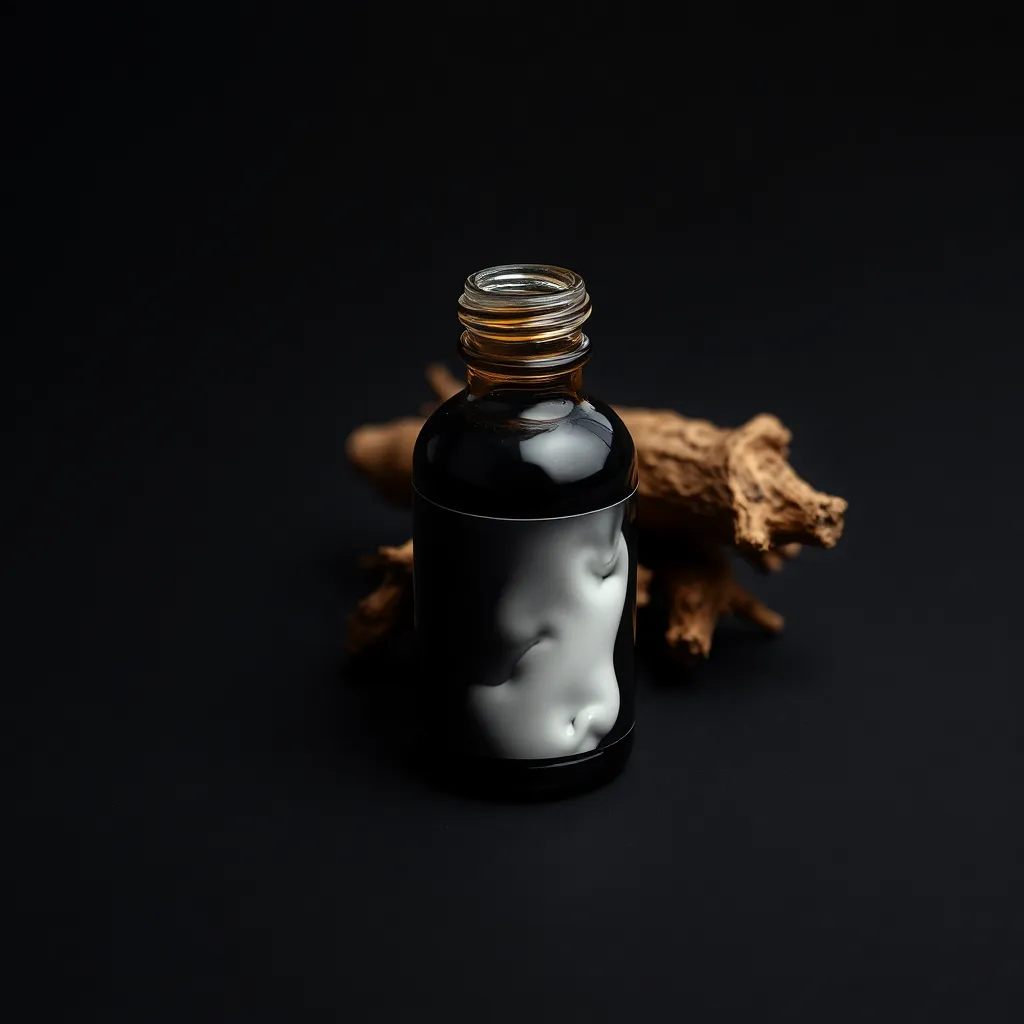
Rare Central American rosewood prized for its warm, complex scent: rich woods, violet sweetness, and subtle spice. Overharvested and now strictly regulated.
Character
How it smells
A vanishing wood, an irreplaceable note.
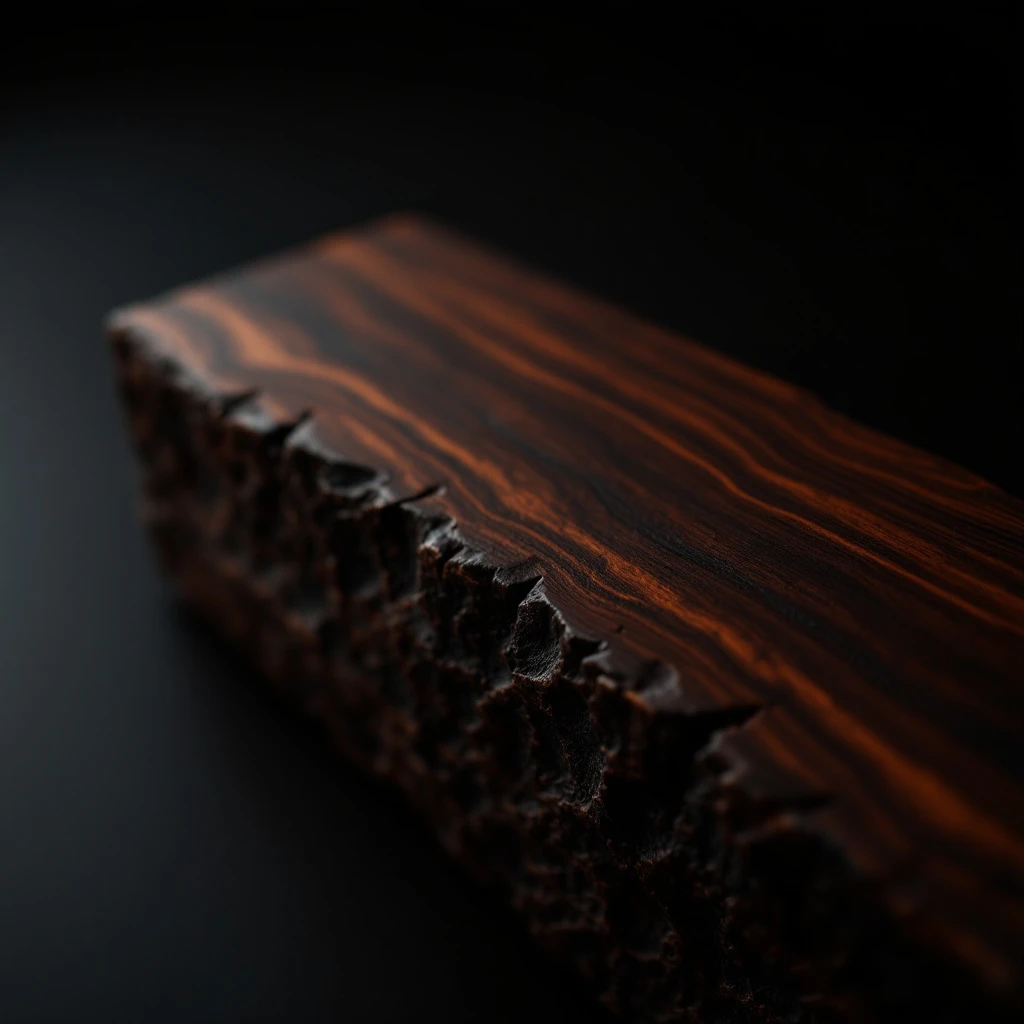
Cocobolo heartwood contains natural oils so potent that many woodworkers develop allergic reactions simply from breathing sawdust.




Origin
Guatemala
Cocobolo comes from Dalbergia retusa, a slow-growing tree native to Pacific coast forests from Panama to southern Mexico. Pre-Columbian artisans valued the wood for carvings and ceremonial objects. The species gained attention in European perfumery during the 20th century as natural woody notes came into demand.
Its rarity grew as furniture makers and specialty woodworkers depleted wild populations. By the 1990s, Dalbergia species faced near-catastrophic overharvesting globally. Cocobolo received CITES Appendix II protection, severely restricting international trade.
Contemporary perfumers work with dwindling natural stocks or turn to aroma-chemical alternatives that approximate its warm, powdery-woody character.
Wears it best
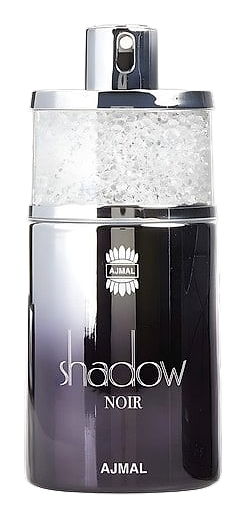
Fragrances featuring Cocobolo

Good to know
Questions, answered
The essentials on Cocobolo in perfumery: how it smells, where it comes from, and how it behaves on skin.
What does cocobolo smell like?
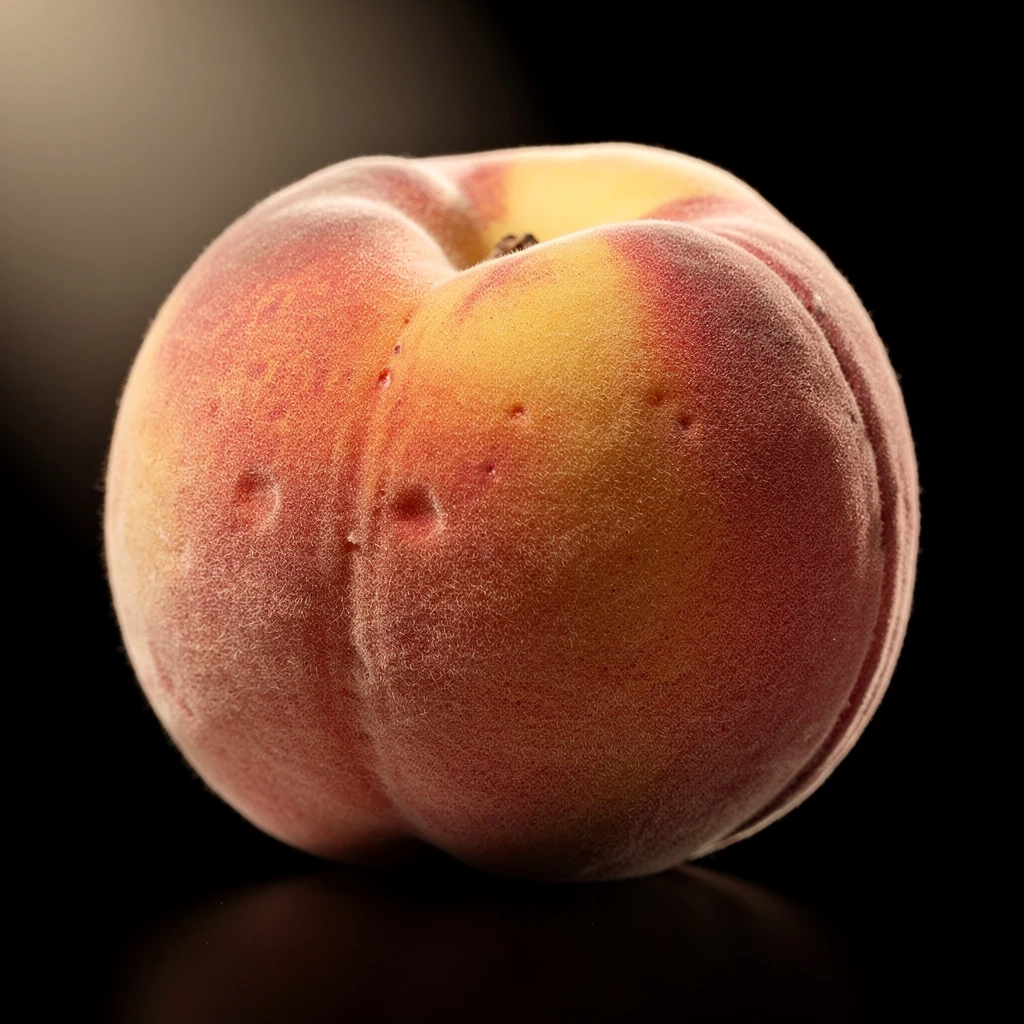
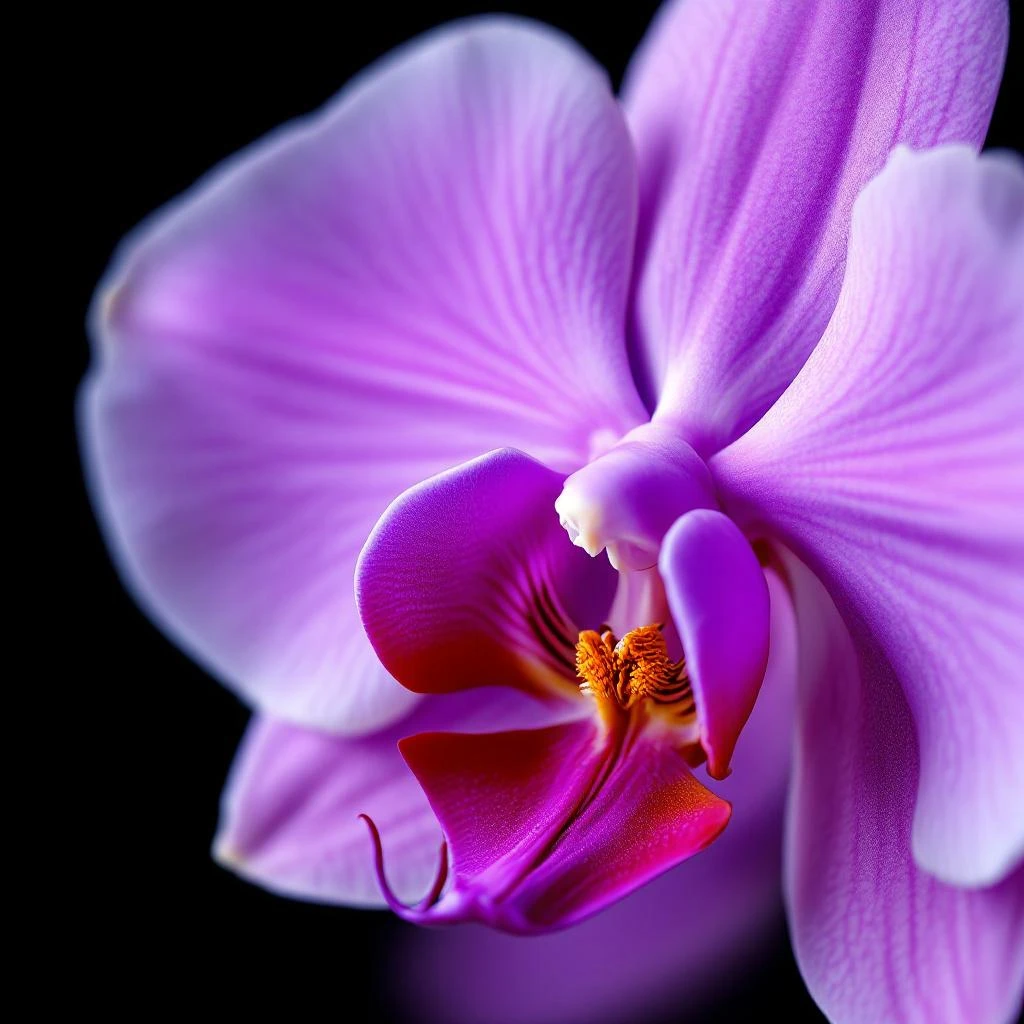
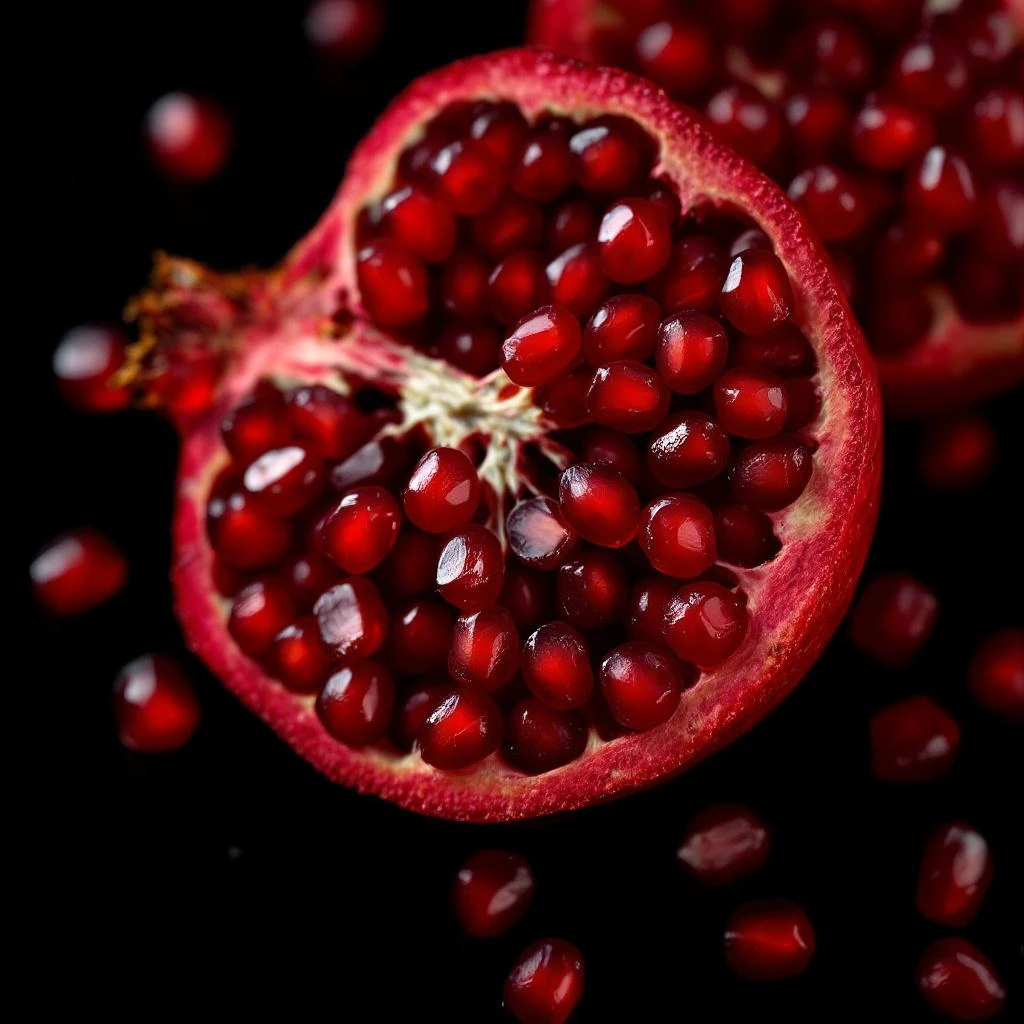
Cocobolo delivers warm, deep woods with sweet undertones and a distinctive powdery-violet character. Expect hints of rose, subtle spice, and resinous warmth in the drydown.
Why is cocobolo so rare in modern perfumery?
CITES Appendix II listing in 2017 banned wild cocobolo from international trade. Natural material exists only in pre-regulation stocks, making genuine cocobolo oil exceptionally scarce.
How do perfumers extract cocobolo oil?
Producers steam-distill dried heartwood shavings for 12-18 hours. The dense wood yields little oil, typically 0.5-2% by weight, contributing to its high cost.
What fragrances historically featured cocobolo?
Luxury chypres and oriental fragrances from the 1960s-1990s commonly listed cocobolo. Houses like Chanel, Givenchy, and Guerlain incorporated it in warm woody bases.
Is cocobolo safe for skin use?
The oil carries moderate sensitization risk. IFRA recommends limited concentration in consumer products. Those with wood allergies should exercise caution.
What substitutes for cocobolo exist?
Synthetic molecules like Timberol and Symroxane approximate cocobolo warmth. Other natural alternatives include amyris, atlas cedar, and guaiac wood.
How does cocobolo differ from other rosewoods?
Unlike Indian rosewood, cocobolo carries unique violet and sweet spice notes. Its oil is darker and more viscous with superior tenacity in fragrance compositions.
What is the legal status of cocobolo trade?
CITES Appendix II governs cocobolo internationally, requiring permits for any commercial exchange. Several Central American range states have enacted additional domestic protections.