Clementine Nectar
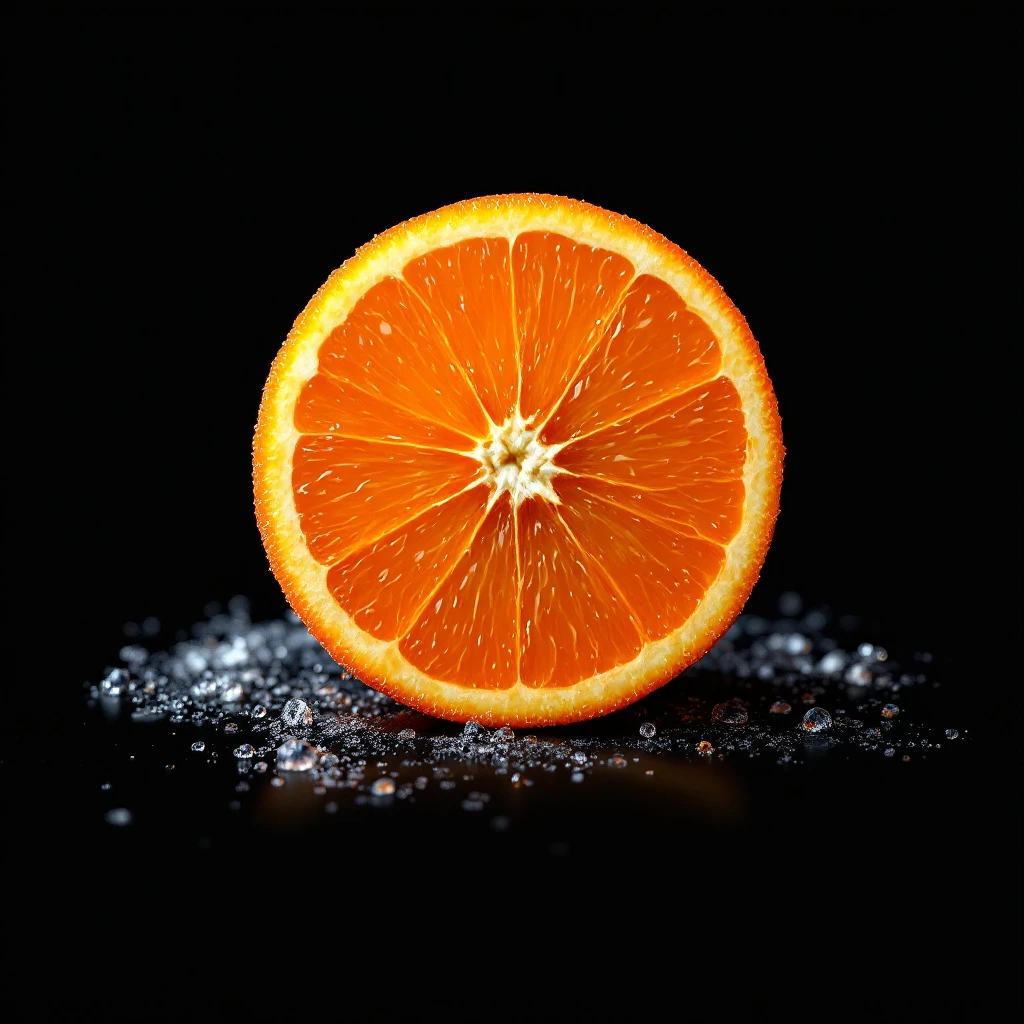
Clementine Nectar captures the sun-drenched sweetness of ripe citrus with a honeyed, floral undertone. This vibrant note delivers an immediate burst of freshness followed by a soft, lingering glow reminiscent of afternoon light through citrus groves.
Character
How it smells
Sun-kissed citrus with a honeyed heart.
Clementines are named after Father Pierre Clement, the 19th-century French missionary who first cultivated the hybrid in Algeria.




Origin
France
The clementine emerged in the late 1800s as a deliberate hybrid between a willowleaf mandarin and a sweet orange. French missionary Father Pierre Clement cultivated this cross in the gardens of his Algerian mission, seeking a fruit that combined easy peeling with extended shelf life. The hybrid spread rapidly across the Mediterranean basin, finding ideal growing conditions in Corsica, Spain, and Morocco.
Clementines arrived in American markets by the mid-20th century, becoming a seasonal staple. Perfumery adopted citrus rinds centuries before this hybrid appeared, but the clementine's distinctive balance of sweetness and brightness gave perfumers a new aromatic palette to explore.
Wears it best
Fragrances featuring Clementine Nectar
Brands
Brands known for Clementine Nectar
Good to know
Questions, answered
The essentials on Clementine Nectar in perfumery: how it smells, where it comes from, and how it behaves on skin.
What does Clementine Nectar smell like?
Clementine Nectar smells bright, juicy, and sweet with floral undertones. It combines the tartness of mandarin with honey-like warmth, creating a fresh yet rounded citrus experience.
Is Clementine Nectar natural or synthetic?
Clementine Nectar is typically derived from natural cold-pressed clementine rind. Some formulations use nature-identical compounds to ensure batch consistency across different harvests.
Which fragrance families use Clementine Nectar?
Clementine Nectar appears most often in citrus, fruity, and bright floral compositions. Perfumers pair it with neroli, white musk, and green tea accords.
How long does Clementine Nectar last on skin?
As a top note, Clementine Nectar typically lingers for 20 to 45 minutes before evaporating. Fixatives like ambroxan help extend its presence in the dry-down.
Does Clementine Nectar cause skin sensitivity?
Citrus rind oils contain furanocoumarins that may cause photosensitivity. EU regulations limit certain citrus derivatives in leave-on skin products to concentrations below 0.001%.
Which countries produce the best clementines for perfumery?
Corsica, Morocco, and Spain produce premium clementines for fragrance use. Corsican clementines are prized for their thicker rind, which yields more aromatic oil per fruit.
Can Clementine Nectar replace regular citrus notes?
Clementine Nectar offers a sweeter, less acidic alternative to lemon or grapefruit. It works well alongside bergamot and mandarin in sunny, warm-weather compositions.
How should perfumers dose Clementine Nectar?
Most formulators use Clementine Nectar at 0.5% to 3% of the total concentrate. Overuse can push a fragrance into detergent-like territory rather than natural fruit character.