Alpine Hedge Rose
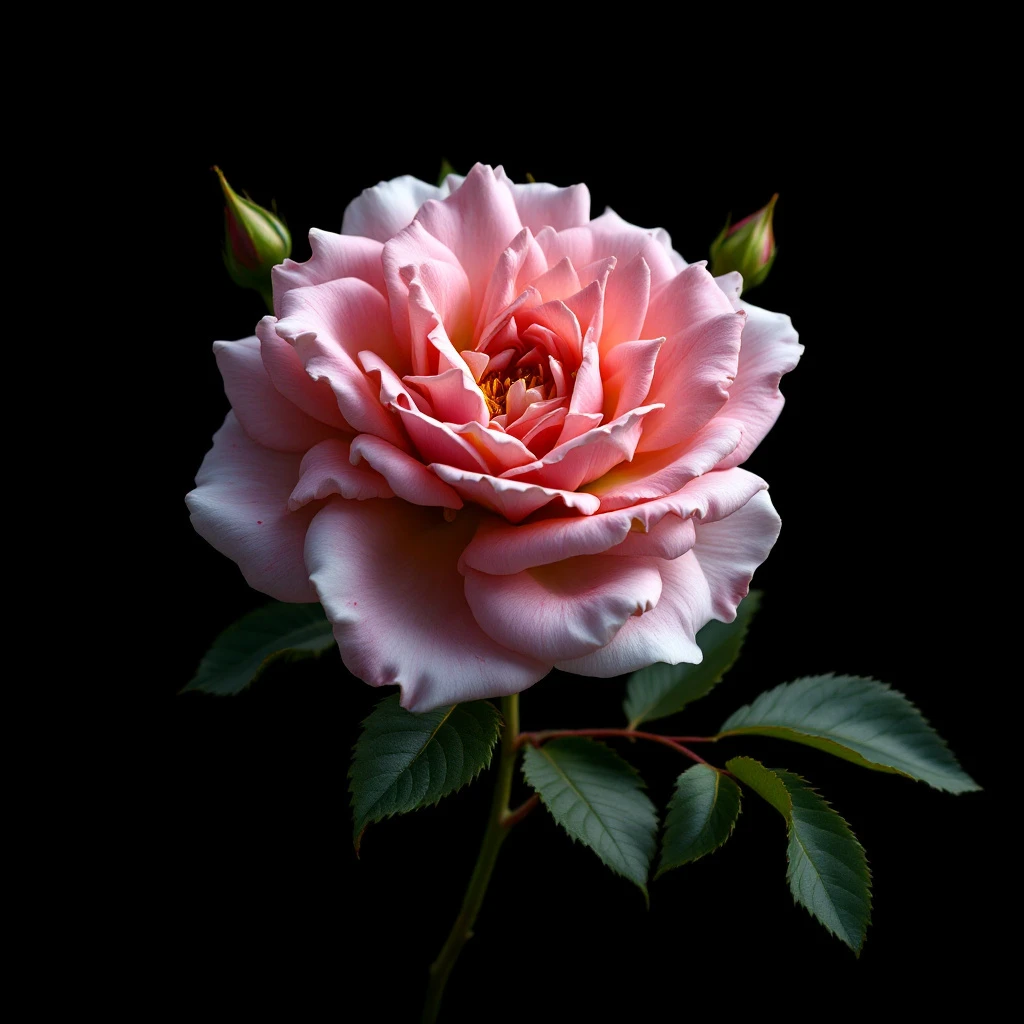
Alpine Hedge Rose captures the untamed beauty of wild roses thriving in mountain meadows. This rugged variety grows at elevation, developing a more complex, herbaceous character than its cultivated cousins. Perfumers prize it for its crisp, green-floral signature that brings natural freshness to compositions.
Character
How it smells
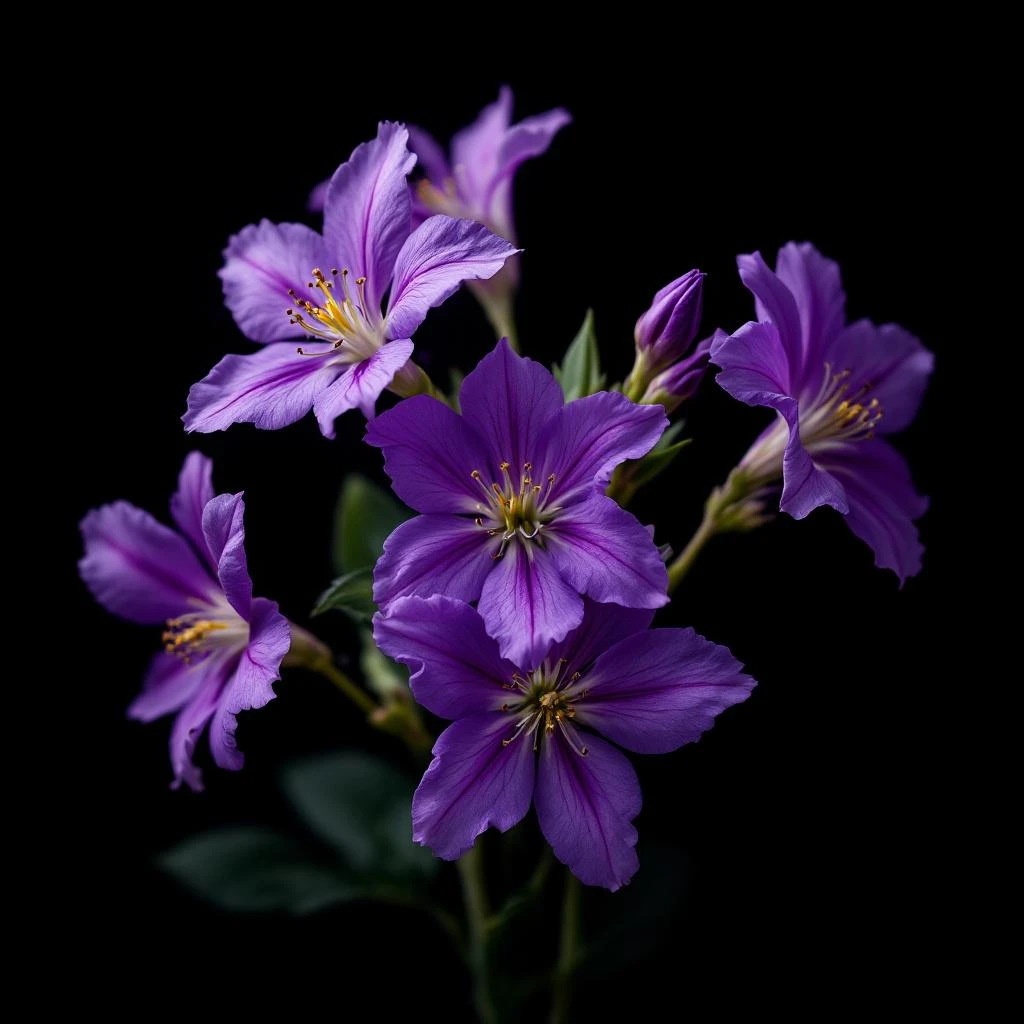
Wild mountain roses with a crisp, green-floral soul.
Wild roses in alpine regions can survive temperatures below -30°C, developing intensely concentrated aromatic compounds as natural frost protection.



Origin
Switzerland
The Alpine Hedge Rose traces its lineage to wild Rosa species that have grown in European mountain regions for millennia. Ancient Alpine communities gathered these wild roses for medicinal preparations, recognizing their therapeutic properties long before perfumery existed. The Romans brought cultivation knowledge to the valleys below the Alps, creating early aromatic traditions.
Medieval monasteries maintained rose gardens in mountain passes, using the blooms for healing salves and ritual purposes. The Renaissance saw Alpine rose water become a valued trade good, transported down mountain passes to贵族 courts. Today's sustainable harvesting practices honor these traditions while ensuring wild populations remain protected.
Modern perfumers rediscovered Alpine Hedge Rose in the late 20th century as consumer interest in wildcrafted, origin-specific ingredients grew.
Wears it best
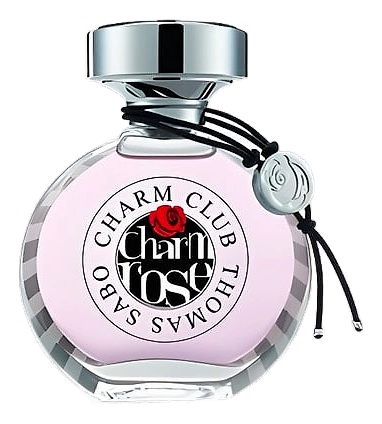
Fragrances featuring Alpine Hedge Rose

Brands
Brands known for Alpine Hedge Rose
Good to know
Questions, answered
The essentials on Alpine Hedge Rose in perfumery: how it smells, where it comes from, and how it behaves on skin.
What does Alpine Hedge Rose smell like?
Alpine Hedge Rose presents a crisp, green-floral scent with herbaceous undertones. Unlike the rich, honeyed character of cultivated roses, this wild variety offers sharper, more transparent floral notes with a distinctive freshness reminiscent of mountain air.
Is Alpine Hedge Rose natural or synthetic?
Alpine Hedge Rose is a natural ingredient. Wild roses grow at elevation in Alpine regions and are harvested by hand, then processed through solvent extraction or steam distillation to produce aromatic materials.
What fragrance families pair well with Alpine Hedge Rose?
This ingredient pairs excellently with green, chypre, and fougère families. It complements herbal materials like lavender and clary sage, and provides freshness when combined with deeper notes such as sandalwood or cedar.
How is Alpine Hedge Rose harvested?
Harvesting occurs at dawn when essential oil concentration peaks. Petals are hand-picked and must reach processing facilities within hours to preserve volatile aromatic compounds before degradation begins.
What makes Alpine Hedge Rose different from Damask Rose?
Alpine Hedge Rose grows at higher elevations, developing more complex, herbaceous characteristics. It contains higher levels of geraniol and citronellol, providing a greener, crisper profile compared to the rich, honeyed tones of Rosa damascena.
Is Alpine Hedge Rose sustainable?
Responsible sourcing programs protect wild rose populations through regulated harvesting quotas. These initiatives ensure regeneration while supporting traditional harvesting communities in Alpine regions.
What products commonly contain Alpine Hedge Rose?
This ingredient appears in fine fragrances seeking natural, origin-specific profiles. It also shows up in high-end skincare and aromatherapy products where its wild-harvested character adds value.
How long has Alpine Hedge Rose been used in perfumery?
While wild Alpine roses have been gathered for centuries for medicinal use, their application in fine perfumery emerged in the late 20th century as demand grew for wildcrafted, terroir-specific ingredients.




