Clematis
Clematis brings an unexpected tenderness to fragrances—a delicate, sweet floral with an almost translucent quality that defies its bold garden presence.
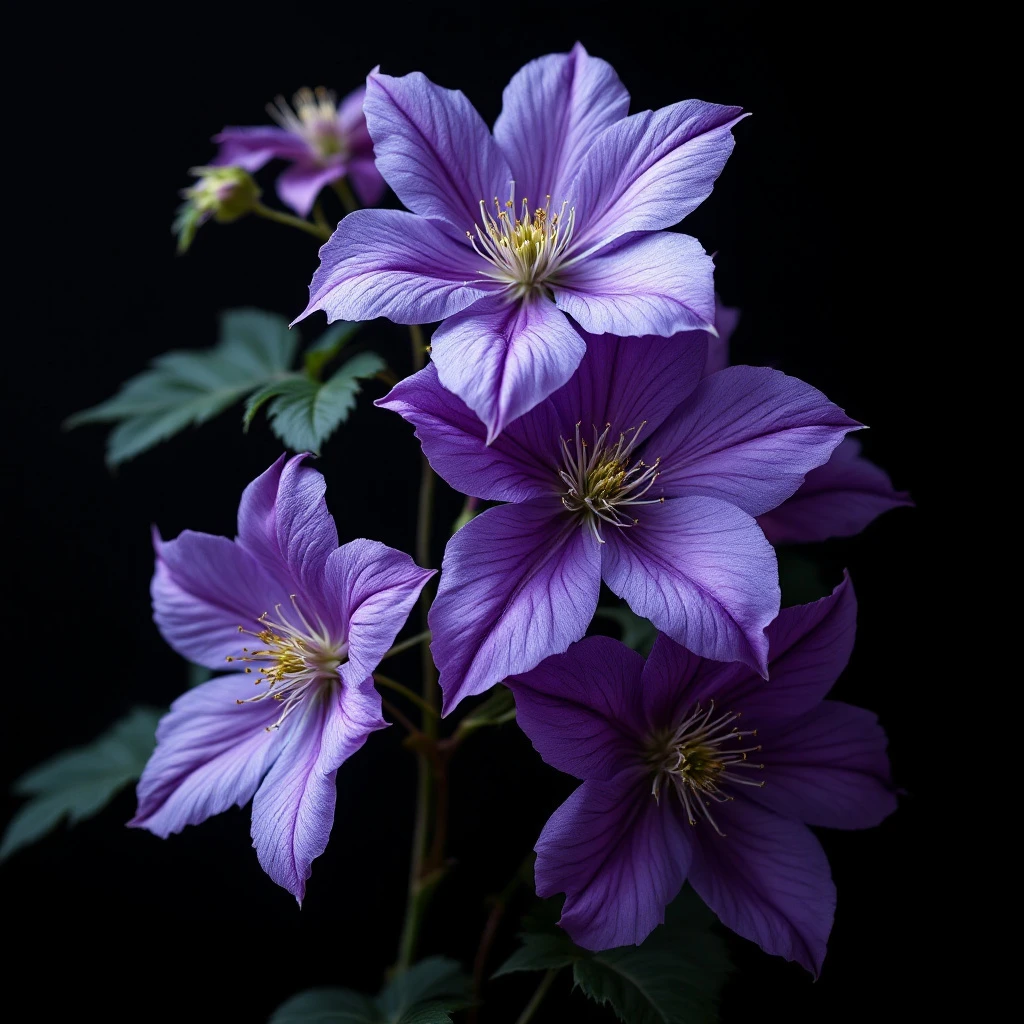
Character
How it smells
Garden elegance captured in whisper-soft florals.
Clematis remains one of perfumery's best-kept secrets, appearing in fewer than 5% of commercial fragrances.
Pairs beautifully with



Origin
China
Clematis has been cultivated across temperate regions for centuries, primarily as an ornamental climbing vine prized for its cascading blooms. The plant held decorative significance in Chinese and Japanese garden traditions, where it symbolized ingenuity and mental clarity.
European gardeners began cultivating clematis species extensively during the 19th century botanical exploration era. Yet traditional perfumery largely overlooked the flower until modern extraction techniques revealed its aromatic potential.
Today, clematis occupies a niche position in fragrance formulation, valued by perfumers seeking unusual floral effects rather than mainstream appeal. Its subtle character contrasts sharply with heavy hitters like rose or jasmine, offering perfumers a tool for crafting fragrance architecture that breathes rather than overwhelms.
Wears it best
Fragrances featuring Clematis
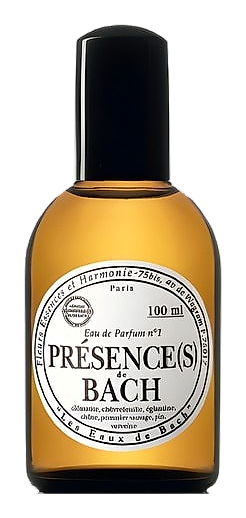
Brands
Brands known for Clematis
Good to know
Questions, answered
The essentials on Clematis in perfumery: how it smells, where it comes from, and how it behaves on skin.
What does clematis smell like in perfumery?
Clematis delivers a delicate, sweet-floral aroma with green undertones and transparent, almost ethereal character. It reads as lighter than typical florals, with subtle watery and musky facets that blend seamlessly rather than dominate a composition.
Is natural clematis extract common in perfumes?
Natural clematis absolute remains uncommon, appearing primarily in niche and artisanal fragrances. The extraction process yields minimal material relative to flower quantity, making natural sources scarce. Most commercial fragrances rely on synthetically engineered clematis accords.
How does clematis perform as a fragrance ingredient?
Clematis functions as a heart-to-base note with moderate tenacity. It adds lift and transparency to floral compositions without aggressive projection. The material blends readily with green notes, transparent musks, and other delicate florals like violet and muguet.
Which fragrance families commonly feature clematis?
Clematis appears most often in modern florals, green fragrances, and chypre compositions. Its transparent quality suits contemporary minimalist styles where perfumers seek subtlety over sillage. White florals sometimes incorporate clematis for added nuance.
Are there any safety concerns with clematis in perfumery?
Clematis extracts used in perfumery undergo standard IFRA compliance testing for skin sensitization and phototoxicity. When properly diluted according to guidelines, clematis absolute poses no unusual safety concerns for topical application.
What challenges exist in sourcing clematis for perfumers?
Limited commercial production makes consistent sourcing difficult. Most natural material originates from small-batch extractions in Europe and Asia. Synthetic alternatives offer reliability but lack the full complexity of natural extracts.
How do perfumers typically combine clematis in formulations?
Clematis pairs naturally with galbanum to emphasize its green facets, or with transparent musks to amplify its subtle staying power. It also complements woody bases and ozonic notes in modern compositions requiring an airy, clean feel.
What gives clematis its distinctive scent profile?
The fragrance derives from volatile organic compounds concentrated in the flower petals, including phenylacetaldehyde derivatives and various floral aldehydes. These compounds create the characteristic sweet-green transparency that distinguishes clematis from heavier floral materials.