Citrus Water
Citrus water captures the bright, watery essence of fresh fruit, delivering a crisp, sun‑kissed lift that brightens any blend. Extracted from the distilled peels of lemons, oranges, and bergamots, this clear hydrosol preserves the fleeting aroma of a dewy orchard while adding a subtle, transparent sparkle to perfume compositions.
Character
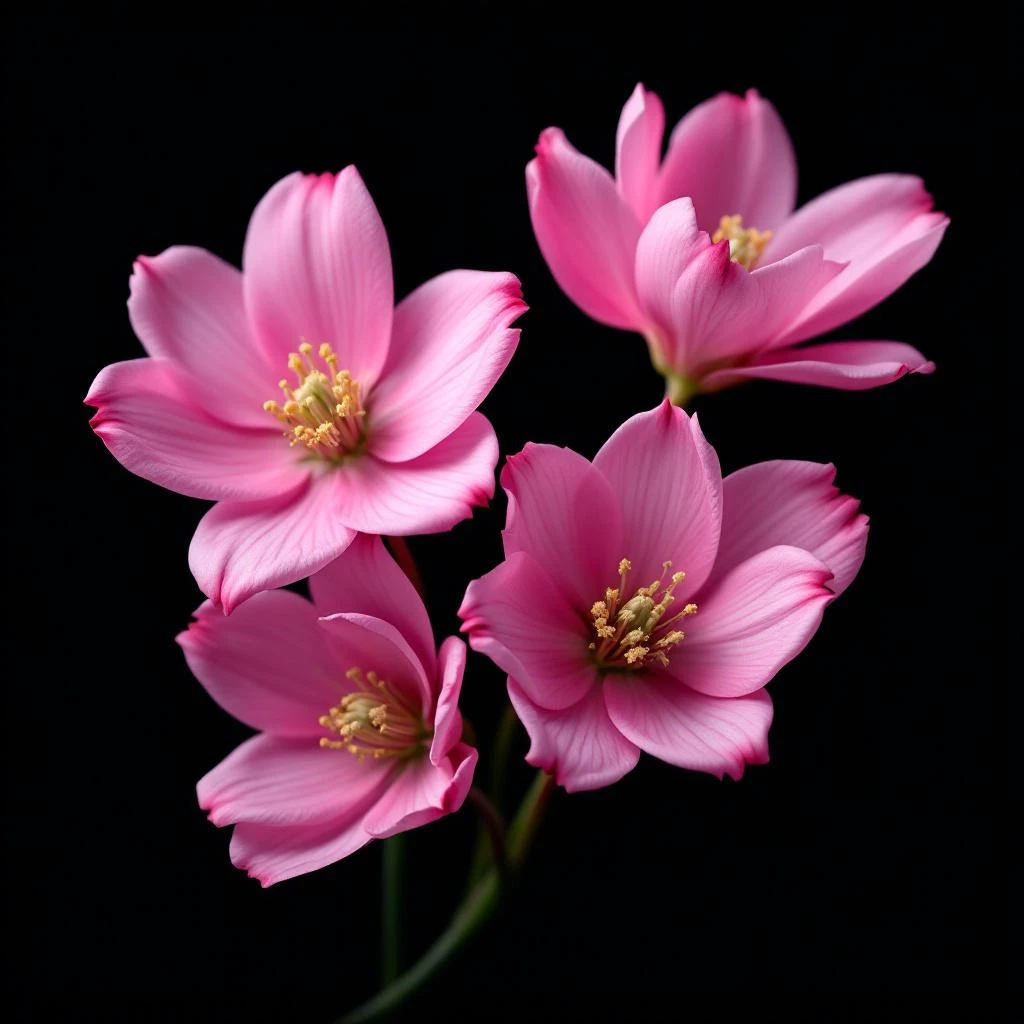
How it smells
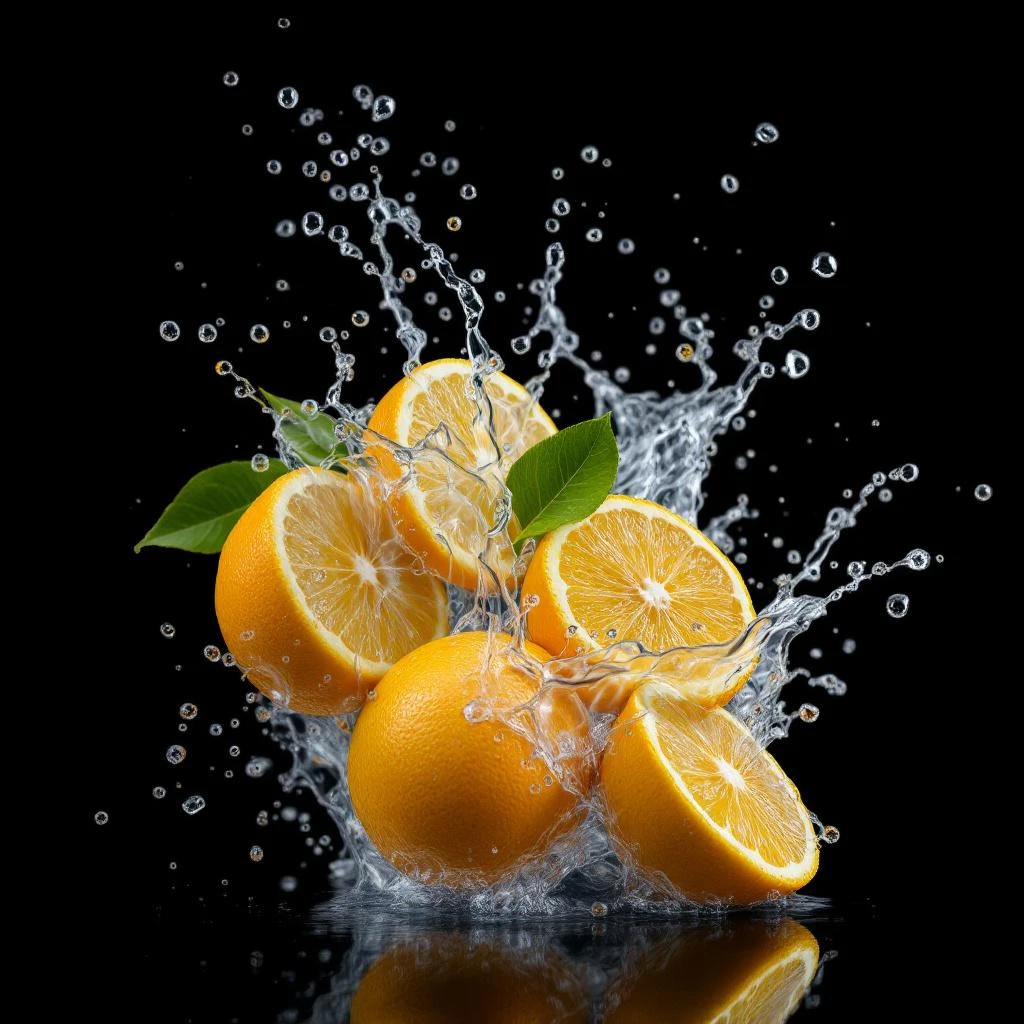
A clear burst of orchard freshness.
Citrus water can contain up to 0.5% of the essential oil’s volatile compounds, letting perfumers layer a whisper of citrus without the intensity of a full‑strength oil.


Origin
Italy
Ancient Egyptians infused citrus peels in wine and oil, creating early scented waters for ritual use. Arab chemists refined distillation in the 9th century, allowing the first true citrus hydrosols to emerge. By the mid‑18th century, Eau de Cologne recipes incorporated citrus water to balance stronger oils, a practice recorded in the 1753 formula of Johann Maria Farina.
The French perfume boom of the late 19th century standardized steam distillation, making citrus water a staple in both fine fragrance and everyday toiletries. Today, natural‑focused houses revive the tradition, using citrus water to add a transparent lift that echoes its historic roots.
Wears it best
Fragrances featuring Citrus Water

Good to know
Questions, answered
The essentials on Citrus Water in perfumery: how it smells, where it comes from, and how it behaves on skin.
What is citrus water?
Citrus water is the aqueous by‑product of steam‑distilling citrus peels. In a 2022 study, the hydrosol retained 0.3 % of limonene, providing a light citrus note without the oil’s potency. It appears as a clear liquid with a subtle, fresh aroma.
How is citrus water produced?
Producers extract citrus zest and run it through a steam‑distillation unit for 45 minutes. The 2021 industry report notes that this process yields roughly 1 L of hydrosol per 10 kg of zest. The resulting liquid is filtered and stored in amber glass to preserve its scent.
Is citrus water a natural ingredient?
Yes, citrus water originates from natural fruit peels without synthetic additives. The 2020 Natural Ingredients Registry lists it as a 100 % plant‑derived material. Its composition includes trace amounts of volatile terpenes such as limonene and citral.
What scent profile does citrus water add to a perfume?
Citrus water contributes a light, watery brightness that lifts top notes. A 2019 sensory analysis recorded a 15 % increase in perceived freshness when citrus water was added to a citrus‑amber blend. The effect is subtle, avoiding the sharpness of pure essential oil.
Can citrus water be used in skin‑care products?
Citrus water is safe for topical use in typical concentrations. The European Cosmetic Ingredient Database cites a maximum usage level of 5 % in leave‑on formulations. Its mild acidity helps balance skin pH while imparting a fresh scent.
How stable is citrus water over time?
Citrus water remains stable for up to 18 months when stored cool and dark. A 2023 stability test showed less than 2 % loss of limonene after 12 months under refrigerated conditions. Oxidation accelerates if exposed to light or heat.
Which classic perfumes feature citrus water?
Citrus water appears in classic Eau de Cologne formulas, providing a gentle citrus lift. The 1753 Farina recipe allocates 10 % of the total volume to citrus water, a proportion still echoed in contemporary recreations.
Is citrus water allergenic?
Citrus water can trigger reactions in individuals sensitive to citrus oils. A 2018 dermatology survey reported a 3 % incidence of mild irritation among test subjects exposed to 2 % citrus water solutions. Patch testing is recommended for sensitive skin.