Cinnamon Crumb
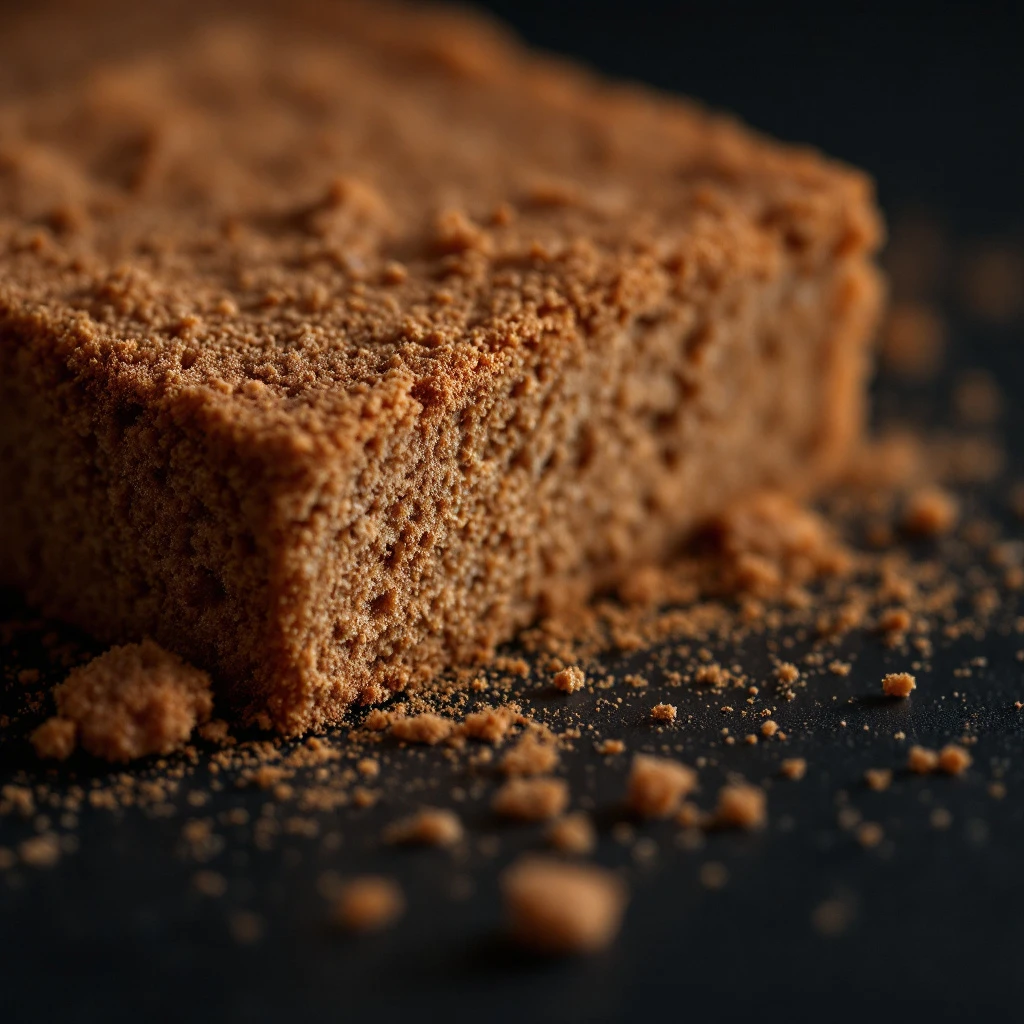
Cinnamon Crumb brings the warm, spiced intensity of ground cinnamon bark to fragrance compositions. Its sweet heat and subtle woody depth create an immediate sense of comfort, anchoring oriental fragrances and lending culinary warmth to spicy constructions.
Character
How it smells
Sweet spice from ancient trade routes.
Cinnamon bark oil contains over 100 identified compounds, yet cinnamaldehyde alone accounts for up to 90% of its character, making it one of perfumery's most distinct single-note ingredients.




Origin
Sri Lanka
Cinnamon ranks among the oldest aromatic materials in human history, appearing in Mesopotamian texts and Egyptian funerary rites before 2000 BCE. Ancient Egyptians prized it for temple rituals and embalming, while Greeks and Romans considered it a luxury item fit for emperors. Nero reportedly burned a year\'s supply at his wife\'s funeral, signaling its extraordinary value.
Medieval Arab traders maintained a profitable monopoly for centuries, spinning fantastical tales about mysterious birds building nests from cinnamon sticks to inflate prices and discourage sourcing attempts. When Portuguese explorers reached Ceylon in 1505, they discovered the actual supply and shattered the spice\'s mystique. The Dutch, then the British, subsequently fought for control of cinnamon production, making it a driver of colonial expansion in South Asia.
By the 19th century, perfumers had established cinnamon as a foundational oriental and spicy note, a position it retains today across classical and contemporary fragrance work.
Wears it best
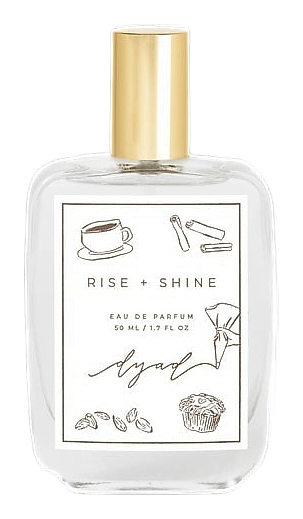
Fragrances featuring Cinnamon Crumb
Brands
Brands known for Cinnamon Crumb
Good to know
Questions, answered
The essentials on Cinnamon Crumb in perfumery: how it smells, where it comes from, and how it behaves on skin.
What does Cinnamon Crumb smell like in fragrance?
Cinnamon Crumb delivers warm, sweet spice with an immediate, sharp opening that softens into a rich, slightly woody drydown. It carries natural sweetness without being sugary, balanced by a subtle camphoraceous brightness that prevents it from becoming flat.
What is the difference between Ceylon and Cassia cinnamon in perfumery?
Ceylon cinnamon, from Sri Lanka, offers a lighter, more refined aroma with delicate citrus and floral undertones. Cassia, from China and Indonesia, is sharper, bolder, and higher in cinnamaldehyde. Most Western perfumery uses Ceylon for its subtlety and Cassia for intensity.
Is Cinnamon Crumb a natural or synthetic ingredient?
Natural Cinnamon Crumb comes from steam-distilled cinnamon bark oil, a well-established aromatic material. Synthetic cinnamaldehyde also exists and mimics the primary note, though it lacks the complex undertone harmonics found in natural bark distillation.
What perfumes feature Cinnamon Crumb as a dominant note?
Warm oriental fragrances and spiced chypres frequently showcase cinnamon. It appears prominently in Ambre Sultan, Tobacolor, and numerous spicy oriental constructions where its warmth anchors drydown phases and adds an inviting, tactile quality.
Which ingredients pair well with Cinnamon Crumb?
Clove, vanilla, tonka bean, benzoin, and labdanum create classic oriental pairings. For fresher contrasts, it combines effectively with citrus top notes, rose, and geranium. In woody bases, sandalwood and cedar amplify its warmth.
Is cinnamon safe to use in fragrance at all concentrations?
IFRA regulations restrict cinnamaldehyde concentration in consumer products due to sensitization concerns. Professional perfumers handle it carefully, typically using it between 0.1% and 2% of final concentrate depending on product type and skin contact level.
What fragrance families use Cinnamon Crumb?
Oriental and spicy families rely most heavily on cinnamon. It also appears in certain chypres, fougeres, and leather bases where warmth and animalic spice are needed. Seasonal winter fragrances and warm-weather Gourmand compositions frequently feature it.
How does cinnamon perform in different fragrance concentrations?
In cologne-strength applications, cinnamon reads as a bright, fleeting top-note spark. In parfum or absolute form, it develops into a persistent, enveloping warmth that can last several hours. Its sillage is moderate to strong, projecting well without overwhelming in properly dosed compositions.