Milk coffee
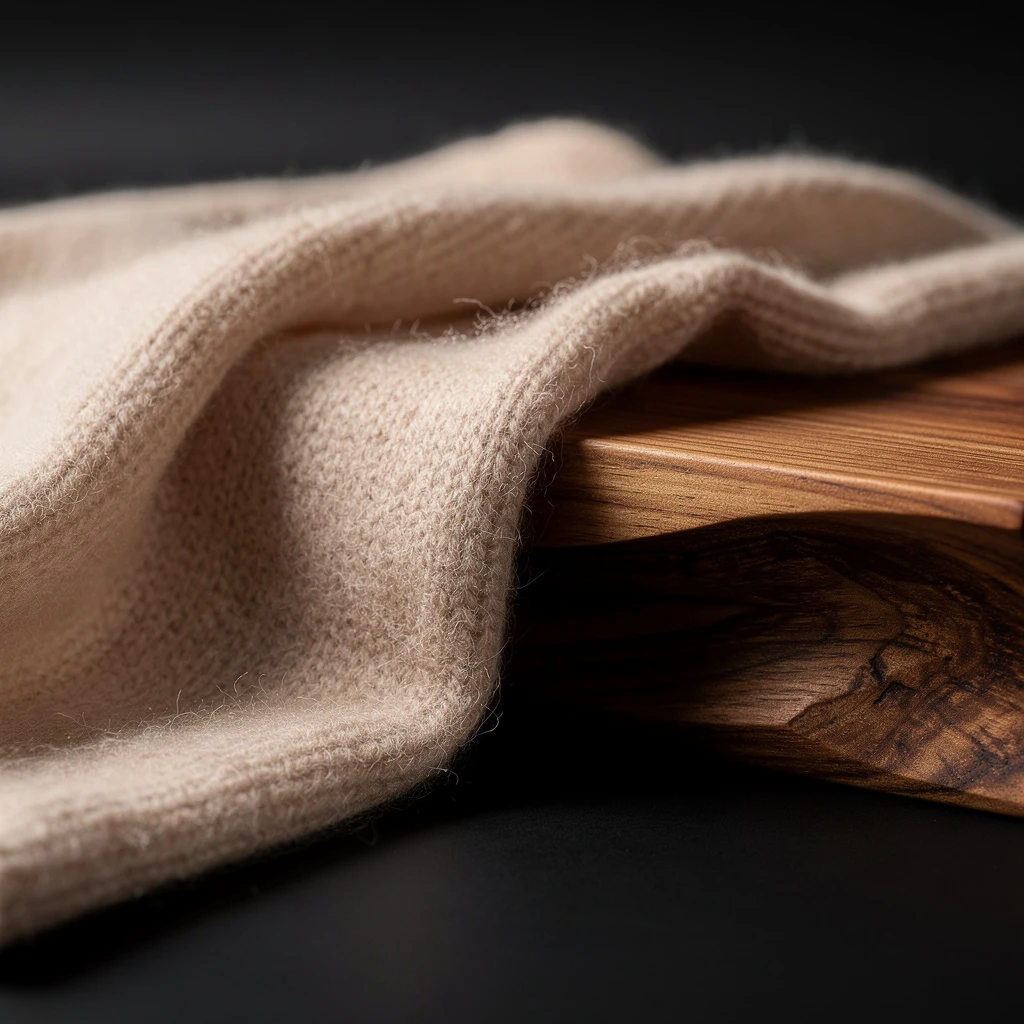
A warm, enveloping accord that marries the deep roasted richness of coffee with soft lactonic creaminess. Milk coffee captures that quiet morning ritual: velvety, intimate, deeply comforting.

Character
How it smells
Coffee's creamy counterpart, soft and sophisticated.
The roasted aroma of coffee comes from the Maillard reaction, the same chemistry that browns bread and sears meat.








Origin
Ethiopia
Coffee entered perfumery gradually, following centuries of use as a beverage and medicinal tonic. The coffee plant originated in Ethiopia, where local legend attributes its discovery to a goat herder named Kaldi, who noticed his flock's energetic behavior after eating red cherries from a particular tree. By the 15th century, Arab traders had established coffee cultivation in Yemen and the Arabian Peninsula.
European traders encountered coffee in the 1600s and brought it back as both a beverage and a luxury commodity. Early perfumers used ground coffee simply as a fixative in sachets and pomanders, recognizing its ability to anchor fleeting floral notes. The notion of coffee as a standalone fragrance note emerged only in the late 20th century, when extraction technology advanced sufficiently to capture its complex aroma profile with fidelity.
The milk coffee variant reflects a broader cultural shift toward comfort-focused perfumery. As consumers sought fragrances that evoked personal rituals and sensory memories, the combination of coffee's alertness with milk's softness found its place. Contemporary milk coffee accords owe their sophistication to perfumers who treat the combination as a nuanced study in temperature and texture rather than a simple sweet addition.
Wears it best
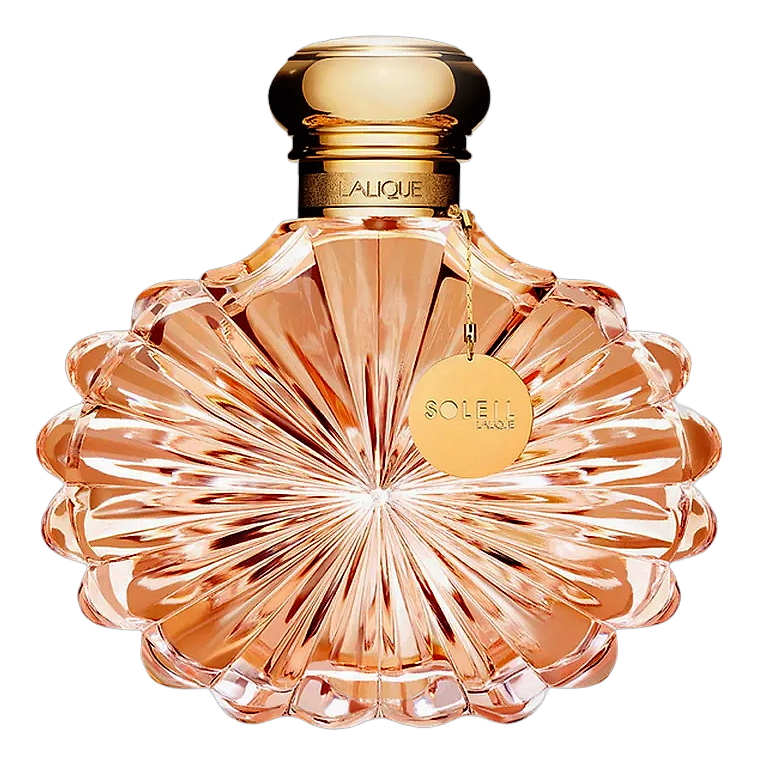
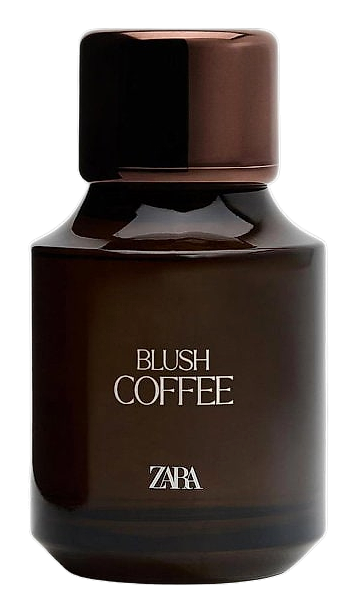
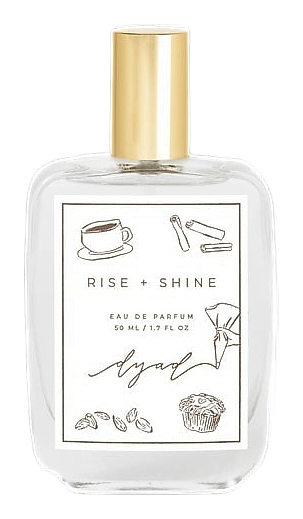
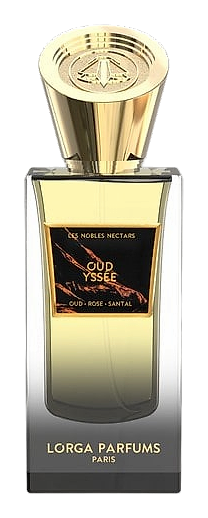
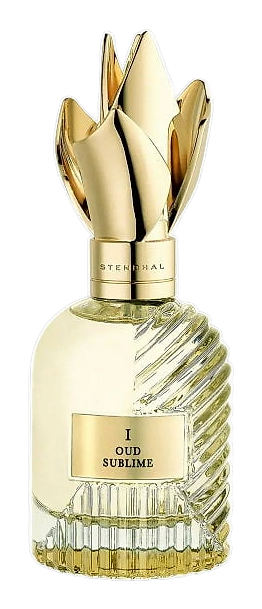
Fragrances featuring Milk coffee

Brands
Brands known for Milk coffee
Good to know
Questions, answered
The essentials on Milk coffee in perfumery: how it smells, where it comes from, and how it behaves on skin.
What does milk coffee smell like in a fragrance?
Milk coffee reads as warm, slightly sweet, and deeply cozy. It blends the roasted, slightly bitter depth of coffee with a soft, creamy sweetness. The result feels like standing near a coffee machine in a quiet kitchen, where steam rises from a cup with a splash of milk.
Is milk coffee a real ingredient or a perfumer's creation?
Milk coffee is an accord, a composed blend rather than a single sourced ingredient. Perfumers combine coffee absolute with lactones and other warm materials to create the effect. No single natural ingredient produces this smell on its own.
Which other fragrance notes pair naturally with milk coffee?
Vanilla is the most common partner, amplifying the sweet creaminess. Tonka and benzoin add warmth and depth. For contrast, bergamot and cardamom lift the blend without overwhelming it. Woody bases like sandalwood ground it beautifully.
What makes milk coffee different from regular coffee notes?
Straight coffee notes focus on roastiness, bitterness, and dark, smoky depth. Milk coffee softens that profile with creamy, lactonic warmth. It reads as more intimate and less aggressive, suited to close-skin fragrances rather than bold sillage pieces.
How does the milk coffee accord work in fragrance composition?
Perfumers use it as either a heart note or a base note depending on concentration. In lower doses, it adds warmth and realism to gourmand structures. In higher concentrations, it becomes the starring element, functioning almost like an edible backdrop.
What chemistry creates the milk coffee smell?
Coffee absolute contains furans, pyrazines, and thiophenes that produce its roasted character. The lactone component provides sweet, coconut-like, buttery qualities. The interplay between these families, guided by the perfumer's hand, produces the milk coffee accord.
Are there cultural variations in how milk coffee is interpreted in perfumery?
Yes. Western market interpretations lean toward lattes and cappuccinos, emphasizing dairy sweetness. Middle Eastern formulations sometimes reference karak chai-style preparations, blending the coffee element with spices. East Asian markets favor sweeter, more condensed milk interpretations.
How should I store a fragrance built around milk coffee?
Keep it away from heat and direct light. The lactone components, while stable, can shift slightly over years of exposure to warmth. A dark closet or drawer preserves the intended balance between creamy softness and coffee depth.