Cinnamon Bun
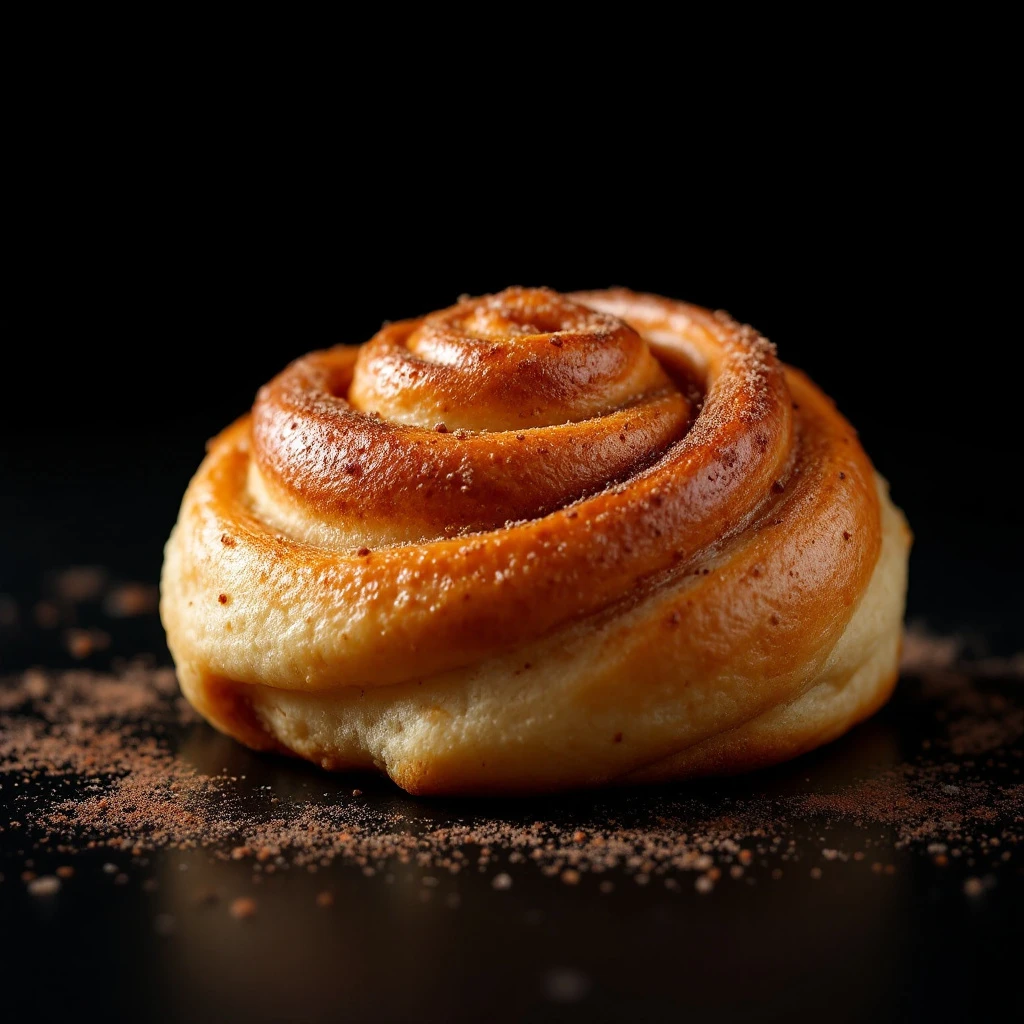
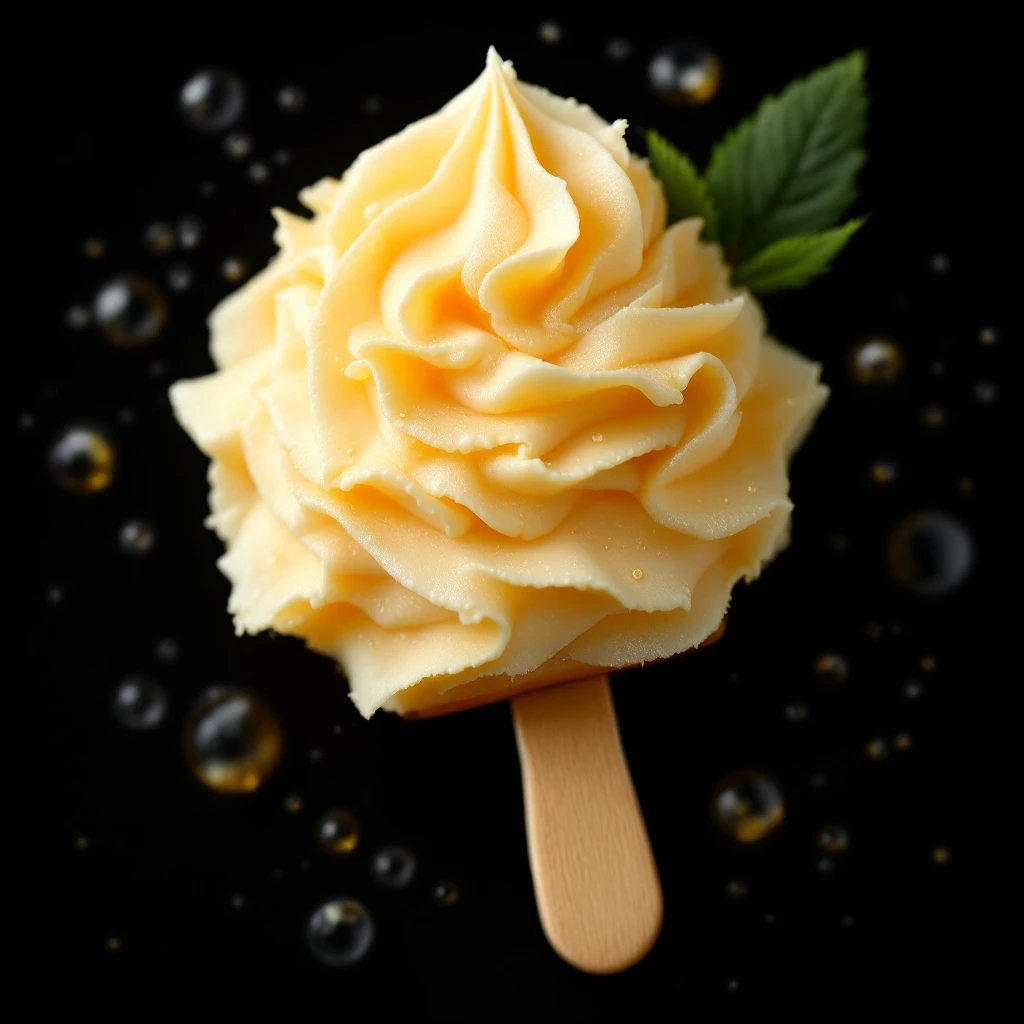
Warm, sweet, and spiced with nostalgia. Cinnamon Bun captures the buttery, sugary warmth of a fresh pastry straight from the oven, anchored by true cinnamon's spicy depth.
Character
How it smells
Bakery warmth in a bottle
Ceylon cinnamon, the finest grade, comes from the inner bark of a tree that must grow for two years before its first harvest, and only the inner bark is used.



Origin
Sri Lanka
Cinnamon ranks among the oldest known spices, with records of its use in China dating back roughly 5,000 years. Ancient Egyptians imported it for embalming rituals and religious ceremonies, and by 500 BCE it had reached the Mediterranean, where it became a luxury rivaling gold. The Greeks and Romans burned cinnamon bark during funer rites and incorporated it into early perfumes, blending it with myrrh and cassia to create rich, spiced oils.
Ceylon cinnamon, Cinnamomum verum, remained a closely guarded trade secret for centuries. Arab traders controlled its export routes, telling European buyers that the spice was harvested from mysterious birds' nests to protect their monopoly. Portuguese explorers broke that hold in the 16th century after reaching Sri Lanka, and the Dutch later seized the trade before ceding control to the British.
In modern perfumery, cinnamon moved from ceremonial incense and classical spice blends to anchoring amber compositions and, more recently, the gourmand fragrances of the 1990s onward, where its warmth found a natural home alongside vanilla and sugar accords.
Wears it best
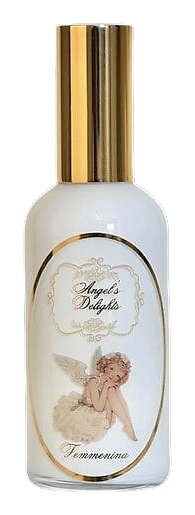
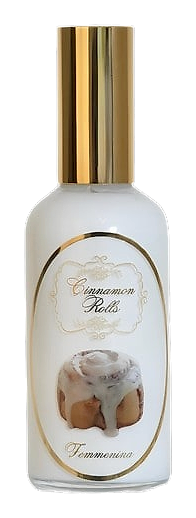
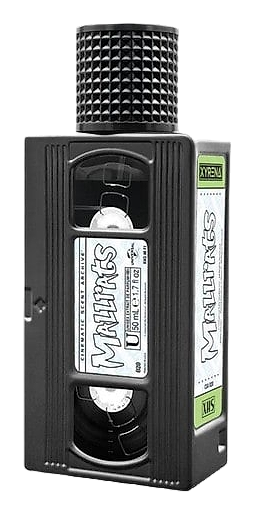
Fragrances featuring Cinnamon Bun
Good to know
Questions, answered
The essentials on Cinnamon Bun in perfumery: how it smells, where it comes from, and how it behaves on skin.
Is cinnamon in perfume safe for skin?
Yes, when properly diluted. Ceylon cinnamon bark oil contains low coumarin levels compared to cassia, making it a safer choice for skin contact in fragrance concentrations under 0.05% for leave-on products.
What does cinnamon smell like in perfume?
Warm, spicy, and sweet with woody undertones. True cinnamon (Cinnamomum verum) offers a refined sweetness, while cassia tends to be sharper and more pungent with a metallic edge.
What is the difference between Ceylon cinnamon and cassia?
Ceylon cinnamon (Cinnamomum verum) has thin, layered bark and low coumarin content, making it ideal for perfumery. Cassia (Cinnamomum cassia) is thicker, stronger, and higher in coumarin, a liver toxin in large doses.
Where does cinnamon come from?
Cinnamomum verum is endemic to Sri Lanka, where it has been cultivated for centuries. The plant requires a tropical climate with rich soil and consistent rainfall to produce its prized inner bark.
Is cinnamon a base or top note?
Cinnamon is classified as a middle-to-base note. Its cinnamaldehyde molecules give it moderate longevity, typically lasting 4-6 hours on skin depending on the concentration and supporting ingredients.
How is cinnamon oil extracted for perfume?
Cinnamon bark oil is produced through steam distillation. The dried inner bark is placed in a still where pressurized steam passes through, releasing volatile aromatic compounds that are then condensed and separated.
What fragrances pair well with cinnamon?
Cinnamon pairs naturally with vanilla, orange, clove, and benzoin for warm spicy compositions. It also complements rose and sandalwood in oriental fragrances, adding heat without overwhelming floral or woody notes.
Why is cinnamon so expensive compared to other spices?
True Ceylon cinnamon requires skilled hand-peeling of young tree bark, and each tree produces only a small amount of usable inner bark per harvest. The labor-intensive process has kept prices high for centuries.





