Frosting
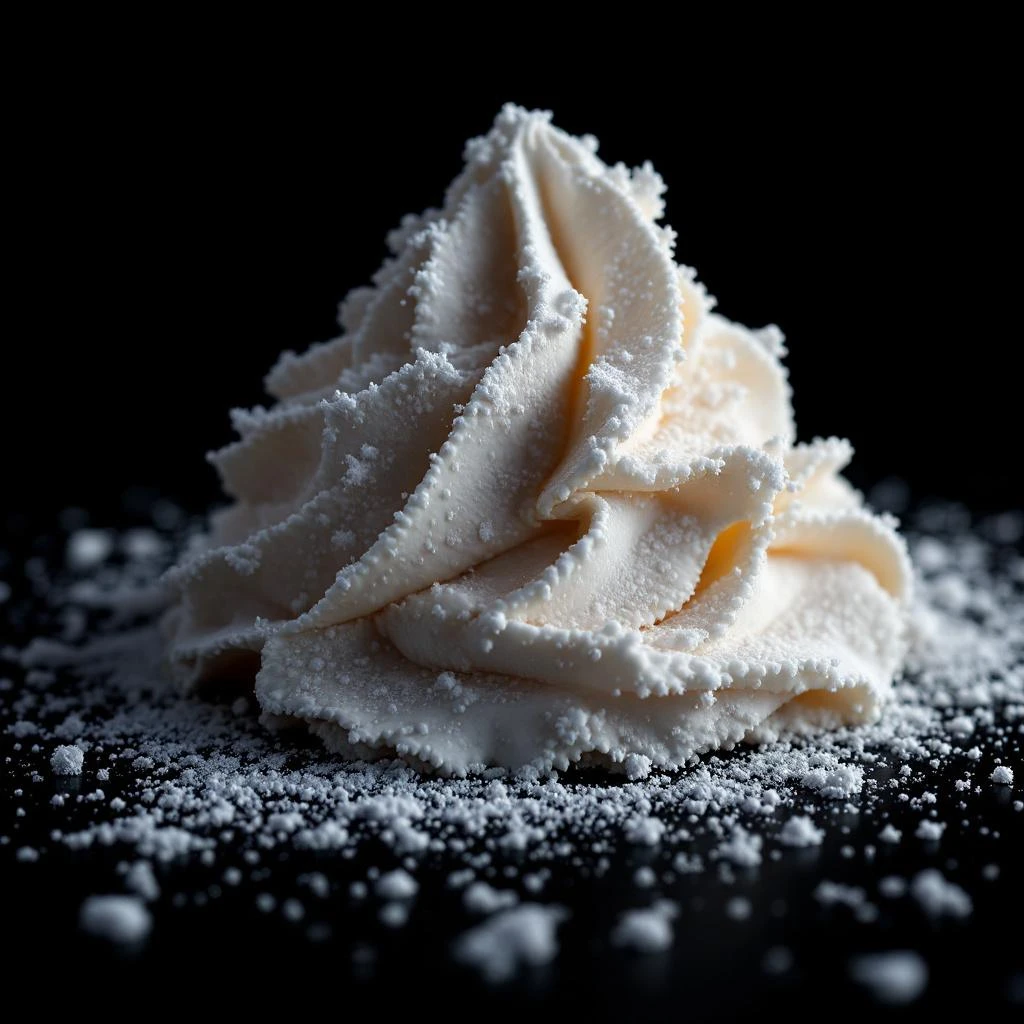
Frosting in perfumery describes an aromatic effect that evokes the cool, sweet sensation of crystalline sweetness. It combines aldehydic sparkle with powdery musks and often includes white amber or isobornyl acetate to create a sensation reminiscent of cold air on sweet skin. This effect adds luminous softness to gourmand and floral compositions.
Character
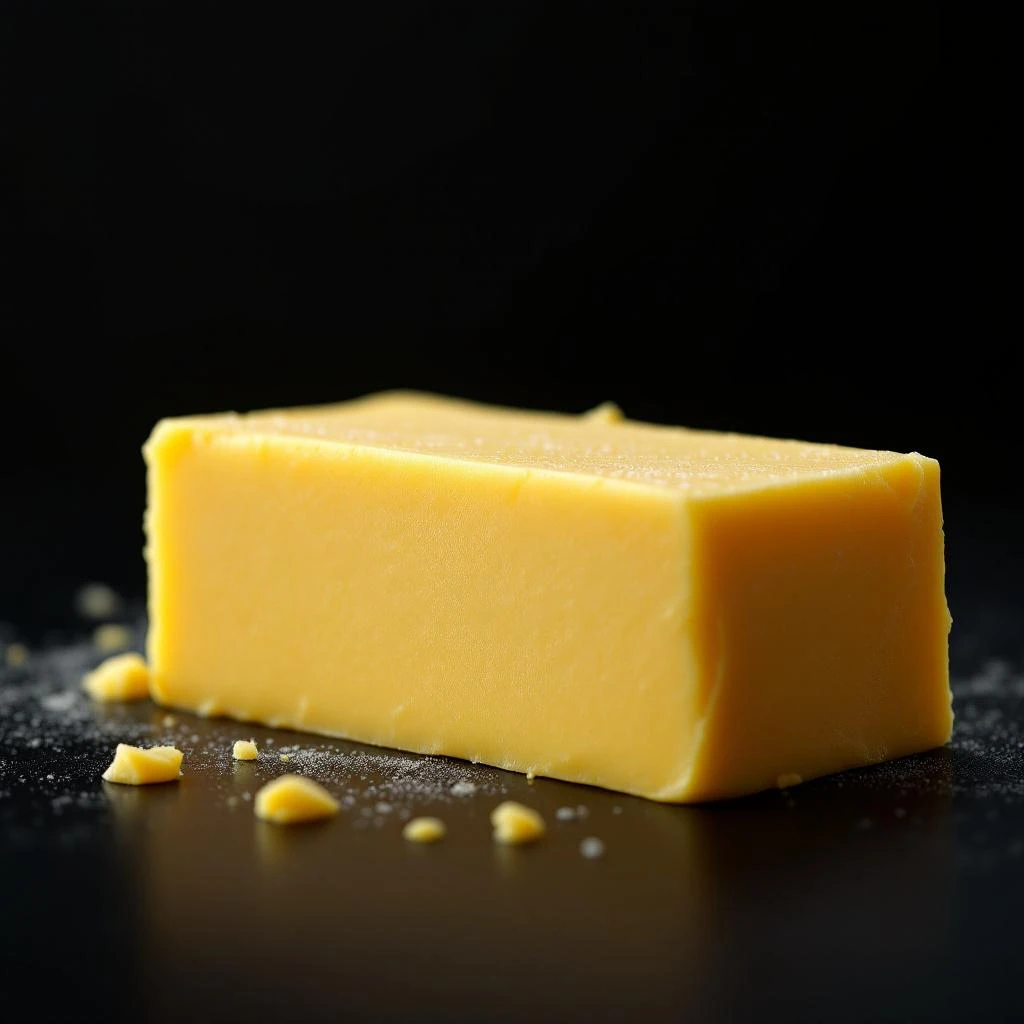
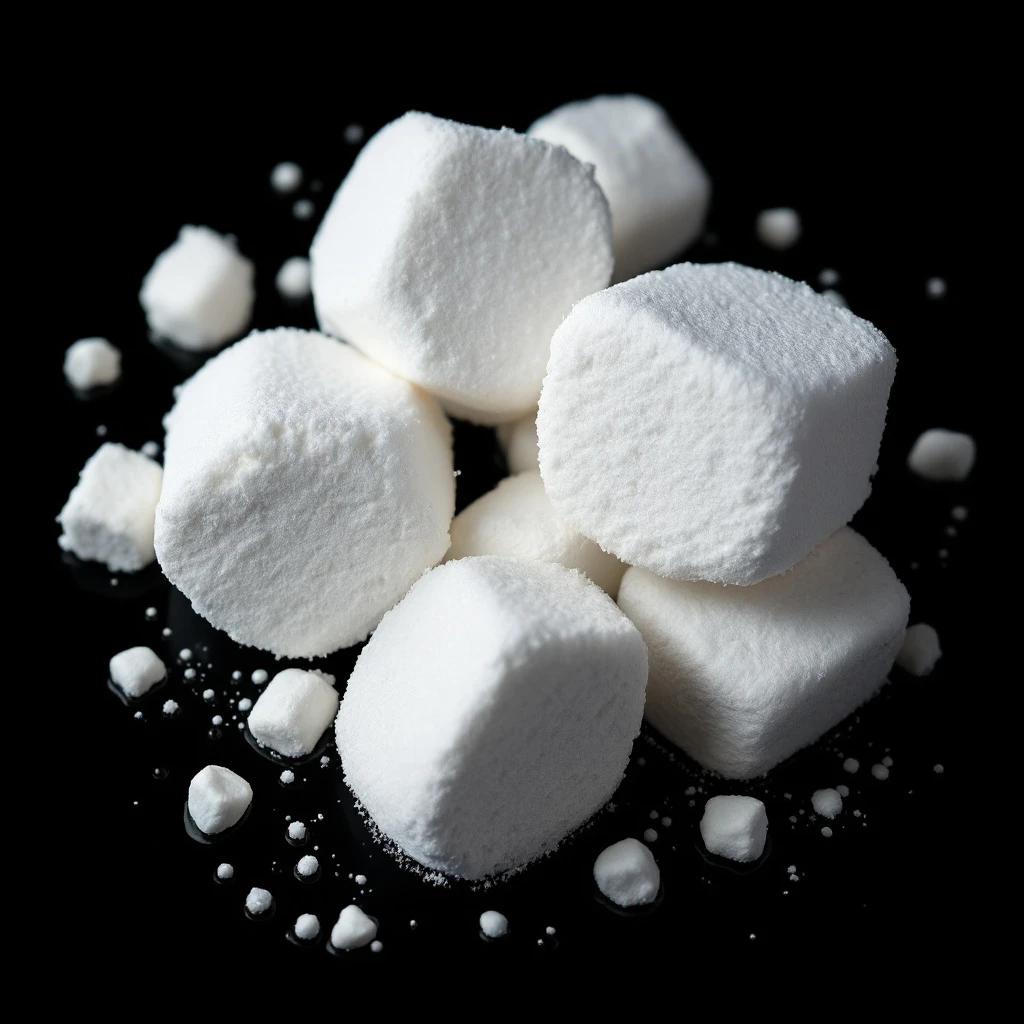
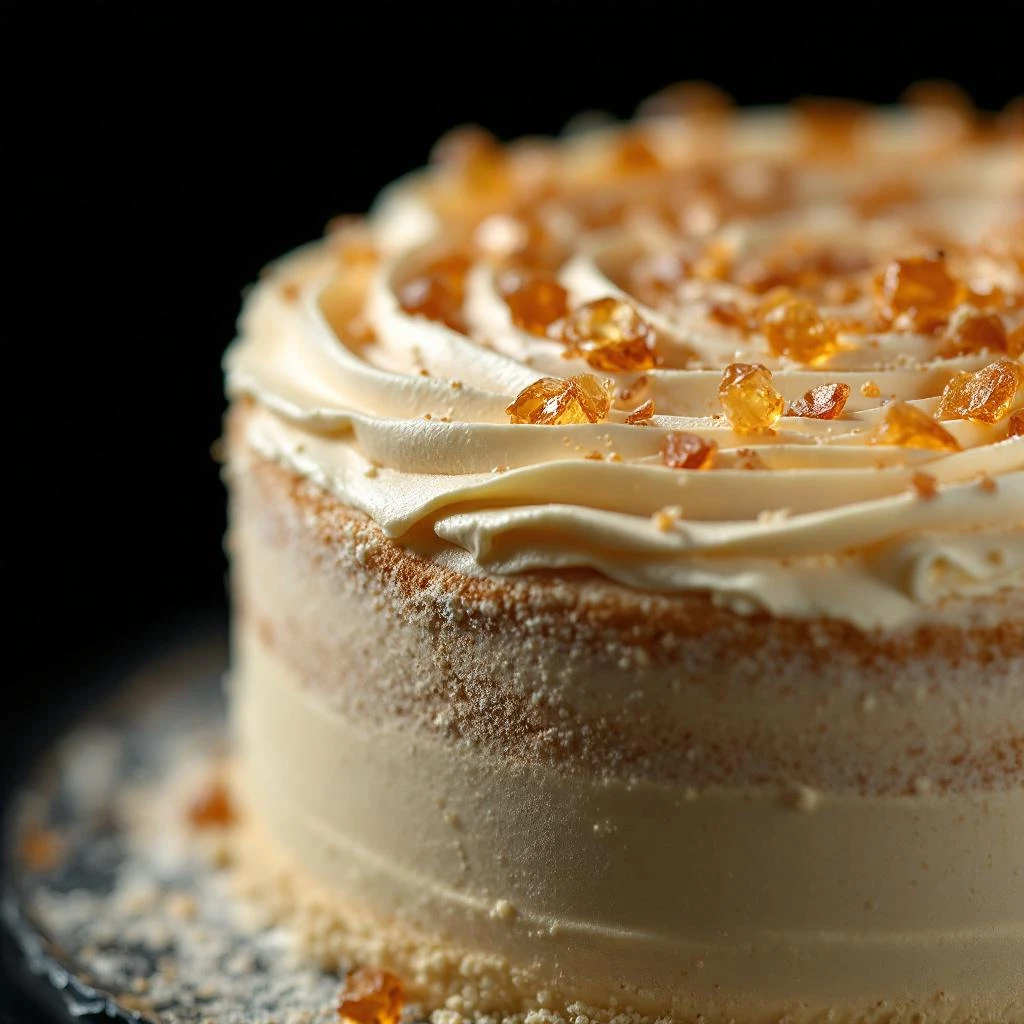
How it smells
The cool shimmer of sweet air on skin, captured in a bottle.
The 'frosted' effect in perfumery traces back to Chanel No. 5's groundbreaking use of aldehydes in 1921, revolutionizing how perfumers could create cool, sparkling sensations previously unknown in fragrance.



Origin
United States
The concept of frosting in fragrance emerged from the aldehydic revolution of early 20th-century perfumery. When Ernest Beaux created Chanel No. 5 in 1921, his innovative use of aliphatic aldehydes introduced a cold, sparkling quality previously unseen in perfume.
This breakthrough opened new creative territory for perfumers, who began exploring how cool, crystalline materials could evoke specific sensory experiences. Throughout the 20th century, perfumers experimented with synthetic compounds like calone, discovered by Pfizer chemists in 1966, to enhance these frost-like effects. The gourmand fragrance movement of the 1990s further evolved the concept, combining traditional aldehydic techniques with sweet notes to create edible, frost-touched compositions.
Today, frosting remains a signature effect in both classic and contemporary perfumery, valued for its ability to add luminosity and a distinctive cool-sweet character to fragrance compositions.
Wears it best
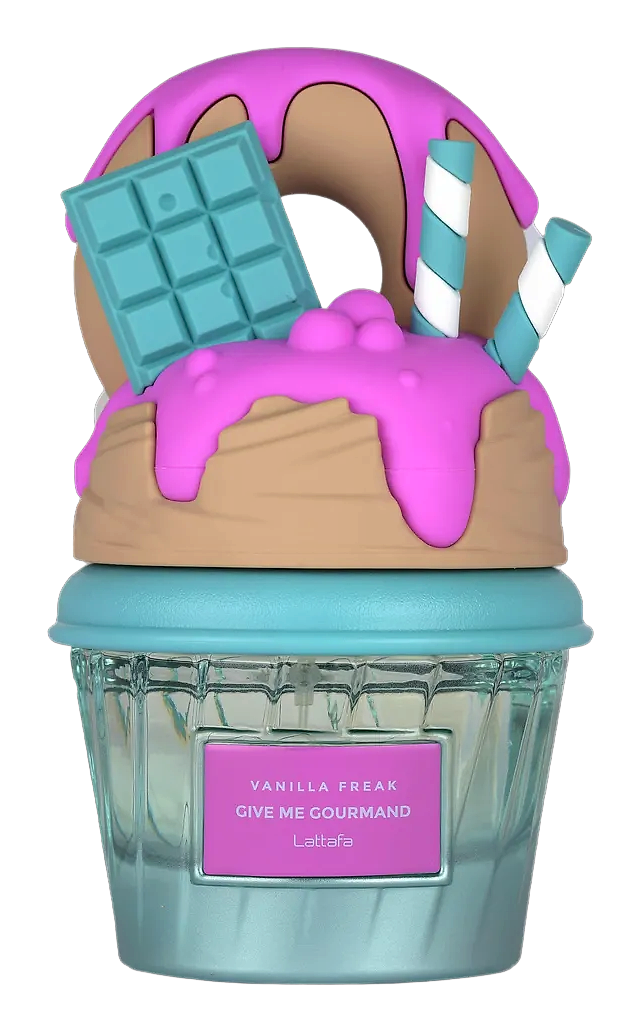
Fragrances featuring Frosting
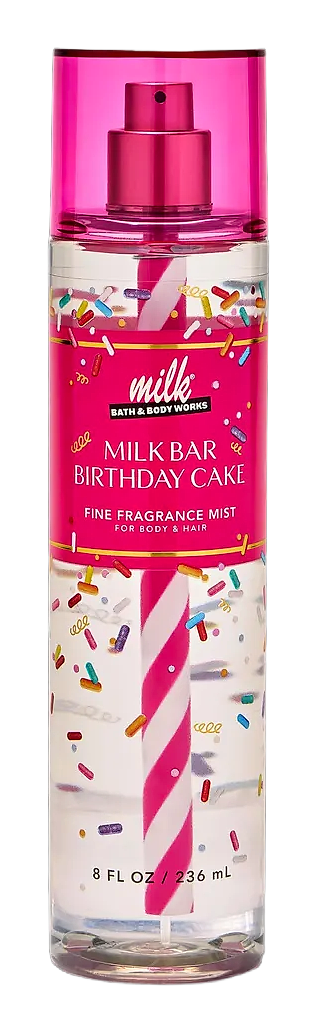
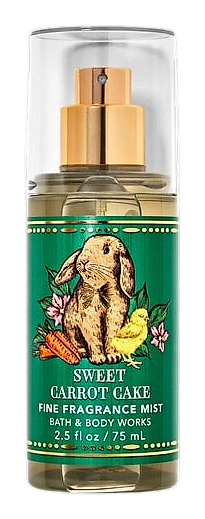
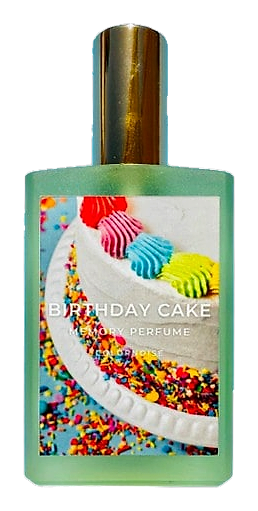
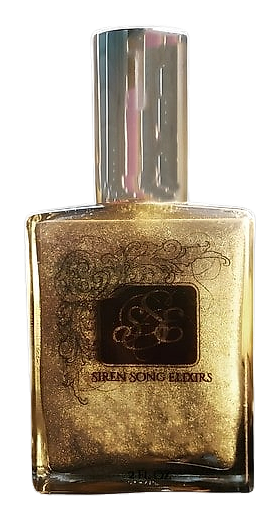
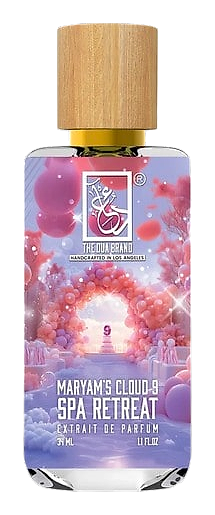
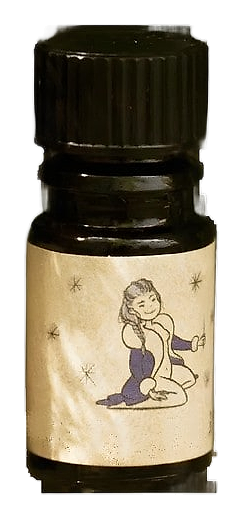
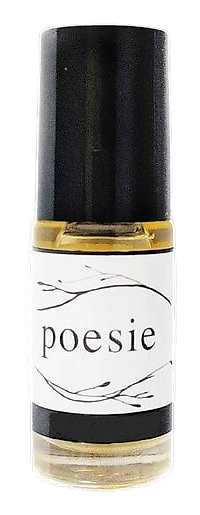
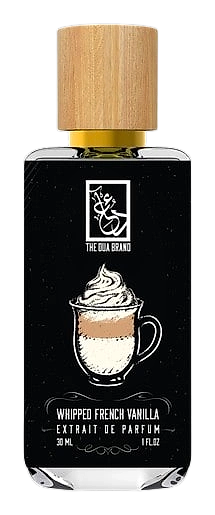
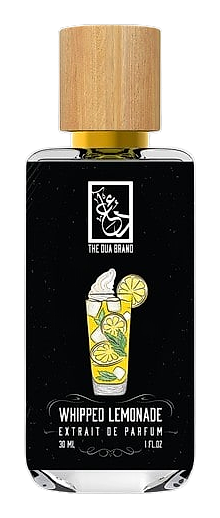
Brands
Brands known for Frosting
Good to know
Questions, answered
The essentials on Frosting in perfumery: how it smells, where it comes from, and how it behaves on skin.
What does Frosting smell like in perfume?
Frosting in perfume creates a cool, sparkling sweetness with luminous, powdery undertones. The effect combines the crispness of cold air with soft vanilla or confectionary warmth. Aldehydic frost notes add a champagne-like sparkle, while white musks provide a clean, skin-like softness that lingers gently.
Why is Frosting used in perfumery?
Frosting effects add luminous softness and cool contrast to fragrance compositions. Perfumers use these accords to create balance in sweet gourmand scents, providing a refreshing counterpoint to rich vanilla or edible notes. Approximately 15-20% of modern designer fragrances contain aldehydic or frosted elements in their formula.
Is Frosting in perfume natural or synthetic?
Frosting effects in perfume are primarily synthetic, constructed from lab-created materials like aliphatic aldehydes, calone, and white musk compounds. These materials were developed in the 20th century after advances in organic chemistry allowed perfumers to recreate and enhance cool, crystalline aromatic sensations that had no direct natural equivalent.
What famous perfumes contain Frosting?
Frosting-like effects appear in several iconic fragrances, including Chanel No. 5 (which pioneered aldehydic frost in 1921), Dior Miss Dior (launched 1947), and more recently, Byredo Gypsy Water (2008). These compositions utilize aldehydes and cool musk combinations to achieve their signature frosted character.
Is Frosting a top note, heart note, or base note?
Frosting effects typically function as a heart-to-base note element due to the lasting nature of aldehydes and white musks. Aldehydes can project strongly in the opening minutes, but the soft, powdery frost quality remains present for 2-4 hours on skin, making this effect most recognizable in the fragrance's middle and dry-down phases.
What notes pair well with Frosting in perfume?
Frosting pairs naturally with sweet gourmand materials like vanilla, tonka bean, and benzoin, which balance its cool quality with warmth. Florals such as jasmine and iris complement the powdery aspects, while woody notes including sandalwood and cedar provide grounding contrast. This versatility explains why frosted accords appear across diverse fragrance families.
How is Frosting extracted?
Frosting is not extracted from a single botanical source but constructed as a perfumery accord. Key materials like aliphatic aldehydes are synthesized through organic chemical reactions, while calone is produced via multi-step pharmaceutical-grade synthesis. Perfumers blend these materials, typically at concentrations under 10%, to achieve the characteristic cool-sweet effect.
Is Frosting used in men's or women's fragrances?
Frosting effects appear across both men's and women's fragrances without strong gender association. In men's scents, frosted aldehydic qualities often appear in fougere and aromatic compositions, while in women's fragrances, frosting commonly supports floral and gourmand creations. Over 35% of unisex fragrances launched between 2015-2020 incorporated some form of frosted accord.