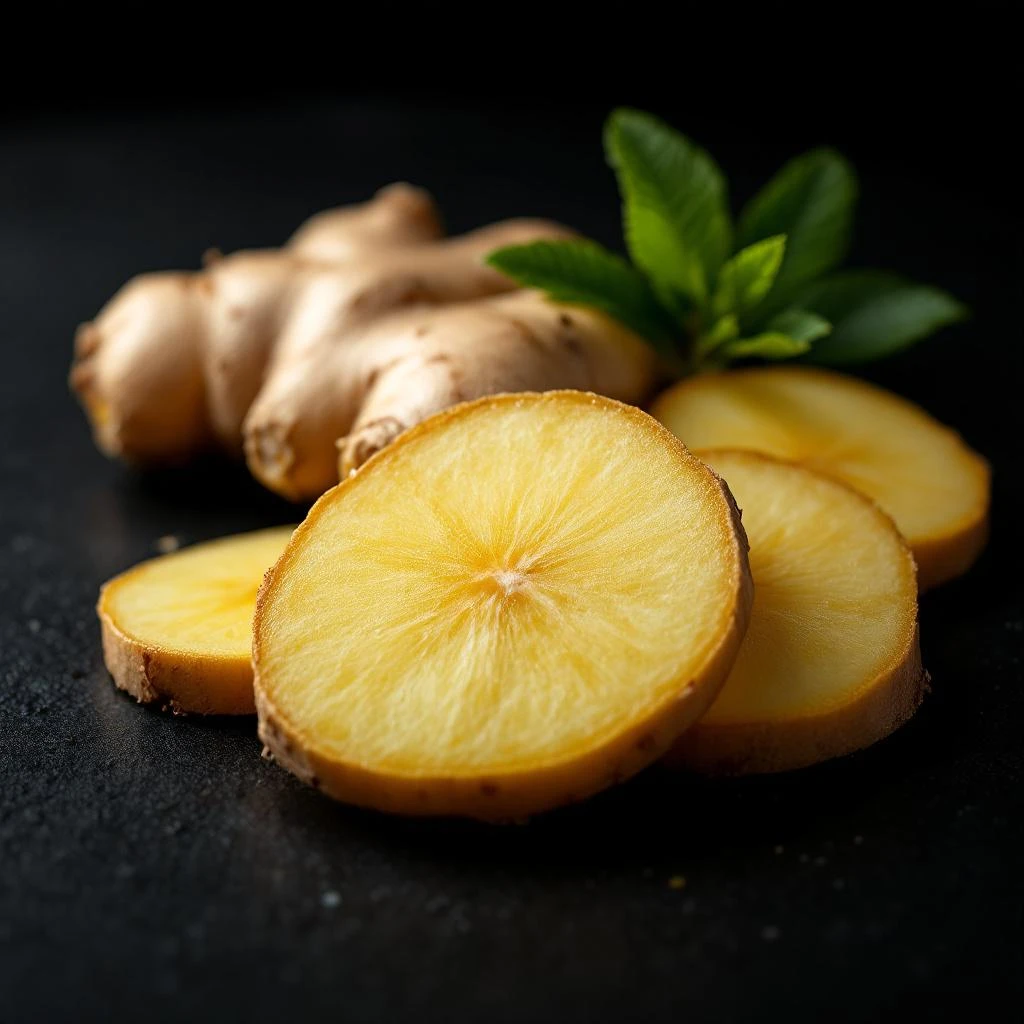
Chutney
Chutney-inspired fragrance accords blend warm spices, cooked fruits, and tangy vinegar notes into rich, complex compositions that evoke South Asian culinary traditions.
Character
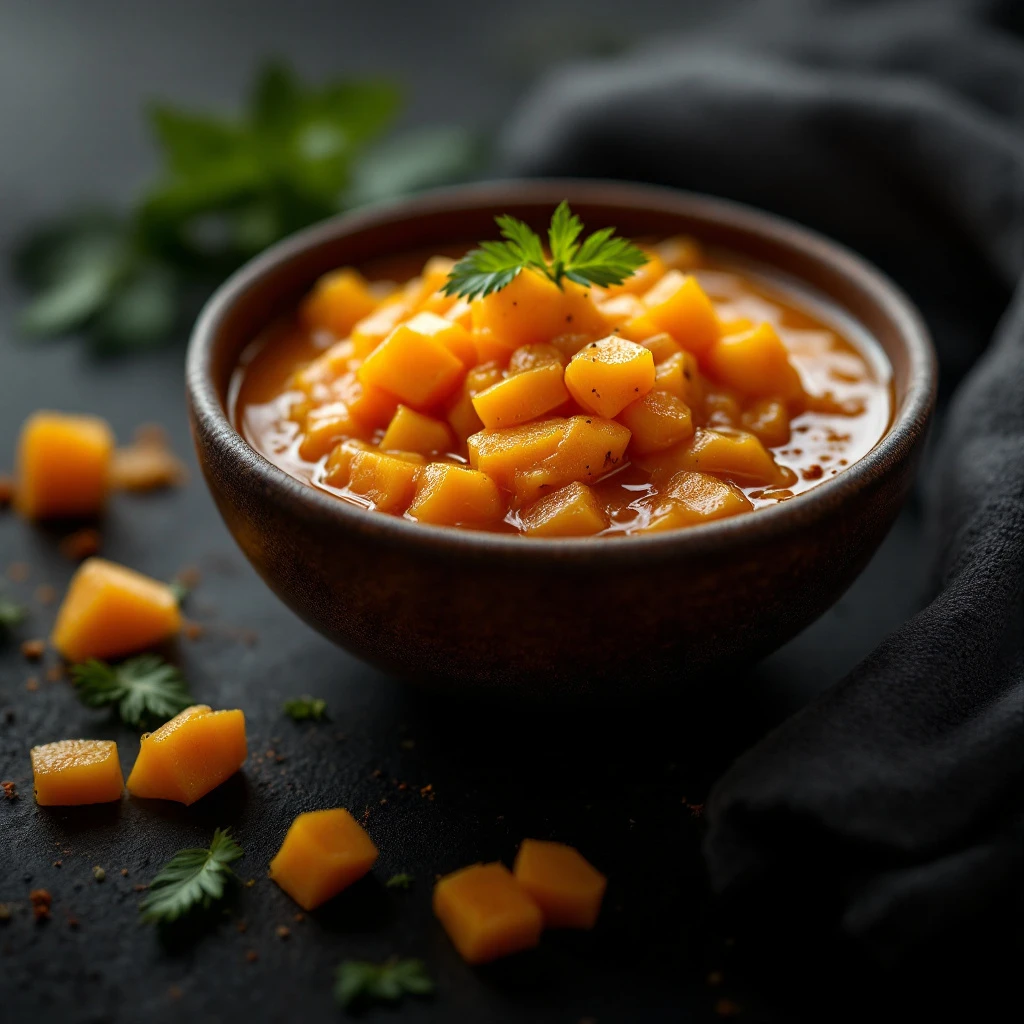
How it smells
A bold, aromatic fusion of spices and preserved fruits.
No single chutney note exists. Instead, perfumers build complex accords from multiple ingredients, combining fruit absolutes, warm spices, and vinegar-like tang.






Origin
India
Chutney in perfumery represents a modern intersection of culinary and aromatic arts. The spices and aromatics central to chutney-making have ancient roots in South Asian and Middle Eastern trade, where cardamom, cumin, and cinnamon moved along the same routes that supplied early perfumers. Moghul India and Arabian Peninsula perfumers worked with many of these same ingredients, though they never named a specific "chutney" note.
Contemporary fragrance development has embraced cross-cultural inspiration more openly. Western perfumers began exploring South Asian culinary aromatics more actively in the late twentieth century, drawing from the vibrant spice markets and food traditions of India, Pakistan, and surrounding regions to create innovative fragrance accords that capture the essence of chutney.
Wears it best
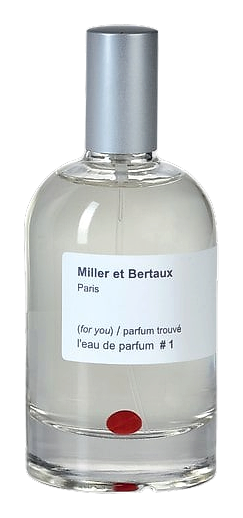
Fragrances featuring Chutney
Brands
Brands known for Chutney
Good to know
Questions, answered
The essentials on Chutney in perfumery: how it smells, where it comes from, and how it behaves on skin.
Is Chutney an actual fragrance ingredient?
No. Chutney is not a single extracted ingredient. It describes a type of fragrance accord that captures the aromatic profile of the condiment, combining fruit, spice, vinegar, and sugar notes.
What does a chutney-inspired fragrance smell like?
It combines warm spices like cardamom and cumin with cooked or preserved fruits, balanced by a vinegar-like tang and caramelized sweetness. The effect is complex, bold, and savory-sweet.
Which ingredients create the chutney accord in perfumery?
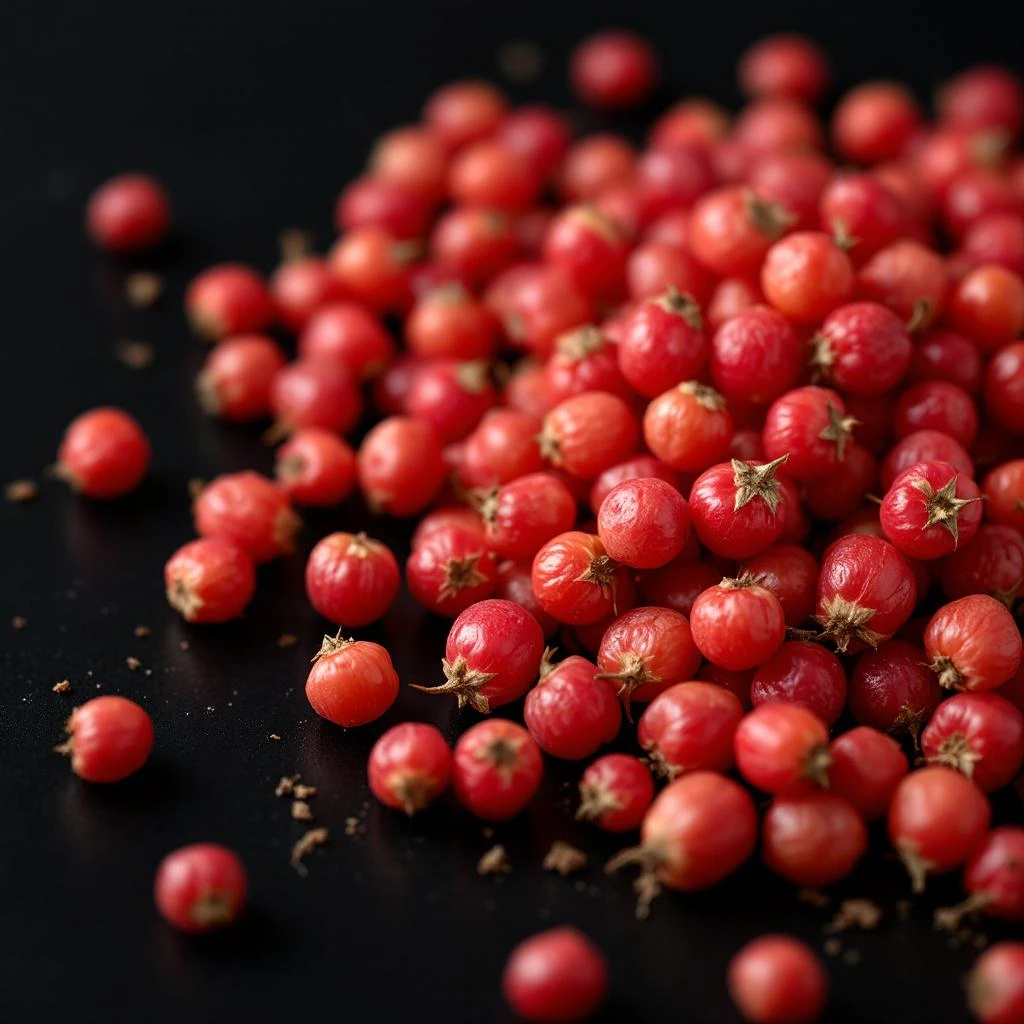
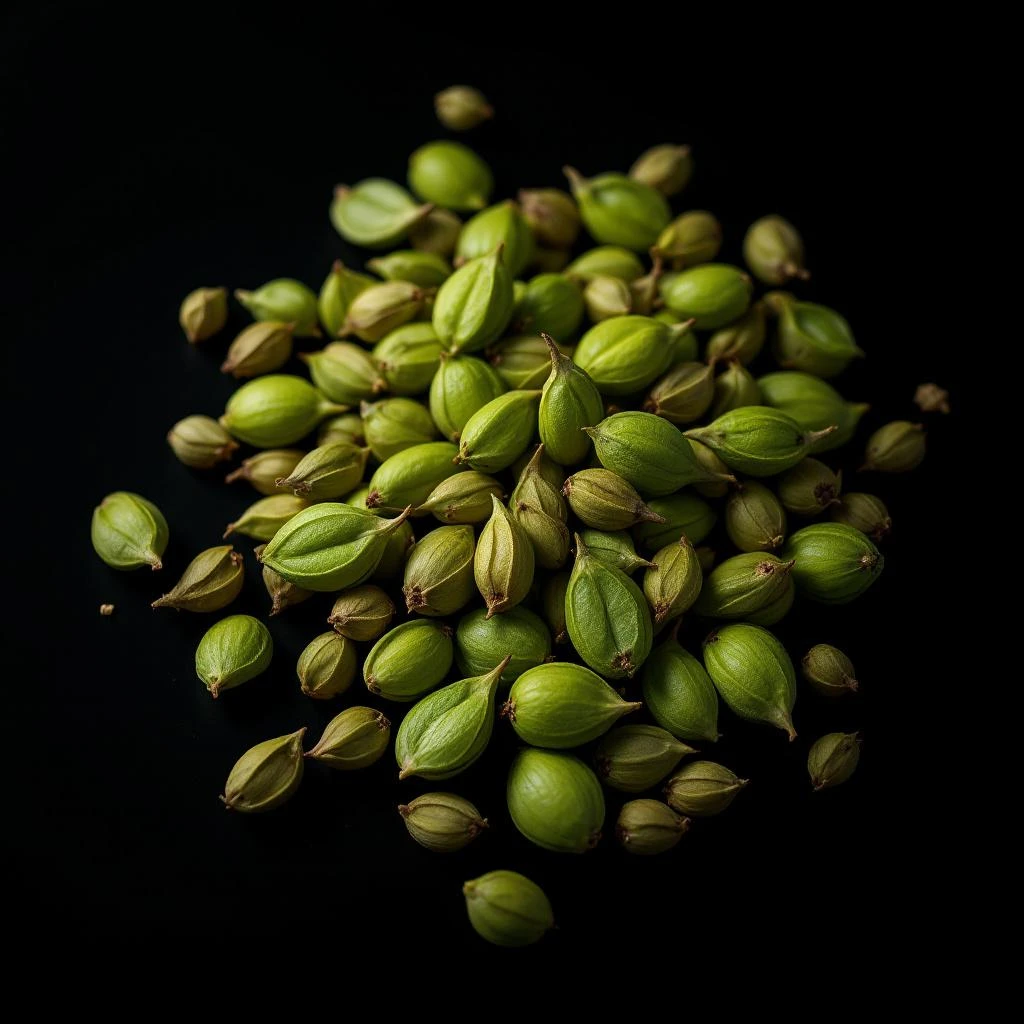
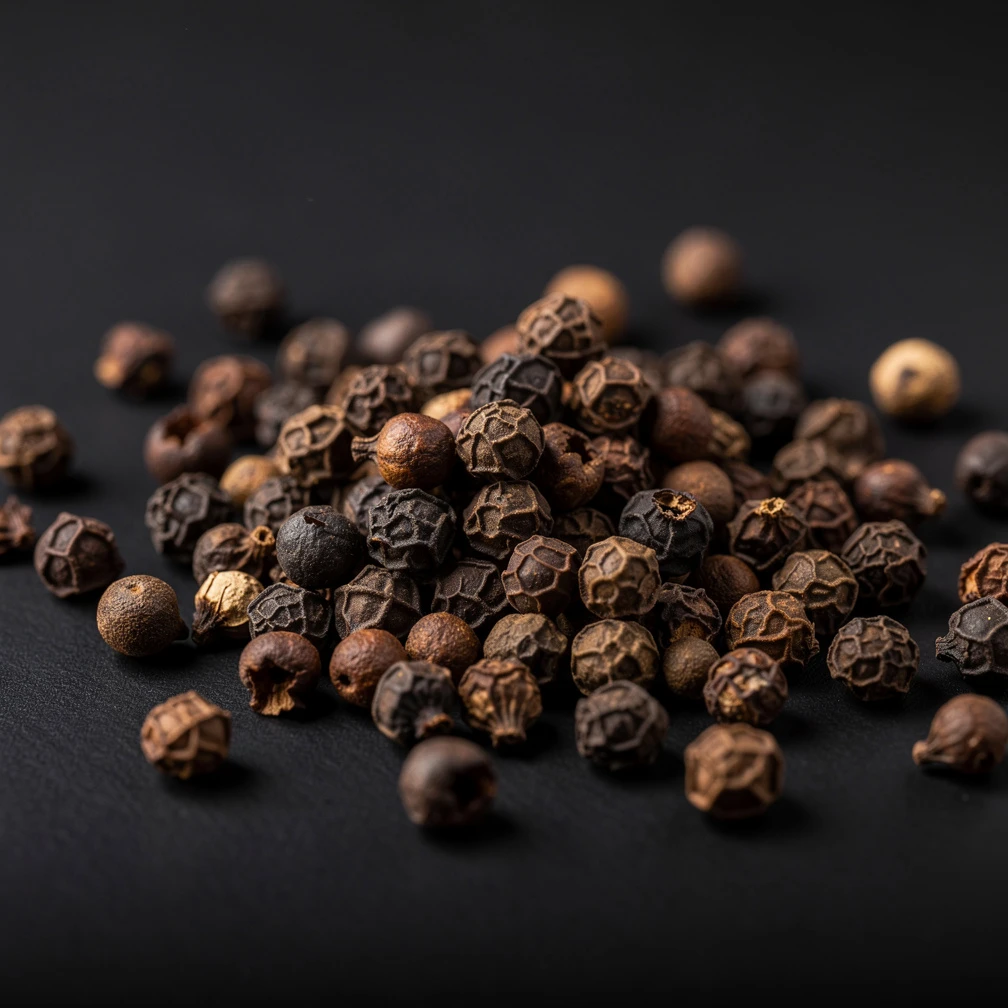
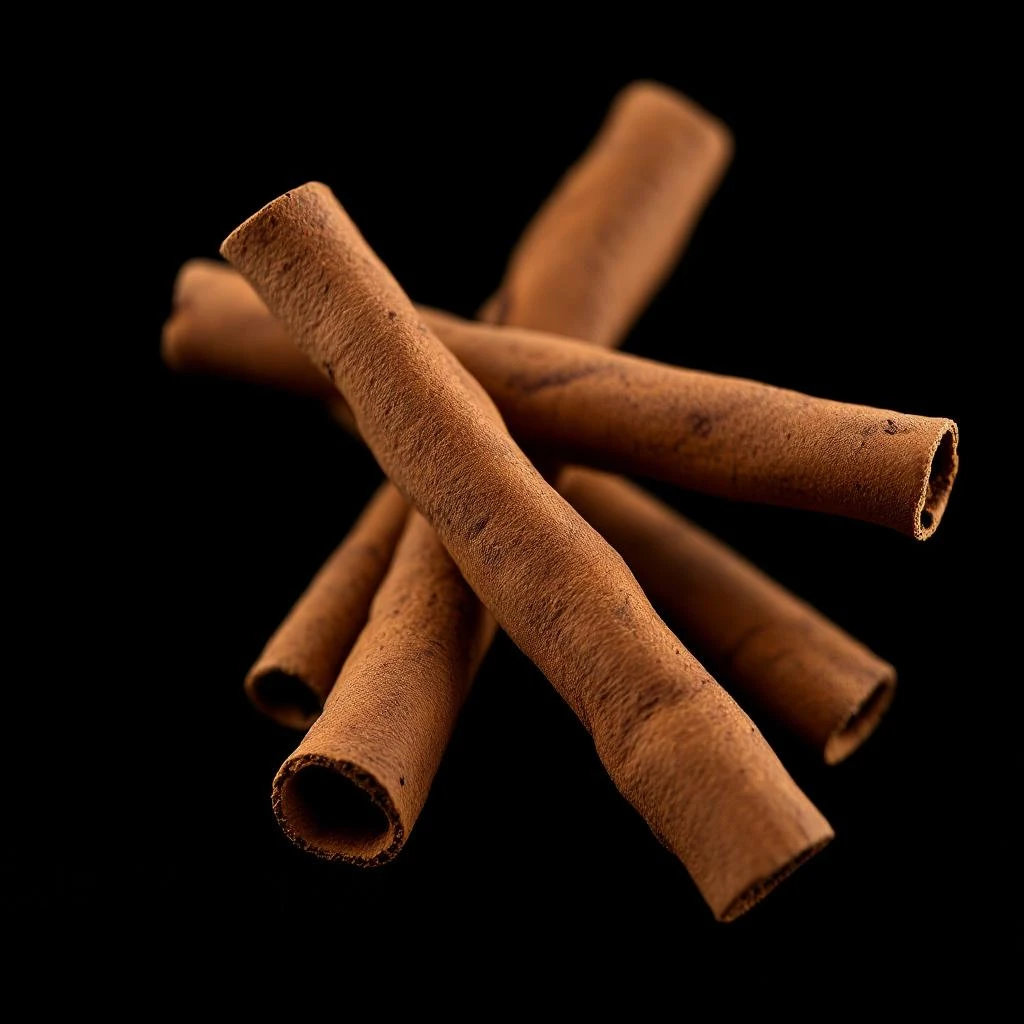
Perfumers combine fruit absolutes, essential oils, and aroma chemicals. Common materials include mango absolute, tamarind, cardamom, cumin, coriander, cinnamon, and synthetics for vinegar and caramelized sugar notes.
Where does the chutney accord fit in fragrance families?
It aligns with oriental and spicy families. These bold, aromatic compositions work as accent notes in complex fragrances rather than as standalone scents.
What fragrance families pair well with chutney notes?
Oriental, spicy, and woody fragrances complement chutney accords. Warm amber, sandalwood, and vanilla notes harmonize with the fruit and spice elements.
How should chutney-inspired fragrances be used?
These bold, aromatic scents suit evening wear and cooler seasons. They perform well in body products and home fragrances. Lighter applications prevent overpowering in professional settings.
Which regions influence chutney-style perfumery?
South Asian culinary traditions form the primary inspiration. Ingredients trace to India, Pakistan, and surrounding regions where fruit preserves and spice blends define local flavors.
Are synthetic or natural materials used in chutney accords?
Both. Natural essential oils and absolutes provide authentic spice and fruit characters. Synthetics replicate vinegar tang and cooked fruit notes with consistency and stability.