Chicory
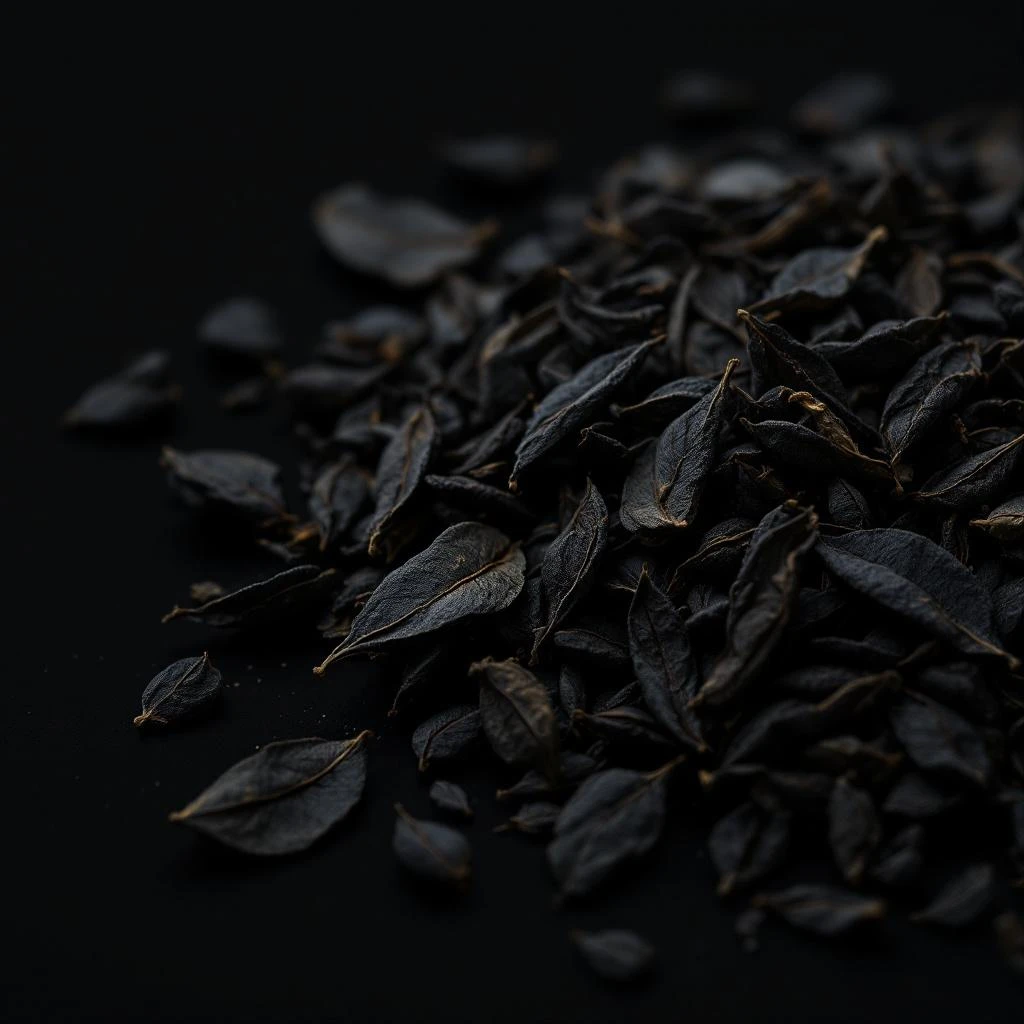
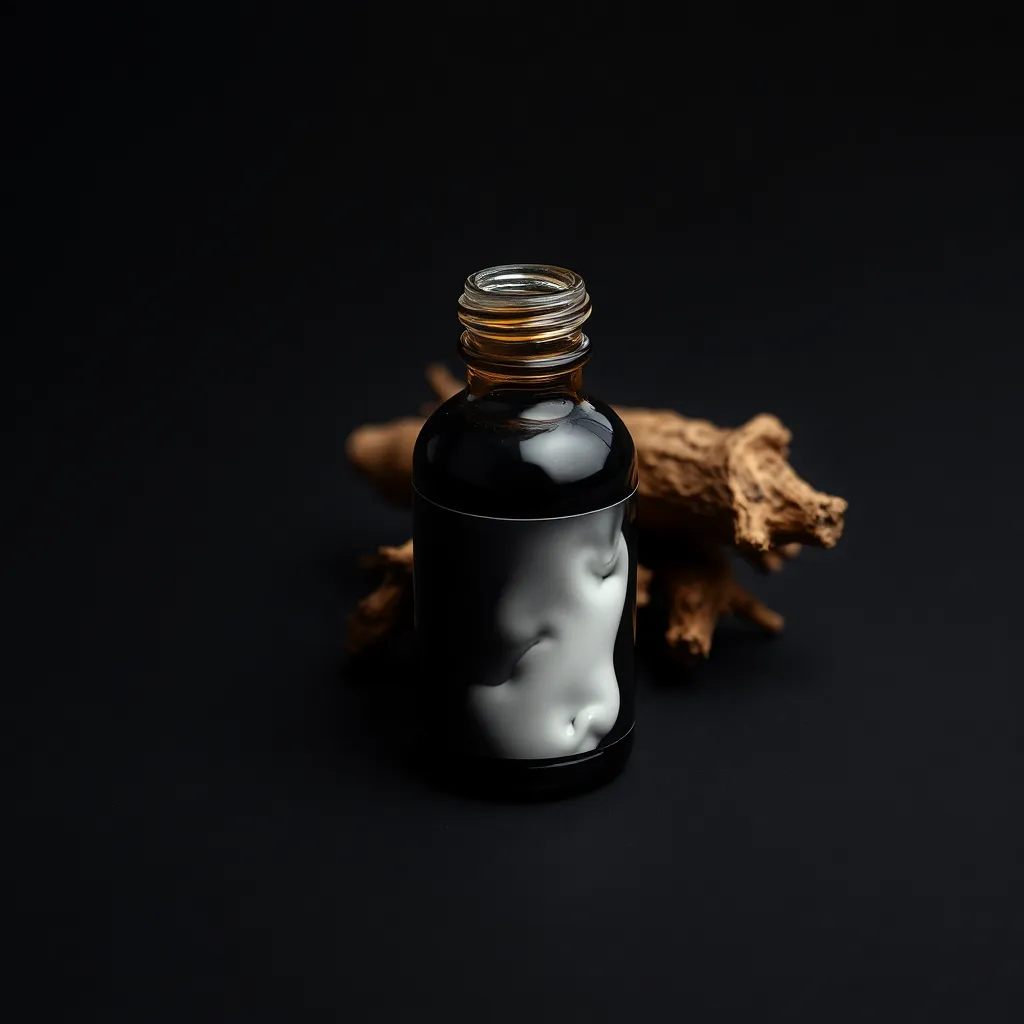
Chicory root brings an earthy, roasted depth to fragrance compositions. Its bitter-herbal character adds unexpected complexity, evoking sun-warmed fields and the quiet depth of underground roots.
Character
How it smells
Earthy root with roasted, bitter depth.
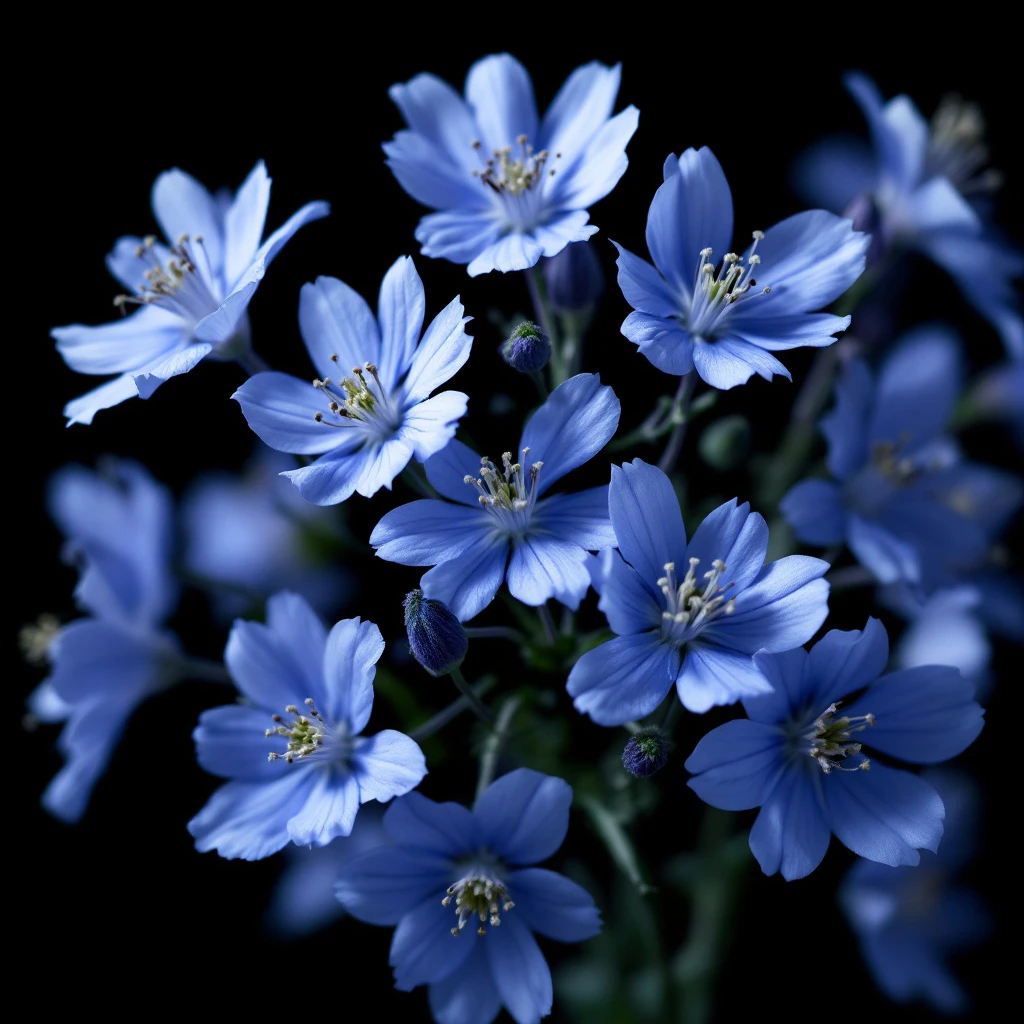
Chicory flowers only open for a few hours each morning, closing by midday.





Origin
Mediterranean Basin
Chicory has accompanied Mediterranean civilizations for thousands of years, valued as both food and medicine. Ancient Egyptians cultivated it along the Nile, while Greek physicians documented its digestive properties. The plant traveled with Roman legions across Europe, establishing itself from Spain to Britain.
During the Napoleonic era, French blockade conditions forced Europeans to develop chicory as a coffee substitute, creating lasting cultural associations with resourcefulness. In perfumery, chicory remains a modest but distinctive ingredient, appreciated by natural perfumers seeking earthy, introspective notes that ground lighter compositions.
Wears it best
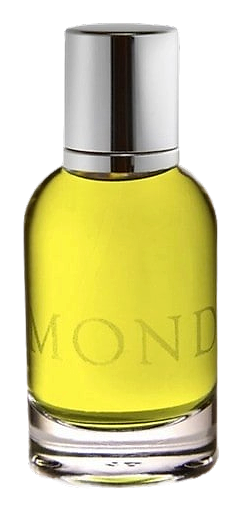
Fragrances featuring Chicory
Brands
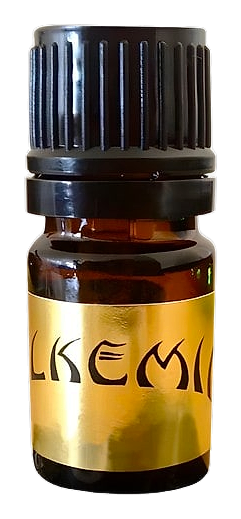
Brands known for Chicory
Good to know
Questions, answered
The essentials on Chicory in perfumery: how it smells, where it comes from, and how it behaves on skin.
What does chicory smell like in perfume?
Chicory root delivers an earthy, slightly bitter aroma with roasted undertones. It reads as grounded and introspective, often evoking damp soil and dried herbs rather than sweetness.
Is chicory a natural or synthetic ingredient?
Chicory used in perfumery is natural, extracted from dried roots via solvent extraction. No synthetic equivalent exists, making it a niche botanical choice.
Which fragrances commonly feature chicory?
Chicory appears primarily in niche and natural perfumery lines. It features more often as a supporting note than a focal point due to its subtle, grounding nature.
Does chicory have any allergenic concerns?
Chicory root is generally considered low-risk for sensitization. However, as with any botanical extract, patch testing is recommended for sensitive skin.
What fragrance families pair well with chicory?
Chicory pairs naturally with earthy, woody, and herbal fragrance families. It complements vetiver, patchouli, and herbaceous notes like sage or artemisia.
How long has chicory been used in perfumery?
Chicory's use in perfumery is relatively recent compared to its 3,000-year history as food and medicine. Botanical perfumers began incorporating it in the late 20th century.
Can chicory be grown sustainably for perfumery?
Yes. Chicory is a hardy perennial that thrives in poor soils without irrigation or pesticides, making it an environmentally responsible botanical choice.
What extraction method produces chicory absolute?
Solvent extraction yields chicory concrete, which is then processed into absolute. This method captures the root's full aromatic profile more effectively than distillation.