Chestnut Purée
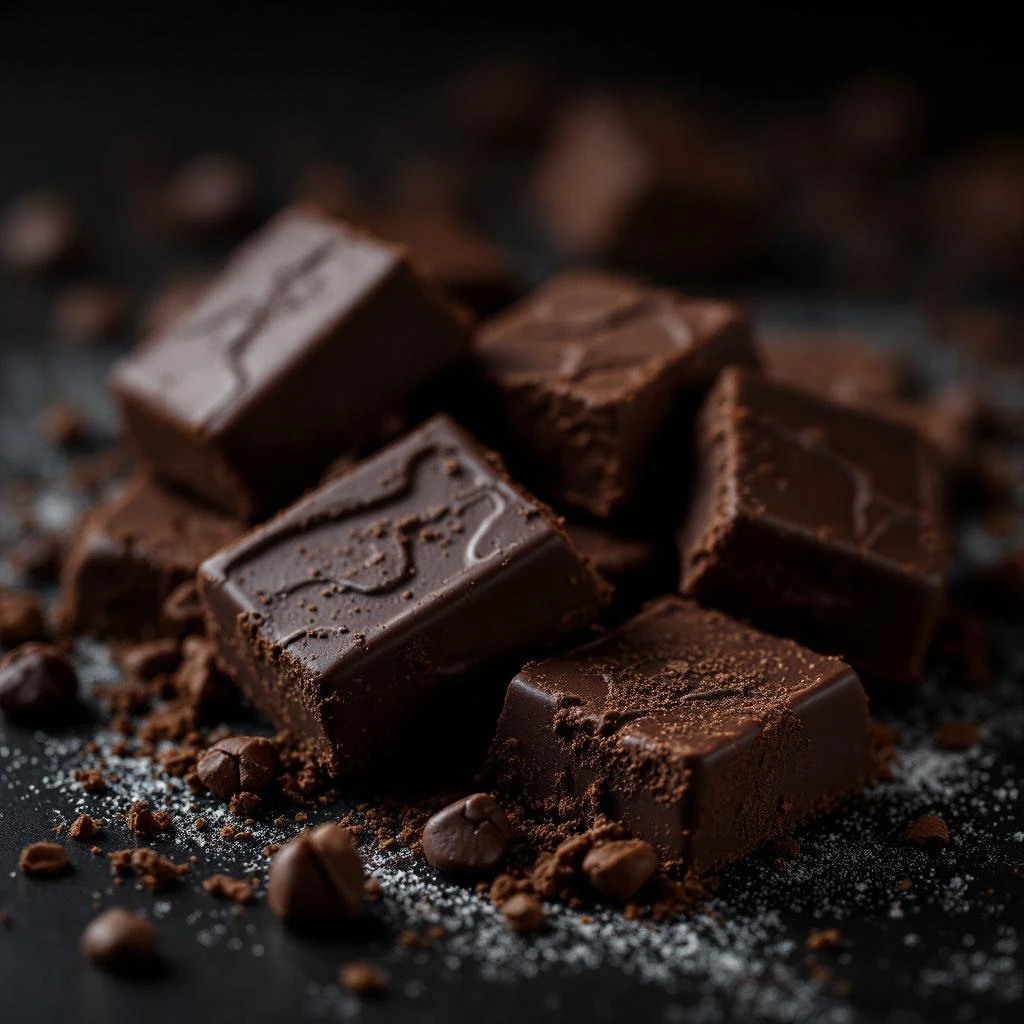
Chestnut purée captures the memory of roasted chestnuts — smoky, sweet, and deeply warm. A note that evokes autumn markets and crackling fires, bringing gourmand comfort to fragrance compositions.
Character
How it smells
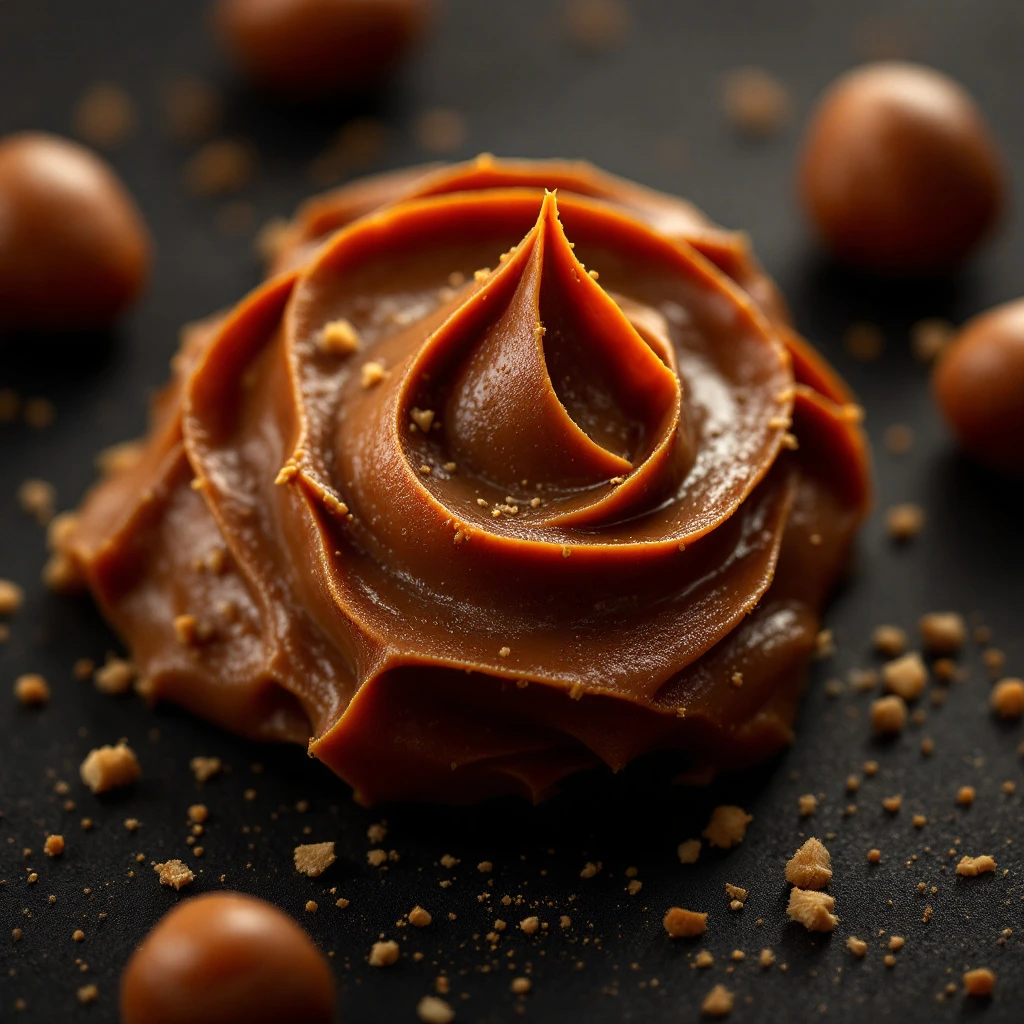
The scent of autumn roasted over open flame.
Real chestnut essential oil doesn't exist. Perfumers recreate this note synthetically or through aromatic combinations to capture that unmistakable roasted, slightly sweet nuttiness.



Origin
France
Chestnut entered perfumery through memory rather than extraction. The sweet chestnut tree (Castanea sativa) has ancient roots in Mediterranean cuisine and culture — Greeks and Romans cultivated it extensively, and villages across Italy and France still host annual chestnut festivals. Yet the fruit never found its way into traditional perfumery as an extractable material.
Perfumers began working with chestnut notes in the late 20th century as part of the gourmand movement, when consumers sought fragrances that recalled specific culinary memories. The warm, smoky aroma of roasting chestnuts on an autumn afternoon proved irresistible. By the 1990s, chestnut had become a recognized category in fragrance — not as a literal extract but as an aromatic impression, a shared cultural memory that perfumers learned to reconstruct.
Today it remains a seasonal favorite, especially in autumn and winter releases, valued for the comforting, intimate atmosphere it creates.
Wears it best
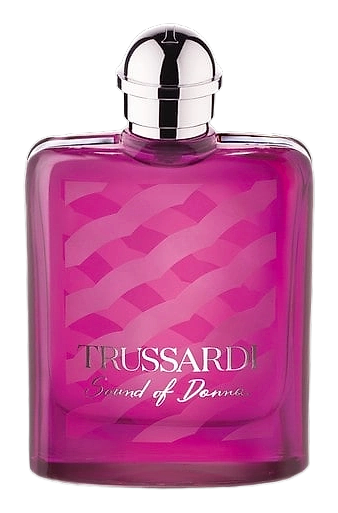
Fragrances featuring Chestnut Purée
Brands
Brands known for Chestnut Purée
Good to know
Questions, answered
The essentials on Chestnut Purée in perfumery: how it smells, where it comes from, and how it behaves on skin.
What does chestnut smell like in perfume?
Chestnut in perfume smells warm, roasted, and slightly sweet with smoky undertones. It recalls the aroma of chestnuts roasting over an open fire — a comforting, autumnal quality that adds depth to gourmand and oriental compositions.
Is chestnut a natural fragrance ingredient?
No, chestnut is not extracted from the nut itself. The sweet chestnut tree does not produce a traditional essential oil, so perfumers recreate the aroma synthetically or through aromatic combinations of related materials.
What fragrances feature chestnut notes?
Chestnut appears in many autumn and winter releases across both designer and niche houses. Notable examples include Dior Addict and Serge Lutens Feminite du Bois, where it contributes warmth and gourmand depth.
How does chestnut work with other fragrance notes?
Chestnut acts as a bridge between fresh and woody notes, pairing well with vanilla, amber, sandalwood, and spices like cinnamon and clove. It adds warmth and body without overpowering lighter top notes.
When did chestnut become a recognized perfumery note?
Chestnut emerged as a named note in the late 20th century alongside the gourmand movement. It gained popularity through the 1990s as consumers increasingly sought fragrances that evoked specific culinary memories.
What aroma molecules create the roasted chestnut character?
Pyrazines and lactones form the backbone of reconstructed chestnut. These molecules, also found in roasted coffee and caramel, work together to produce that distinctive slightly sweet, smoky quality.
Can you extract chestnut oil from the nut itself?
No traditional natural extraction method exists for chestnut. The nut's aromatic compounds are too volatile for standard perfumery processes, making synthetic reconstruction the standard approach.
Is reconstructed chestnut suitable for vegan formulations?
Yes, synthetic chestnut reconstruction is typically vegan. No animal-derived materials are involved in creating the roasted, warm aroma profile associated with this note.