Chasteberry
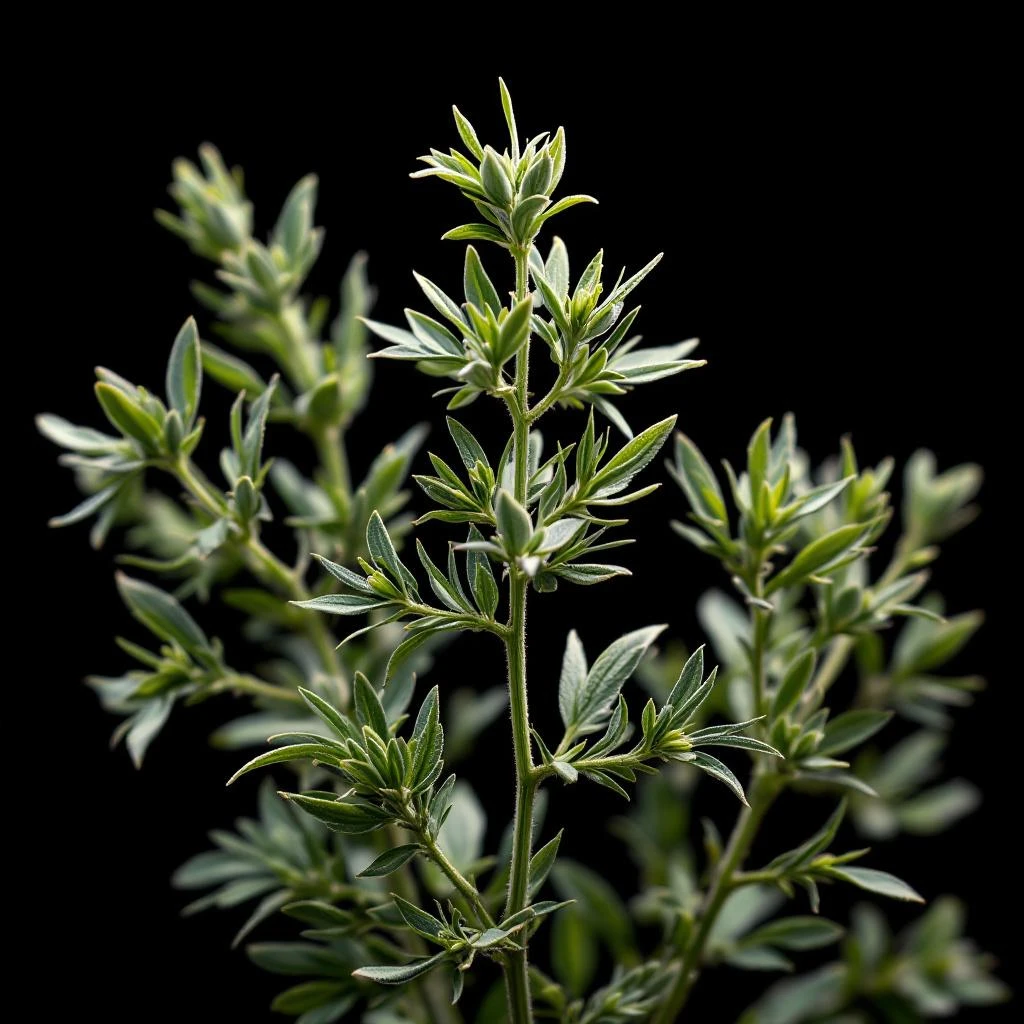
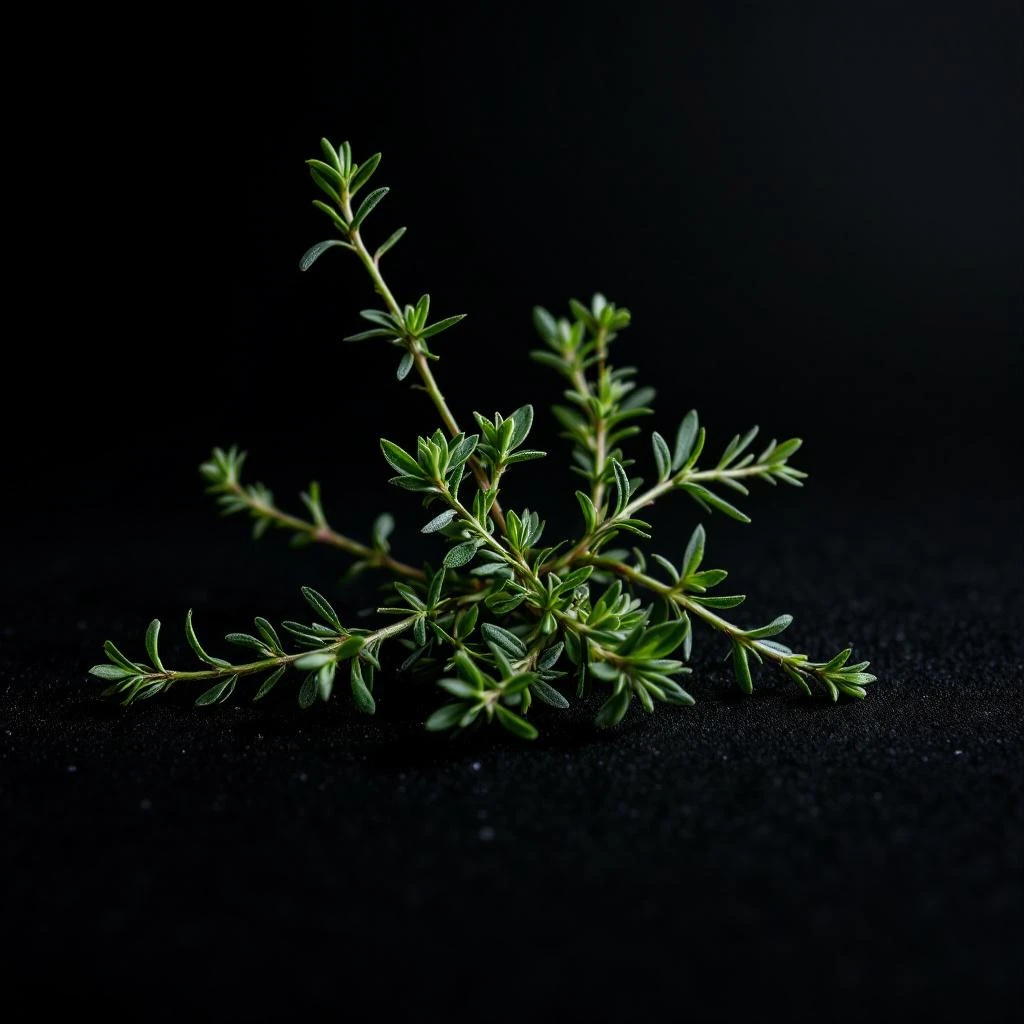
Chasteberry, the sun-dried berry of Vitex agnus-castus, offers a warm, spicy-peppery character with subtle herbal undertones rarely found in modern perfumery.
Character
How it smells
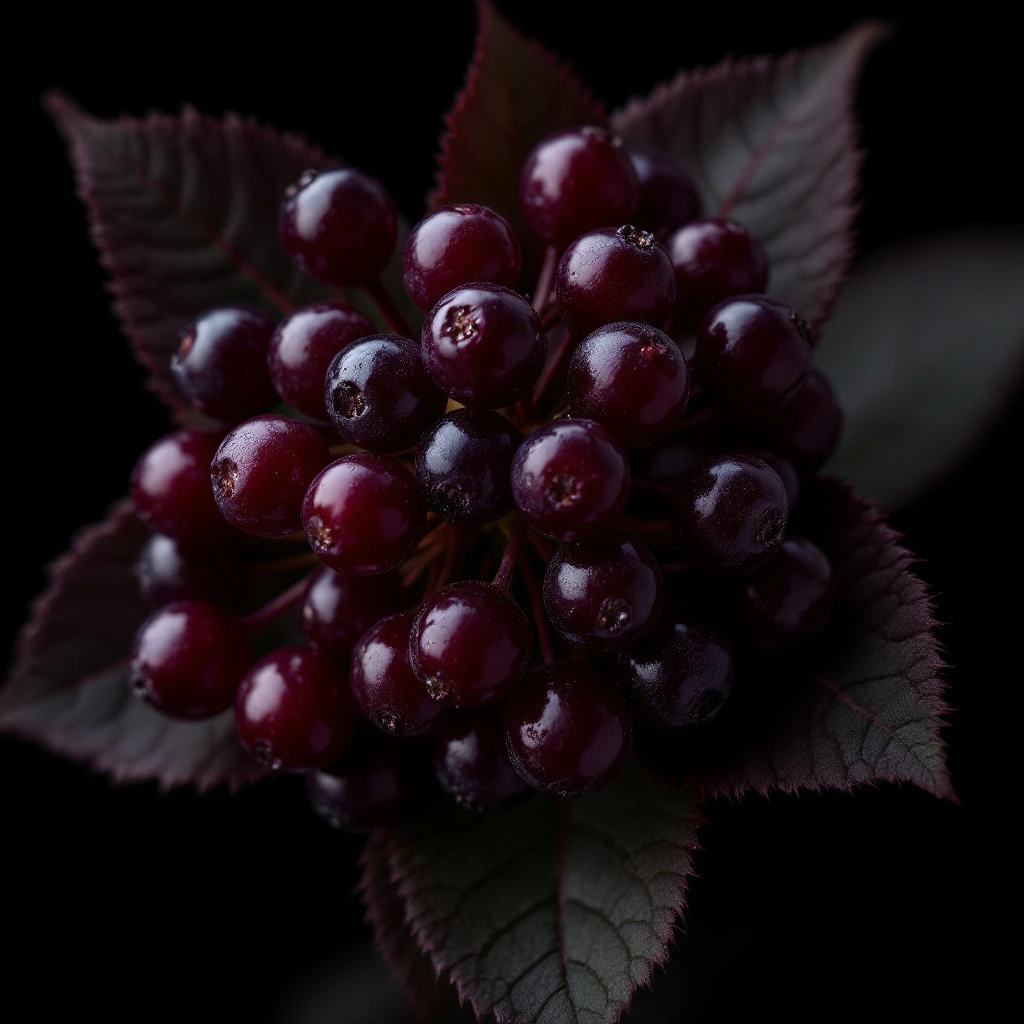
A peppery whisper from Mediterranean monastery gardens.
Monks in medieval cloisters cultivated this shrub believing it could suppress desire, earning it the nickname monk's pepper.




Origin
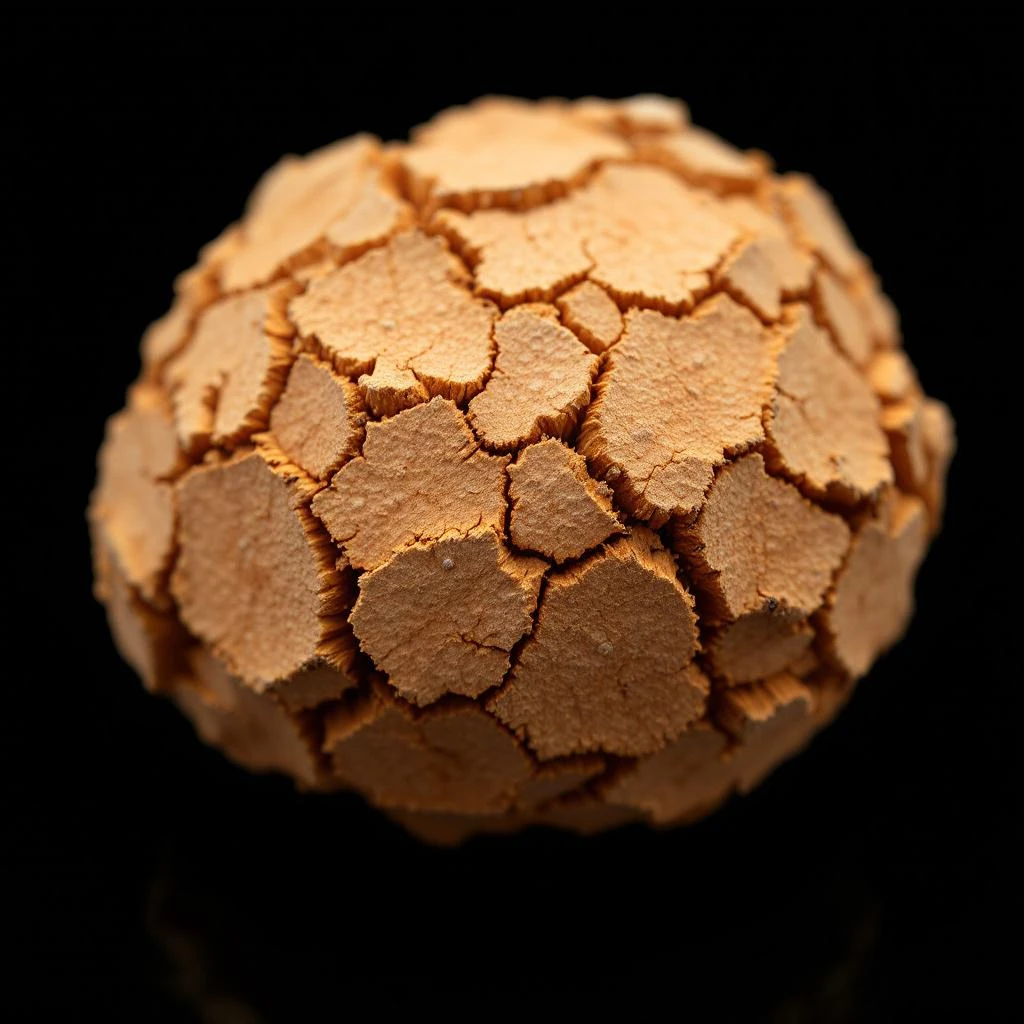
Mediterranean region (Greece)
Vitex agnus-castus has grown wild along Mediterranean coastlines for millennia, from Greece and Italy westward to Spain. Ancient Greek physicians including Dioscorides documented the plant in medical texts, recommending it for various ailments.
Medieval European monasteries maintained chasteberry in their herb gardens, giving rise to the name monk's pepper. Monks reportedly used the berries as a spice and believed they supported celibacy, a belief reflected in the Latin species name agnus-castus, meaning chaste lamb.
While the shrub never achieved prominence in classical perfumery traditions like rose or jasmine, aromatic preparations of its berries appeared in historical pharmacopoeias across the Mediterranean world. Contemporary natural perfumers occasionally incorporate chasteberry absolute for its distinctive warm, spicy quality that adds depth to herbal and oriental fragrance compositions.
Wears it best
Fragrances featuring Chasteberry

Brands
Brands known for Chasteberry
Good to know
Questions, answered
The essentials on Chasteberry in perfumery: how it smells, where it comes from, and how it behaves on skin.
What does chasteberry smell like in perfume?
Chasteberry offers a warm, spicy-peppery aroma with subtle herbal and faintly citrus undertones. It adds a distinctive warmth and depth uncommon among more familiar fragrance ingredients.
Is chasteberry a natural fragrance ingredient?
Yes, chasteberry (Vitex agnus-castus) is a natural ingredient. The essential oil comes from steam-distilled dried berries of the Mediterranean shrub. It appears infrequently in commercial perfumery.
What is chasteberry called in perfumery?
Perfumers typically refer to it by its botanical name Vitex agnus-castus or the common names chasteberry and monk's pepper. The essential oil or absolute bears these names in ingredient lists.
How long has chasteberry been used in aromatic preparations?
Ancient Greek physicians documented Vitex agnus-castus in medical texts, and medieval monastery gardens cultivated it. Aromatic use spans at least two thousand years, though commercial perfumery applications remain limited.
What part of the chasteberry plant is used in perfumery?
Perfumers use the dried, fully ripened berries. Harvesting occurs in autumn when the small dark berries reach peak aromatic concentration after drying on the shrub.
Does chasteberry appear in many fragrances?
Chasteberry remains a niche ingredient found primarily in artisanal and natural fragrance houses. Major commercial fragrances rarely list it among their notes.
What fragrance families pair well with chasteberry?
Chasteberry complements herbal, spicy, and oriental fragrance compositions. Its warm, peppery character pairs well with amber, labdanum, clary sage, and woody base notes.
Where does chasteberry grow?
Vitex agnus-castus originates from Mediterranean regions including Greece, Italy, and Western Asia. The shrub thrives in coastal areas with well-drained soils and full sun exposure.