Charred Vanilla
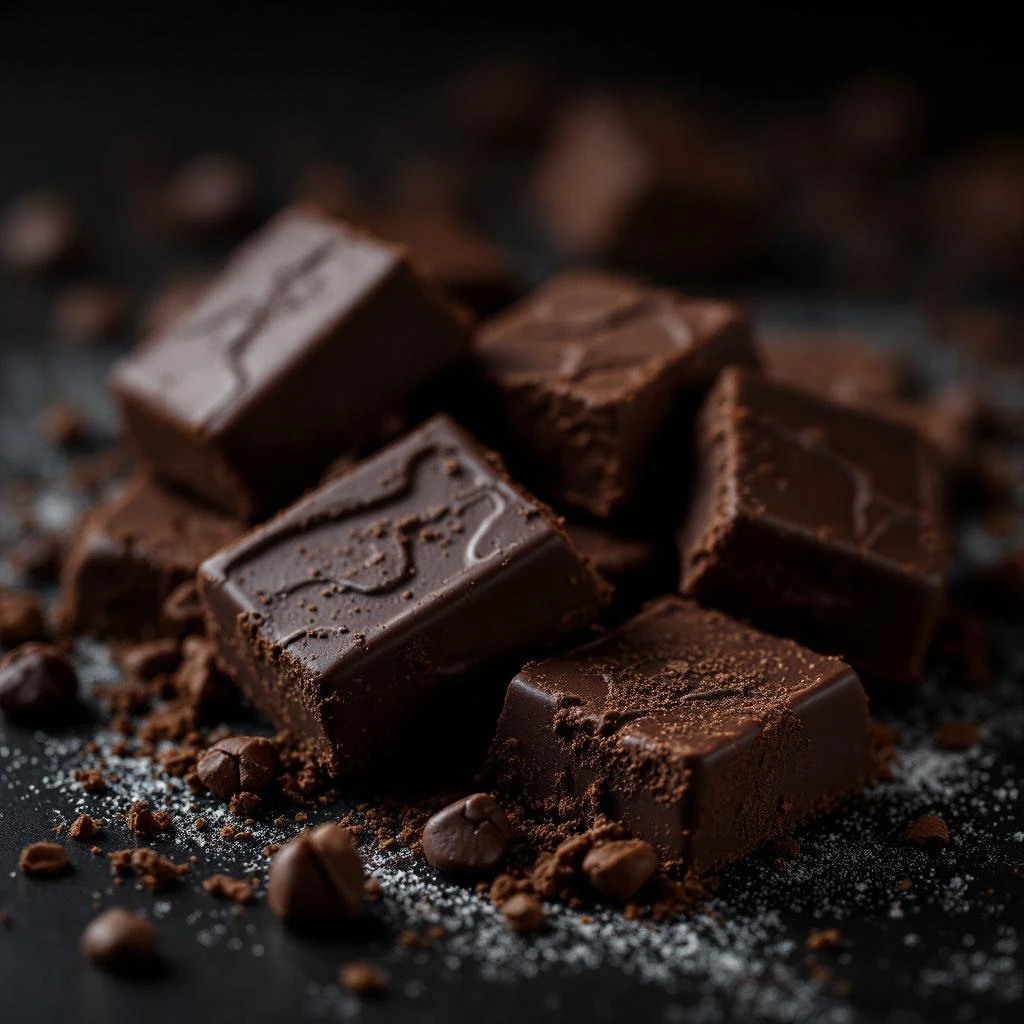
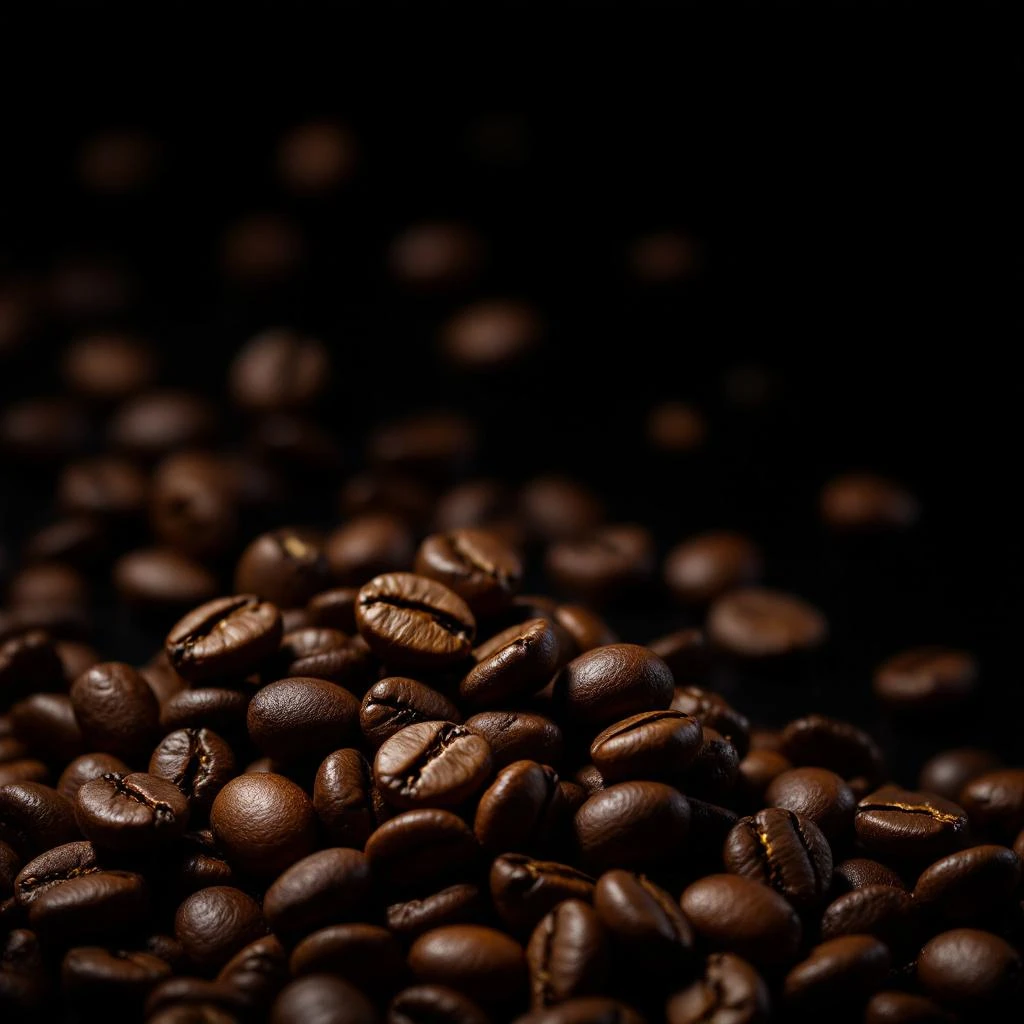
Charred vanilla transforms the familiar sweetness of vanilla into something darker and more complex. The beans are carefully roasted until their outer layers caramelize and partially burn, unlocking smoky, balsamic depths that add dimension to fragrance compositions. This technique creates an ingredient that whispers of campfires and warm kitchens.
Character
How it smells
Where smoky depth meets sweet warmth
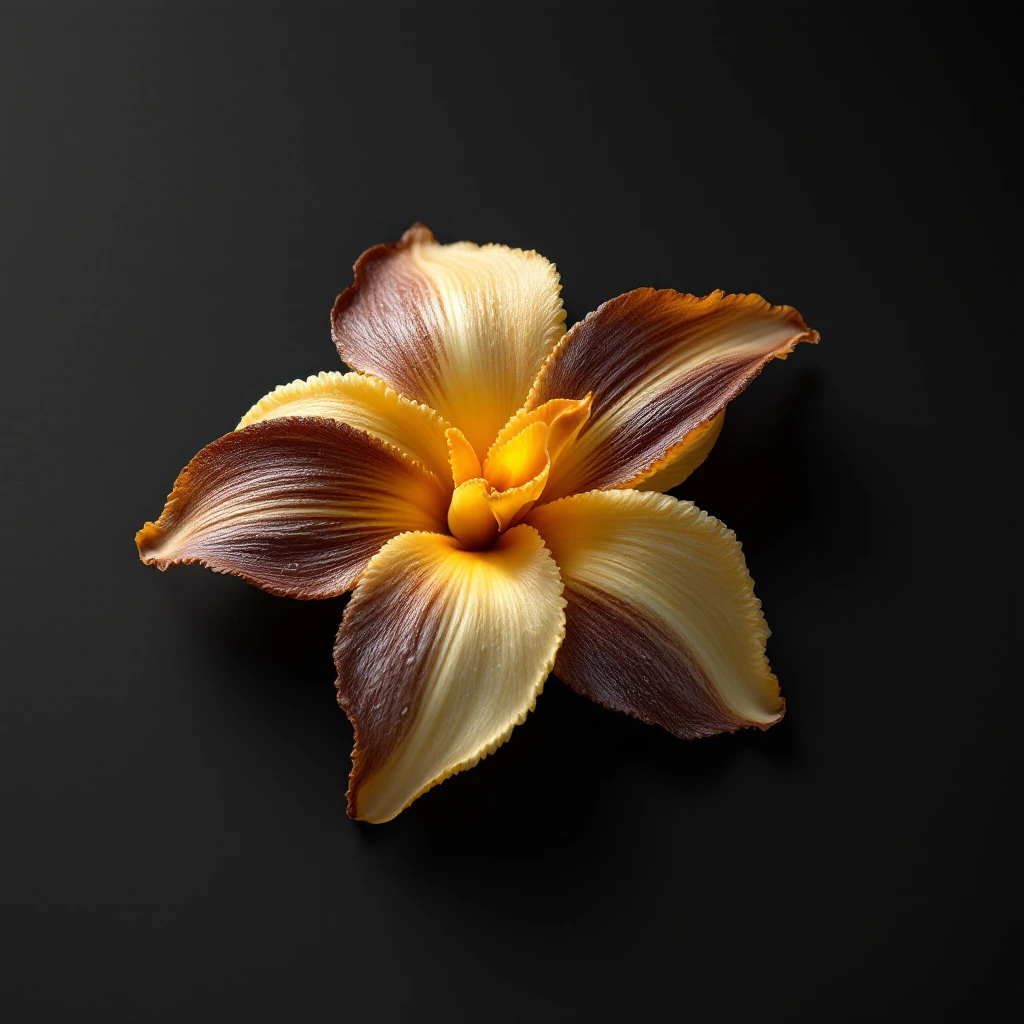
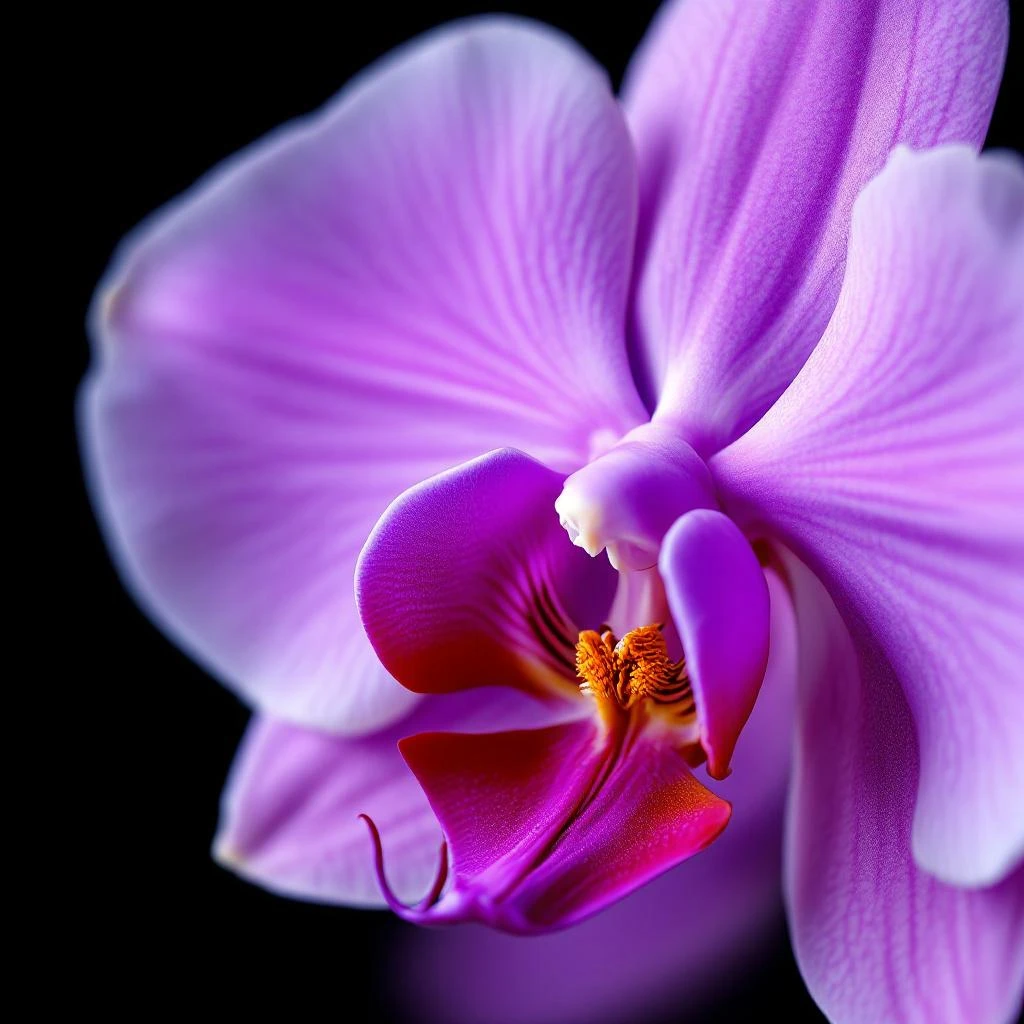
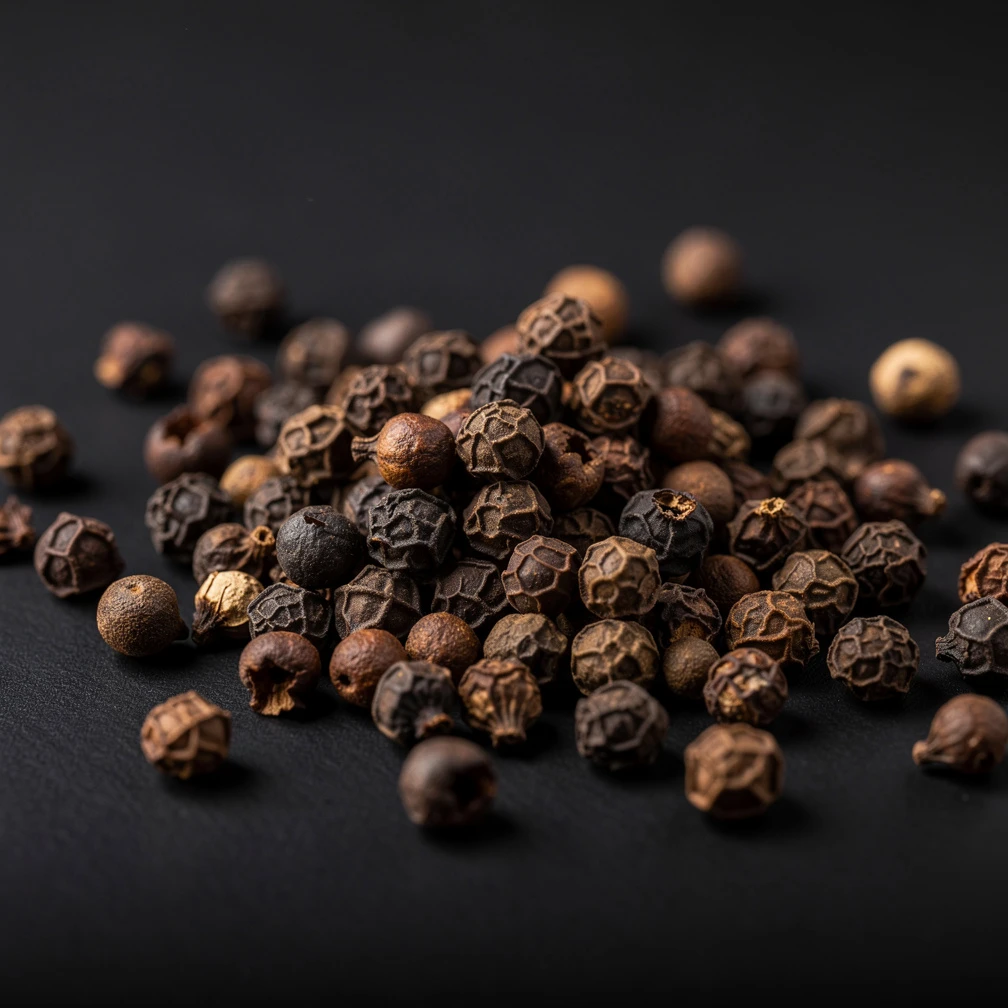
A single vanilla orchid flower opens for only one day each year, making every bean a race against time for pollination.



Origin
Mexico
Vanilla traces its roots to ancient Mesoamerica, where the Totonac people of what is now Mexico cultivated the orchid as early as 1400 BCE. The Aztecs prized vanilla-flavored chocolate drinks, recognizing the bean as a treasure. Spanish conquistadors brought vanilla to Europe in the 16th century following the conquest of the Aztec Empire.
For two centuries, Europe remained dependent on Mexican vanilla production until artificial pollination techniques enabled cultivation elsewhere. Vanilla entered modern perfumery in 1889 when Aimé Guerlain composed Jicky, pairing vanillin with natural vanilla extracts. The charred variation emerged as perfumers sought to expand vanilla's expressive range, drawing inspiration from traditional roasting techniques used in chocolate and coffee production.
Today, charred vanilla appears in oriental fragrances, smoky florals, and gourmand compositions seeking warmth with edge.
Wears it best
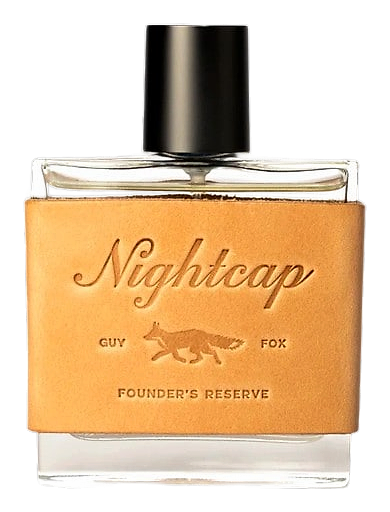
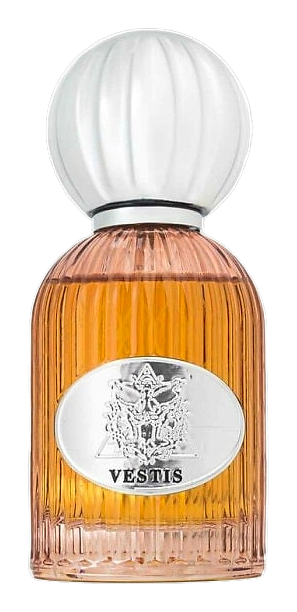
Fragrances featuring Charred Vanilla
Brands
Brands known for Charred Vanilla
Good to know
Questions, answered
The essentials on Charred Vanilla in perfumery: how it smells, where it comes from, and how it behaves on skin.
What does charred vanilla smell like?
Charred vanilla opens with deep smoky notes before revealing creamy vanilla sweetness beneath. The charring adds bitter-sweet depth, almost like burnt caramel meeting wood smoke. It reads simultaneously warm and edgy.
Is charred vanilla natural or synthetic?
Charred vanilla is natural. It comes from vanilla beans that have been carefully roasted before extraction. The charring process creates new aromatic compounds through Maillard reactions, which are the same chemical processes that create flavor in toasted bread and roasted coffee.
How is charred vanilla different from regular vanilla absolute?
Regular vanilla absolute offers sweet, creamy, and slightly spicy warmth. Charred vanilla adds a smoky dimension and slightly bitter edge from the roasting process. The result is more complex and works well in compositions seeking vanilla with more character.
Which fragrance families use charred vanilla?
Charred vanilla appears frequently in oriental fragrances, smoky florals, and gourmand compositions. It pairs particularly well with oud, benzoin, smoky woods, and dark florals like tuberose and jasmine.
Why does vanilla require artificial pollination?
The vanilla orchid's pollinator, a specific bee native only to Mexico, does not exist elsewhere. Without hand pollination, vanilla beans cannot develop. This labor-intensive process explains why vanilla ranks among the most expensive spices after saffron.
How much vanilla does a single flower produce?
One vanilla orchid flower, open for just one day, yields a single bean pod when successfully pollinated. That pod requires eight to nine months of curing before it becomes usable, making vanilla cultivation remarkably time-intensive.
Can charred vanilla be combined with other smoky ingredients?
Yes. Charred vanilla harmonizes with birch tar, guaiac wood, cade oil, and smoky accords. The combination creates more nuanced smoke effects than any single ingredient alone.
Does charred vanilla have a cooling or warming effect in fragrance?
Charred vanilla reads as warm and intimate. The smoky, resinous character suggests closeness and comfort, making it popular in autumn and winter fragrances, though perfumers sometimes use it to anchor lighter summer compositions.