Champagne Rosé
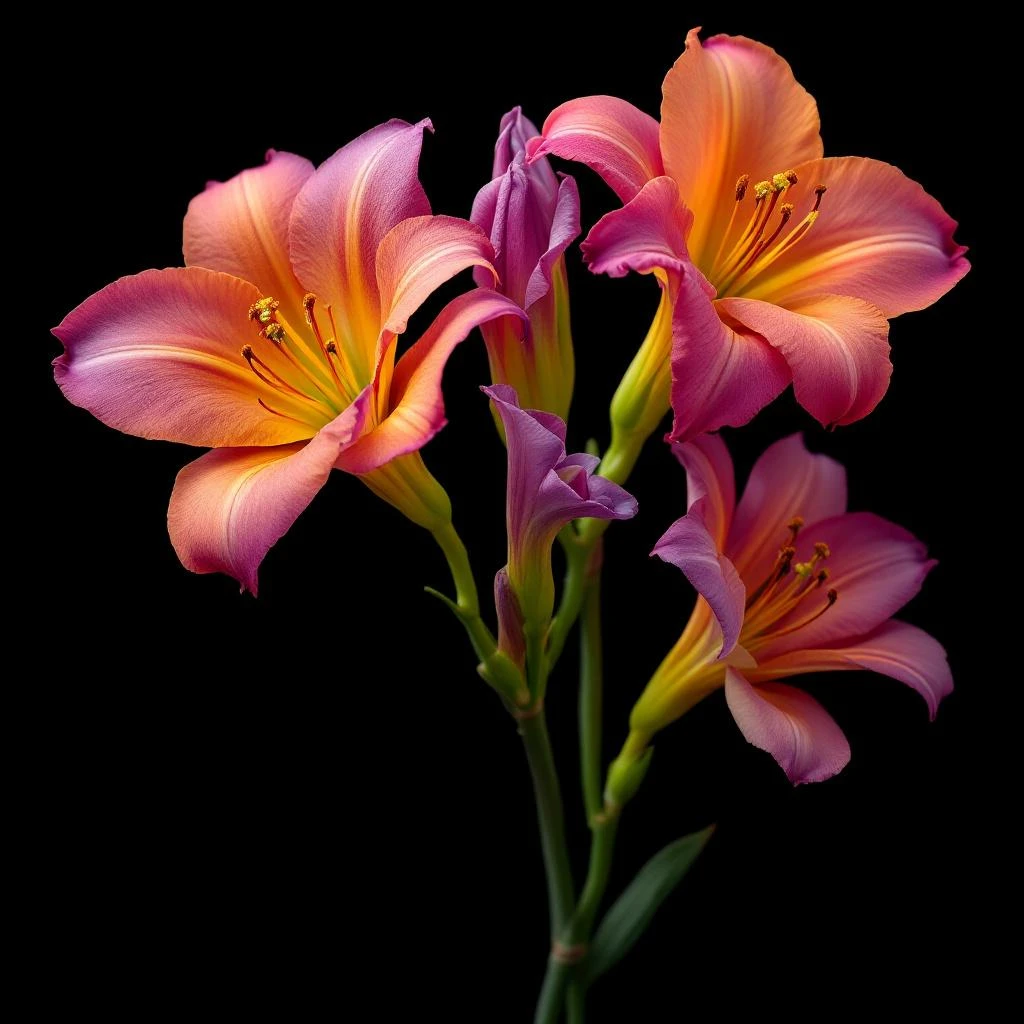
A sparkling fusion of luminous rose and effervescent aldehydes, Champagne Rose captures the celebratory spirit of fresh bubbles rising through lush floral petals. Neither purely natural nor purely synthetic, this modern accord brings together two of perfumery's most storied materials into a single, shimmering note.
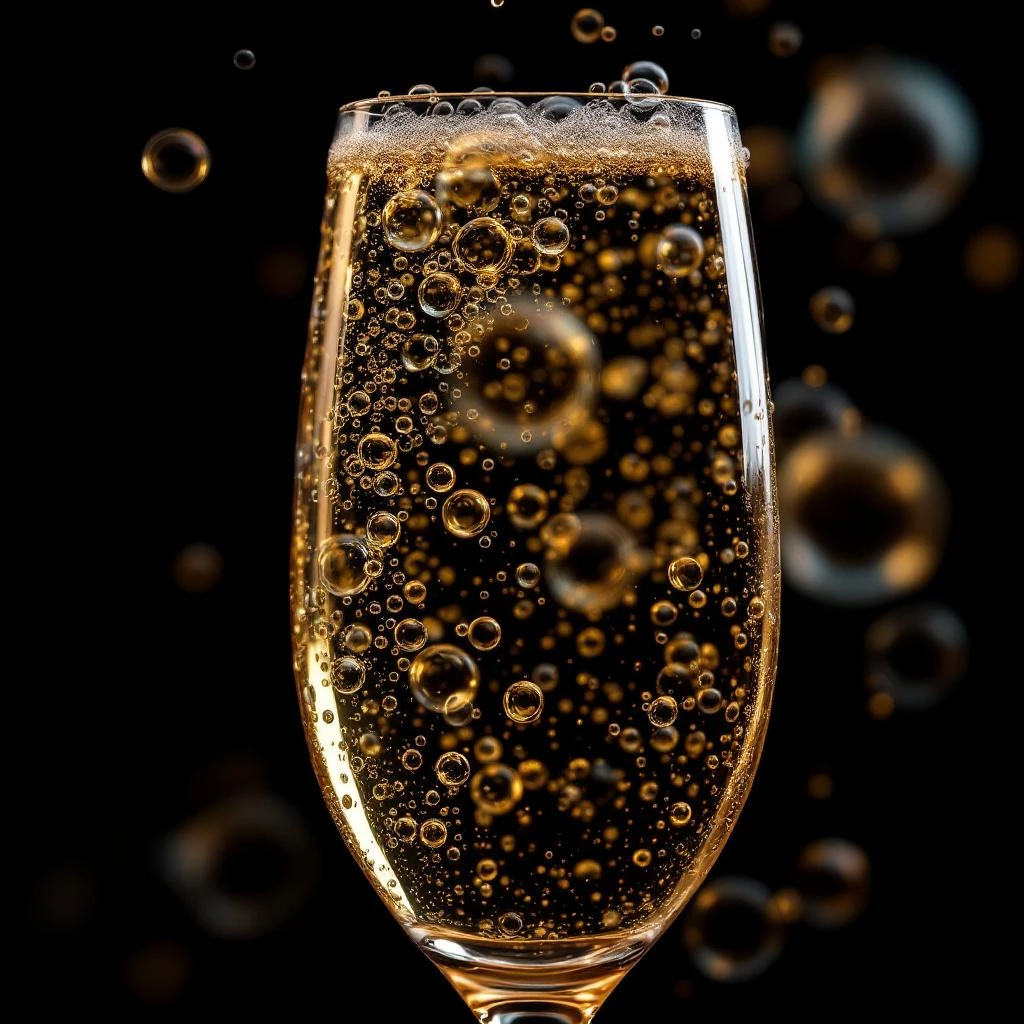
Character
How it smells
Where rose's bloom meets the pop of a cork.
The champagne effect in perfumery comes from aldehydes, the same class of compounds that give Chanel No.5 its legendary lift.



Origin
France
Rose has perfumed human civilization since ancient Persia, Egypt, Greece, and Rome, but Champagne Rose as a concept emerged much later. The note draws from two distinct perfumery lineages: the millennia-old tradition of rose cultivation and extraction, and the twentieth-century innovation of aldehydic chemistry. French perfumers in the early 1900s began experimenting with the interplay between opulent florals and the airy qualities of aldehydes, laying groundwork for this sparkling rose concept.
The marriage of rose with effervescent, celebratory accords became particularly popular in late-twentieth-century fragrance design, when perfumers sought to modernize classical florals with a contemporary sense of joy and movement. Today, Champagne Rose exists at the intersection of natural craft and synthetic ingenuity.
Wears it best
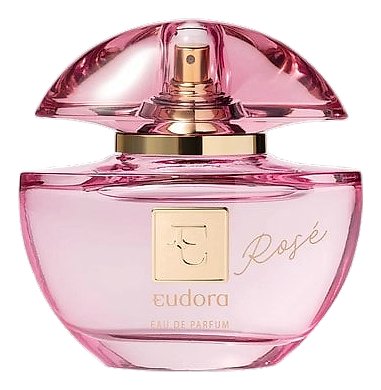
Fragrances featuring Champagne Rosé
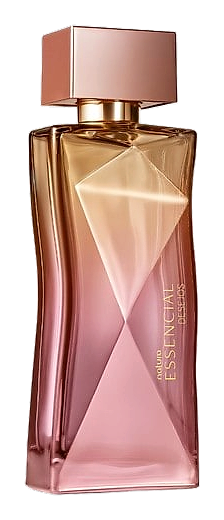
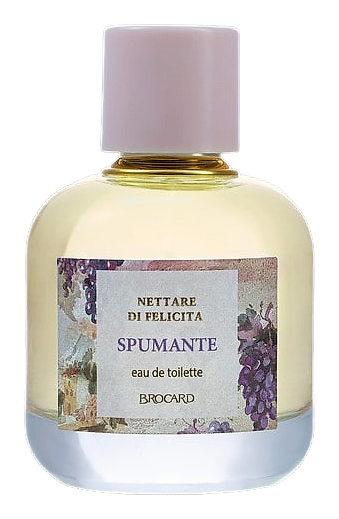
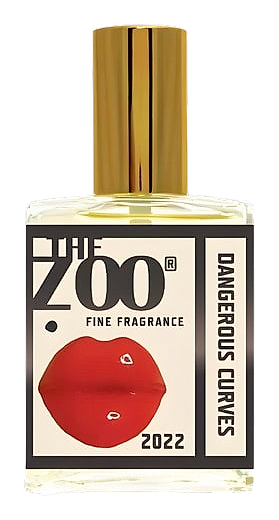
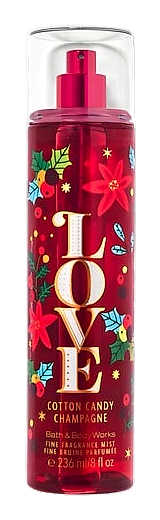
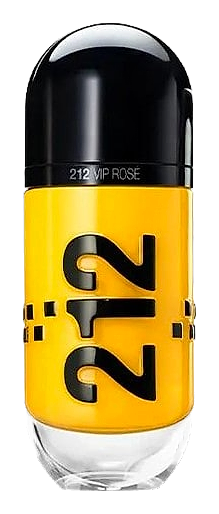
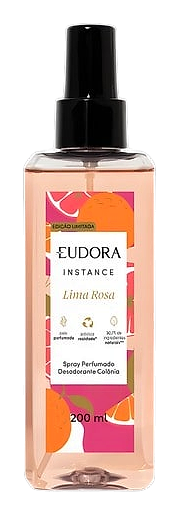
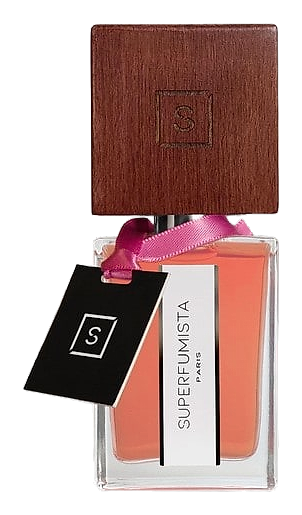
Brands
Brands known for Champagne Rosé
Good to know
Questions, answered
The essentials on Champagne Rosé in perfumery: how it smells, where it comes from, and how it behaves on skin.
What is Champagne Rose in perfumery?
Champagne Rose is a fragrance accord that combines rose's lush floralcy with effervescent aldehydes to evoke the sparkling quality of champagne. It is a crafted combination, not a single extracted ingredient.
Is Champagne Rose natural or synthetic?
Champagne Rose is a hybrid note. Rose absolute provides the floral heart from natural extraction, while the sparkling aldehydes and Rose Oxide that create the effervescent effect are synthesized in a laboratory.
What does Champagne Rose smell like?
Champagne Rose smells like luminous, dewy rose petals with a bright, waxy sparkle on top. It carries honeyed floral warmth with a clean, effervescent lift that evokes the pop and fizz of a celebratory toast.
How is the champagne effect created in fragrance?
The effervescent quality comes from aldehydic compounds, typically C10-C12 aldehydes, which have a waxy, citrusy, almost fizzy character. These molecules create a lifting sensation that mimics carbonation when used in combination with a floral base.
What fragrance families use Champagne Rose?
Champagne Rose appears most often in floral aldehyde and fruity chypre compositions. It is particularly common in modern feminine fragrances where perfumers want to update classical rose with contemporary sparkle.
Which rose varieties are used for Champagne Rose accords?
Rosa damascena from Bulgaria and Turkey, and Rosa centifolia from Grasse, France, are the primary rose absolutes used. Their honeyed, deep floral profiles provide the base upon which the aldehydic sparkle is built.
What notes pair well with Champagne Rose?
Champagne Rose pairs naturally with sparkling bergamot, lychee, pear, and peony for a fruity-floral effect. It also works alongside creamy sandalwood, musks, and iris for richer, more complex chypre compositions.
How long does Champagne Rose last on skin?
Rose absolute typically lingers for four to six hours as a heart note. The aldehydic sparkle tends to project strongly in the first hour, then settles into the softer floral base as the fragrance develops.



