Chai Spice
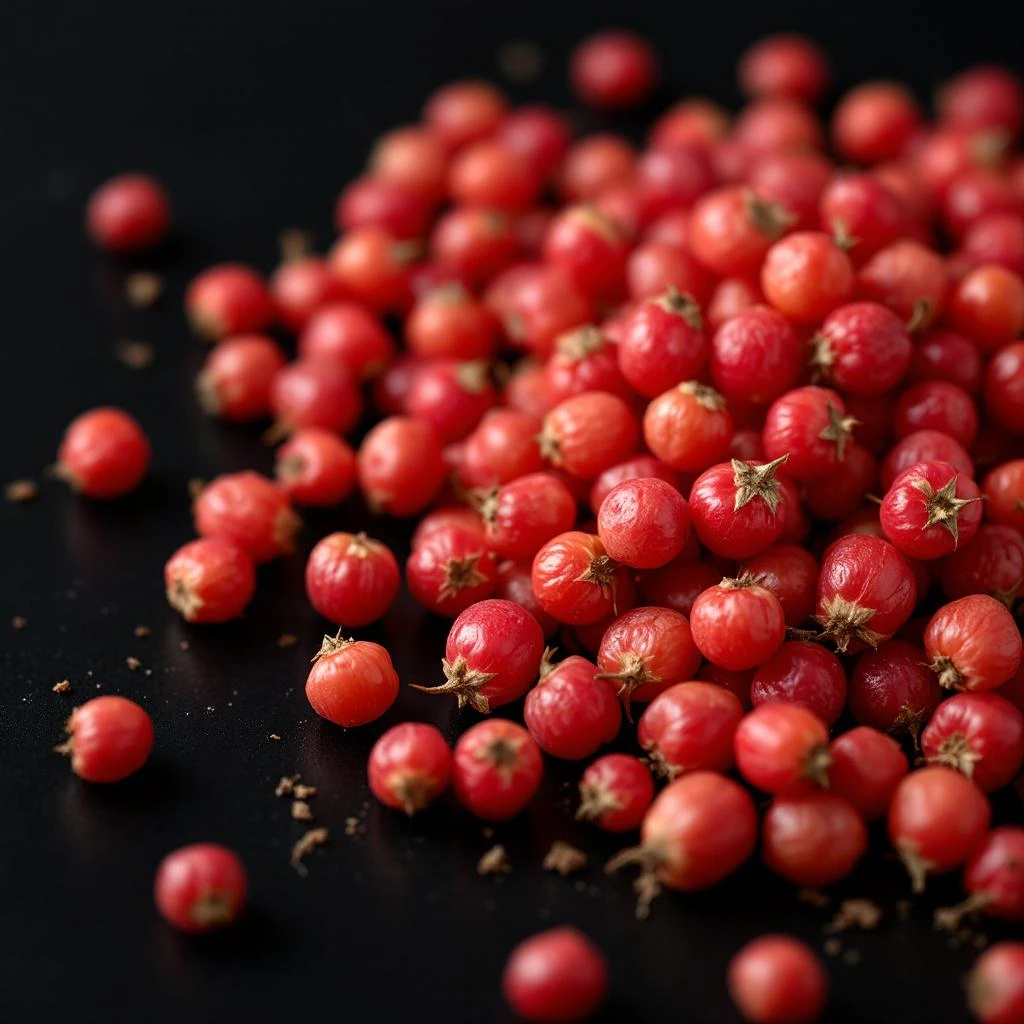
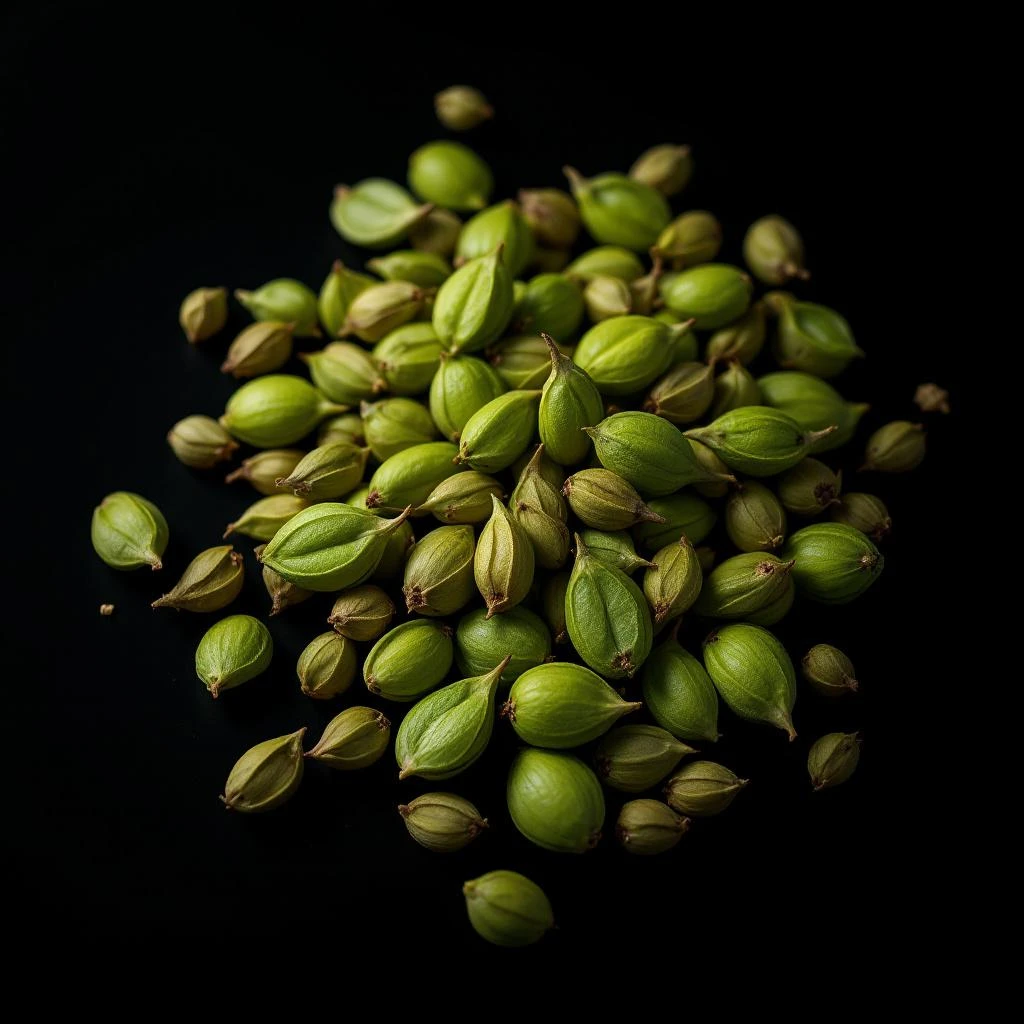
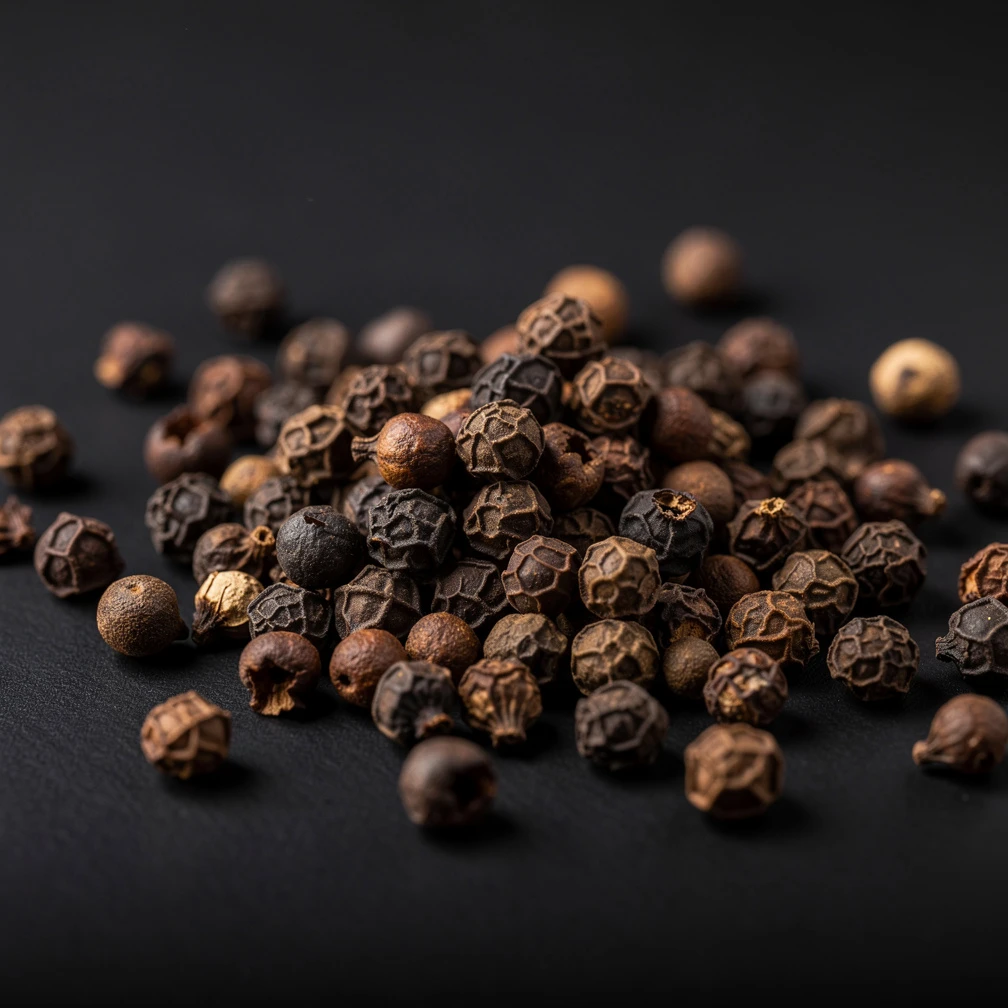
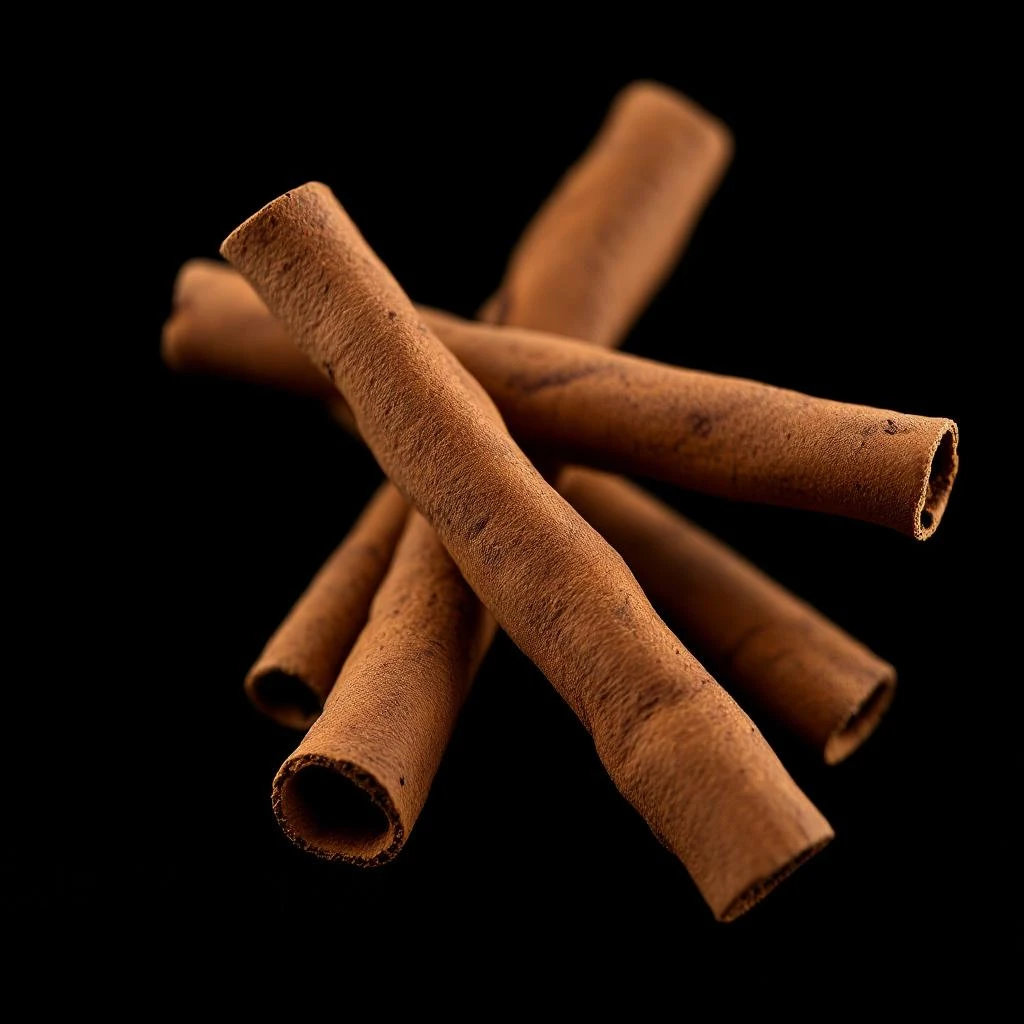
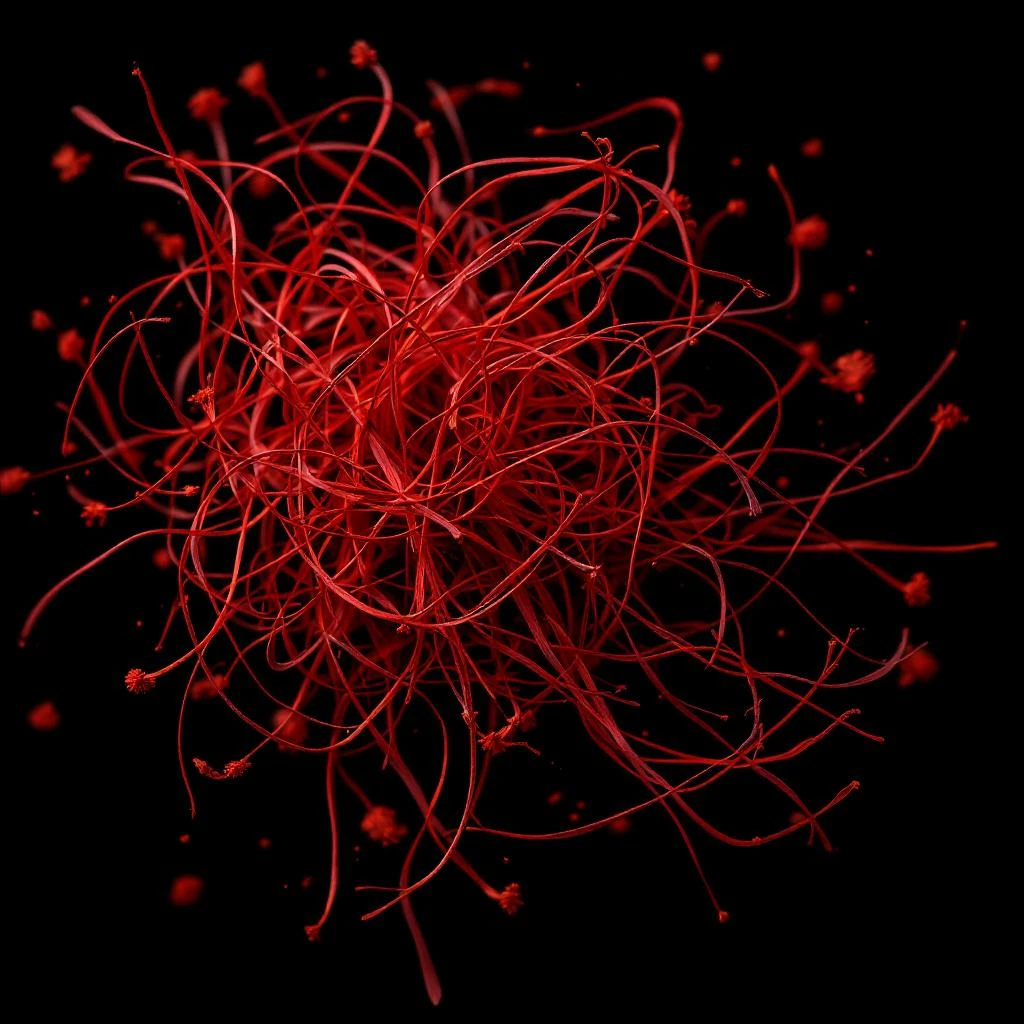
Chai spice is a warm, complex accord built from cardamom, cinnamon, clove, ginger, and black pepper—spices that have perfumed human rituals and markets for millennia. In perfumery, it creates inviting, sensual fragrances with unmistakable depth.
Character
How it smells
The warmth of a thousand years of spice trade.
The word chai shares the same root as Chinese chá—both descended from the ancient Sanskrit word for tea, cā, which traveled the Silk Road.





Origin
India
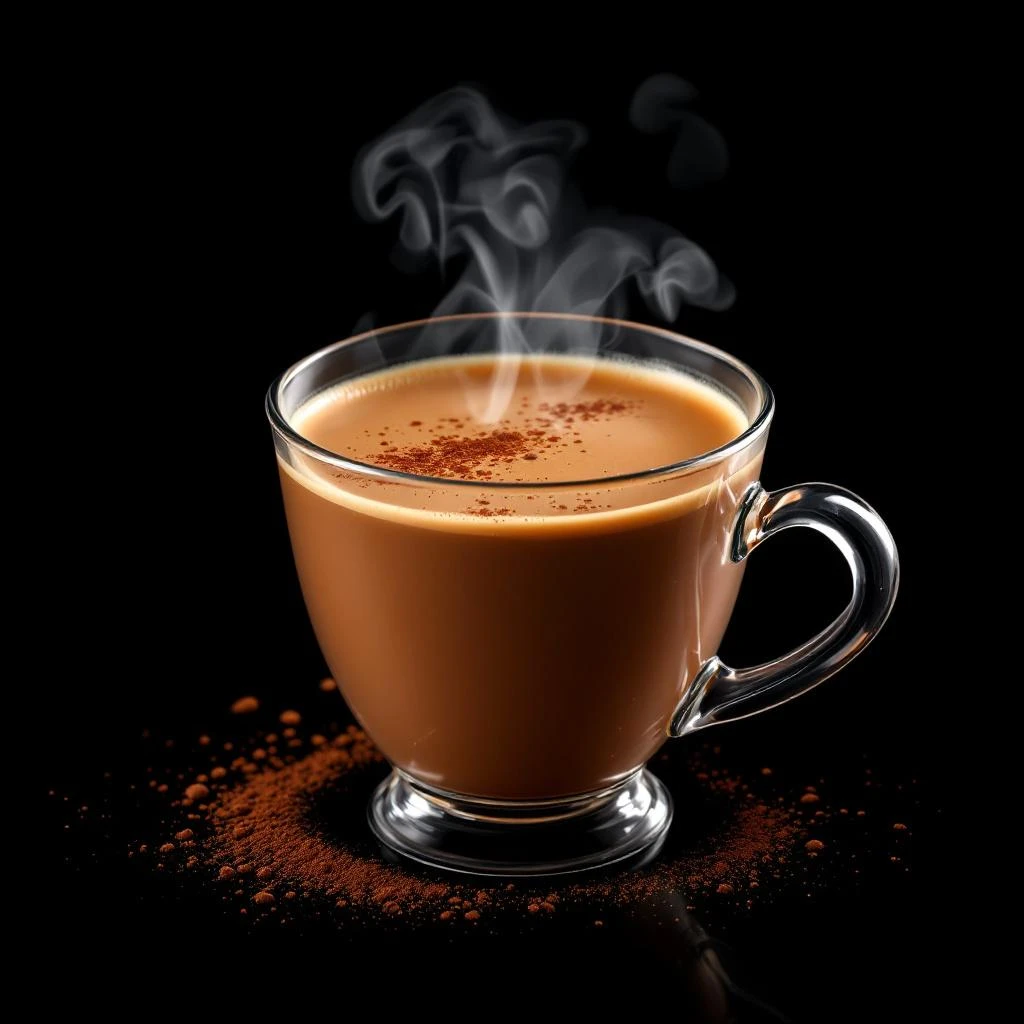
Chai—the spice blend now synonymous with Indian tea—has roots reaching back to the Vedic period around 3000 years ago. Ancient Ayurvedic texts describe the medicinal use of ginger, cardamom, and cinnamon in warm milk-based preparations.
The spice trade transformed these regional ingredients into global commodities: cardamom from the Malabar Coast became more valuable than gold in medieval Arab markets, while cinnamon from Ceylon supplied Roman emperors. When the British established tea plantations in Assam in the 1840s, they initially discouraged the addition of spices.
Indian tea growers responded by blending local spices with tea, creating masala chai out of economic necessity and cultural pride. By the early 20th century, chai had become inseparable from Indian identity—and its aromatic warmth eventually moved perfumers to capture its essence.
Wears it best
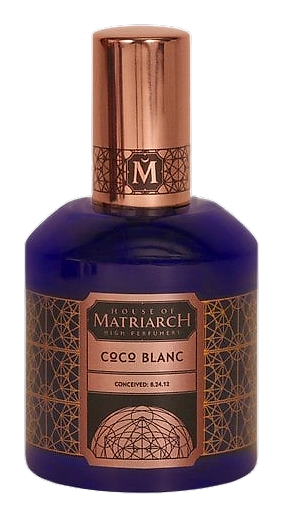
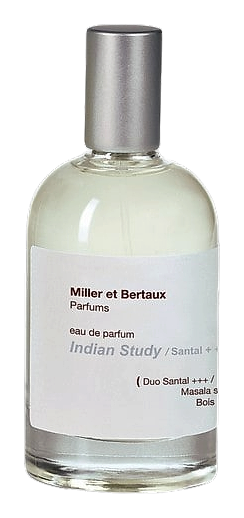
Fragrances featuring Chai Spice
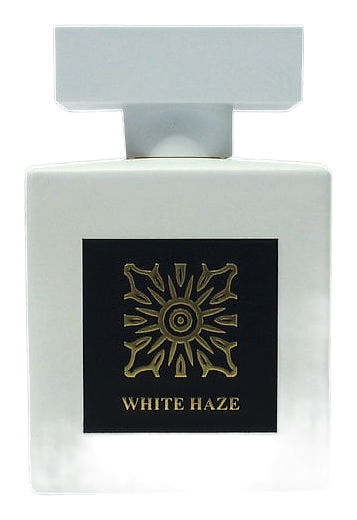


Brands
Brands known for Chai Spice
Good to know
Questions, answered
The essentials on Chai Spice in perfumery: how it smells, where it comes from, and how it behaves on skin.
What is chai spice in perfumery?
Chai spice is a blended accord combining cardamom, cinnamon, clove, ginger, and black pepper. Unlike culinary chai, perfumers compose it from individual essential oils to create a consistent warm, sweet-spicy profile across fragrance batches.
How do perfumers extract chai spices?
Each component spice undergoes steam distillation, which uses hot steam to vaporize volatile aromatic compounds. Some spices, like cinnamon bark, also use solvent extraction to capture non-volatile scent molecules that steam alone cannot release.
What does chai spice smell like?
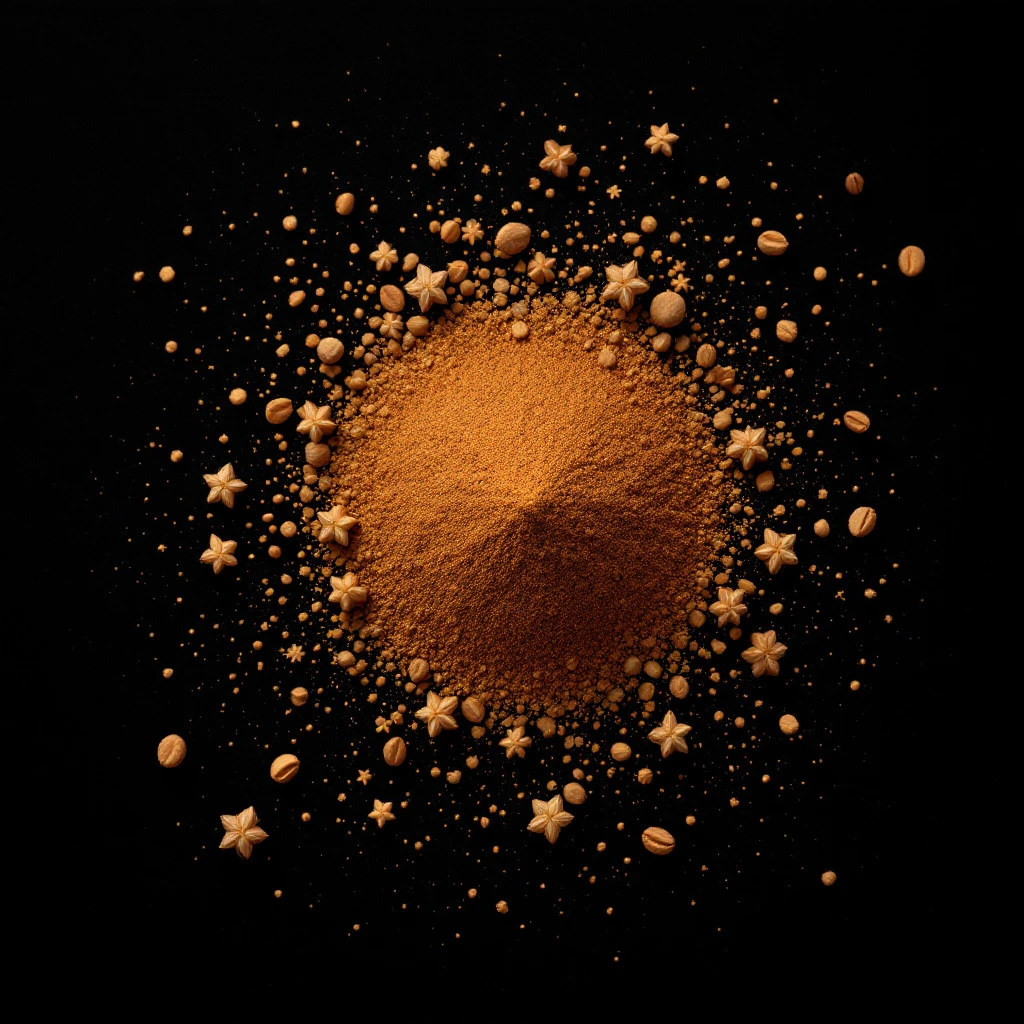
Chai spice smells warm, sweet, and slightly dry. Cardamom adds freshness and a camphor-like edge, cinnamon brings sweetness and mild warmth, clove contributes depth and a characteristic prickling sensation, while ginger adds citrusy brightness.
Where do chai spices originate?
India remains the primary origin. The Malabar Coast in Kerala produces world-class cardamom and black pepper; cassia cinnamon grows across northeastern India; ginger cultivation centers in Kerala and Meghalaya. These regions share similar tropical climates and monsoon seasons ideal for spice cultivation.
What makes chai spices smell warm?
Eugenol, a compound abundant in clove bud oil and cinnamon bark oil, triggers warm receptors in the skin—a phenomenon called chemesthetic response. This physical sensation reinforces the olfactory perception of warmth, which is why chai spices feel comforting even in trace amounts.
Can chai spice be synthetic?
Perfumers often use synthetic eugenol, vanillin, and ginger derivatives alongside natural oils to achieve consistency. Synthetic alternatives also expand the warmth palette available to perfumers, allowing them to tune chai accords without relying solely on expensive natural materials.
What fragrance families use chai spice?
Chai spice appears predominantly in oriental and warm spicy families. It pairs well with vanilla, amber, sandalwood, and oud. In masculine fragrances, it often accompanies leather and tobacco; in feminine scents, it balances with white florals and fruity notes.