Cempedak
Cempedak note: creamy tropical fruit with durian-like depth, paired with green leaves, soft florals, and warm woods for a rich exotic profile.
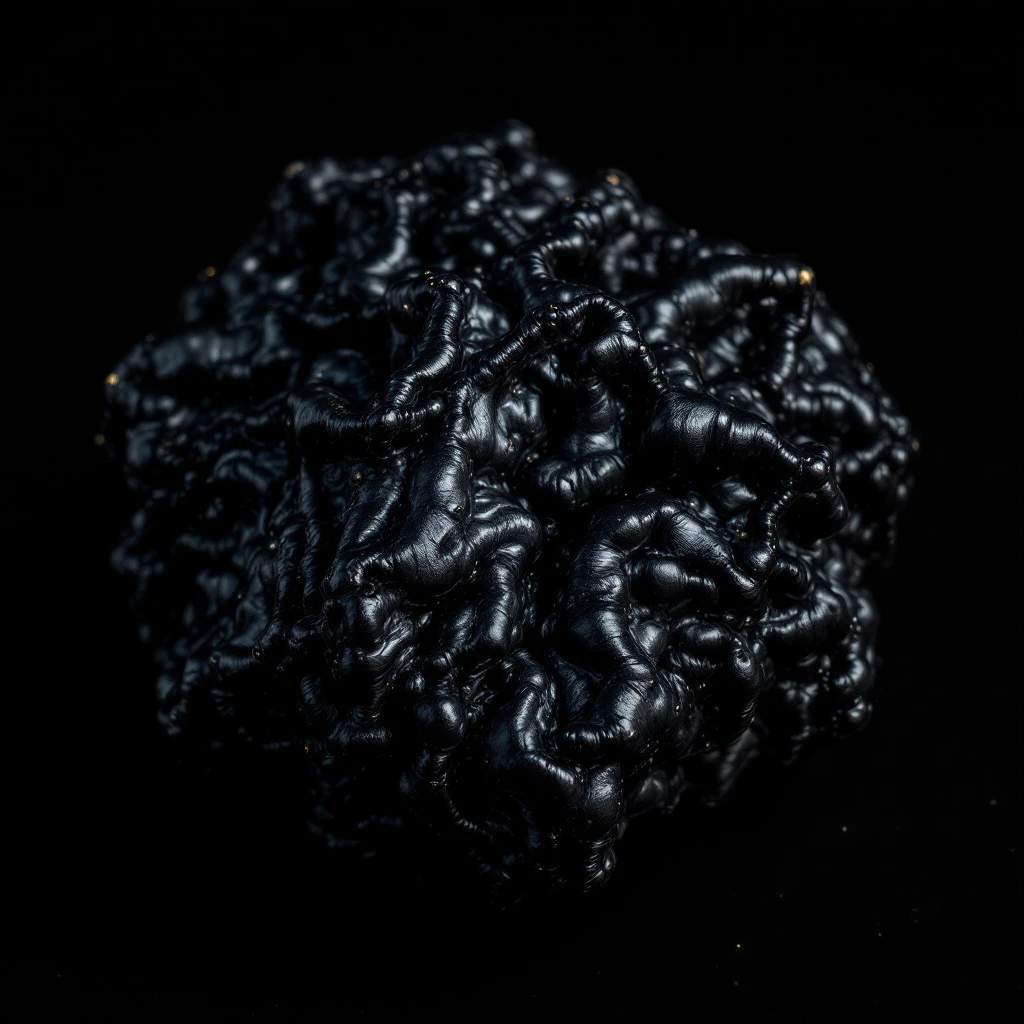
Character
How it smells
A tropical fruit accord with creamy depth and leafy green contrast.
Cempedak shares its botanical family with breadfruit and produces aromatic flowers used in Southeast Asian foods and ceremonies.
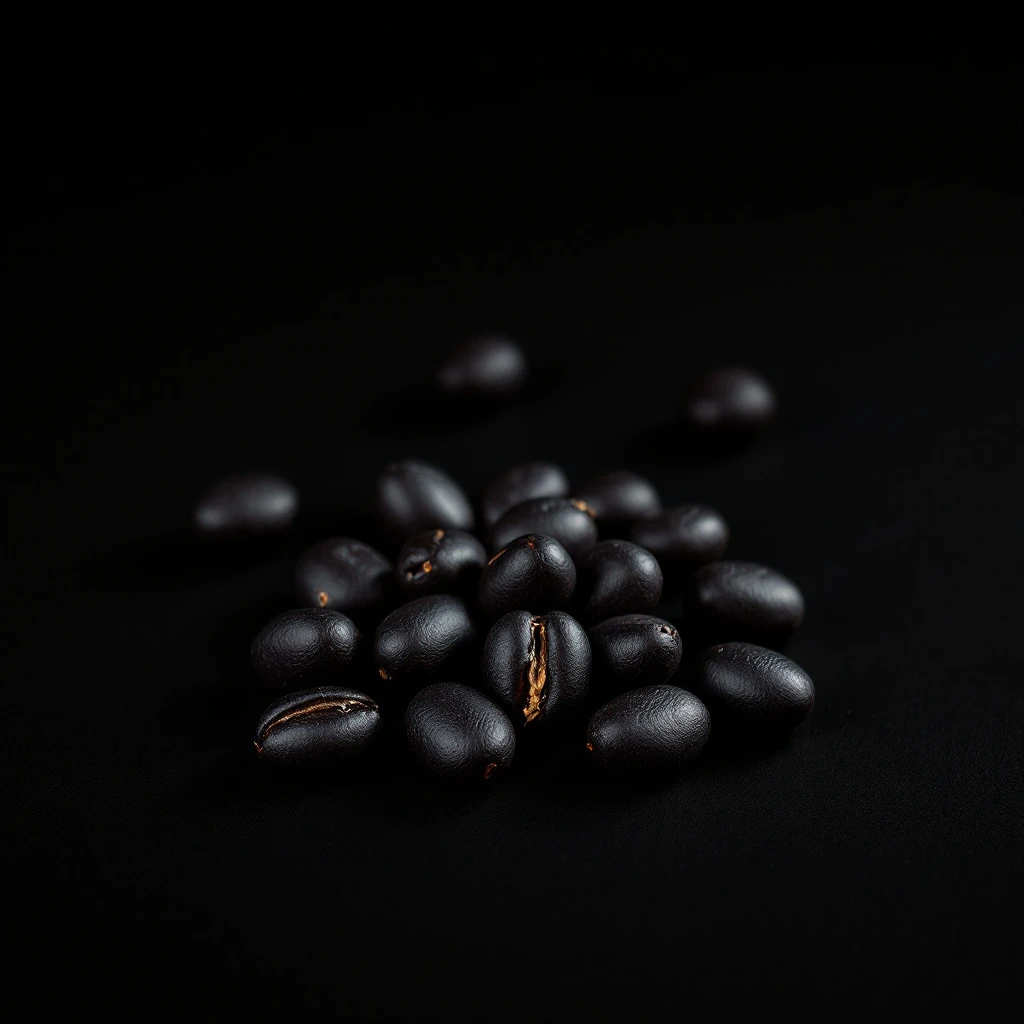
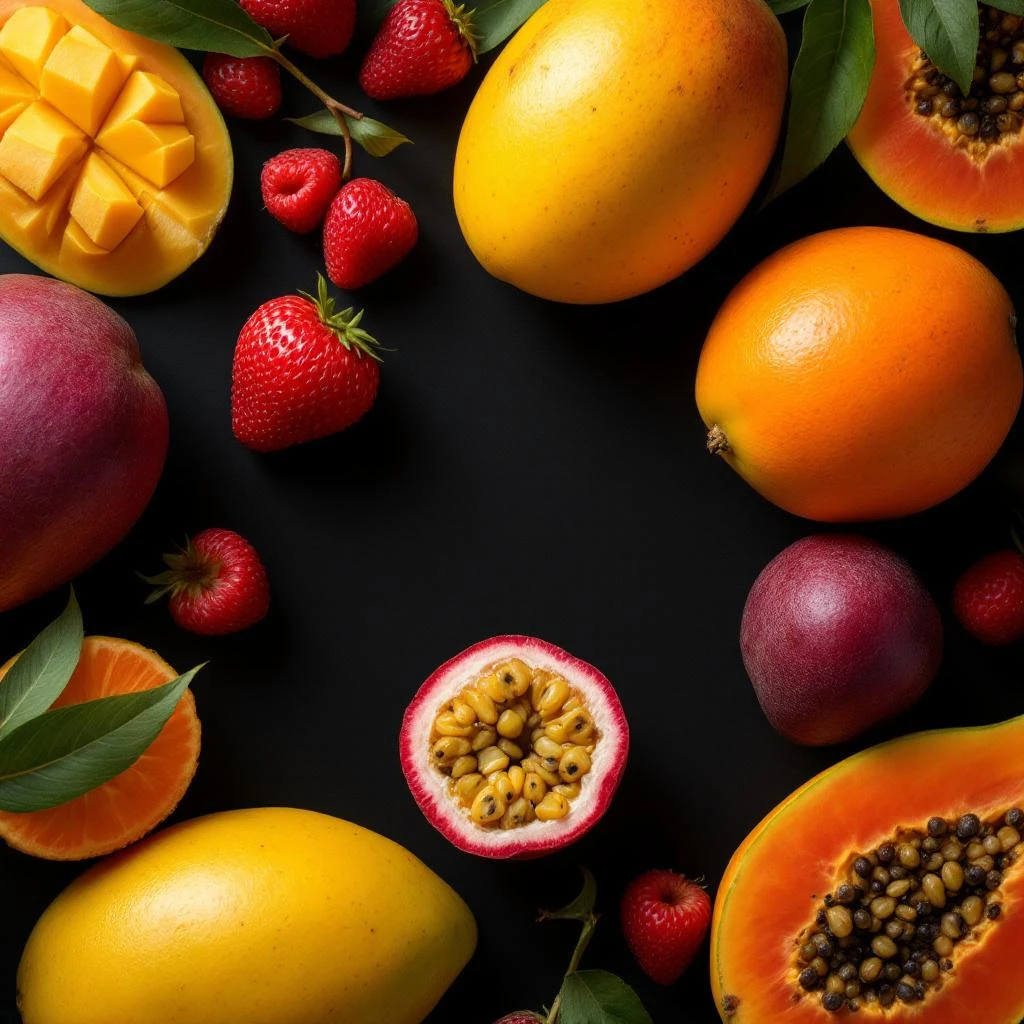


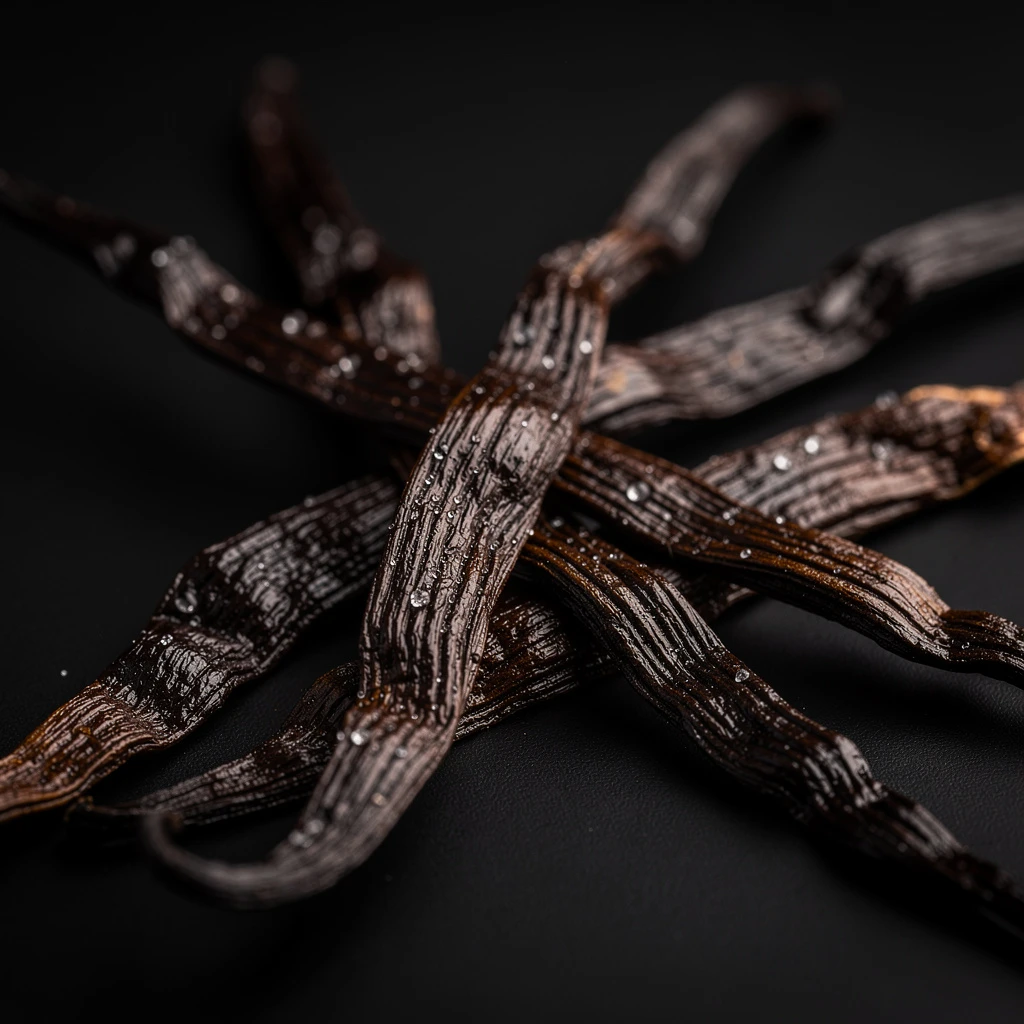

Origin
Indonesia
Cempedak, or champedak, comes from Artocarpus integer, a tree long associated with Southeast Asia, especially Indonesia and Malaysia. Its large, aromatic fruit contains sweet flesh and a durian-like odor, while its flowers and young leaves also carry fragrance.
In Indonesian cuisine, the flowers appear in dishes such as urap and pecel, and the tree holds an important place in Javanese food traditions. The fruit is sometimes called jackfruit, though cempedak is a distinct species and has its own established profile.
Modern perfumery draws on its creamy, tropical character and pairs it with leafy notes. Its historical role as a culinary aromatic lends the note cultural depth, even though contemporary fragrance versions are usually synthetic reconstructions.
Wears it best
Fragrances featuring Cempedak

Brands
Brands known for Cempedak
Good to know
Questions, answered
The essentials on Cempedak in perfumery: how it smells, where it comes from, and how it behaves on skin.
What does cempedak smell like in perfume?
Cempedak smells creamy, tropical, and fruit-forward, often with a durian-like undertone. Its profile also includes green leaves, soft florals, and warm woody notes that give the fruit accord depth.
Is cempedak the same as durian?
No, but their fragrances share a distinctive tropical character. Cempedak is fruitier and creamier, while durian is commonly described as more pungent, sulfurous, and intense.
Is cempedak related to breadfruit and jackfruit?
Yes. Cempedak belongs to the same genus, Artocarpus, as breadfruit and jackfruit. This shared plant lineage explains their related fruit textures and tropical aromatic profiles.
Where does cempedak come from?
Cempedak is native to Southeast Asia and is strongly associated with Indonesia and Malaysia. It also grows in neighboring tropical regions, including parts of the Philippines and Thailand.
How is cempedak fragrance produced?
Most cempedak fragrance accords use aroma chemicals rather than essential oil. Perfumers combine fruity esters, creamy lactones, green leafy materials, and controlled sulfurous facets to reproduce its characteristic aroma.
Which part of the cempedak plant is used in perfumery?
The fruit supplies the idea of the scent, while leaves and flowers provide related aromatic references. In practice, commercial fragrances usually recreate these materials synthetically rather than distilling them directly.
Is cempedak used in traditional food?
Yes. Cempedak flowers are eaten in Indonesian and Malaysian cuisines, including vegetable salads and peanut-sauce dishes. Their distinctive aroma makes them more strongly scented than ordinary leafy greens.
What fragrance families suit cempedak?
Cempedak fits tropical, fruity, gourmand, and soft floral compositions. It also works well with woods and resins because their dry warmth softens the fruit accord's rich, durian-like depth.