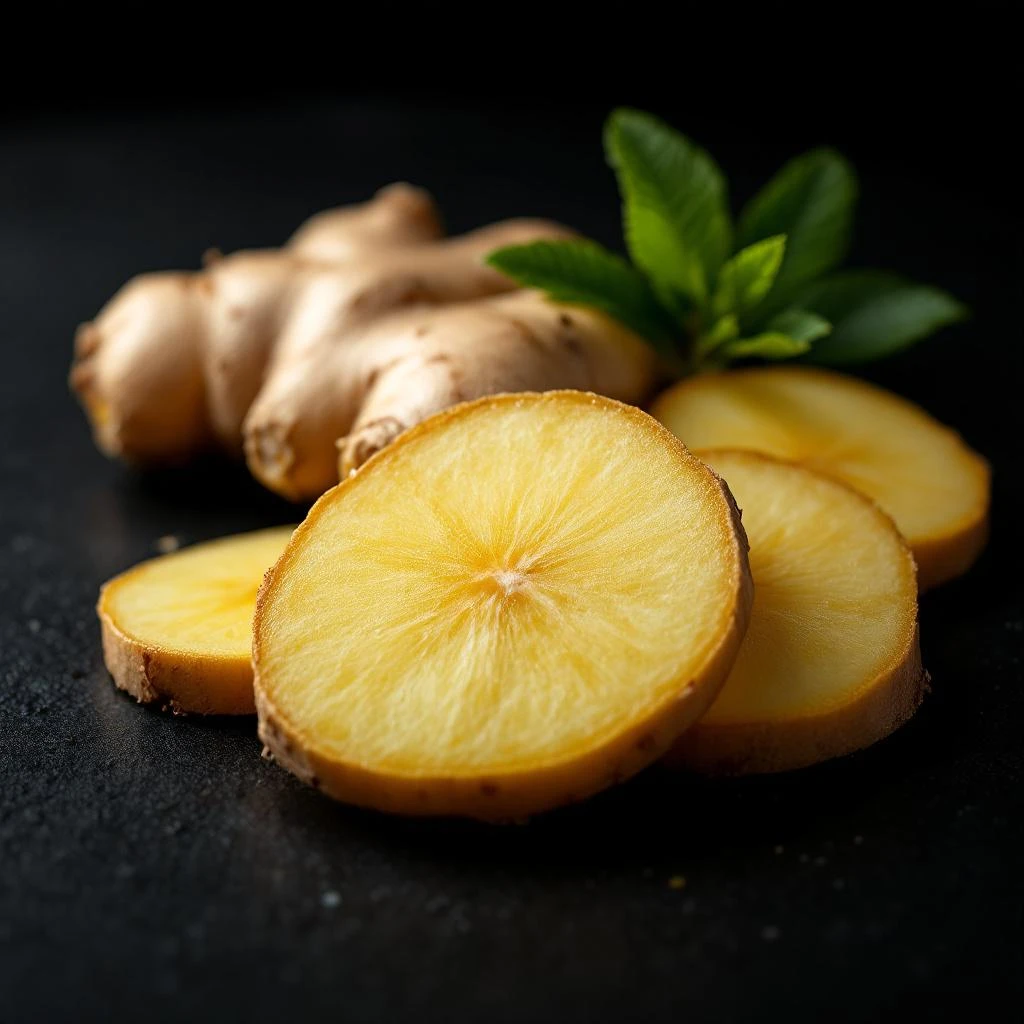
Cassumunar Ginger
Cassumunar ginger (Zingiber cassumunar) is a warming, camphoraceous ingredient from the ginger family. Distinct from common ginger, it delivers deeper, more medicinal freshness with woody undertones. Used for centuries in Asian wellness traditions, it now appears in perfumery as a source of aromatic complexity.
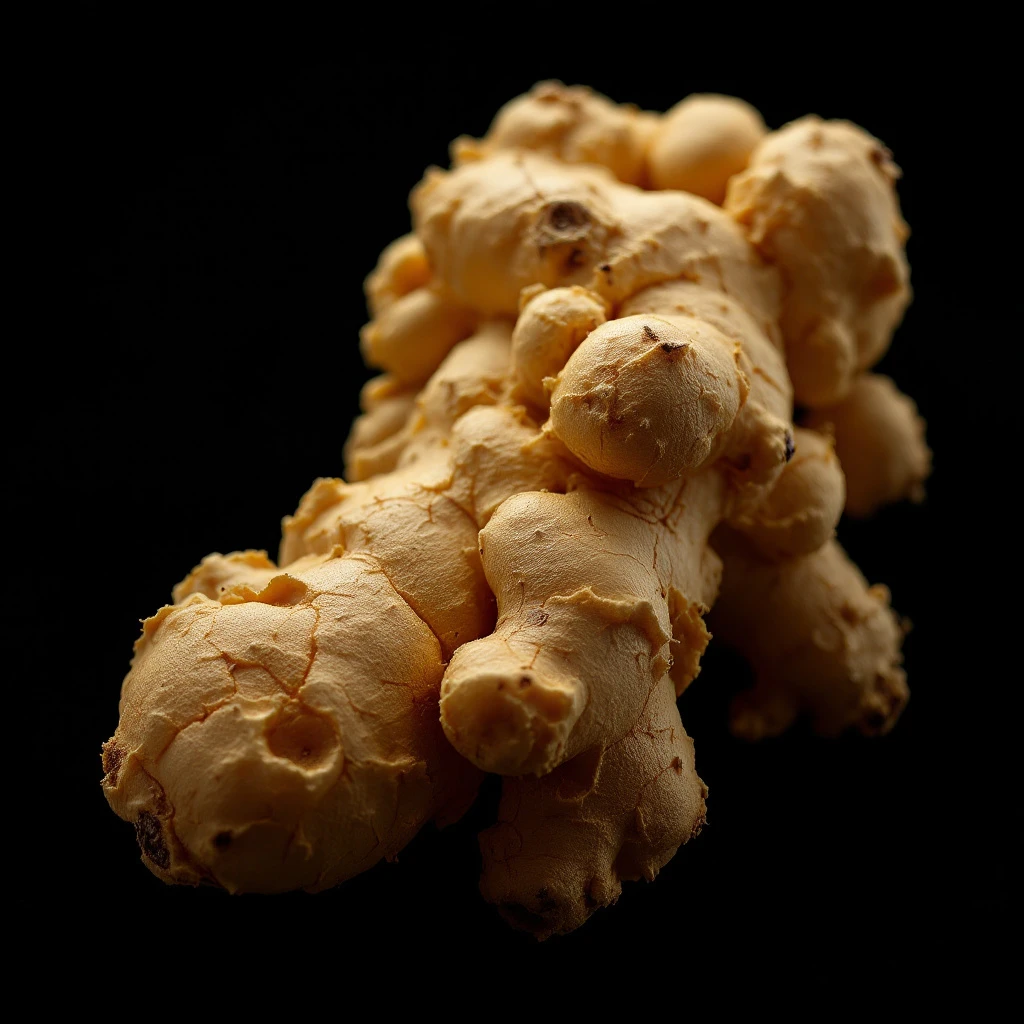
Character
How it smells
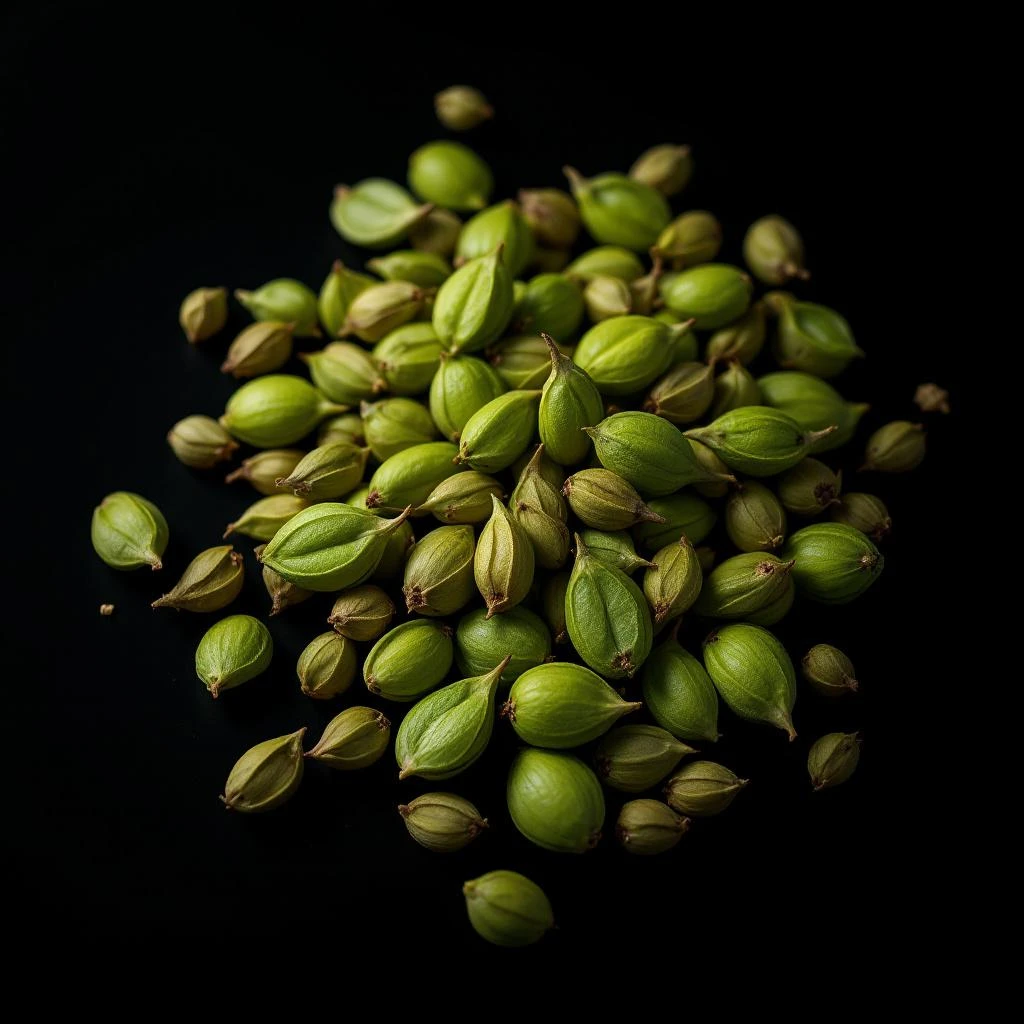
A cousin of ginger with deeper, more medicinal warmth.
In Thailand, cassumunar has been used for centuries in traditional massage oils, where its anti-inflammatory properties made it a remedy for muscle pain and joint stiffness.





Origin
Thailand
Cassumunar ginger has deep roots in the traditional medicine of South and Southeast Asia, where it earned recognition in Ayurvedic texts and regional healing systems. Ancient practitioners valued the root for its anti-inflammatory properties, incorporating it into treatments for joint pain, respiratory congestion, and digestive complaints. Healers applied it in poultices, infused oils, and medicinal formulations passed down through generations.
In Thailand, where the plant carries the name "เปล้า" (Plai), cassumunar featured prominently in royal medical traditions. Thai physicians documented its warming qualities and used it extensively in therapeutic preparations designed to restore balance and vitality. The root's dual reputation as medicine and aromatic substance reflects the interconnected nature of ancient healing and perfumery traditions.
The ingredient traveled along historic trade routes, spreading from India through Southeast Asia where it became embedded in local wellness practices. Each culture developed distinct applications: Indonesian healers used it for its warming properties, Chinese physicians employed it in formulas for circulation and inflammation. This widespread adoption across multiple civilizations speaks to its recognized efficacy and aromatic appeal.
Today, cassumunar ginger maintains its presence in perfumery as perfumers seek ingredients with depth and cultural resonance. Its history as a healing agent lends the material a sense of authenticity that synthetic alternatives cannot replicate, making it a bridge between traditional knowledge and contemporary fragrance creation.
Wears it best
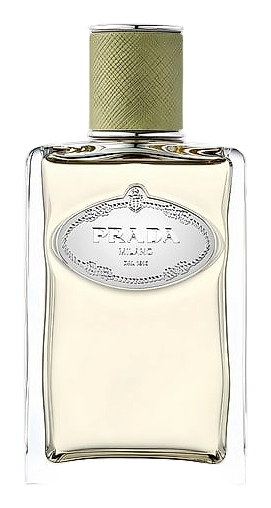
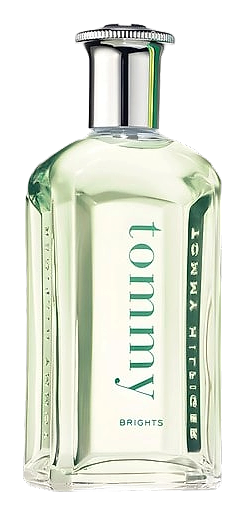
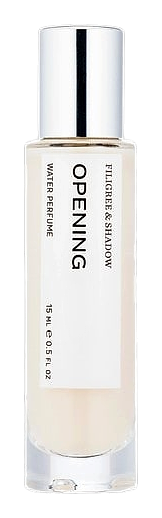
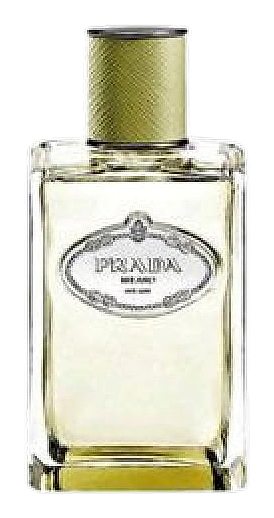
Fragrances featuring Cassumunar Ginger

Brands
Brands known for Cassumunar Ginger
Good to know
Questions, answered
The essentials on Cassumunar Ginger in perfumery: how it smells, where it comes from, and how it behaves on skin.
What is cassumunar ginger in perfumery?
Cassumunar ginger is a fragrance ingredient derived from Zingiber cassumunar, a plant in the ginger family. It provides a warm, camphoraceous aroma with woody undertones that differs from common ginger by featuring higher sabinene and camphor content.
How does cassumunar ginger differ from regular ginger in fragrance?
While both belong to the ginger family, cassumunar has a more medicinal, camphorated character with sharper freshness. Regular ginger (Zingiber officinale) offers sweeter, more citrusy warmth. Cassumunar brings depth that works well in base note compositions.
What extraction method produces cassumunar ginger oil?
Steam distillation extracts cassumunar ginger oil from the plant's rhizomes. This process uses steam to carry volatile aromatic compounds from the plant material, then condenses and separates the oil from the hydrosol.
Where does cassumunar ginger originate?
Cassumunar ginger originates from South and Southeast Asia, with strong historical ties to India and Thailand. The plant thrives in tropical climates and has been cultivated for centuries across the region for both medicinal and aromatic purposes.
What does cassumunar ginger smell like?
Cassumunar ginger oil has a warm, fresh aroma combining camphor sharpness with woody, slightly medicinal undertones. The scent is more complex than common ginger, with a distinctive sharpness that adds aromatic interest to fragrance blends.
What compounds define cassumunar ginger's aroma?
Sabinene and camphor are the primary aromatic compounds in cassumunar ginger oil. These constituents create its characteristic warm, camphorated profile with fresh, slightly medicinal qualities that distinguish it from other ginger species.
How long has cassumunar been used in perfumery?
Cassumunar ginger has been used in perfumery since ancient times, initially appearing in medicinal preparations and aromatic formulations in Thai and Indian traditions. Its transition to dedicated fragrance use developed as perfumers recognized its unique aromatic qualities.
Can cassumunar ginger be synthesized?
Some aromatic compounds found in cassumunar ginger, such as sabinene, can be synthesized. However, natural steam-distilled oil captures the full complexity of the plant's aromatic profile, including subtle minor constituents that contribute to its character.