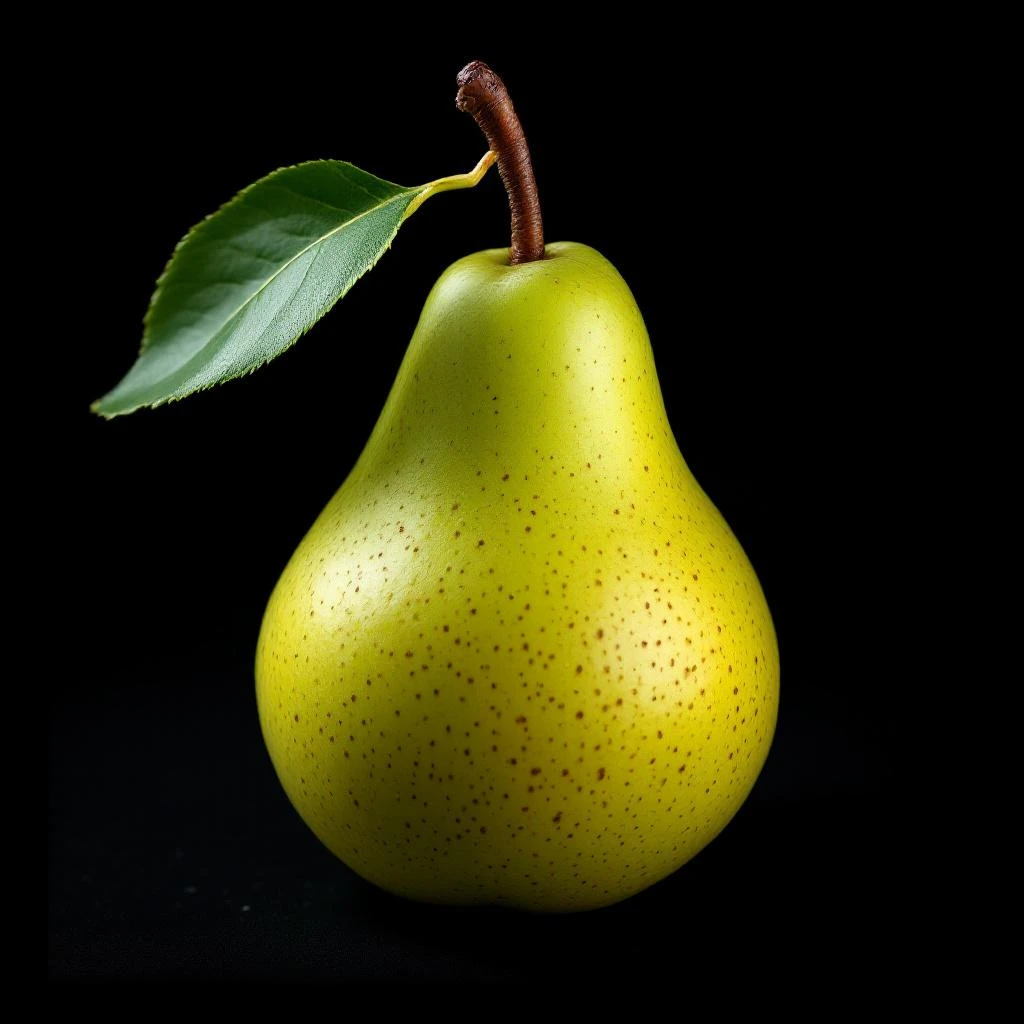
Casaba Melon
Casaba melon brings a sun-drenched sweetness to perfumery, with thick golden skin concealing flesh that bridges honeyed nectar and crisp, refreshing cool. Discover this beloved warm-climate fruit and its role in fragrance.
Character
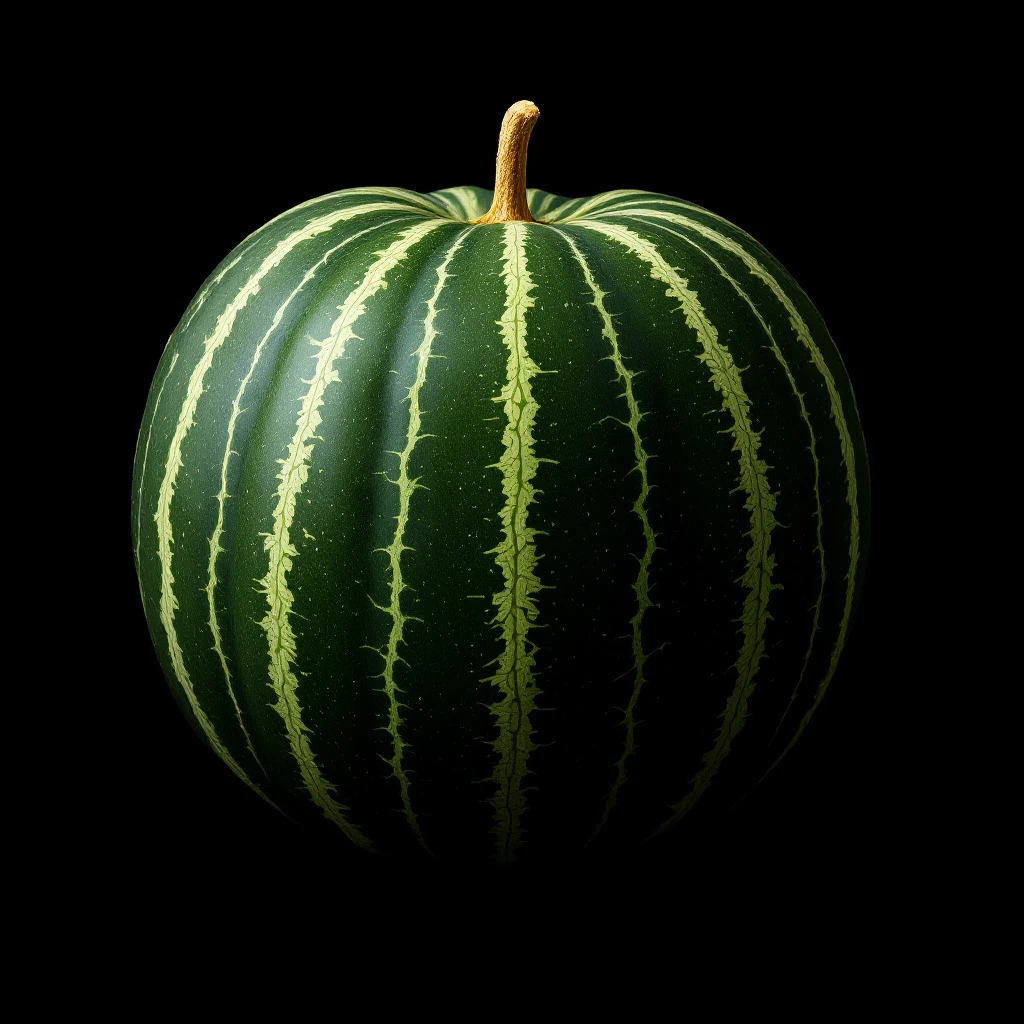
How it smells
Desert sweetness, golden rind, liquid sunshine.
The casaba melon's thick rind evolved as protection against arid conditions, making the aromatic flesh within even more intensely fragrant.





Origin
India
The casaba melon carries ancient roots across two continents, with origins traced to the hot, dry regions of India and the African deserts. Egyptian cultivation dates to approximately 500 B. C.
, where the thick-skinned fruit was valued both as food and medicine. Ancient Mesopotamian extraction techniques, developed over 3200 years of aromatic experimentation, eventually spread melon cultivation throughout the Mediterranean world. The casaba variety specifically likely emerged through centuries of selective breeding focused on the thickest, most protective rinds and the most intensely aromatic flesh.
Ancient perfumers would have encountered fresh melon in market stalls and incorporated the fleeting scent into early fragrance compositions, typically blending melon essence with local resins, spices, and aromatic woods. The fruit's association with hydration and cooling made it symbolic in hot-climate cultures. As perfumery evolved through the 19th and 20th centuries with synthetic chemistry, melon emerged as one of the signature notes of modern fruity-fresh compositions, though by then the natural material had been largely replaced by lab-created aroma molecules.
Wears it best
Fragrances featuring Casaba Melon
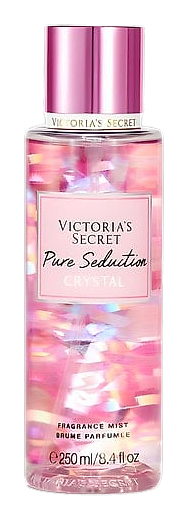
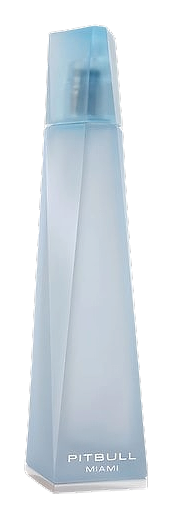
Brands
Brands known for Casaba Melon
Good to know
Questions, answered
The essentials on Casaba Melon in perfumery: how it smells, where it comes from, and how it behaves on skin.
Is casaba melon natural or synthetic in perfumery?
Most casaba melon ingredients are synthetic aroma compounds. Natural melon absolute is extremely rare because the fruit's high water content makes extraction challenging and costly. Synthetics like cis-6-nonenal reliably reproduce the fresh melon character.
What does casaba melon smell like?
Casaba melon smells sweet and watery with subtle musky undertones and fresh green notes. The thick rind contributes honeyed warmth while the flesh delivers clean, refreshing sweetness reminiscent of biting into ripe summer melon.
How is casaba melon extract obtained for fragrance?
Steam distillation produces negligible yield from fresh melon due to its water content. Most casaba melon notes come from synthesized aromatic molecules like cis-6-nonenal. Limited solvent extraction of the flesh can yield melon absolute, but this remains uncommon.
What fragrance families use casaba melon?
Casaba melon appears primarily in fruity and fresh fragrance families. It pairs naturally with aquatic notes, other tropical fruits, white florals, and green accords. The note works especially well in summer and daytime fragrances.
When was melon first used in perfumery?
Ancient Egyptians cultivated melon around 500 B.C. and likely incorporated the scent into early fragrance preparations. However, melon became a significant perfumery ingredient only after synthetic aromatic compounds became available in the 20th century.
How does casaba melon differ from cantaloupe in fragrance?
Casaba melon offers honeyed, thicker sweetness compared to cantaloupe's lighter, more orange-like character. The casaba variety's higher sugar content and thicker rind contribute more intense aromatic extract with deeper, slightly spicier undertones.
What growing conditions affect casaba melon aroma?
Soil composition, sunlight exposure, and rainfall patterns directly influence aromatic intensity. The fruit evolved in hot, dry conditions where thick rinds developed as protection, concentrating the fragrant compounds within the flesh.
Is casaba melon related to cucumber in botanical terms?
Both casaba melon and cucumber belong to the Cucumis melo species. The casaba melon's desert origins explain its thick protective rind and drought-resistant growing patterns, which also concentrate its aromatic compounds.