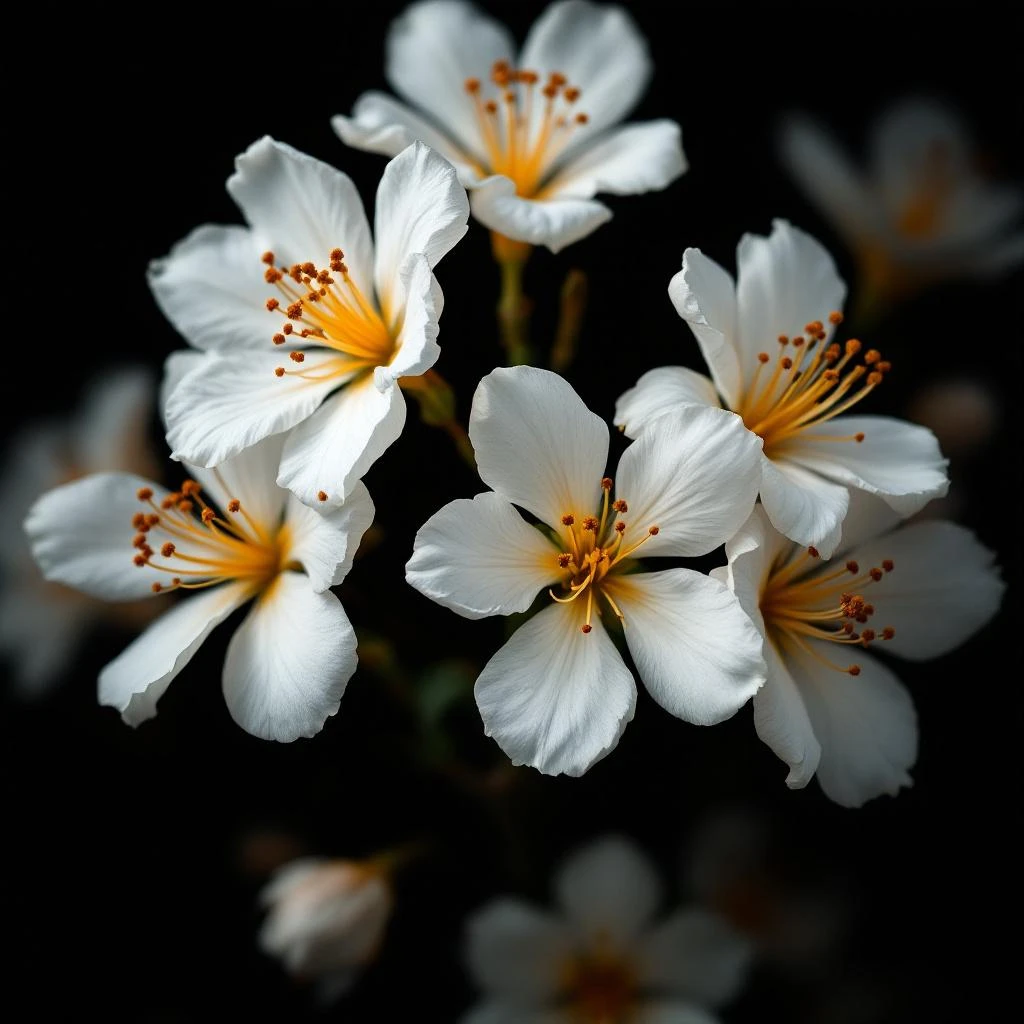
Caribbean Bitter Orange
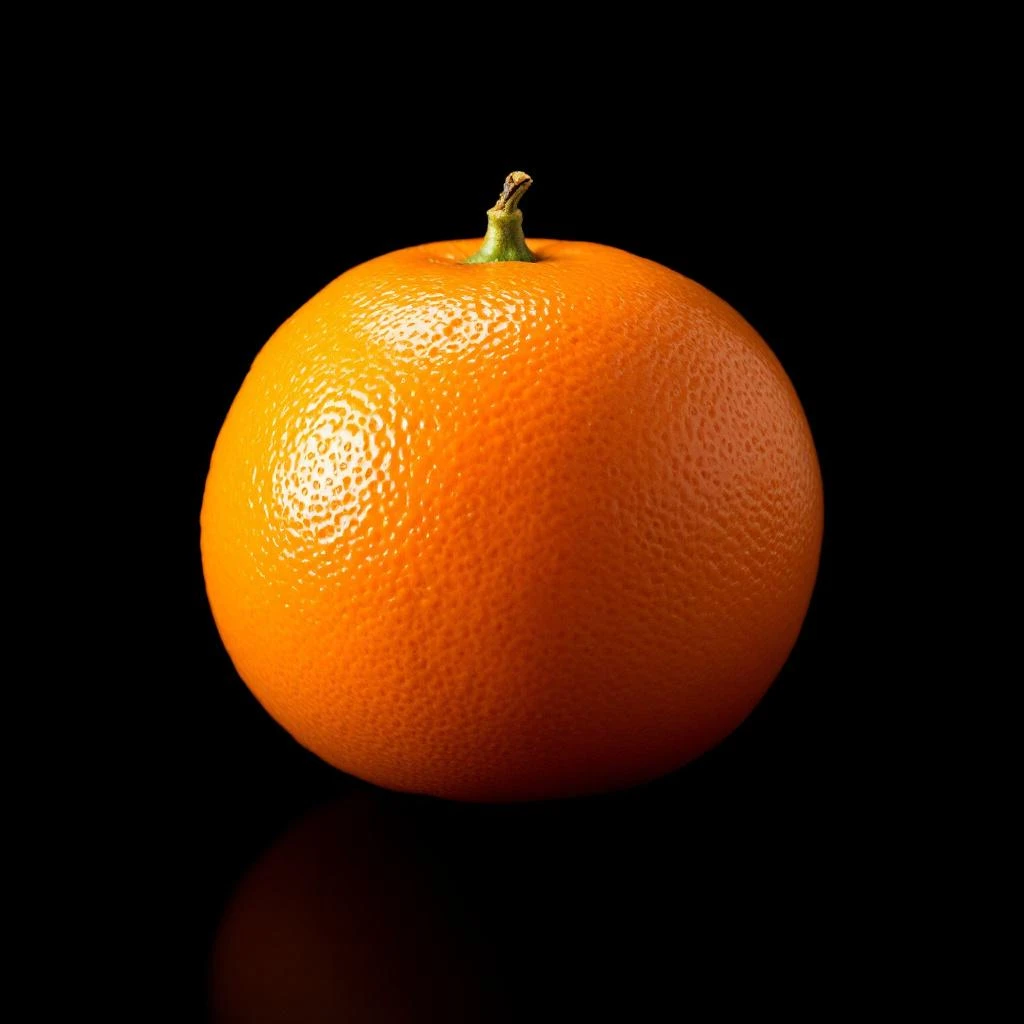
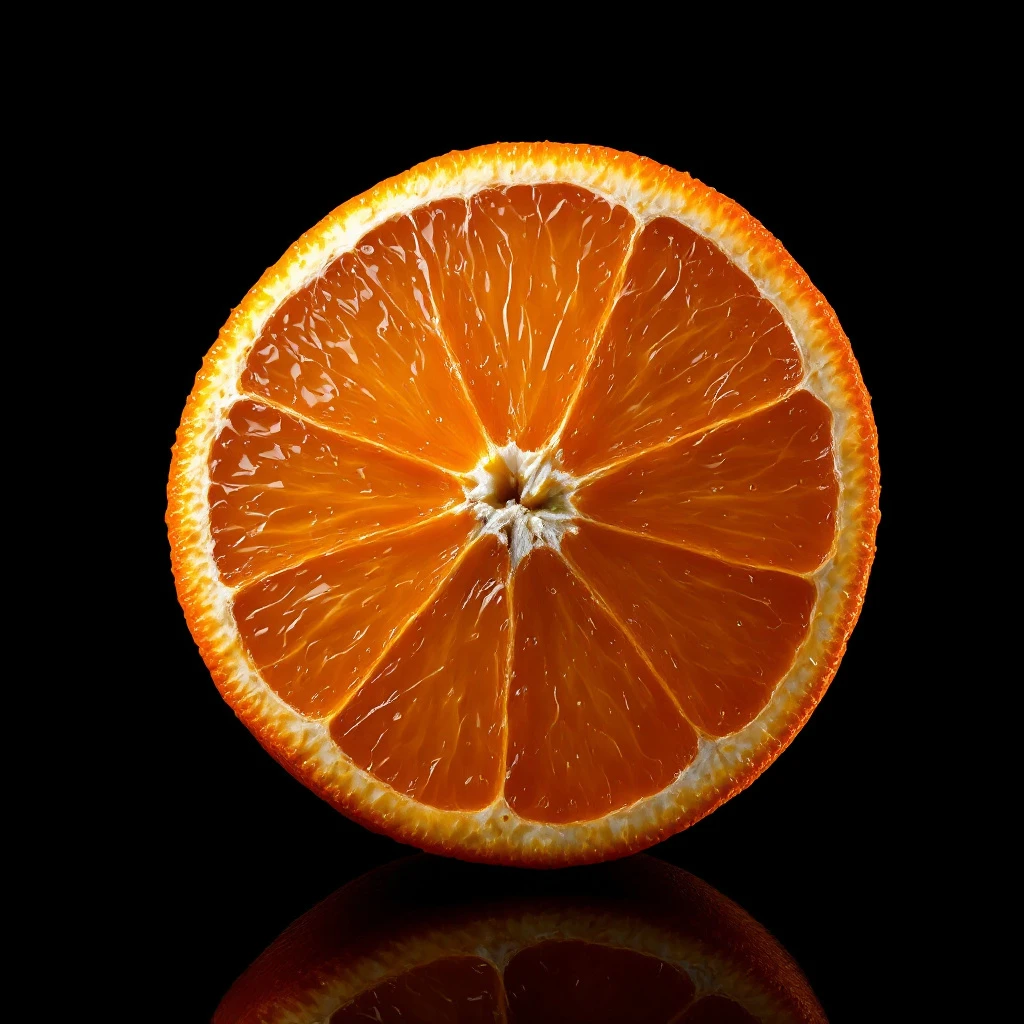
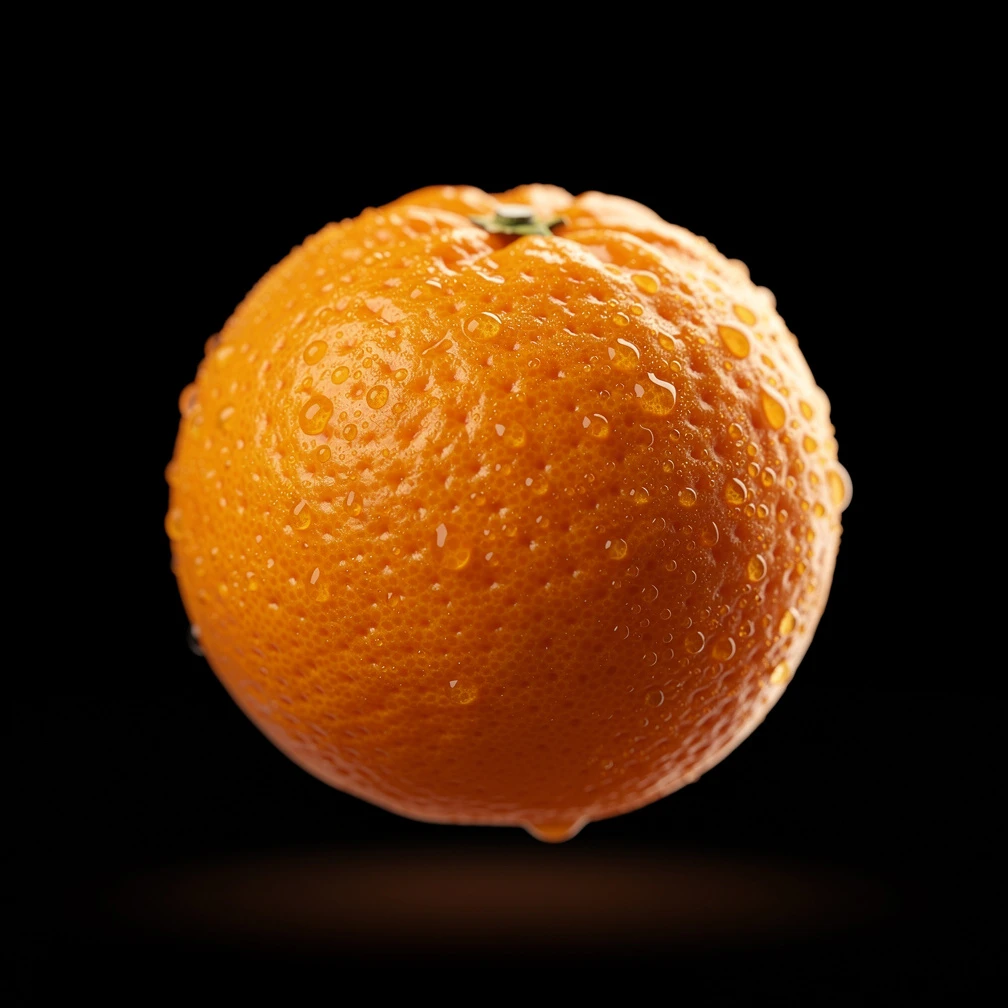
A sharp, sun-drenched citrus with a bittersweet edge. Caribbean Bitter Orange captures the tangy peel, aromatic leaves, and intoxicating blossom of the tropical bitter orange tree.
Character
How it smells
Sharp citrus, bittersweet soul, tropical warmth.
Though native to China, bitter orange reached the Caribbean via colonial trade routes, where tropical soil gave it a uniquely complex character.




Origin
China
Bitter orange traces its roots to the warm provinces of China, where it appears in ancient Sanskrit texts as 'naranga.' The Crusaders first encountered the tree during expeditions to the Eastern Mediterranean and carried seeds westward. The Moors proved decisive in its spread, transplanting bitter orange to Spain in the 10th century, where it flourished in the gardens of Al-Andalus.
From Spain, cultivation expanded throughout the Mediterranean basin. Colonial merchants then carried the tree across the Atlantic, establishing it throughout the Caribbean. Curaçao emerged as a notable center of production, its volcanic soil and tropical humidity shaping a distinctive aromatic profile.
The tree carries profound cultural weight across civilizations: in Chinese tradition, the bitter orange symbolizes good fortune, while European wedding customs adopted orange blossom as a emblem of purity and fertility. French cultivation of orange blossom for perfumery began in the early 19th century, cementing the ingredient's place in modern fragrance. The bitter orange tree's remarkable versatility, yielding peel, leaf, flower, and twig materials, ensured its place as one of perfumery's most prized botanicals.
Wears it best
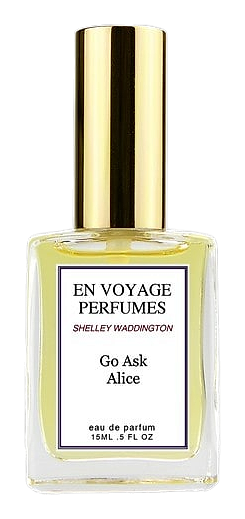
Fragrances featuring Caribbean Bitter Orange
Brands
Brands known for Caribbean Bitter Orange
Good to know
Questions, answered
The essentials on Caribbean Bitter Orange in perfumery: how it smells, where it comes from, and how it behaves on skin.
What makes Caribbean Bitter Orange different from other bitter orange varieties?
Caribbean cultivation produces intensely bitter, concentrated peel due to tropical humidity and volcanic soil. Sicily leads global production at 200-300 metric tons, but Caribbean origins deliver a distinctly complex aromatic profile shaped by unique climatic conditions.
What four materials does the bitter orange tree yield for perfumery?
The tree produces petitgrain from leaves and twigs, neroli from flowers, orange blossom absolute from petals, and orange oil from the peel. Each material offers a distinct olfactory character, from fresh-green petitgrain to honeyed neroli.
How is petitgrain oil extracted?
Petitgrain is obtained via steam distillation of bitter orange leaves and twigs. This method captures the fresh, citrusy, slightly woody aromatic profile without the heat damage that other extraction techniques might cause.
What fragrance families commonly use bitter orange?
Bitter orange appears prominently in eau de colognes and chypre fragrances, where it provides a bright, effervescent lift. It also adds refreshing complexity to floral compositions, particularly those featuring orange blossom.
How long before a bitter orange tree produces harvestable material?
Bitter orange trees require approximately 15 years to reach full production maturity. This extended growth period contributes to the quality and complexity of the aromatic materials harvested from mature specimens.
What gives Caribbean bitter orange its characteristic flavor and aroma?
Tropical growing conditions create a peel with highly concentrated essential oils, producing more intense bitter notes than Mediterranean-grown fruit. The Caribbean climate accelerates maturation and concentrates aromatic compounds.
Can bitter orange materials be blended with other citrus notes?
Bitter orange pairs naturally with sweet orange, lemon, and bergamot. Its slightly bitter edge adds dimension to purely sweet citrus compositions, creating more sophisticated, adult-orientated fragrance profiles.
What cultural significance does bitter orange hold across traditions?
Chinese traditions associate bitter orange with good fortune, while European wedding customs adopted orange blossom as a symbol of purity. The tree's journey from Asia through the Middle East and Europe to the Caribbean reflects centuries of cultural exchange.