Cardamom Milk
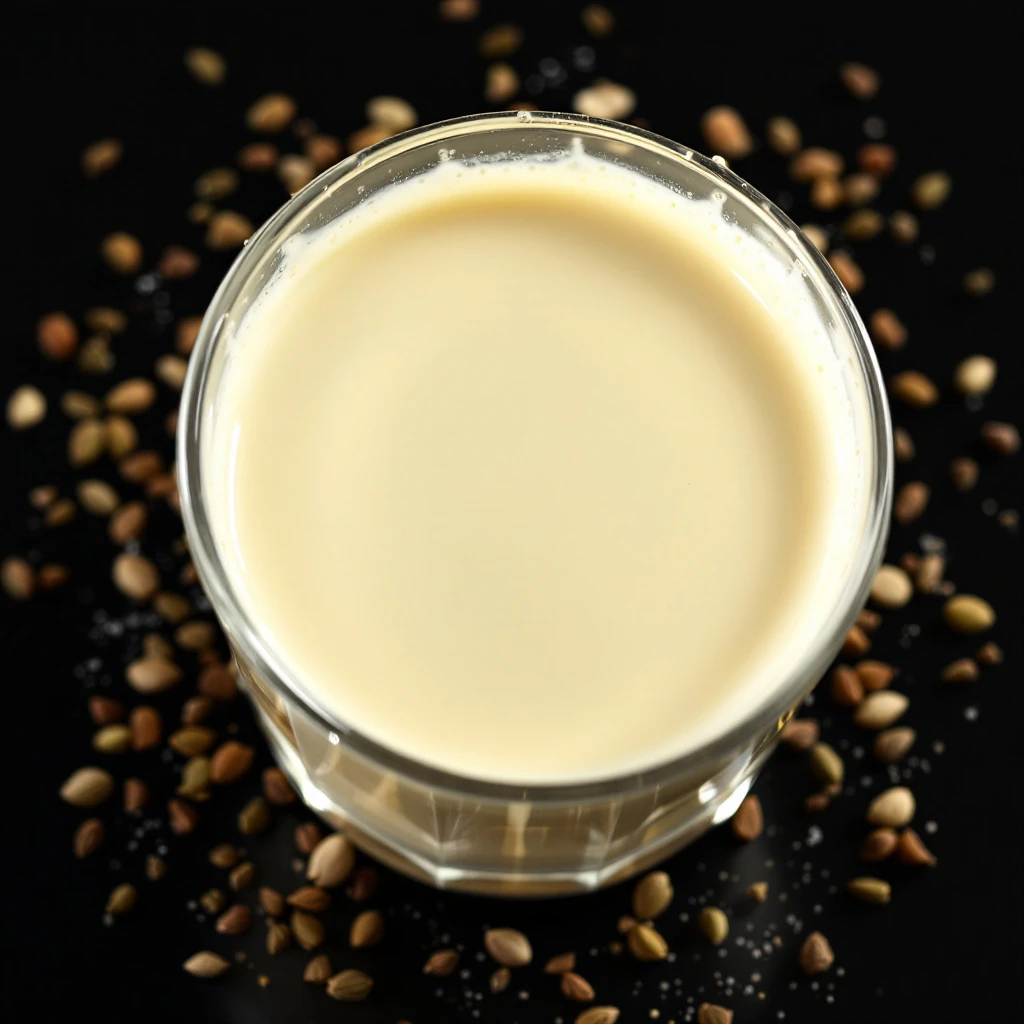
A lactonic interpretation of cardamom, blending the spice's cool, green bite with warm, velvety cream. The result feels simultaneously fresh and sensual, like warm milk sweetened with crushed cardamom pods.
Character
How it smells
Cool spice softened by warm cream.
Cardamom ranks as the third most expensive spice by weight, after saffron and vanilla.



Origin
India
Cardamom appears in written records as early as 1550 BC in ancient Egypt, where physicians used it in remedies and rituals. The spice originated in the moist forests of the Kerala region in southwestern India, where it grew wild under the canopy of the Western Ghats.
Ancient Egyptians imported it through Arabian trade routes, valuing it as a perfume ingredient and digestive aid. The Greeks and Romans later encountered it through overland spice routes.
For centuries, cardamom served not only as a culinary treasure but as a symbol of wealth and luxury across Asia and the Middle East. Arab traders guarded its sources fiercely, and it became one of the most coveted spices in the medieval world.
Wears it best
Fragrances featuring Cardamom Milk
Brands
Brands known for Cardamom Milk
Good to know
Questions, answered
The essentials on Cardamom Milk in perfumery: how it smells, where it comes from, and how it behaves on skin.
How is cardamom oil extracted for perfumery?
Steam distillation extracts cardamom oil from dried seeds, yielding a fresh, spicy profile. The seeds must be harvested just before full ripeness to preserve volatile aromatic compounds. This process produces a pale, mobile oil that captures cardamom's signature cool, eucalyptine character.
Where does the best cardamom for perfumery come from?
Guatemala leads global cardamom production, though India remains the spice's ancestral home. Guatemalan cardamom offers a deeper, more resinous character that most perfumers prefer. Indian cardamom tends toward brighter, greener qualities better suited to culinary use.
What does cardamom milk smell like?
Cardamom milk blends cool, green spice with warm cream. The cardamom provides sharp, slightly mentholated top notes, while the milk accord adds velvety sweetness. The combination feels simultaneously fresh and sensual, like sweetened warm milk infused with crushed cardamom pods.
How long has cardamom been used in perfumery?
Ancient Egyptians used cardamom in scented preparations around 1550 BC, making it one of the oldest documented perfume ingredients. The spice traveled through Arabian trade routes to Greece, Rome, and beyond, cementing its place in perfumery history long before modern extraction techniques.
What makes cardamom milk different from regular cardamom?
Cardamom milk softens the spice's natural sharpness with lactonic, creamy accords. Pure cardamom oil reads as sharp and eucalyptine; the milk interpretation tempers that bite into something warmer and more edible. The result sits closer to skin, feeling softer and more intimate.
What fragrance families pair well with cardamom?
Cardamom milk performs best in oriental and gourmand compositions. It anchors amber bases, enriches vanilla structures, and adds aromatic complexity to spicyoriental fragrances. The creamy quality also suits modern fougere and fresh spicy directions.
Which famous fragrances showcase cardamom milk?
Many contemporary fragrances feature cardamom as a heart note, often in combination with creamy base materials. The note has grown more prominent in recent years as perfumers seek spices that feel simultaneously fresh and warm. Cardamom's versatility makes it a staple in both masculine and feminine compositions.
What terpenes define cardamom's scent profile?
Cardinal terpenes include 1,8-cineole, which provides the characteristic cool, mentholated sensation, and alpha-terpinyl acetate, which contributes the sweet, floral backbone. These compounds together create the distinctive sparkling-spicy signature that perfumers recognize immediately.