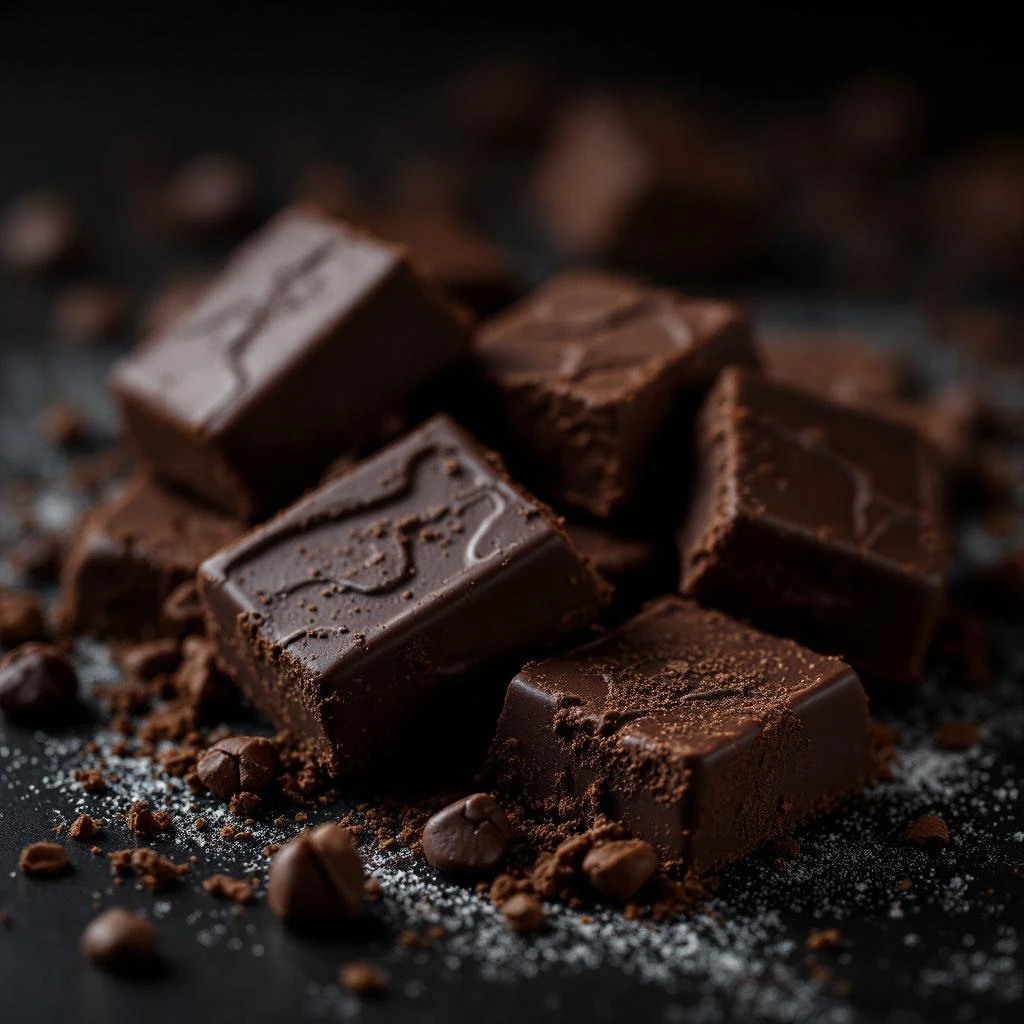
Caramelized Nuts
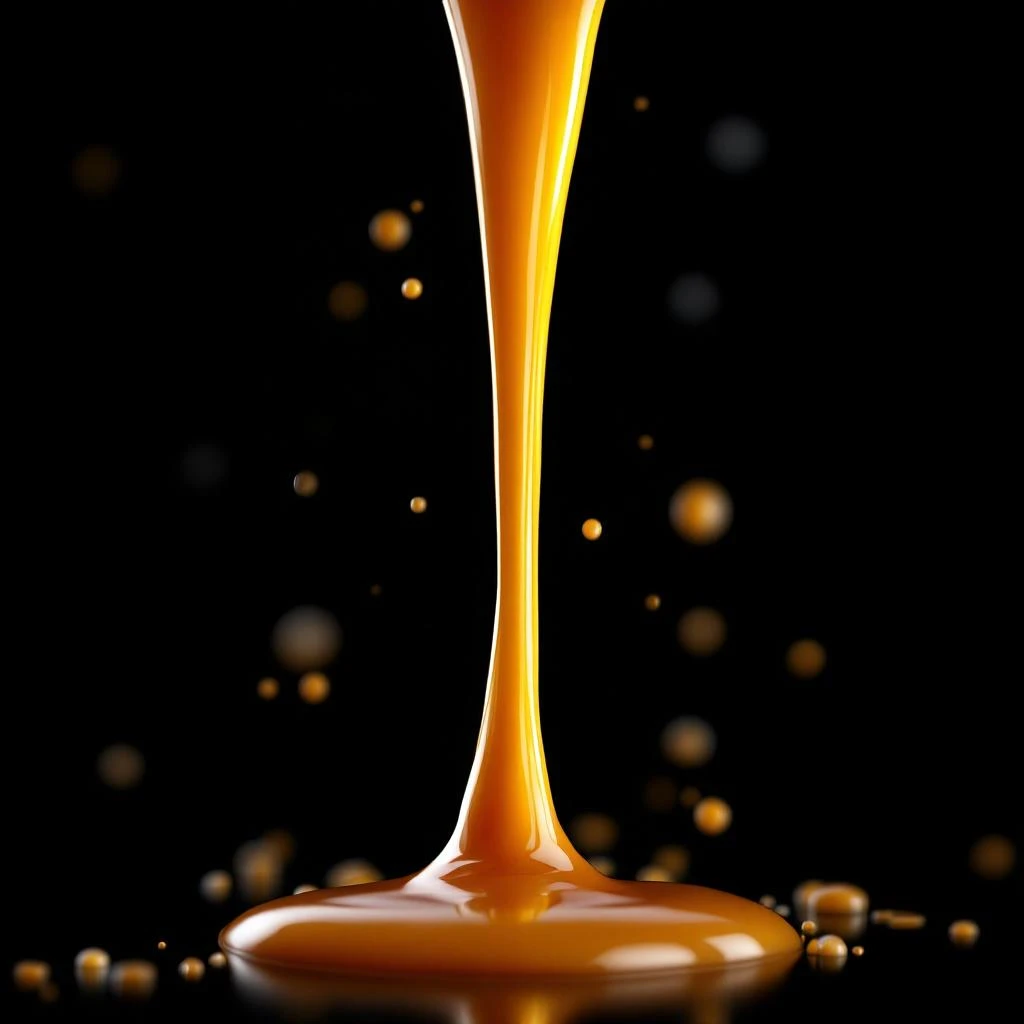
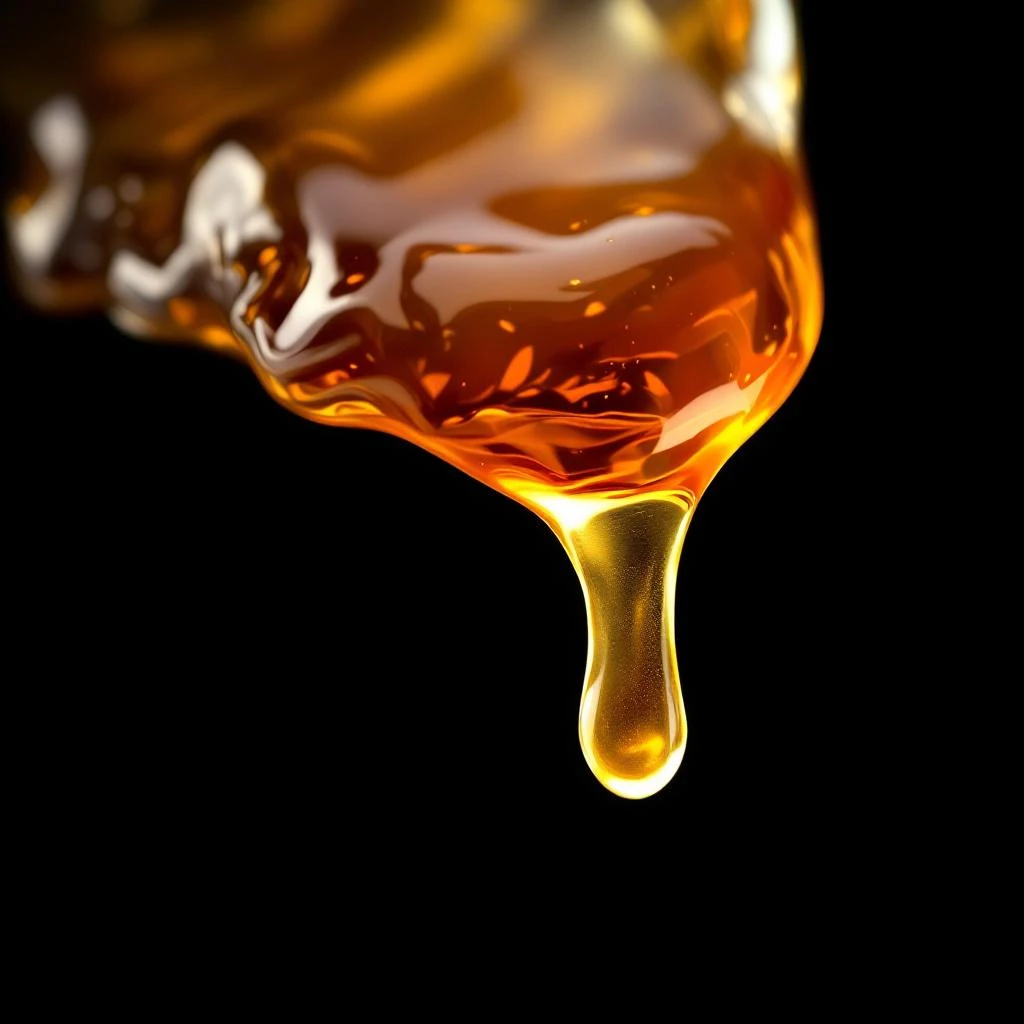
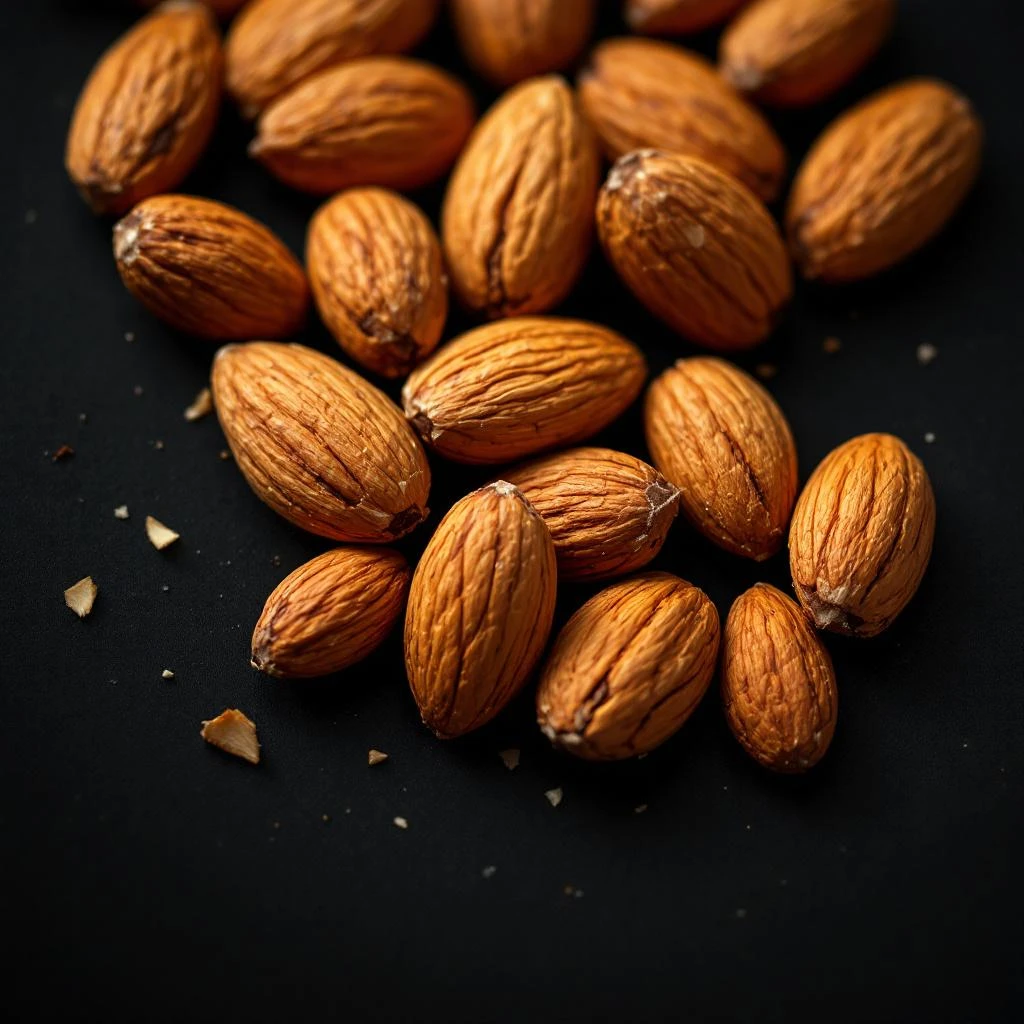
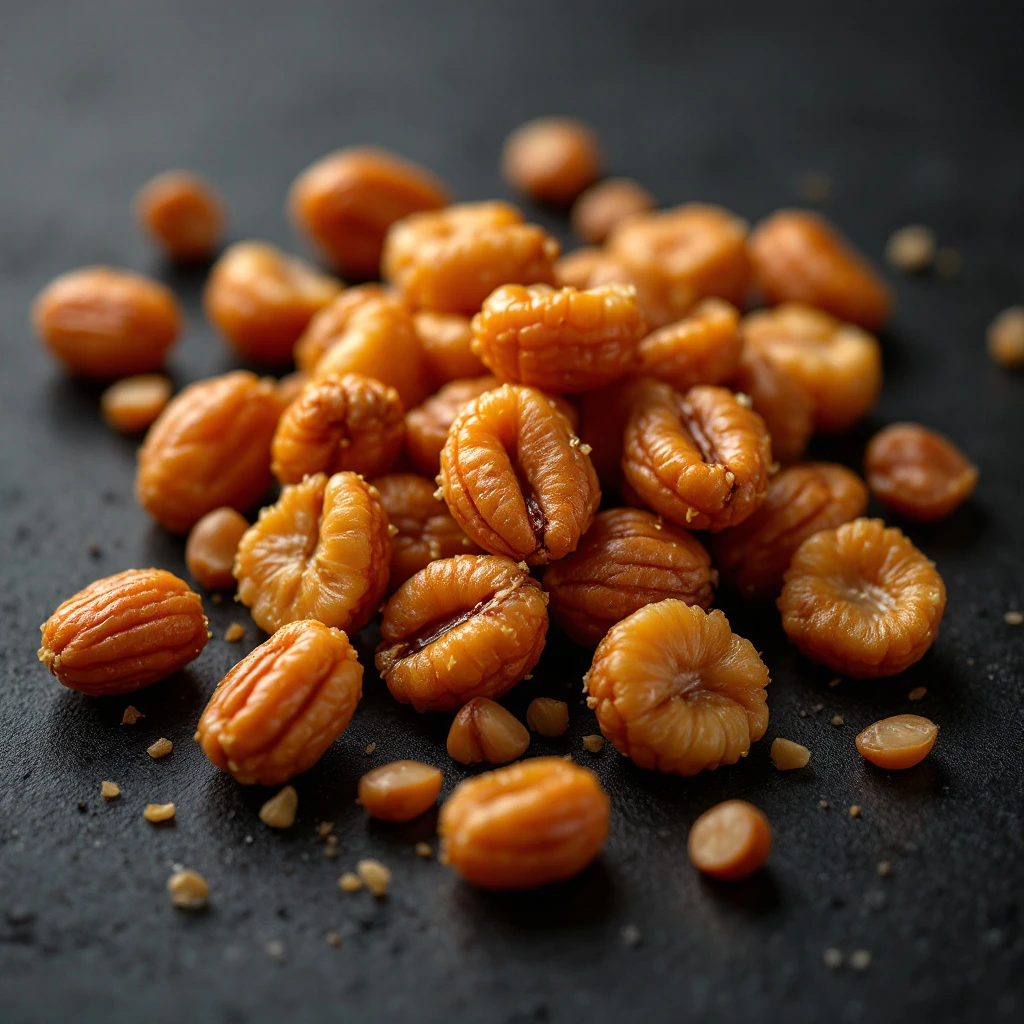
The warm, sweet scent of roasted nuts with caramelized depths. A gourmand essential that adds edible richness and comfort to fragrance compositions.
Character
How it smells
Warm. Sweet. Addictive.
The caramelized nut character in most fragrances comes from synthetic aroma compounds rather than actual nut extracts, yet they recreate that unmistakable warm-buttery sweetness.





Origin
France
The concept of caramelized nuts predates modern perfumery by centuries, rooted in culinary traditions where roasting nuts with sugar created distinctive flavors. Ancient Mediterranean cultures roasted almonds and hazelnuts, developing the techniques that would later inspire perfumers. However, caramelized nuts as a deliberate fragrance note emerged during the 1990s gourmand revolution, when perfumers began translating edible-inspired concepts from kitchen chemistry into scent compositions.
The rise of oriental and amber fragrance families in that decade created the perfect context for warm, sweet, edible notes. Perfumers discovered that applying Maillard reaction principles from cooking to fragrance work produced compelling results. Today, caramelized nuts appears across mens and womens fragrances, from orientals to florals, valued for the comfort and warmth it brings.
The note has become a signature element in contemporary perfumery, particularly in designer and niche fragrances seeking accessible, emotional appeal.
Wears it best
Fragrances featuring Caramelized Nuts


Good to know
Questions, answered
The essentials on Caramelized Nuts in perfumery: how it smells, where it comes from, and how it behaves on skin.
What does caramelized nuts smell like in perfume?
Caramelized nuts delivers a warm, sweet, edible aroma with toasted and buttery qualities. Think the scent of hazelnuts roasting with sugar: rich, warm, and comforting. It creates an impression of indulgence without being overpowering.
Why do perfumers use caramelized nuts in fragrances?
The note adds warmth, depth, and an immediately appealing quality to fragrances. It evokes the universal comfort of roasted nuts, triggering positive sensory associations while providing a sweet, gourmand character that works across mens and womens perfumes.
Are real nuts used in caramelized nut fragrance notes?
Most caramelized nut effects in perfumery come from synthetic aroma compounds like maltol and furaneol rather than actual nut extracts. These synthesized materials recreate the characteristic warm-sweet profile faithfully while offering better consistency and skin compatibility.
Which fragrances showcase caramelized nuts?
The note appears across fragrance families, particularly in oriental, amber, and gourmand scents. Both designer and niche fragrances use it to add warmth and edible appeal. Specific formulations vary by brand and perfumer.
What aroma chemicals create the caramelized nut effect?
Key compounds include maltol (sweet-caramel), furaneol (brown sugar-caramel), sotolon (maple-maple), and coumarin (sweet-herbaceous). Perfumery chemists blend these in carefully calculated ratios to achieve the desired warm, sweet-buttery, slightly toasted character.
What notes pair well with caramelized nuts?
Caramelized nuts combines naturally with vanilla, tonka bean, benzoin, and sandalwood, creating richer, warmer drydowns. It also pairs with amber, oriental resins, and certain florals like iris and orange blossom for added complexity.
How does concentration affect the caramelized nut character?
At low concentrations (0.5-2 percent), caramelized nuts adds subtle warmth and roundness to a fragrance. At higher concentrations (5-15 percent), it becomes a dominant gourmand note, creating an edible, indulgent impression reminiscent of confectionery.
How does caramelized nuts differ from other nutty notes?
Raw or bitter almond notes in perfumery tend toward bitter, marzipan, or slightly astringent qualities. Caramelized nuts, by contrast, brings warmth, sweetness, and the distinctive character of nuts cooked with heat and sugar: soft, edible, and comforting.