Caramelized Ginger
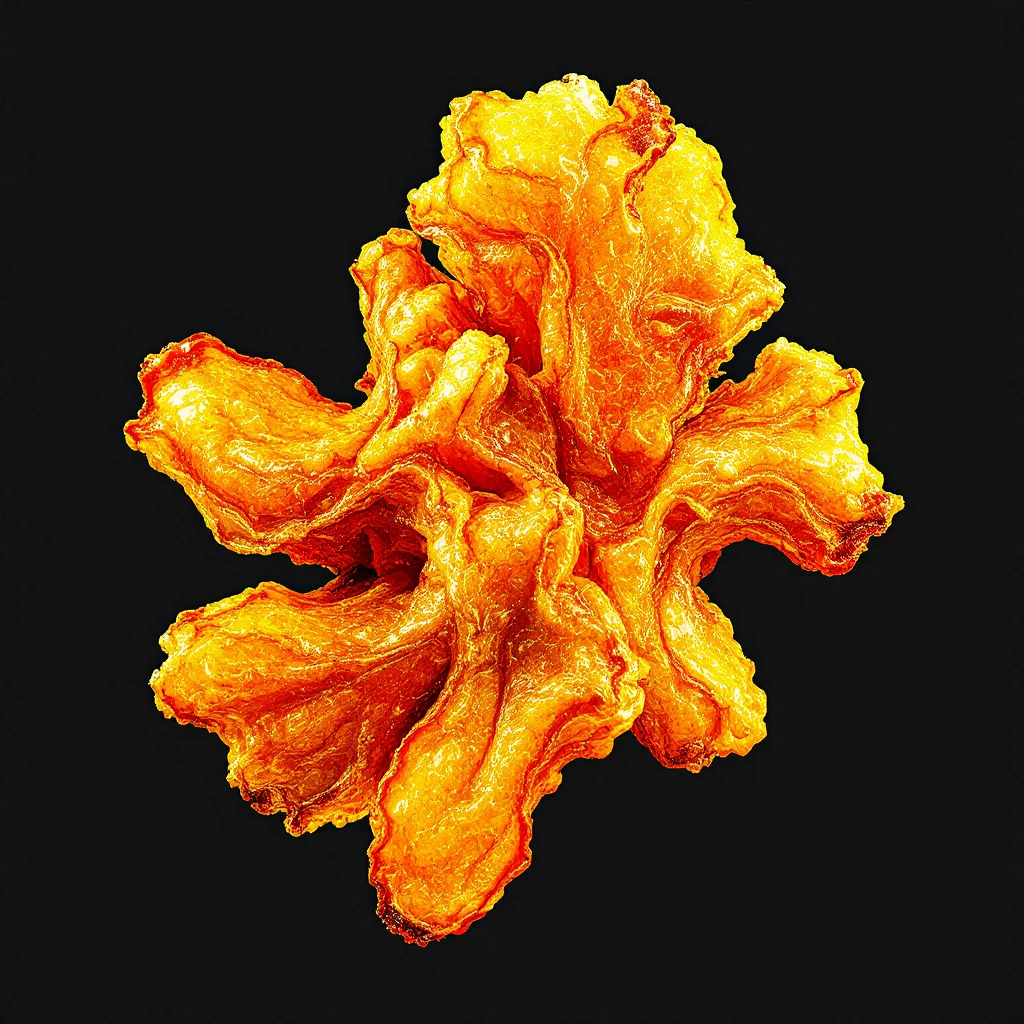
Warm, sweet-spicy ginger caramelized to golden richness. A perfumery innovation that transforms sharp, citrusy fresh ginger into a luxuriously smooth, honeyed aroma.
Character
How it smells
Ginger reimagined through the art of caramelization
The caramelization process occurs at 120-180°C, triggering Maillard reactions that generate entirely new aromatic compounds.



Origin
India
Ginger's entry into perfumery dates back to ancient Mediterranean civilizations, where Greeks and Romans ground the rhizome and steeped it in oil for scented preparations. The spice trade era later introduced ginger to broader audiences, transforming it from a medicinal curiosity into a commodity prized across cultures. By the nineteenth century, steam distillation revolutionized extraction techniques, allowing perfumers to isolate and concentrate ginger's aromatic compounds with unprecedented precision.
This historical foundation set the stage for modern ingredient innovations like caramelized ginger, where perfumers now apply controlled thermal processing to deliberately reshape the raw material's molecular character. This evolution from traditional extraction to engineered transformation marks a significant chapter in contemporary fragrance chemistry.
Wears it best
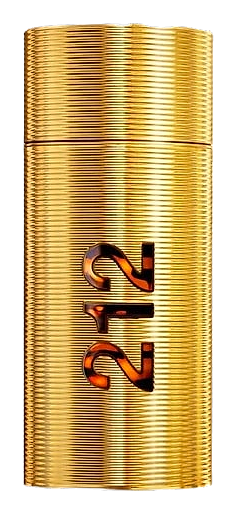
Fragrances featuring Caramelized Ginger
Brands
Brands known for Caramelized Ginger
Good to know
Questions, answered
The essentials on Caramelized Ginger in perfumery: how it smells, where it comes from, and how it behaves on skin.
What makes caramelized ginger different from regular ginger in perfume?
Heat transforms the molecular structure. Caramelization between 120-180°C triggers Maillard reactions and sugar breakdown that create entirely new compounds, producing warm, sweet notes absent in fresh ginger's sharp, citrusy profile.
How do perfumers create caramelized ginger extract?
Fresh rhizomes undergo controlled thermal processing before steam distillation. The heat caramelizes natural sugars and initiates Maillard reactions, generating complex aromatic compounds that the subsequent distillation captures.
What fragrance families pair well with caramelized ginger?
Oriental and amber compositions benefit most from its warm, sweet-spicy character. Gourmand fragrances also incorporate it frequently, and it appears occasionally in floral or chypre structures seeking unexpected warmth.
Where does the ginger used for caramelization originate?
India leads global production, cultivating roughly 30% of worldwide supply. Nigeria and China follow as major producers. Tropical and subtropical climates provide optimal growing conditions for Zingiber officinale.
Does caramelized ginger appear as a top, heart, or base note?
It functions primarily as a base note, adding warmth and depth to compositions. At higher concentrations, it can contribute bright top note qualities, though heart note applications remain uncommon.
What compounds does caramelization generate in ginger?
Thermal processing produces various pyrazines and furanones that contribute characteristic warm, sweet, and slightly smoky notes. These compounds do not exist in significant quantities in untreated fresh or dried ginger.
How does caramelized ginger compare to candied ginger in scent?
Candied ginger retains more of the rhizome's natural sharpness with added sugar notes. Caramelized ginger undergoes deeper thermal transformation, yielding a richer, more complex profile where original citrusy qualities nearly disappear.
What historical techniques preceded modern caramelization methods?
Ancient Greeks and Romans first used ginger in scented oils through simple steeping. Steam distillation in the 19th century enabled more precise extraction. Controlled caramelization emerged more recently as perfumers sought to engineer specific aromatic profiles.