Caramel Syrup
Liquid warmth captured in a bottle. Caramel syrup in perfumery brings buttery, burnt-sugar richness that makes fragrances feel enveloping and addictive. Discover how this entirely synthetic ingredient redefined modern fragrance.
Character
How it smells
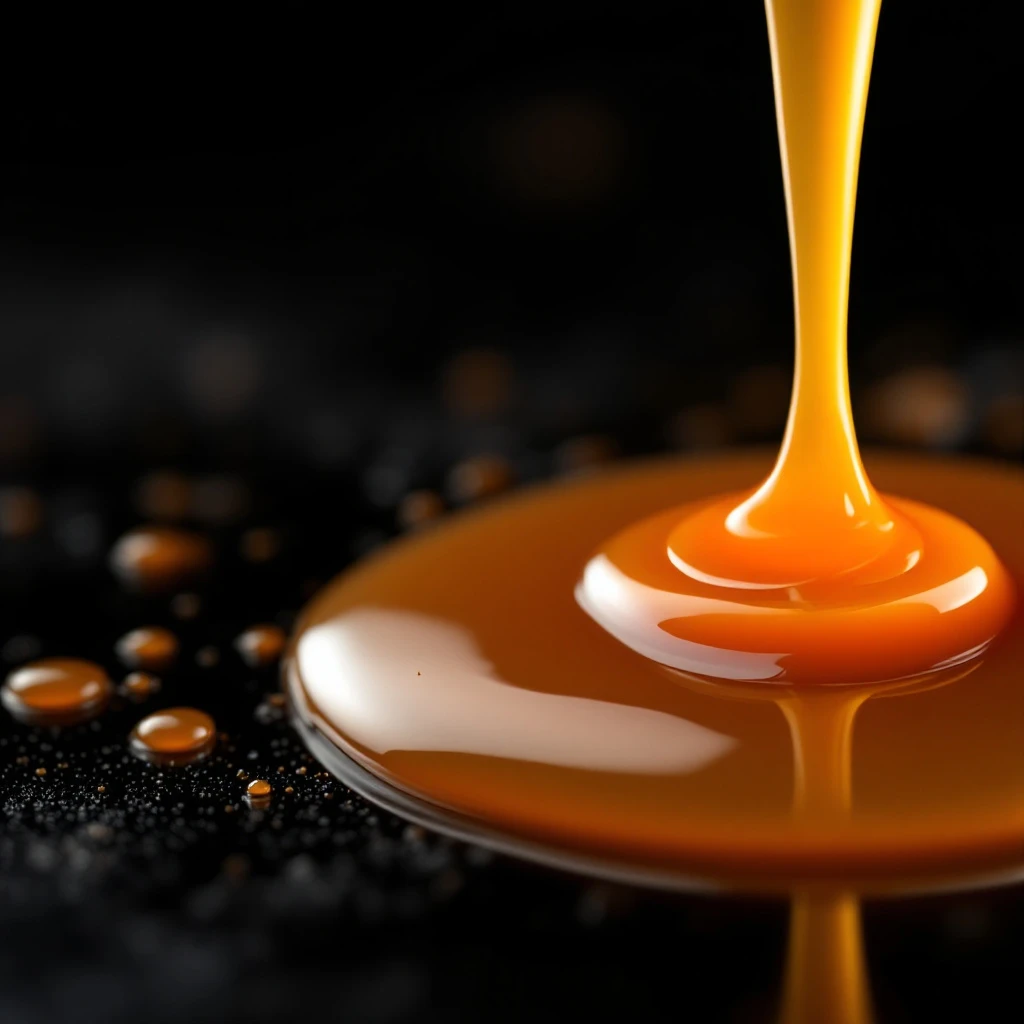
Burnt sugar warmth, sticky and inviting.
Mugler's 1992 release Angel introduced caramel to mainstream perfumery, creating a whole new fragrance category.





Origin
France
For centuries, perfumes relied exclusively on natural ingredients, but creating true food-like scents remained impossible. Caramel posed a particular challenge since no natural material produces that distinctive burnt-sugar aroma. The 19th century introduced synthetic chemistry to perfumery, with pioneering compounds like vanillin and coumarin proving that lab-created ingredients could rival nature. These early breakthroughs set the stage for more complex food aromas.
The real transformation came in 1992, when Mugler released Angel. The fragrance placed caramel at its core, treating it not as a background nuance but as the main event. This approach was revolutionary at the time. The success of Angel proved that caramel could anchor a fragrance and resonate with consumers.
Within a decade, caramel appeared across perfume collections from designer and niche houses alike. Today it functions as a mainstream ingredient, appearing in florals, orientals, and woody compositions. The journey from impossible to ubiquitous took just three decades.
Wears it best
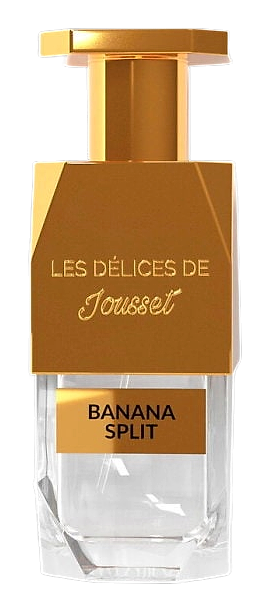
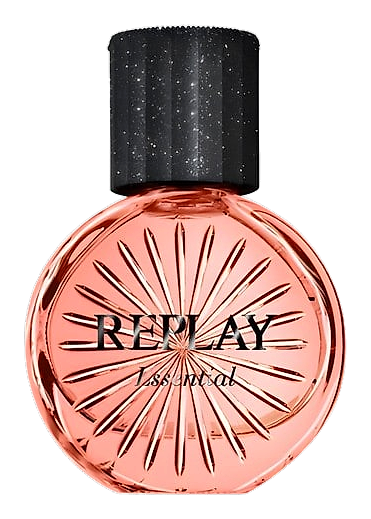
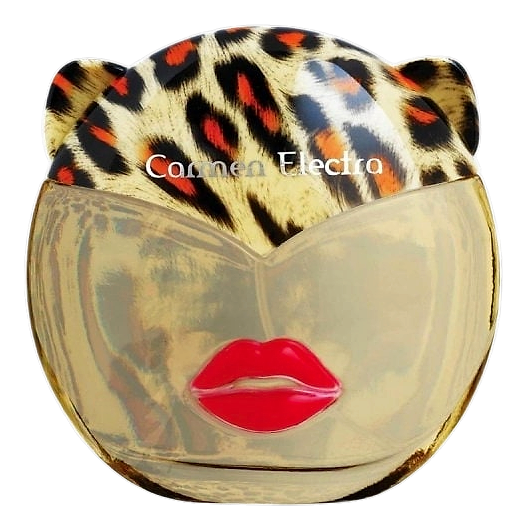
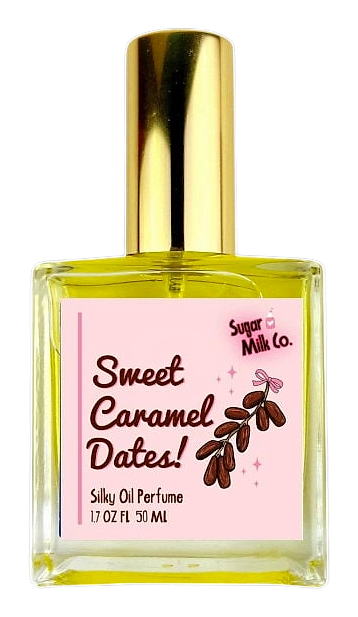
Fragrances featuring Caramel Syrup


Brands
Brands known for Caramel Syrup
Good to know
Questions, answered
The essentials on Caramel Syrup in perfumery: how it smells, where it comes from, and how it behaves on skin.
Is caramel a natural fragrance ingredient?
No, caramel in perfumery is entirely synthetic. No natural source produces the characteristic burnt-sugar aroma that defines caramel. Perfumers create it using compounds like furaneol and ethyl maltol in laboratory settings.
What does caramel smell like in perfume?
Caramel delivers a warm, edible sweetness with buttery depth and slightly burnt undertones. It creates an enveloping, cozy sensation that makes fragrances feel inviting and gourmand. The effect mimics the smell of heated sugar reaching the edge of burning.
When did caramel first appear in perfume?
Mugler's Angel launched in 1992 with caramel as its signature note, marking the first time a major fragrance treated food-like caramel as a primary ingredient rather than a subtle background element.
What chemicals create caramel's aroma in fragrances?
Key synthetic compounds include furaneol, which provides the buttery, caramelized character, and ethyl maltol, adding sticky sweetness. Perfumers combine multiple molecules to achieve a complex, realistic caramel effect.
Can natural caramel be extracted for perfume?
No, caramel does not exist as a natural extractable material. The distinctive aroma only emerges when sugar heats past burning, a process impossible to replicate through traditional extraction from plants or animals.
Why do perfumers use synthetic caramel instead of natural ingredients?
Synthetic chemistry achieves what nature cannot provide. Natural perfumery offers no source for authentic caramel notes. Lab-created molecules allow precise control over sweetness intensity and burnt-sugar depth.
In which fragrance families does caramel appear?
Caramel has expanded beyond gourmand fragrances into florals, orientals, and woody compositions. Mugler's Angel pioneered its use in 1992, and today caramel appears across all major fragrance families as a warmth-building element.
How do perfumers engineer caramel notes in the lab?
Organic chemistry synthesizes specific molecules like furaneol that precisely mimic heated sugar's aroma. These compounds are combined and adjusted to create nuanced caramel profiles ranging from sticky to buttery.