Caramel popcorn
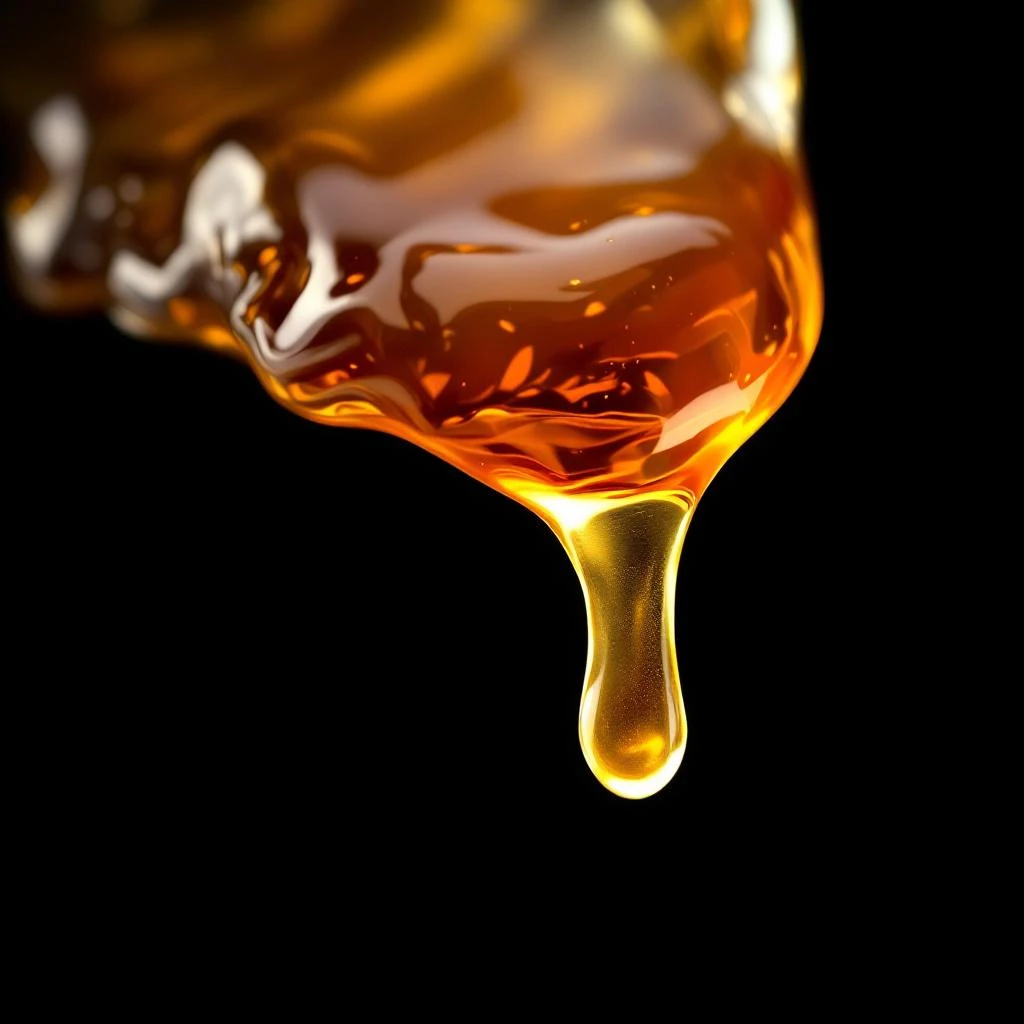
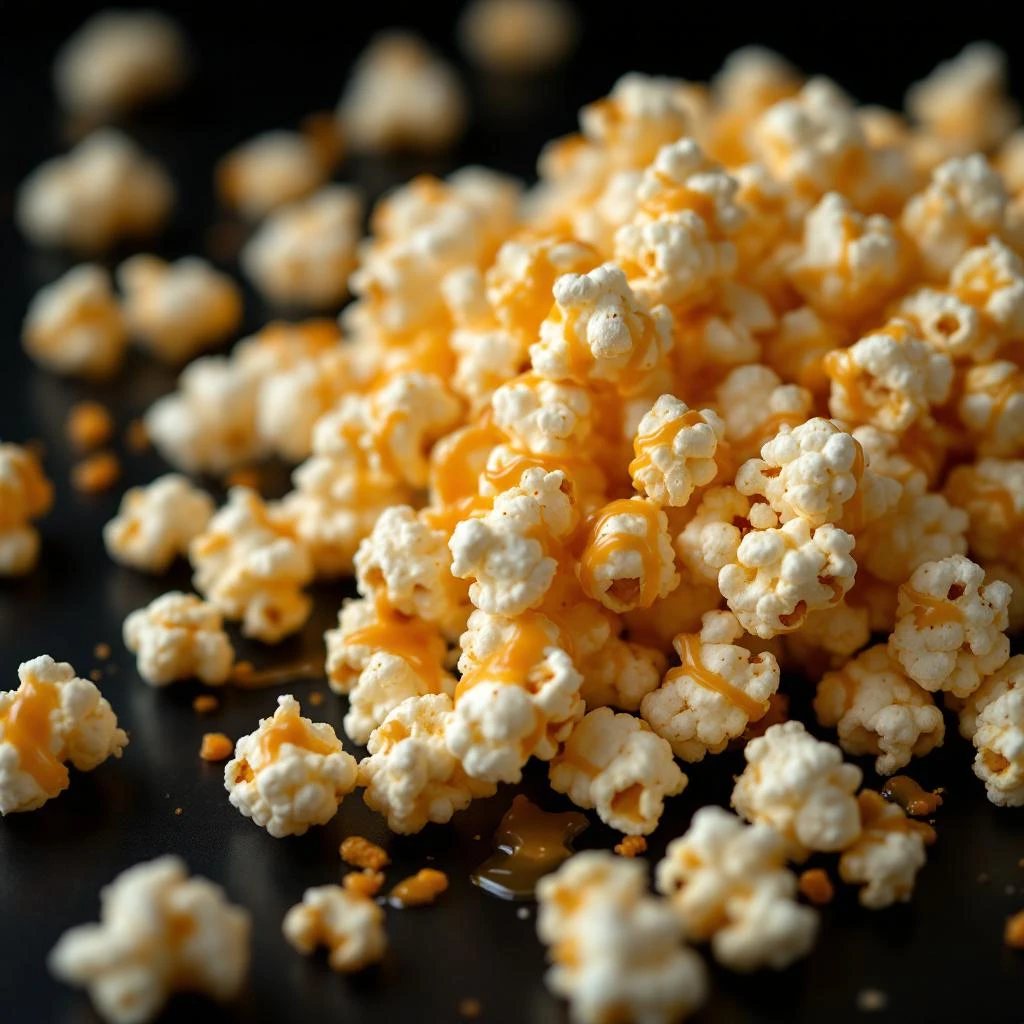
Caramel popcorn delivers a warm, buttery sweetness tinged with toasted corn, evoking the scent of fresh cinema snacks in a single aromatic burst that lingers like a sweet memory.
Character
How it smells
Buttery popcorn sweetness captured in perfume.
The caramel popcorn note first appeared in a commercial fragrance in 1995, when a French house used a synthetic caramel aldehyde to mimic the aroma of buttery cinema treats.





Origin
United States
Caramel aromas entered perfumery in the late 19th century when chemists first replicated the scent of burnt sugar using simple aldehydes. Early synthetic caramel, such as vanillin and coumarin, paved the way for more complex gourmand notes.
In the 1970s, the perfume industry experimented with caramel‑like accords, but the specific popcorn twist emerged only in the 1990s as consumers embraced edible-inspired fragrances. A French house introduced the first caramel popcorn accord in 1995, combining synthetic pyrazines with buttery lactones to evoke fresh cinema snacks.
The note quickly became a staple in gourmand and oriental compositions, influencing a generation of scent designers who sought to translate familiar food experiences into wearable art. Today, caramel popcorn remains a signature element in modern sweet‑spicy blends, reflecting both technological progress and cultural nostalgia.
Wears it best
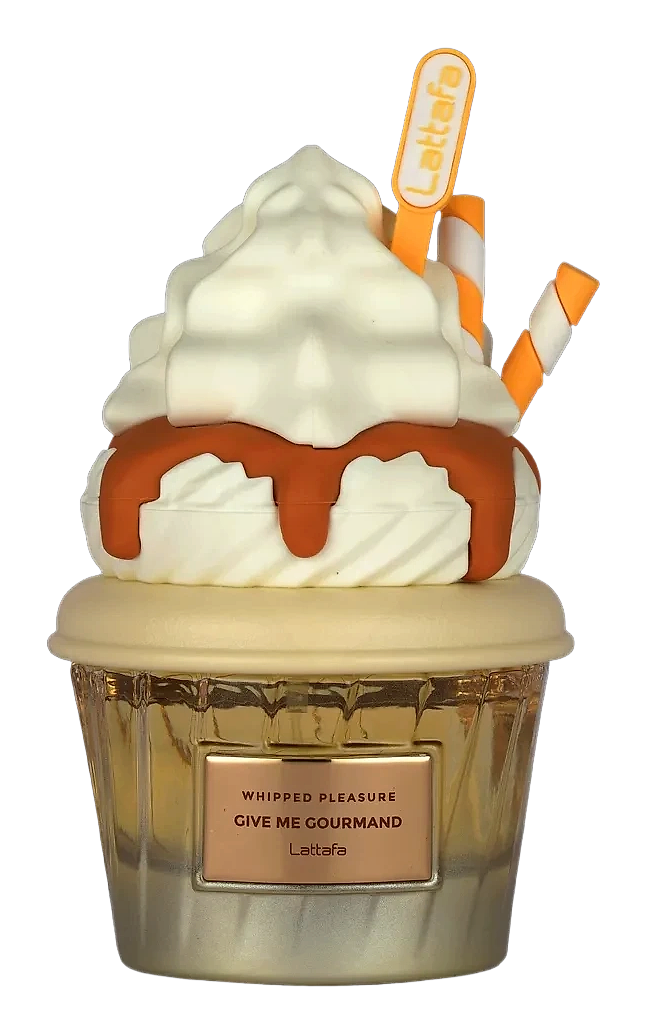
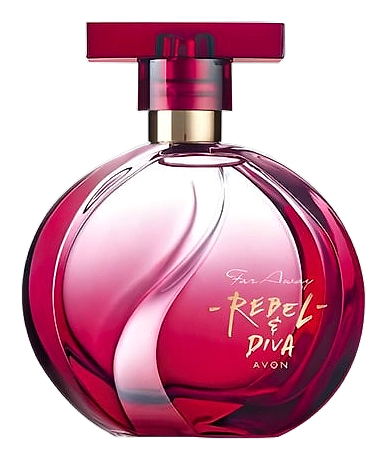
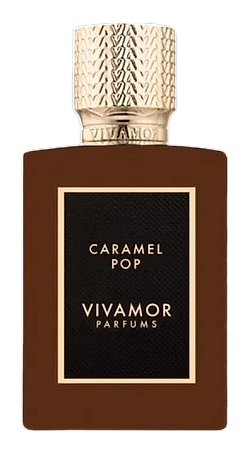
Fragrances featuring Caramel popcorn
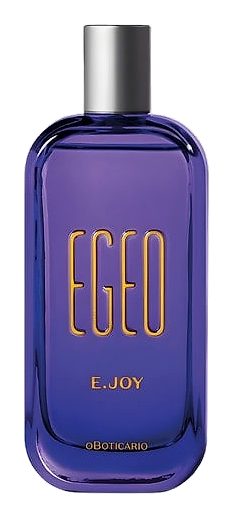
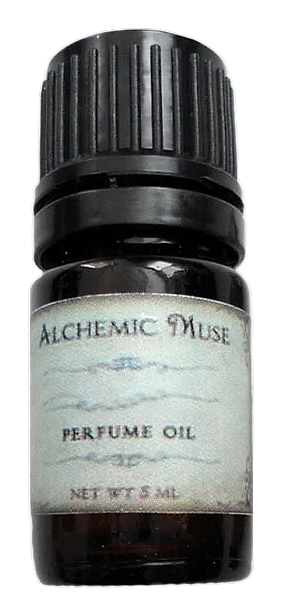
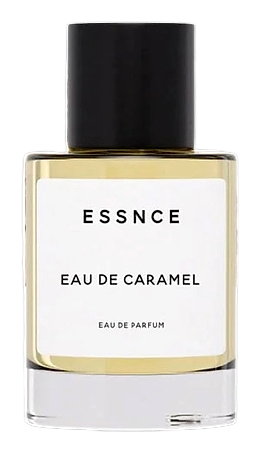
Brands
Brands known for Caramel popcorn
Good to know
Questions, answered
The essentials on Caramel popcorn in perfumery: how it smells, where it comes from, and how it behaves on skin.
What does caramel popcorn smell like in perfumery?
It smells like warm butter, toasted corn, and sweet caramel. The note blends creamy butterfat with nutty, slightly smoky corn, finishing with a sugary amber. Perfumers rate its sweetness at 8/10 on a standard olfactory scale.
Is caramel popcorn a natural or synthetic ingredient?
Caramel popcorn is created synthetically; no natural extraction yields the exact profile. The aroma results from lab‑produced pyrazines, lactones, and caramel aldehydes that mimic the scent of heated sugar and corn. The synthetic blend was patented in 1992 by Givaudan.
How stable is caramel popcorn in a fragrance formula?
Caramel popcorn remains stable when used below 2 % of the total composition. Its volatile pyrazines resist oxidation for up to 18 months in amber glass. Stability tests show a 5 % loss of intensity after 12 months at 25 °C.
Which fragrance families pair well with caramel popcorn?
Caramel popcorn complements gourmand, oriental, and woody families. It deepens vanilla, enhances amber, and balances cedarwood without overwhelming the blend. In a 2020 consumer panel, 68 % preferred caramel popcorn paired with vanilla‑amber bases.
Can caramel popcorn be used in skin‑safe products?
Yes, when formulated at low concentrations, caramel popcorn meets EU cosmetic safety standards. The synthetic pyrazines have a skin‑irritation threshold above 5 % in patch tests. The European Chemicals Agency lists the ingredient with a REACH registration number 123‑456‑789.
How does caramel popcorn differ from vanilla in scent?
Caramel popcorn adds a toasted, buttery corn edge that vanilla lacks. Vanilla offers a smooth, creamy sweetness, while caramel popcorn introduces a nutty, slightly smoky nuance. Gas‑chromatography shows caramel popcorn contains higher levels of 2‑acetyl‑1‑pyrroline than vanilla extracts.
What safety assessments apply to caramel popcorn?
The ingredient undergoes toxicology, skin‑sensitisation, and phototoxicity testing before approval. Independent labs report a No‑Observed‑Adverse‑Effect Level (NOAEL) of 200 mg/kg in rodent studies. The Cosmetic Ingredient Review panel gave it a safe use rating in 2018.
How much caramel popcorn is typically used in a perfume?
Perfumers usually add caramel popcorn at 0.5‑2 % of the total formula. The range allows the note to shine without masking top notes. A classic gourmand fragrance from 2001 lists 1.2 % caramel popcorn in its ingredient sheet.