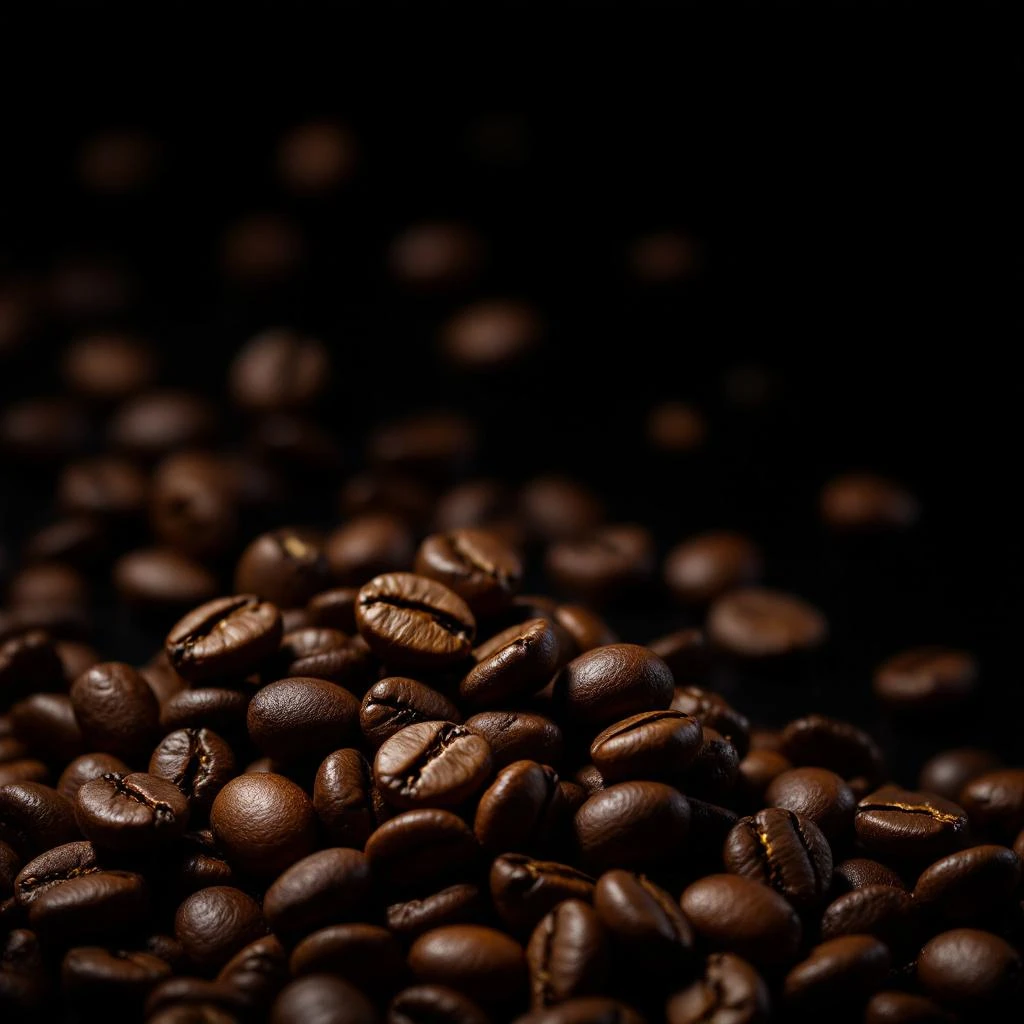
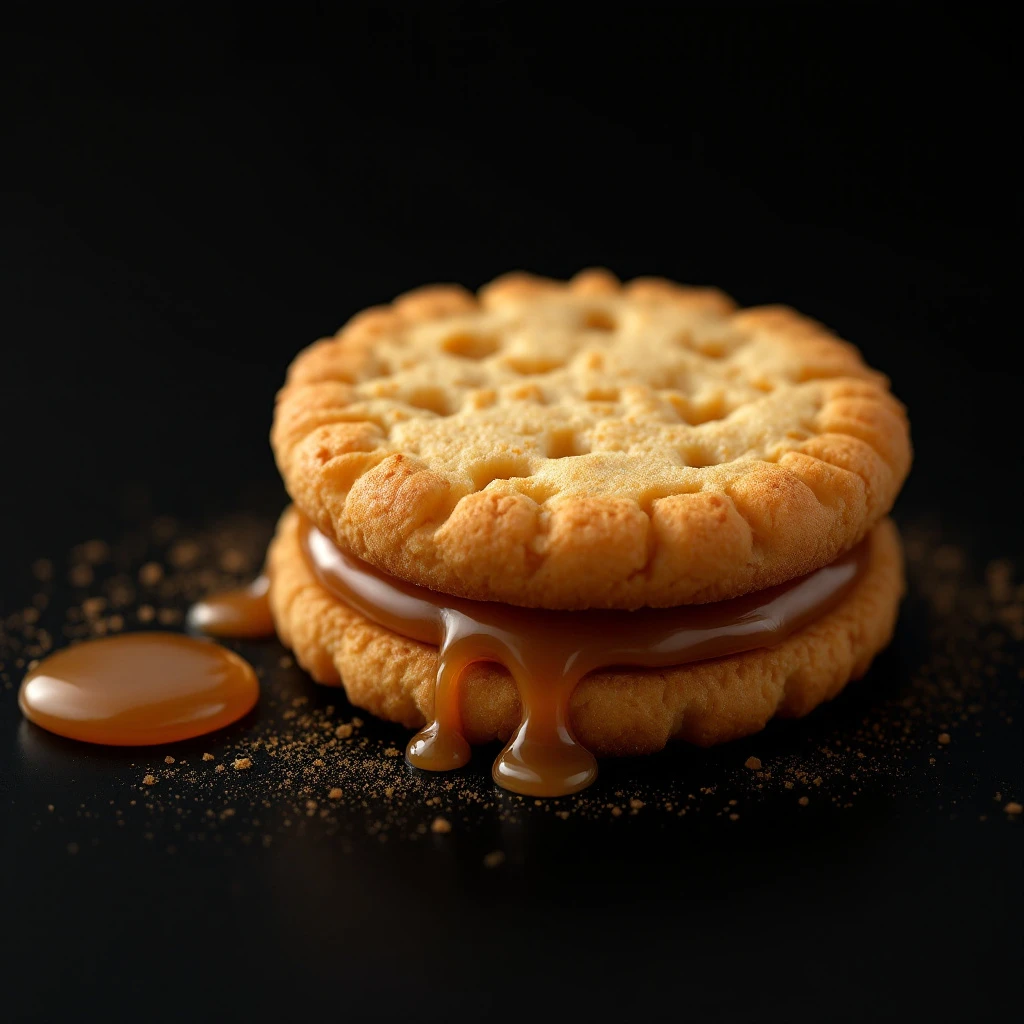
Caramel Biscuit
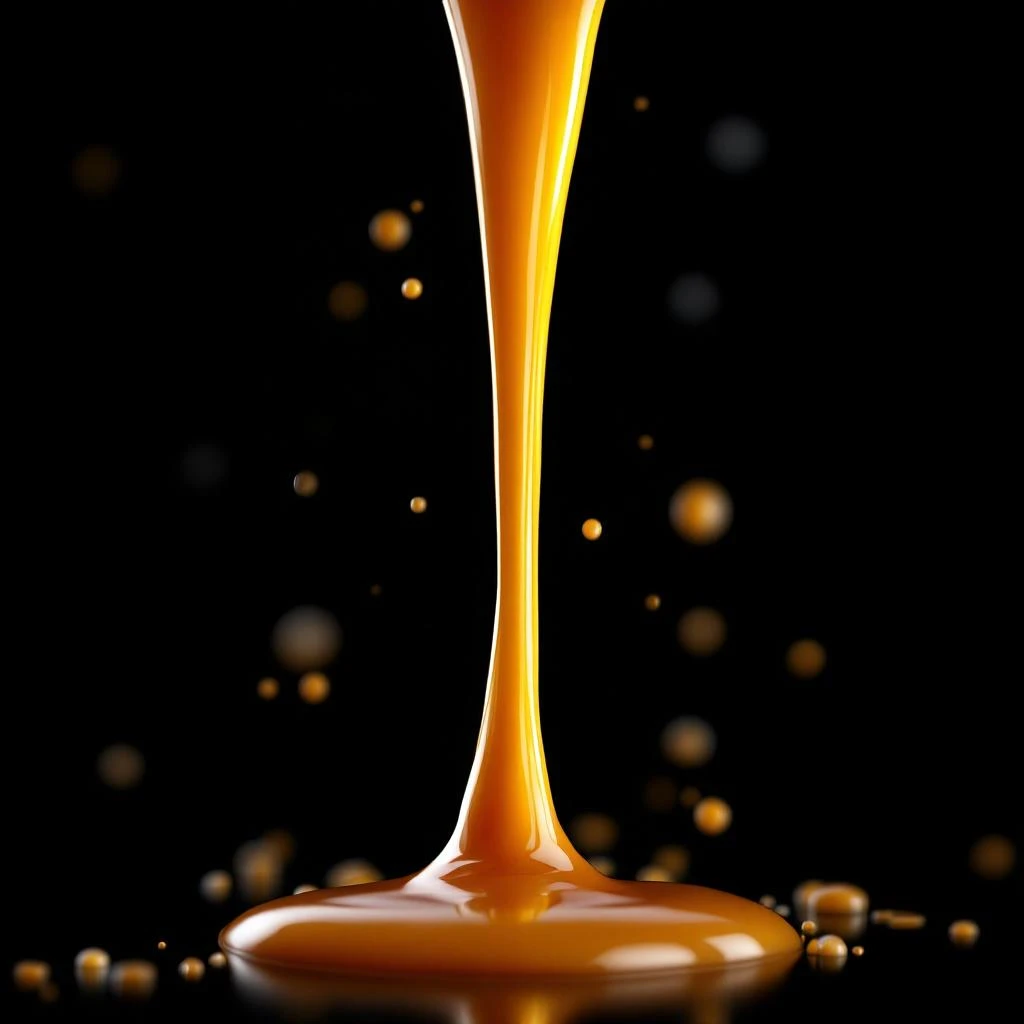
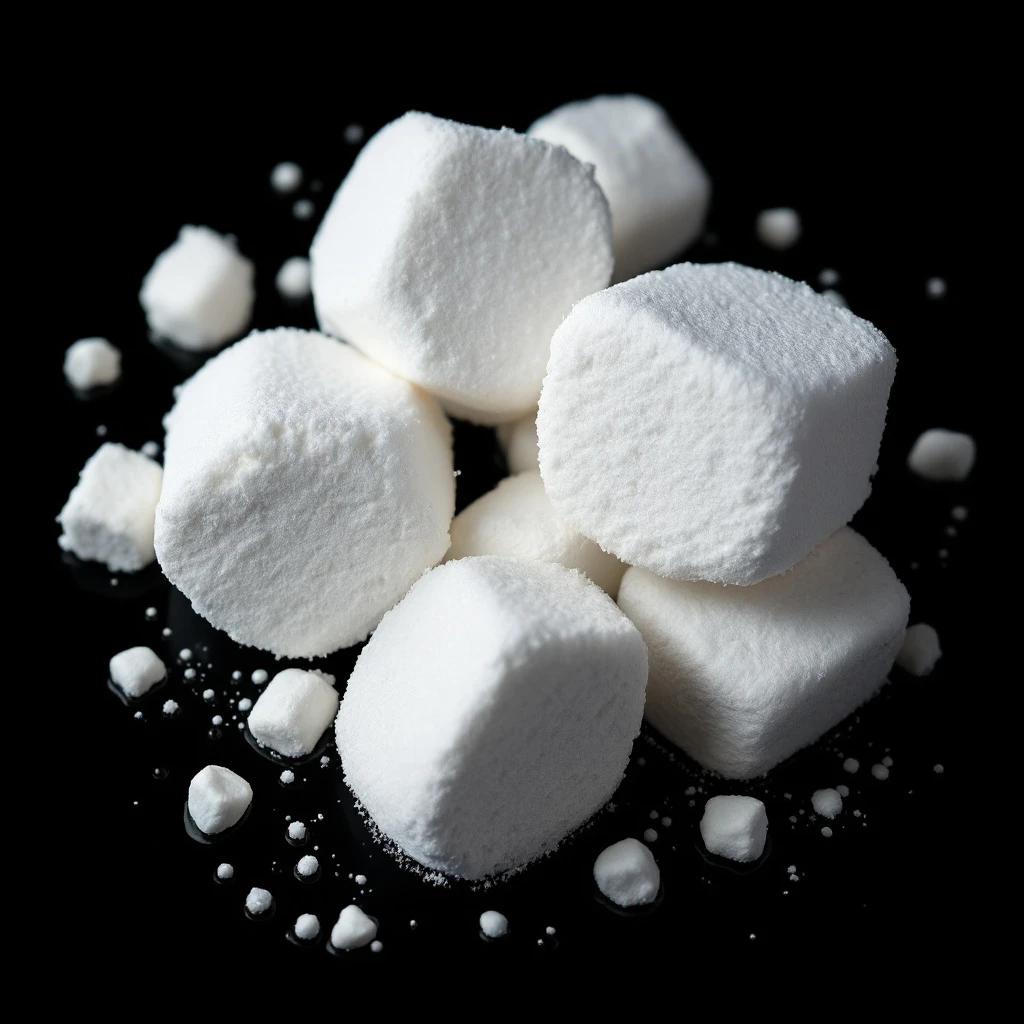
Caramel Biscuit captures the essence of warm, just-baked sweetness through laboratory synthesis. Key molecules furaneol and sotolone create its signature aroma, offering perfumers a consistent, edible quality without the sugar.
Character
How it smells
Warm sweetness baked into every note.
Furaneol, caramel's primary aroma molecule, was first isolated from strawberries before perfumers discovered its rich, confectionery potential.

Origin
Germany
Caramel notes emerged as a major force in perfumery during the 1990s, when the gourmand family gained popularity from the amber and Oriental categories that preceded it. Guerlain's Shalimar and other classics had established edible warmth in perfumery decades earlier, but the 1990s saw perfumers explicitly chase food-inspired scents. The chemistry behind caramel aroma molecules became better understood through food science research, where scientists isolated furaneol from strawberries, pineapples, and caramelized sugar.
Perfume houses adopted these synthetic molecules to create reliable, lasting sweetness in fragrances. Today, caramel and biscuit accords appear across designer and niche collections, representing a deliberate move toward accessible, comforting scent profiles that would have seemed avant-garde in earlier perfume eras.
Wears it best
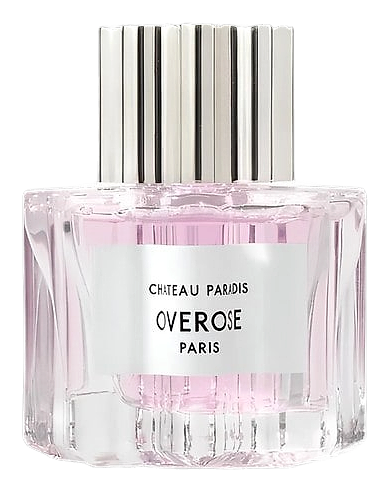
Fragrances featuring Caramel Biscuit
Brands
Brands known for Caramel Biscuit
Good to know
Questions, answered
The essentials on Caramel Biscuit in perfumery: how it smells, where it comes from, and how it behaves on skin.
Is Caramel Biscuit a natural or synthetic ingredient?
Synthetic. Caramel's scent character comes entirely from laboratory-produced molecules like furaneol and sotolone, manufactured primarily by German chemical companies. No natural caramel extract exists for perfumery.
What molecules create caramel's sweet aroma?
Furaneol and sotolone. Furaneol provides the warm, confectionery sweetness, while sotolone adds a honeyed, slightly burnt quality. These two molecules combine to replicate caramel's full sensory profile.
When did caramel notes become popular in perfumery?
The 1990s. Gourmand fragrances with edible notes, including caramel, gained mainstream popularity during this decade, evolving from the amber and Oriental categories that dominated earlier perfume eras.
Which classic fragrances established caramel in perfumery?
Guerlain's Shalimar (1925) planted seeds for edible warmth, but Thierry Mugler's Angel (1992) and similar 1990s releases made caramel and gourmand notes a defining trend of the era.
How long does caramel last on skin?
Moderate longevity. Caramel molecules typically last 4-6 hours as top or heart notes. Formulation with fixatives like vanillin or benzoin extends their presence in the dry-down.
What fragrance families pair well with Caramel Biscuit?
Oriental, amber, and gourmand families. Caramel also complements vanilla, tonka bean, sandalwood, and spicy notes like cinnamon and cardamom.
Does caramel work in all seasons?
Best in autumn and winter. Its warm, edible sweetness suits cooler weather and indoor settings. Light caramel touches can appear in spring florals, but heavy caramel saturates summer wear.
Are caramel fragrances unisex or gender-specific?
Predominantly unisex today. While early caramel fragrances skewed feminine, modern formulations work across genders, especially in oriental and amber chypre structures.