Canella
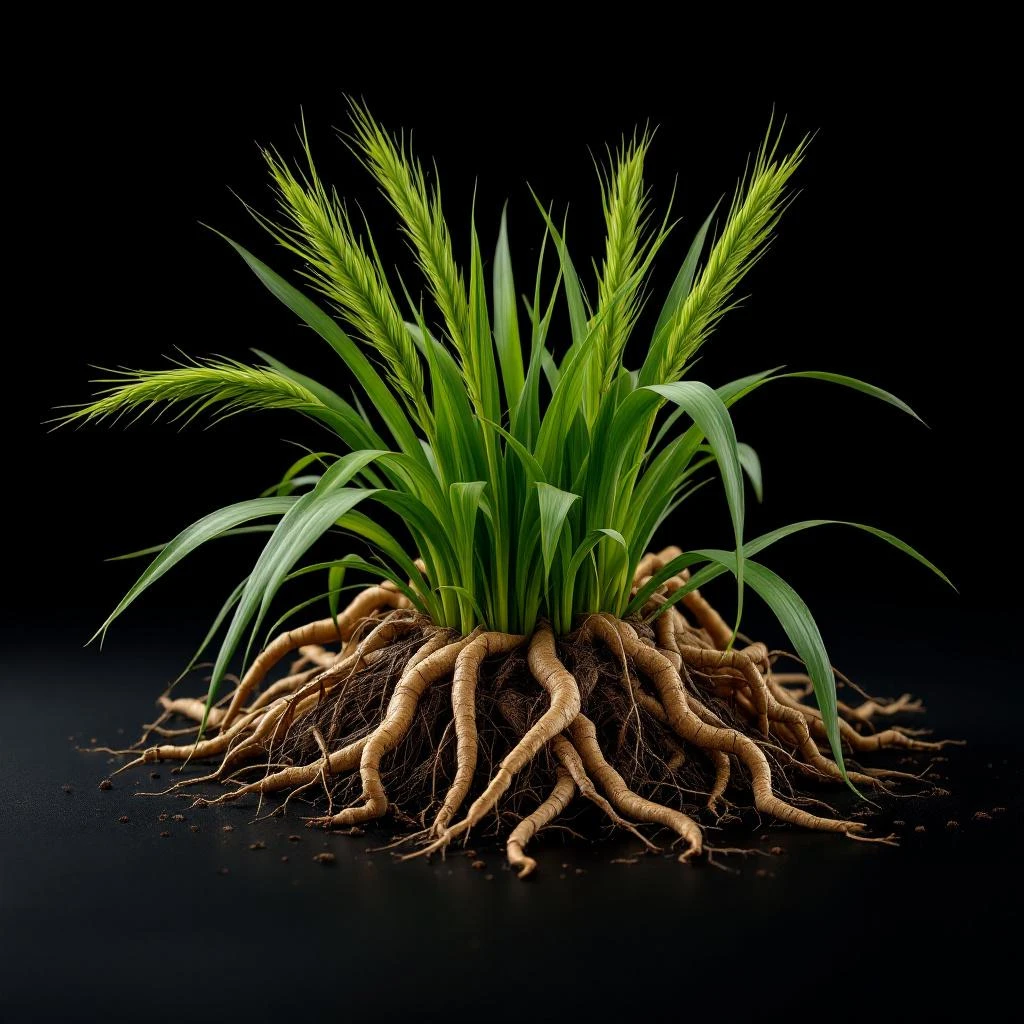
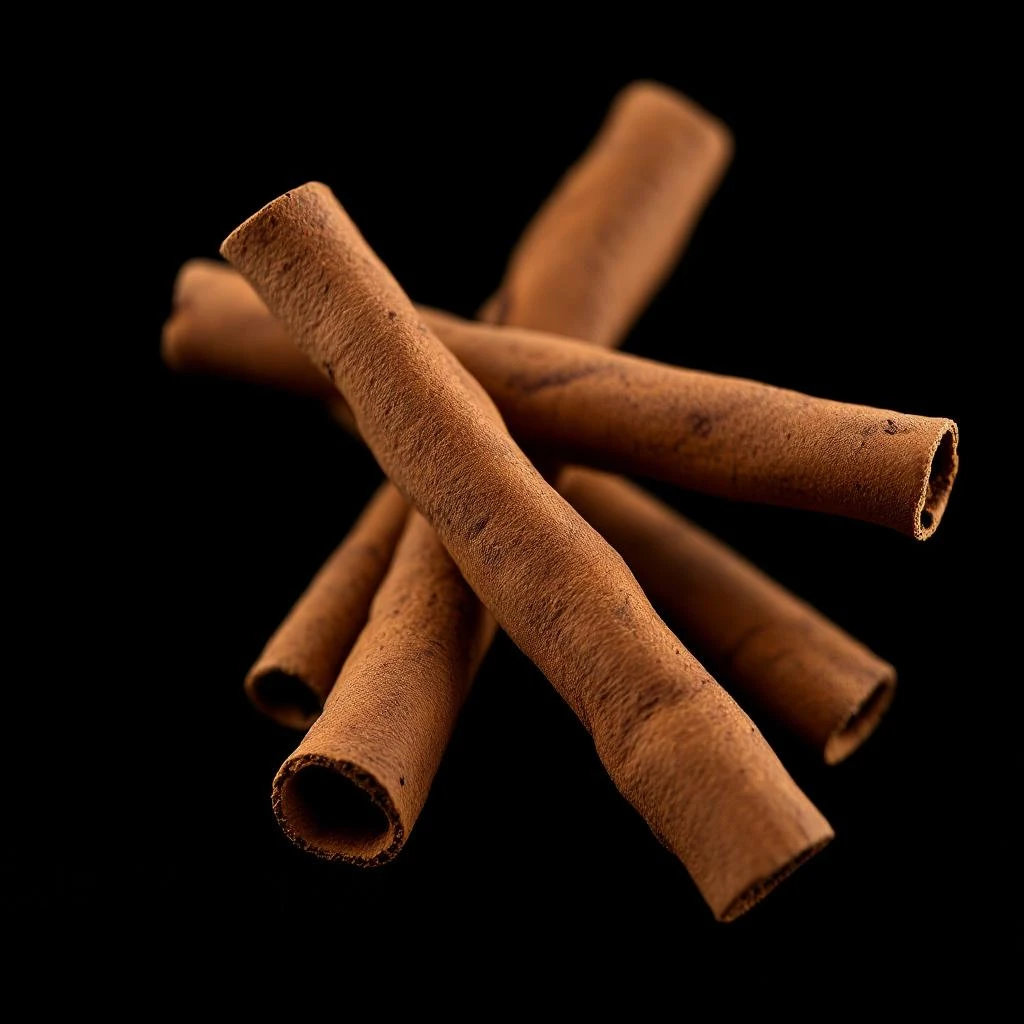
Canella—derived from the bark of Canella winterana—offers a warm, spicy aromatic profile softer than true cinnamon. Native to the Caribbean and southern Florida, this ingredient brings a sweet, woody complexity with subtle clove undertones to fragrance compositions.
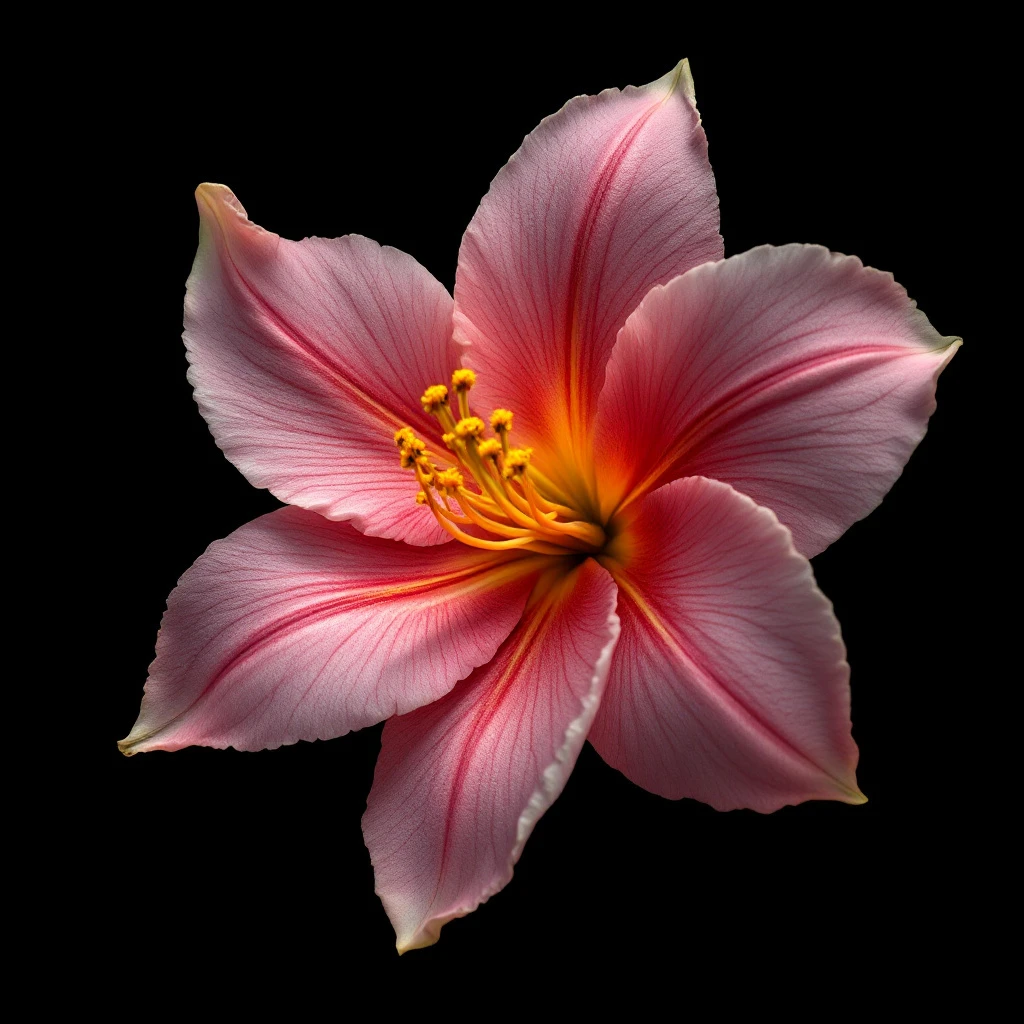
Character
How it smells
Caribbean bark warmth with sweet, woody spice.
Canella was so highly valued by indigenous Caribbean peoples that it became a favored trading item with early European explorers arriving in the Bahamas.


Origin
Bahamas
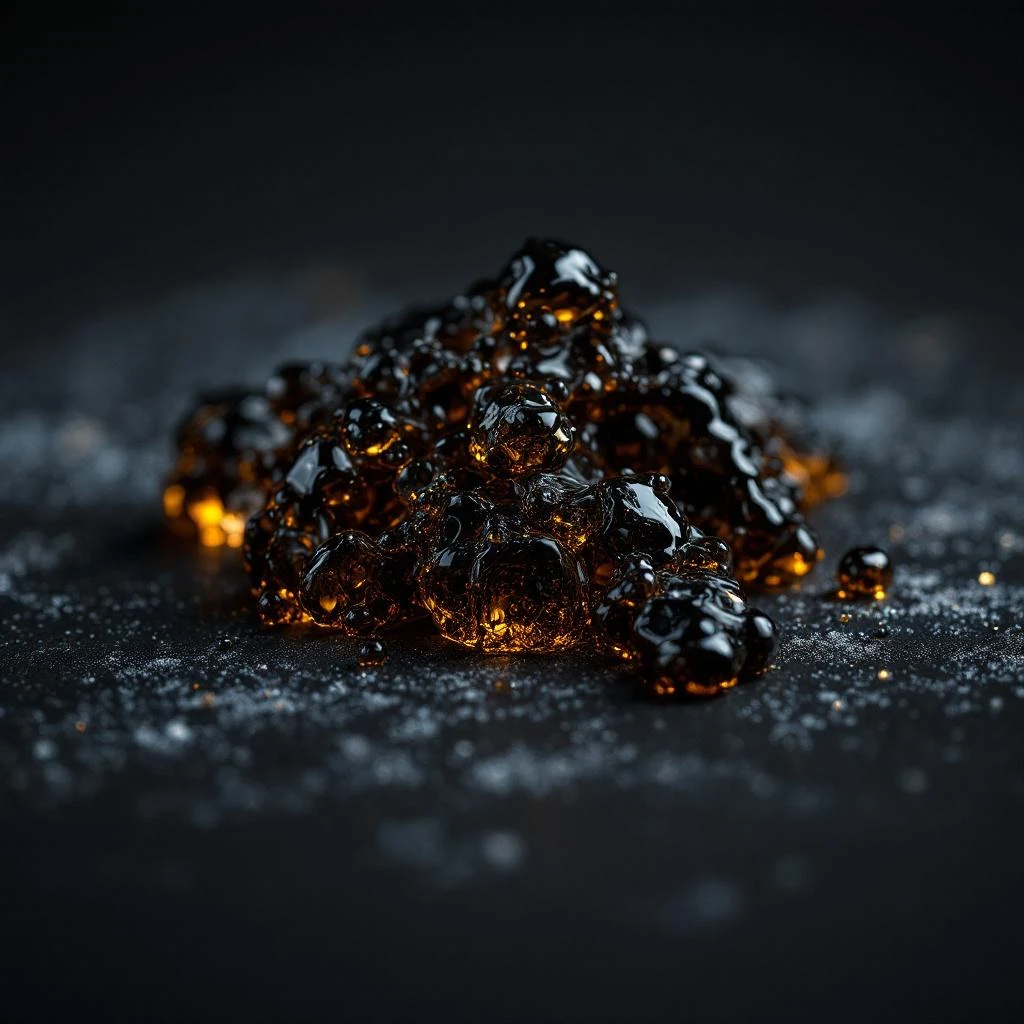
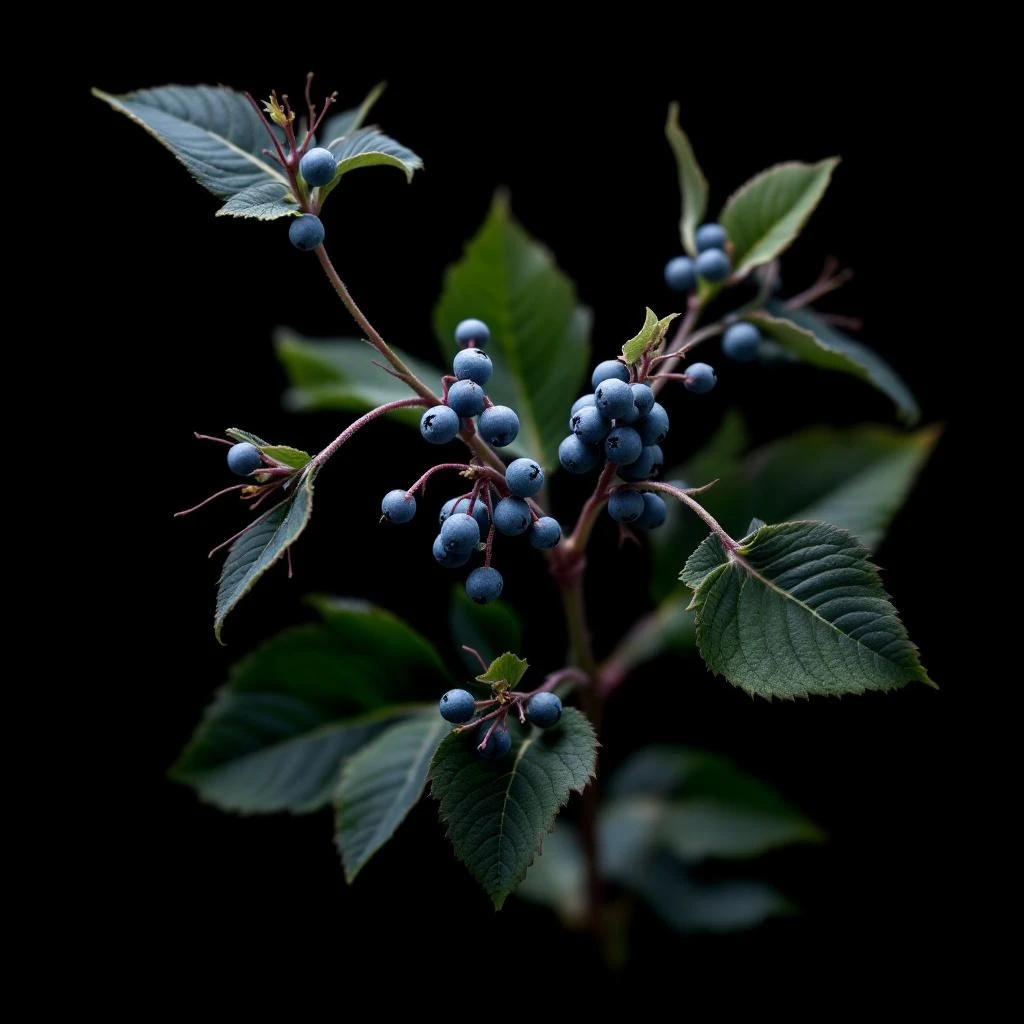
Canella winterana has grown across the Caribbean islands and the Florida Keys for centuries. Indigenous peoples of the Bahamas and West Indies used the aromatic bark as both a culinary spice and a medicinal remedy, recognizing its warming properties long before European contact. When Columbus arrived in the Bahamas in 1492, indigenous traders offered canella among their valuable goods, and Spanish explorers quickly noted the bark's fragrant qualities.
Colonial traders subsequently added canella to their inventories alongside sugar, rum, and tropical woods, exporting it to European markets hungry for exotic aromatics. While canella never achieved the commercial dominance of true cinnamon from Ceylon or cassia from China, perfumers in the 18th and 19th centuries incorporated it into warm, Oriental-style compositions when true cinnamon proved too sharp or expensive. The ingredient reflects the complex history of Caribbean trade routes and the ongoing search by perfumers for distinctive natural materials with regional character.
Today, canella remains a niche but treasured component in natural perfumery, valued for its softer warmth and the sensory link to Caribbean botanical heritage that it brings to fragrance.
Wears it best
Fragrances featuring Canella
Brands
Brands known for Canella
Good to know
Questions, answered
The essentials on Canella in perfumery: how it smells, where it comes from, and how it behaves on skin.
What is Canella in perfumery?
Canella refers to the essential oil extracted from the bark of Canella winterana, a tropical tree native to the Caribbean. It provides a warm, sweet-spicy aroma softer than true cinnamon.
How does Canella smell compared to regular cinnamon?
Canella reads as warmer and rounder than Cinnamomum cinnamon, with added woody and subtle clove facets. It lacks the sharp phenolic intensity common to true cinnamon bark extracts.
What extraction method produces Canella oil?
Steam distillation of dried canella bark yields the essential oil. This process carefully extracts volatile aromatic compounds while preserving the material's characteristic warm, spicy profile.
Where does Canella originate?
Canella winterana grows natively across the Caribbean islands and southern Florida. The Bahamas represent a primary origin for commercial production of the bark material used in perfumery.
What parts of the Canella plant are used?
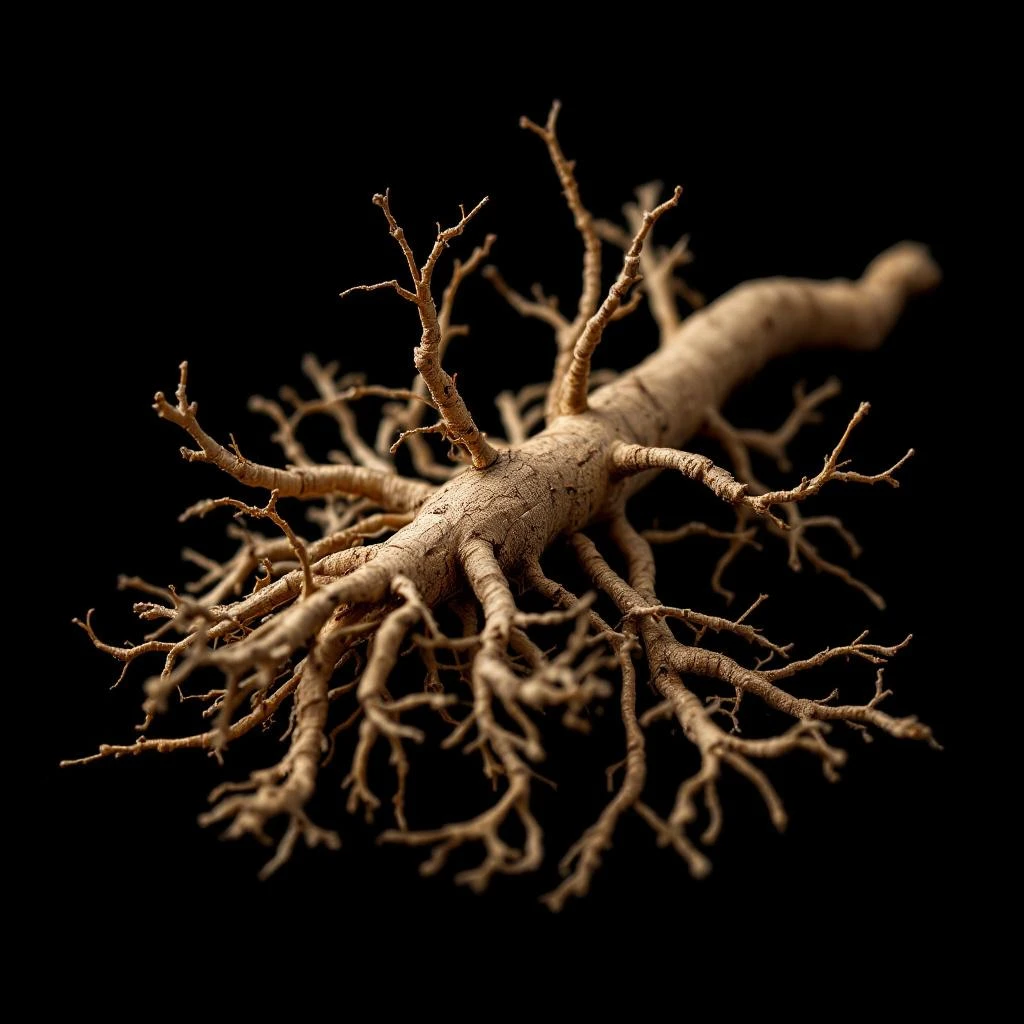
Perfumers use the dried inner bark of Canella winterana. The outer layers are stripped, and the inner bark is collected, cured, and processed to produce the aromatic material.
How is Canella bark prepared before distillation?
Harvesters strip bark from mature trees, separate the inner sections, and dry them in shaded conditions. Controlled drying preserves the volatile compounds that give canella its characteristic aroma.
What fragrance families commonly use Canella?
Canella appears most often in Oriental and warm spicy fragrance compositions. It works well as a base note or modifier, adding aromatic depth and warmth to the overall blend.
Is Canella used as an alternative to true cinnamon?
Yes. Canella oil serves as a natural alternative to true cinnamon in perfumery when perfumers seek warmth with less sharp phenolic character. The two materials share a spice family but differ in intensity and nuance.