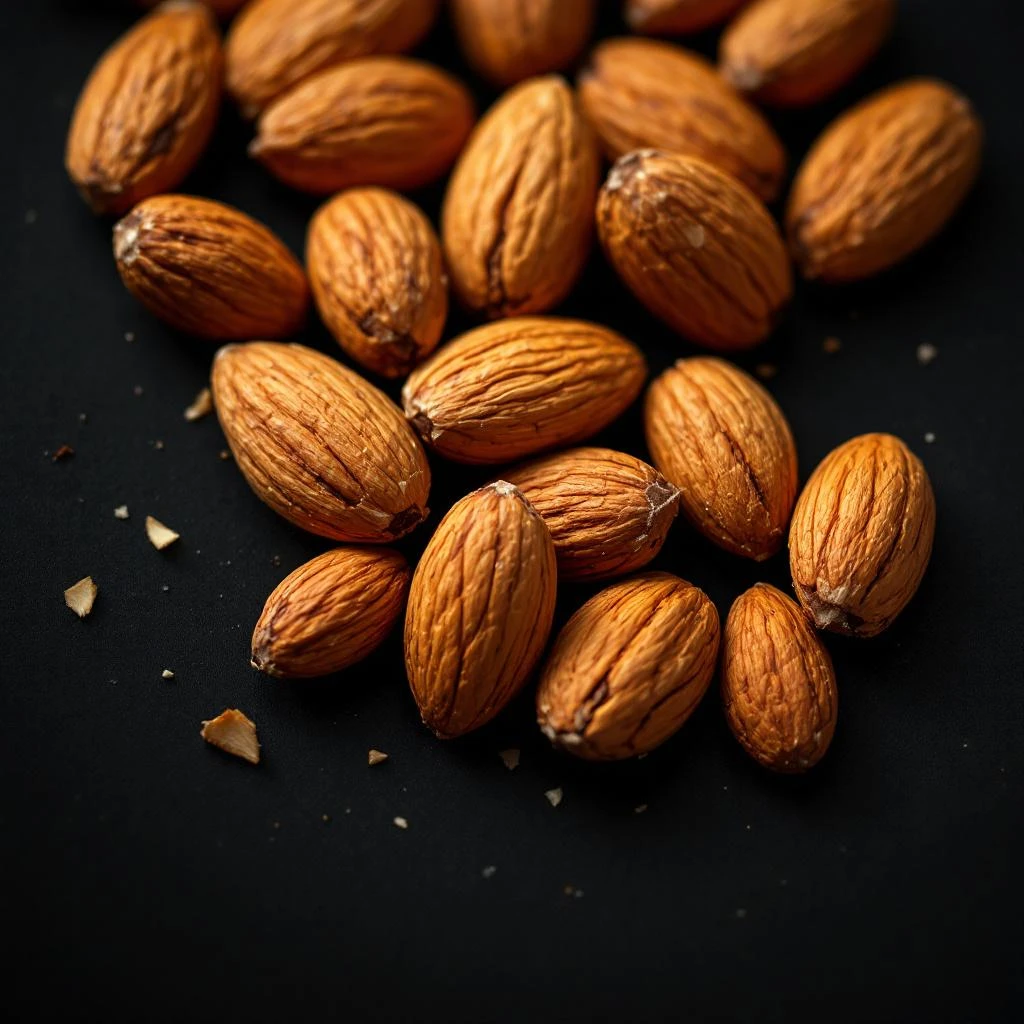
Candied Mandarin Peel
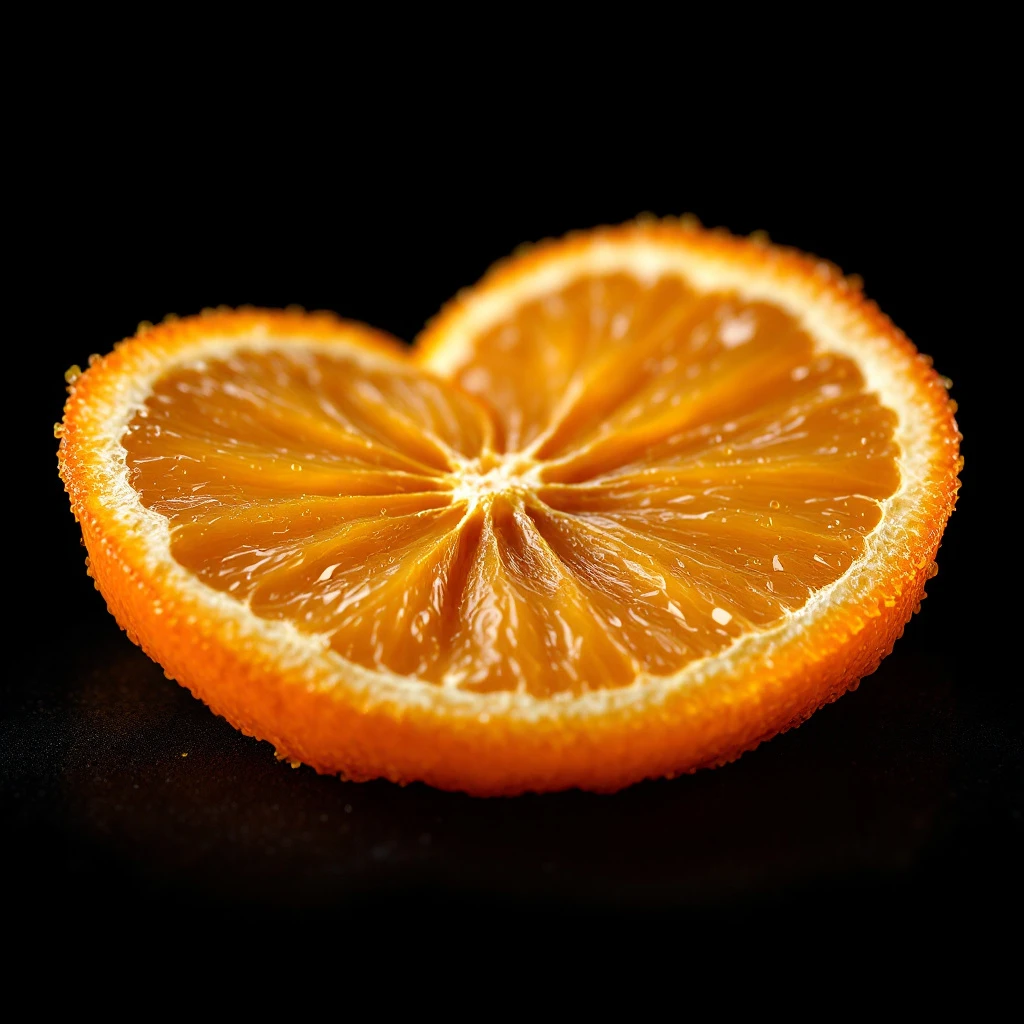
Candied mandarin peel smells exactly like its name suggests: bright, sweet, and zesty with a sugary glaze softening the fruit's natural sharpness. The peel retains its sunny, waxy character while sugar crystallizes the essential oils into a confection that translates beautifully into fragrance compositions.
Character
How it smells
Sugar-kissed sunshine in a peel
The word "candy" in candied peel derives from the Arabic "qandi," referring to sugar cane. Persians perfected the sugar-preservation technique centuries before it reached European kitchens.
Pairs beautifully with
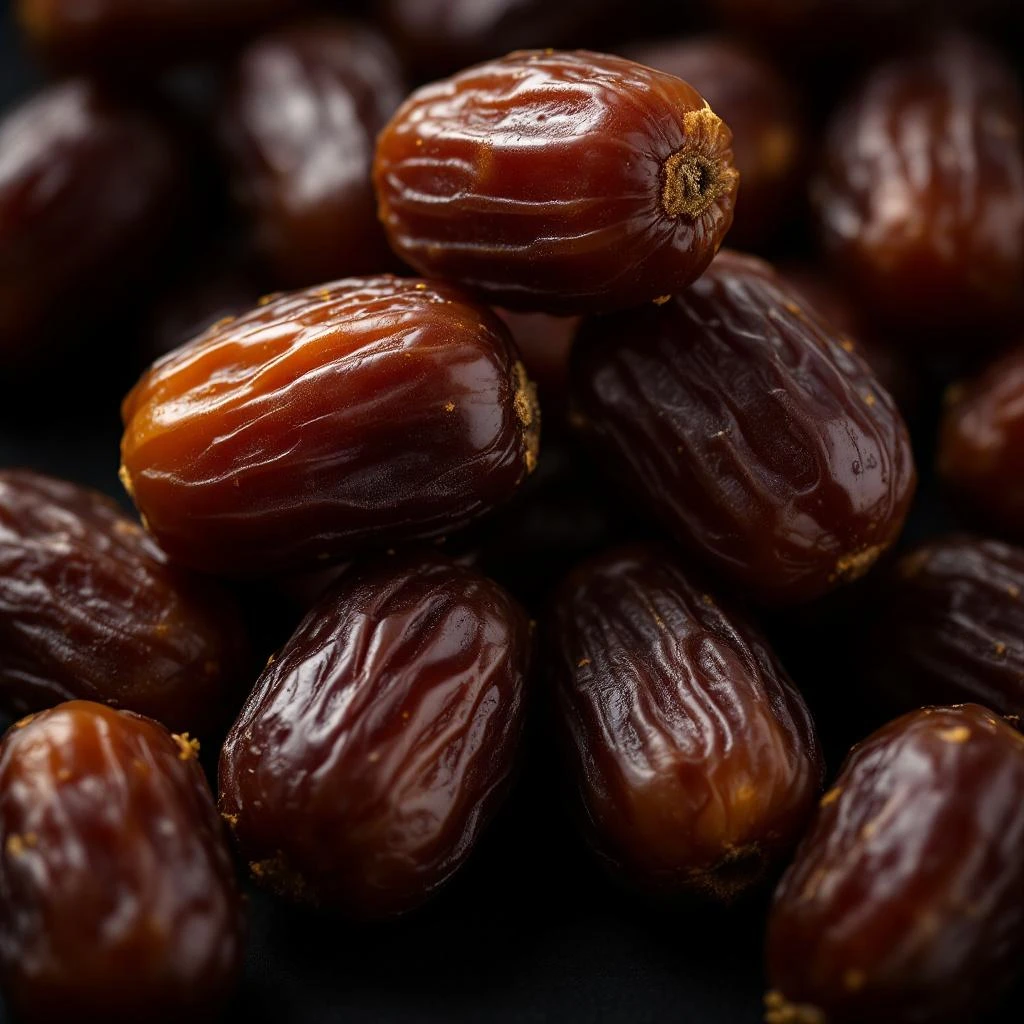
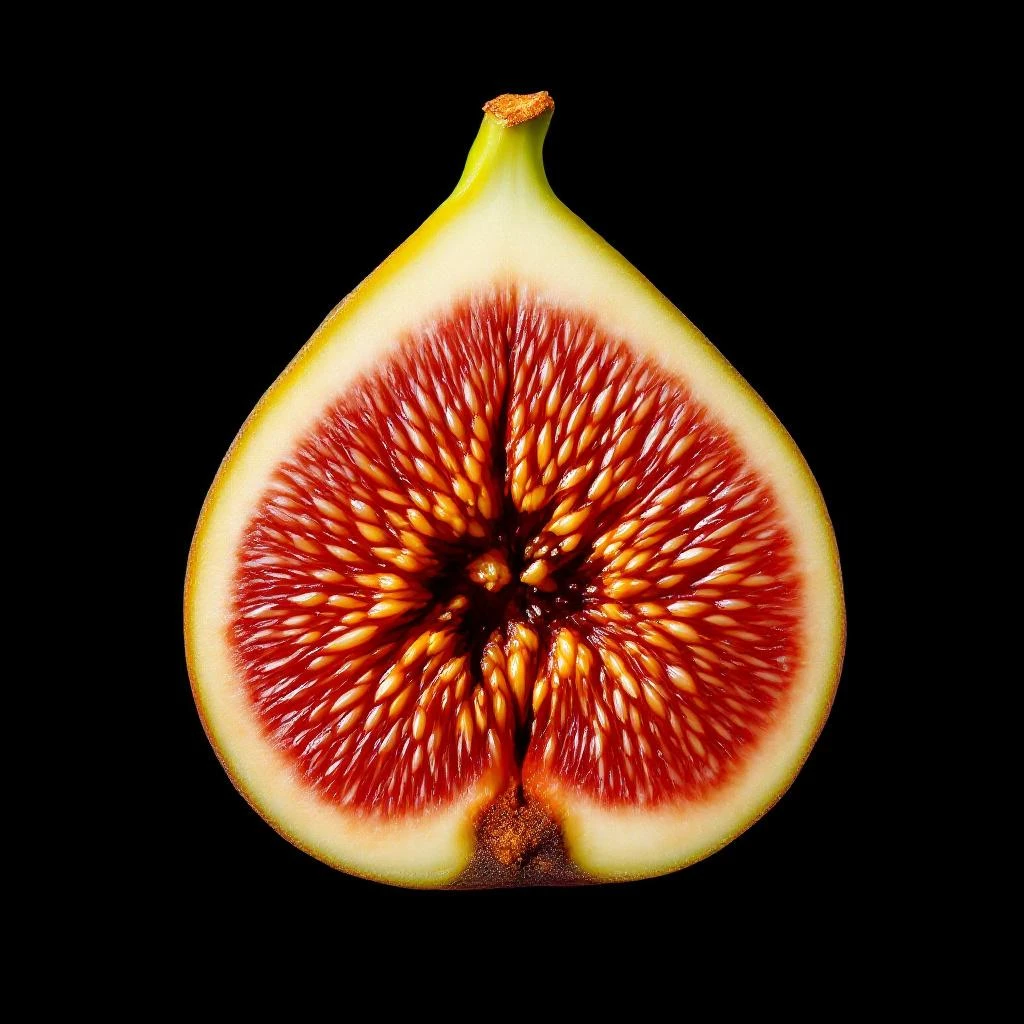
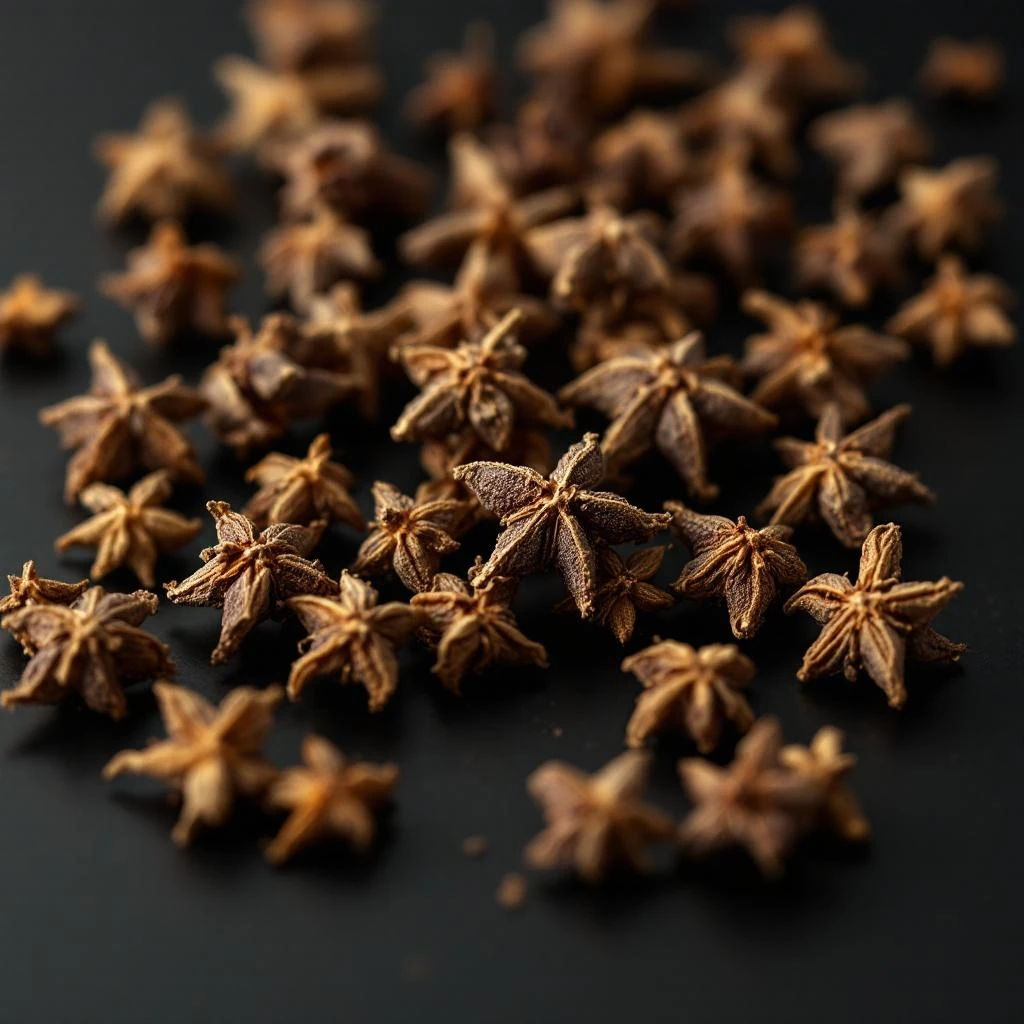



Origin
China
Candied citrus peel traces its origins to ancient Persia and the Middle East around the 9th century, where Arab confectioners refined sugar crystallization techniques learned from Indian Subcontinent sources. The practice spread across the Mediterranean through Arab trade networks, eventually reaching Sicily and Spain during medieval times. By the 14th century, Mesopotamian recipes documented systematic candying methods, and the technique flourished in monastic kitchens throughout Europe.
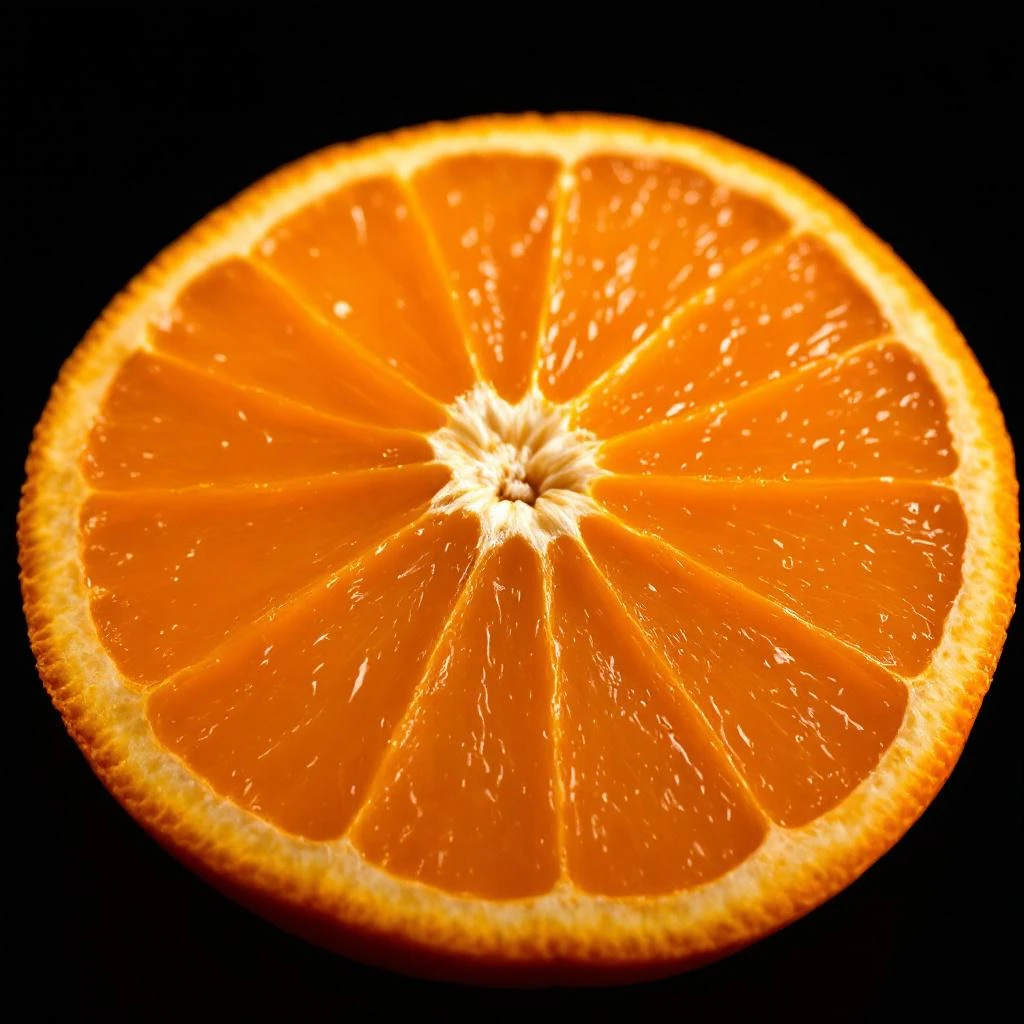
Mandarin trees, native to the tropical regions of Southeast Asia including southern China and northeastern India, began appearing in European cultivation around 1805 when a shipment arrived in Sicily. The fruit's thin, fragrant peel made it especially suitable for candying, though sweet and Seville oranges dominated the candied-peel market for centuries. Mandarin varieties gradually gained favor among confectioners because their softer pith required less bitter-tasting preparation.
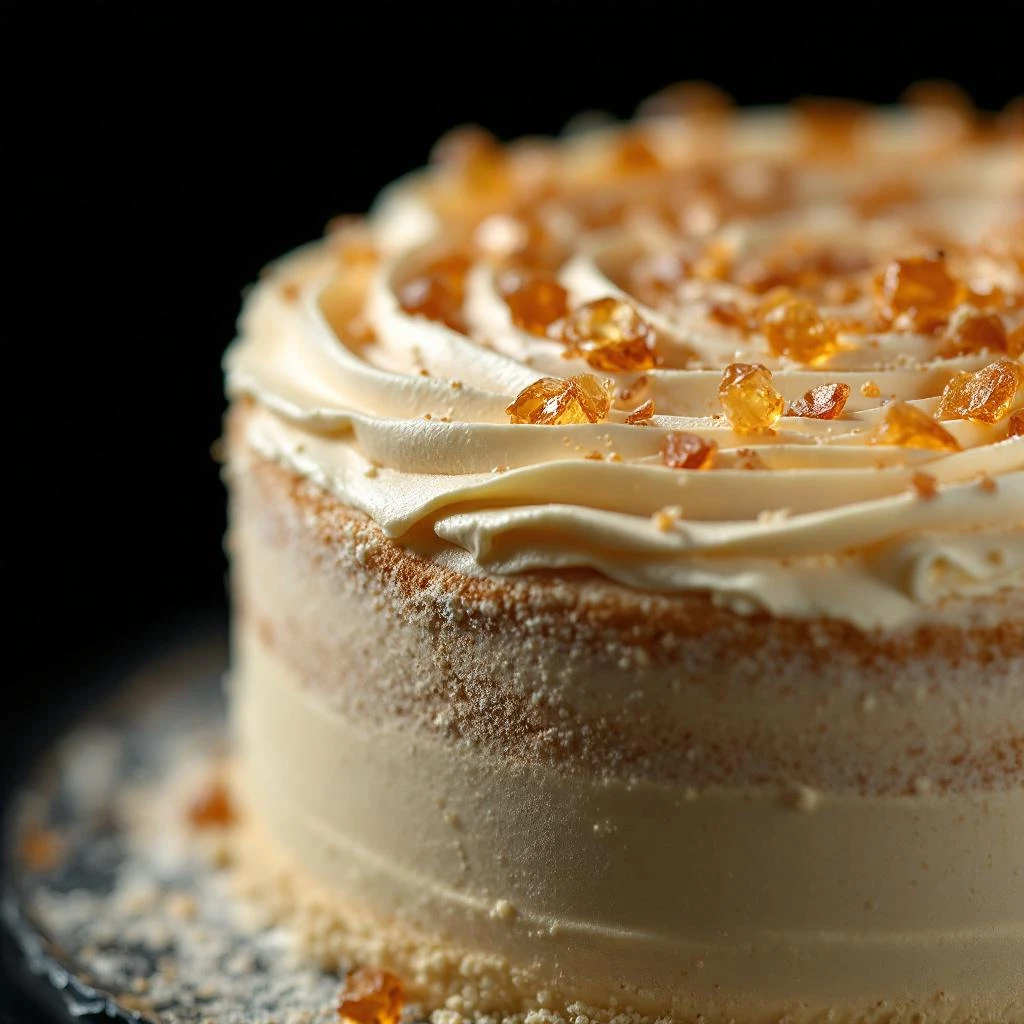
France elevated candied peel into haute pâtisserie. The 16th century produced documented recipes in English cookbooks like Thomas Dawson's writings, and by the Victorian era, candied citrus peel adorned wedding cakes and Christmas confections across Britain. Pierre Hermé later popularized sophisticated candied peel applications in modern French pastry, cementing its cultural prestige.
Wears it best
Fragrances featuring Candied Mandarin Peel

Brands
Brands known for Candied Mandarin Peel
Good to know
Questions, answered
The essentials on Candied Mandarin Peel in perfumery: how it smells, where it comes from, and how it behaves on skin.
What does candied mandarin peel smell like in fragrance?
It smells like sweet, crystallized citrus with warm sugary undertones and the bright, zesty quality of fresh mandarin rind. Perfumers recreate it by blending cold-pressed mandarin oil with vanilla or benzoin notes.
Is candied mandarin peel a natural or synthetic fragrance ingredient?
Most perfumers construct the note synthetically using cold-pressed mandarin peel oil combined with sweet gourmand accords. True candied peel is rarely used directly due to its sugar content interfering with fragrance stability.
What fragrances commonly feature candied mandarin peel?
Gourmand and oriental fragrances frequently showcase this note, particularly holiday-themed and sweet-citrus compositions. It appears in festive winter scents and luxury dessert-inspired perfumes seeking a cheerful citrus-sugar character.
What other notes pair well with candied mandarin peel?
Vanilla, benzoin, and tonka bean enhance its sweetness, while pink pepper and cardamom add gentle spice. Cedarwood and white musk provide grounding depth without overpowering the delicate citrus brightness.
Where do the mandarins used for candying originate?
Mandarins originated in Southeast Asia, particularly southern China and northeastern India, before spreading westward through trade routes. Modern candying operations source fruit from Spain, Italy, China, and Morocco.
When did candying citrus peel become popular?
Candied peel emerged in Persia around the 9th century, spread through Arab trade to medieval Europe, and became widespread by the 14th century. It was a luxury confection reserved for special occasions like weddings and holidays.
How does candying change the smell of mandarin peel?
Candy process mellows the peel's sharp, acidic brightness and rounds out bitter pith notes through sugar saturation. The result reads warmer, sweeter, and more confection-like compared to fresh peel's snappy acidity.
What is the difference between candied mandarin and candied orange peel?
Mandarin peel is thinner with softer pith and produces a lighter, more floral sweetness. Orange peel is thicker, more bitter, and delivers a deeper, more robust citrus character after candying.