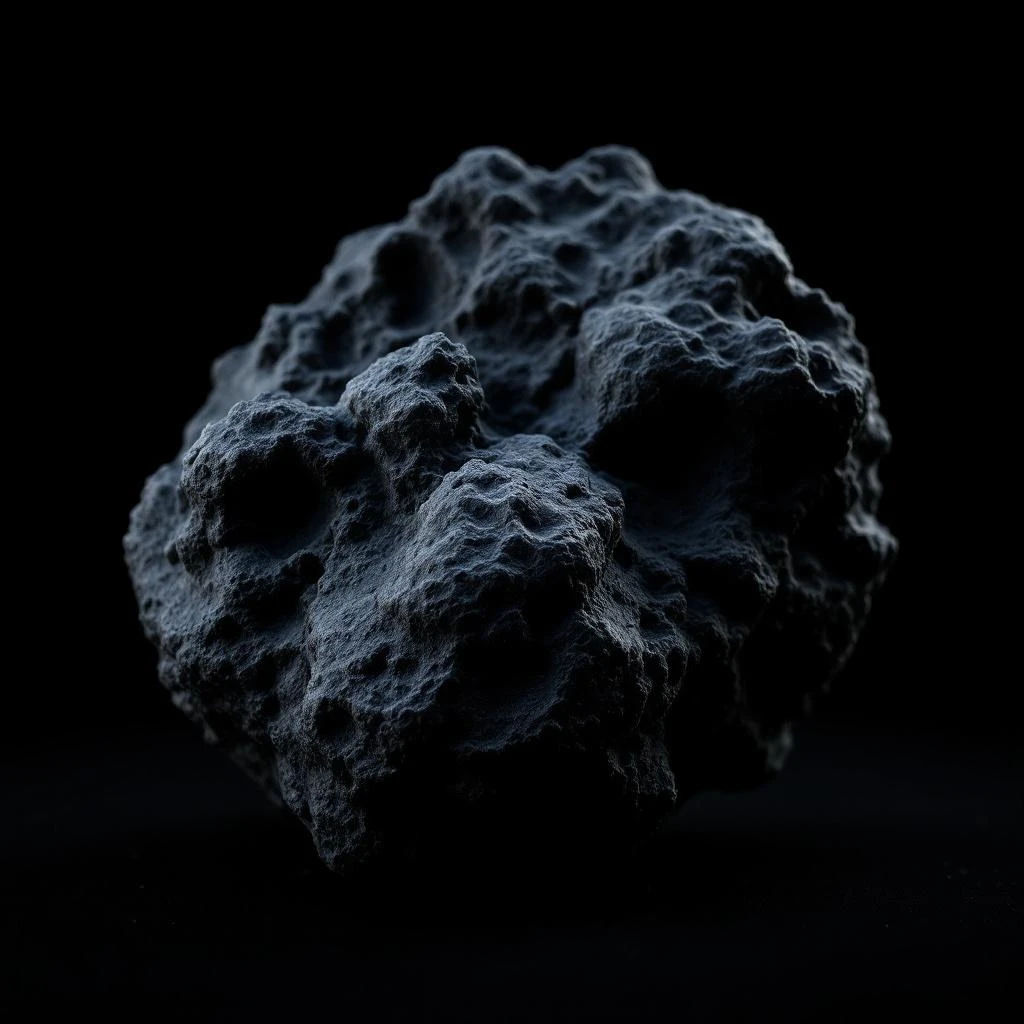
Cadaverine
Cadaverine is a foul-smelling diamine compound produced during the breakdown of amino acids in decaying flesh. Despite its grim origin, it plays a crucial role in perfumery by recreating realistic animalic and leather accords.
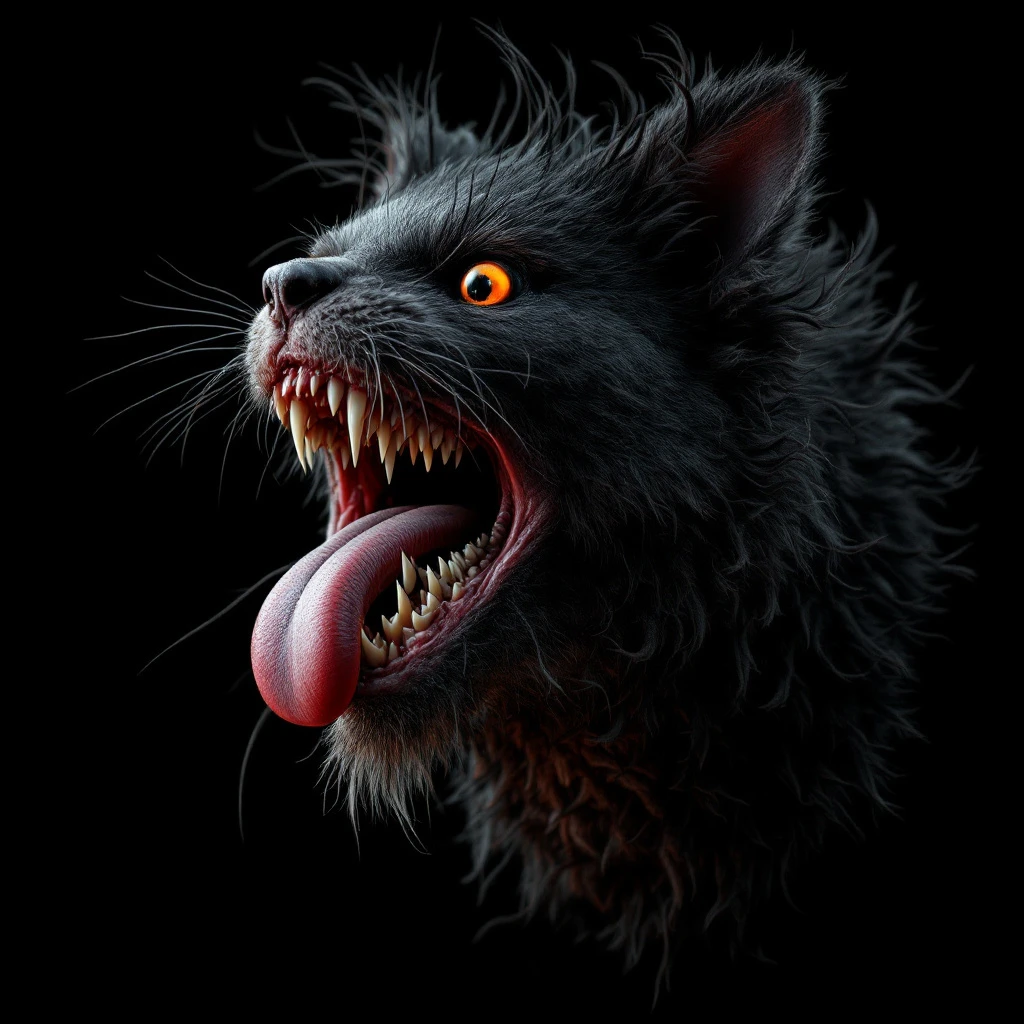
Character
How it smells
The scent of decay, reborn as art.
Cadaverine gets its name from the Latin word for 'corpse,' yet perfumers prize it for creating some of history's most coveted animalic notes.

Origin
Germany
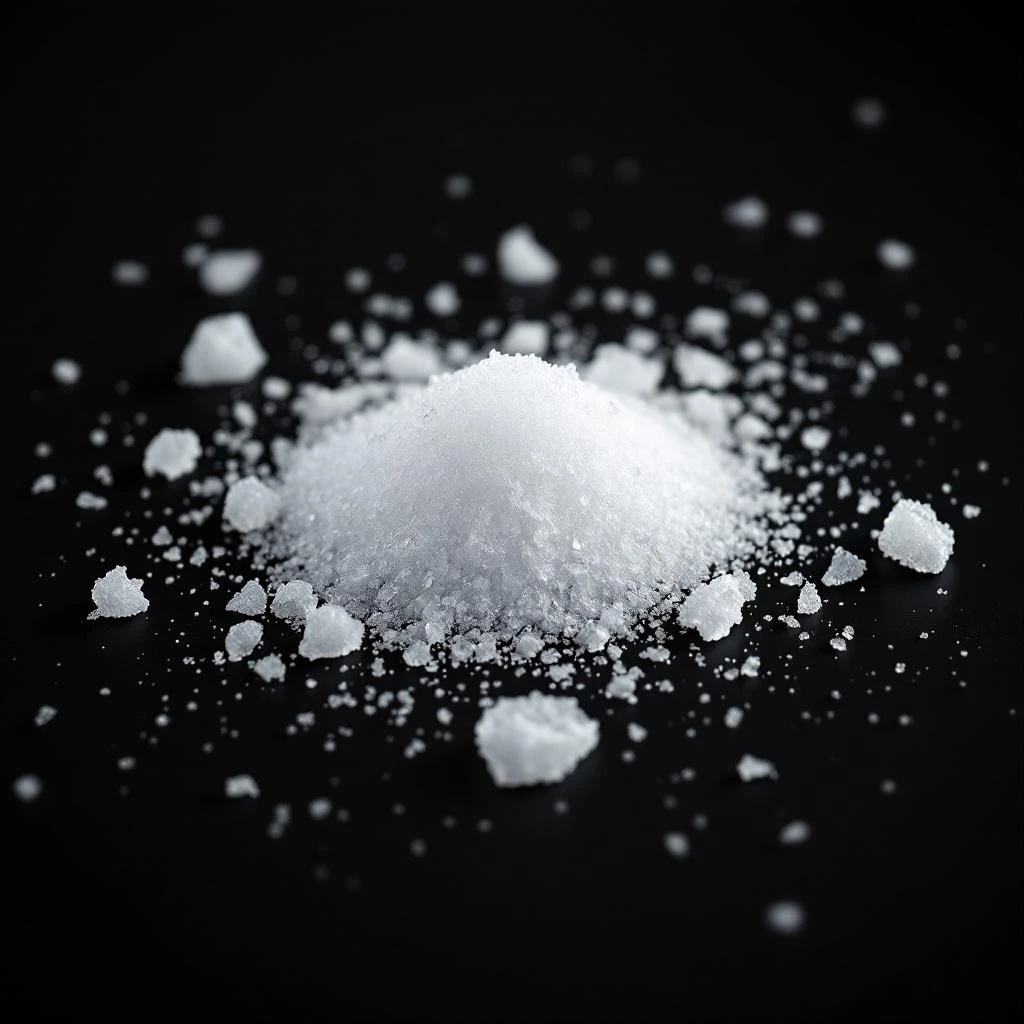
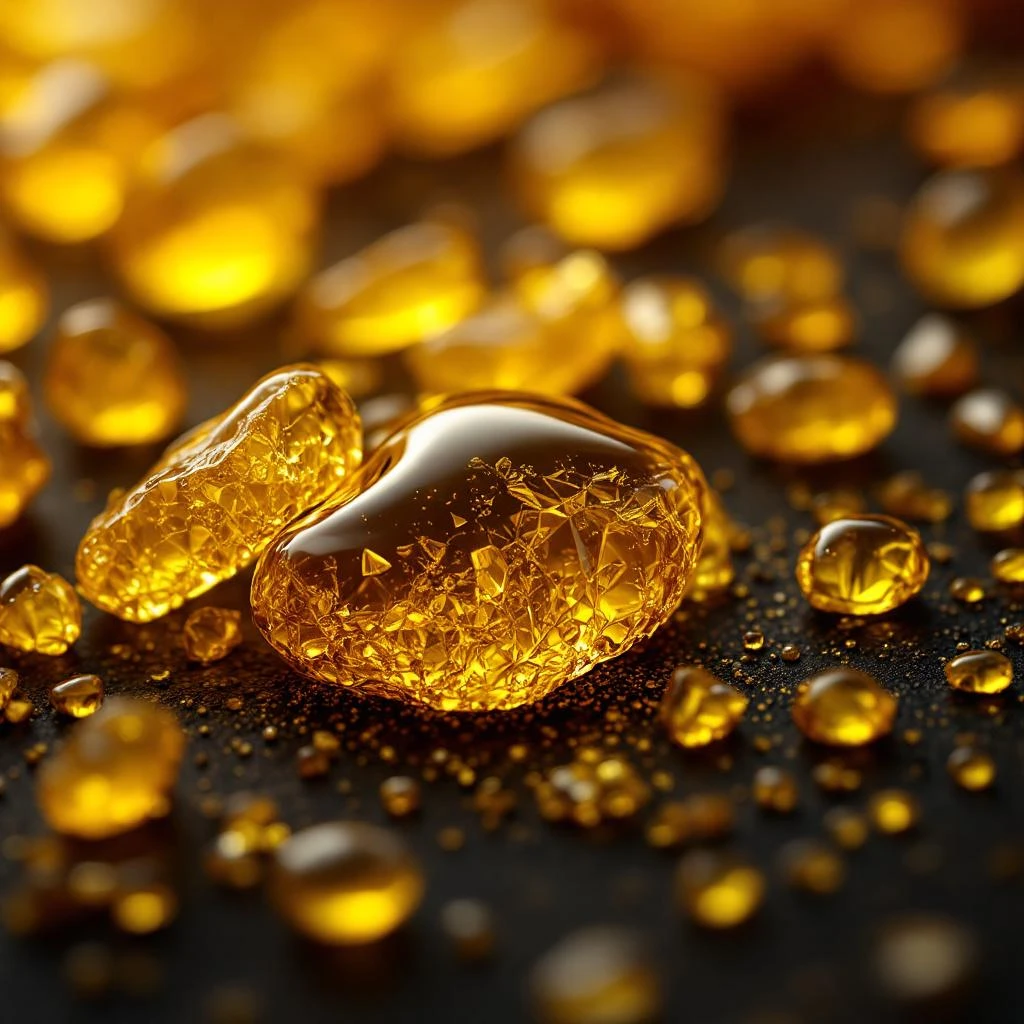
The study of cadaverine traces back to 1885, when German physician Ludwig Brieger isolated it from putrefying human remains while investigating the chemistry of decomposition. The name itself derives from the Latin cadaver, meaning corpse.
Alongside putrescine, cadaverine became one of the first ptomaines identified, a class of compounds once thought to cause food poisoning. While mainstream perfumery historically avoided these molecules due to their association with death, the late 20th century saw a revival of interest in challenging, boundary-pushing compositions.
Avant-garde perfumers began incorporating trace amounts of synthetic cadaverine to achieve hyper-realistic animalic notes impossible to capture through traditional musk extractions. This approach drew inspiration from classical ingredients like civet, ambergris, and castoreum, which contain naturally occurring amine compounds that contribute to their characteristic warmth and complexity.
Wears it best
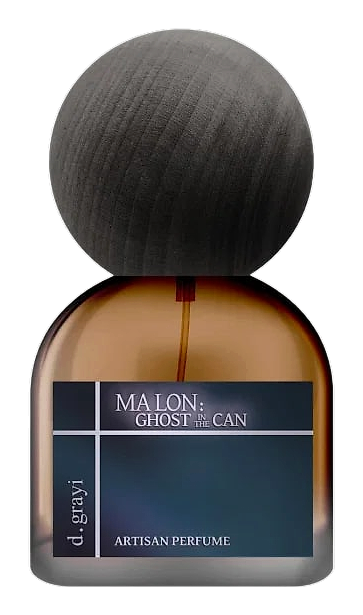
Fragrances featuring Cadaverine
Brands
Brands known for Cadaverine
Good to know
Questions, answered
The essentials on Cadaverine in perfumery: how it smells, where it comes from, and how it behaves on skin.
What does cadaverine smell like?
Pure cadaverine has a putrid, rotting-flesh odor with fecal and amine-like sharpness. At extreme dilution in fragrance, it contributes warmth, animalic depth, and a unsettling lifelike quality reminiscent of aged leather or raw animal musk.
Is cadaverine safe to use in perfume?
At the trace levels used in perfumery, cadaverine is considered safe by industry standards. It appears only in vanishingly small concentrations and is typically part of a larger accord, where its impact is felt rather than directly smelled.
Why do perfumers use a compound associated with death?
Perfumers value cadaverine because it reproduces animalic notes historically derived from civet, castoreum, and ambergris. These amines create depth and realism in leather, musk, and floral compositions, effects difficult to achieve with other materials.
Who discovered cadaverine?
Ludwig Brieger, a German physician, isolated cadaverine in 1885 while studying the chemistry of human decomposition. He identified it as one of the first ptomaines, compounds formed during tissue breakdown.
How is cadaverine produced for the fragrance industry?
Commercial cadaverine is produced through chemical synthesis, typically by hydrogenation of nitriles, or via bacterial fermentation of amino acids. Both methods yield pure, standardized material suitable for controlled perfumery applications.
What's the difference between cadaverine and putrescine?
Both are biogenic diamines with foul odors, but cadaverine (1,5-diaminopentane) has five carbons while putrescine (1,4-diaminobutane) has four. They often co-occur in decomposition and are used together in perfumery for layered animalic effects.
Is cadaverine found in any natural ingredients?
Trace amounts occur in aged meats, fermented foods, and certain cheeses. In the animal kingdom, similar amines appear in civet secretions and castoreum from beavers, which is why synthetic cadaverine effectively mimics those traditional perfume ingredients.
Is cadaverine vegan?
Synthetic cadaverine is vegan-friendly, as it is produced through chemical synthesis or fermentation rather than animal sources. This makes it an ethical alternative to animal-derived musks for achieving animalic fragrance profiles.