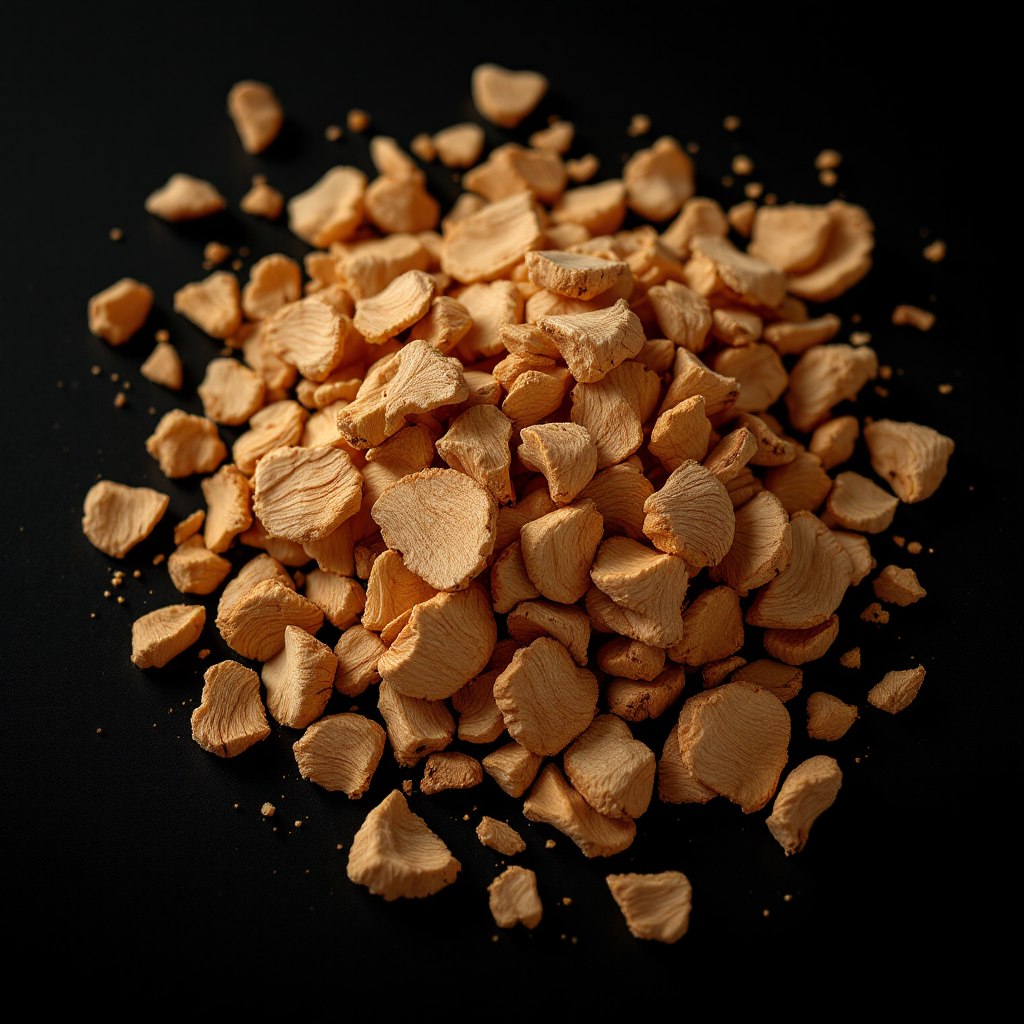
Burundi Patchouli
East African terroir shapes this aromatic heavyweight. Burundi patchouli carries the signature dark, earthy warmth of Pogostemon cablin while expressing terroir-driven nuances rarely found in Indonesian or Indian varieties. A cornerstone note in woody and chypre compositions.
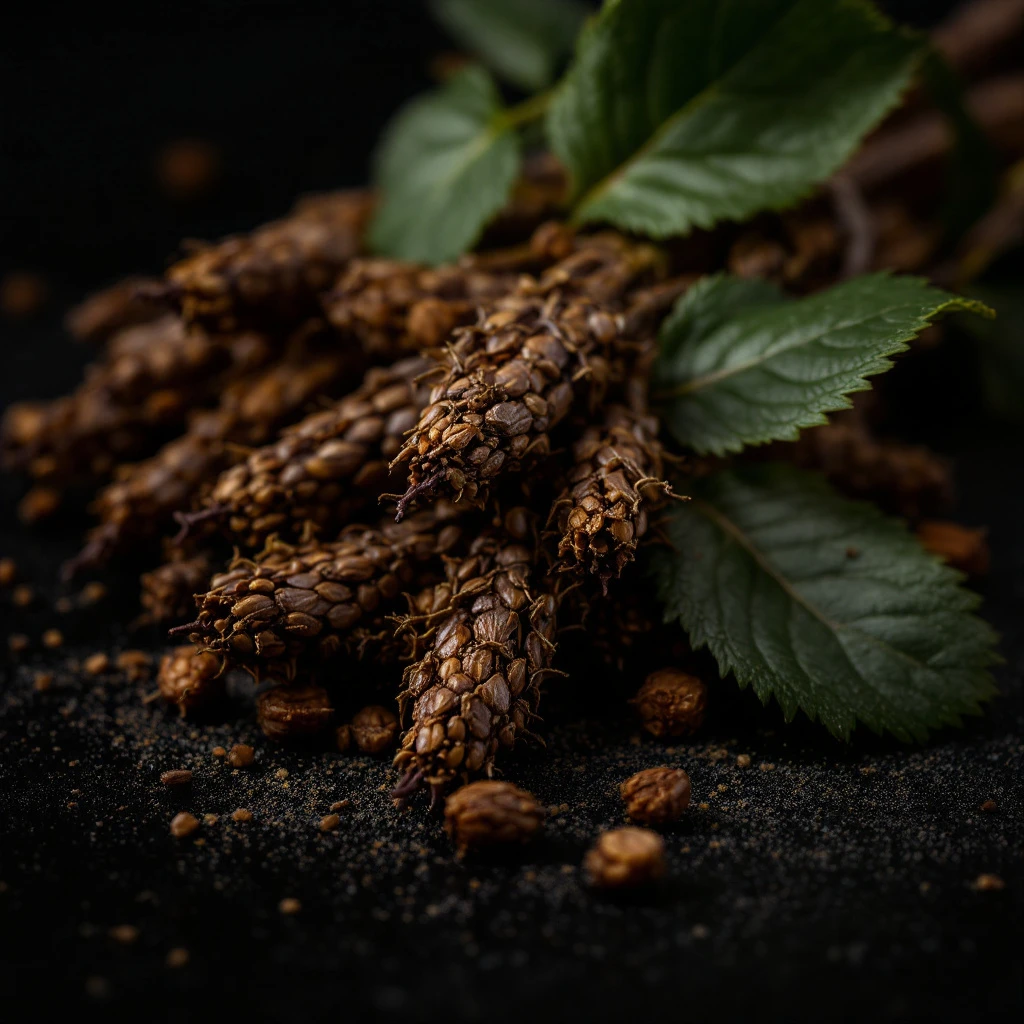
Character
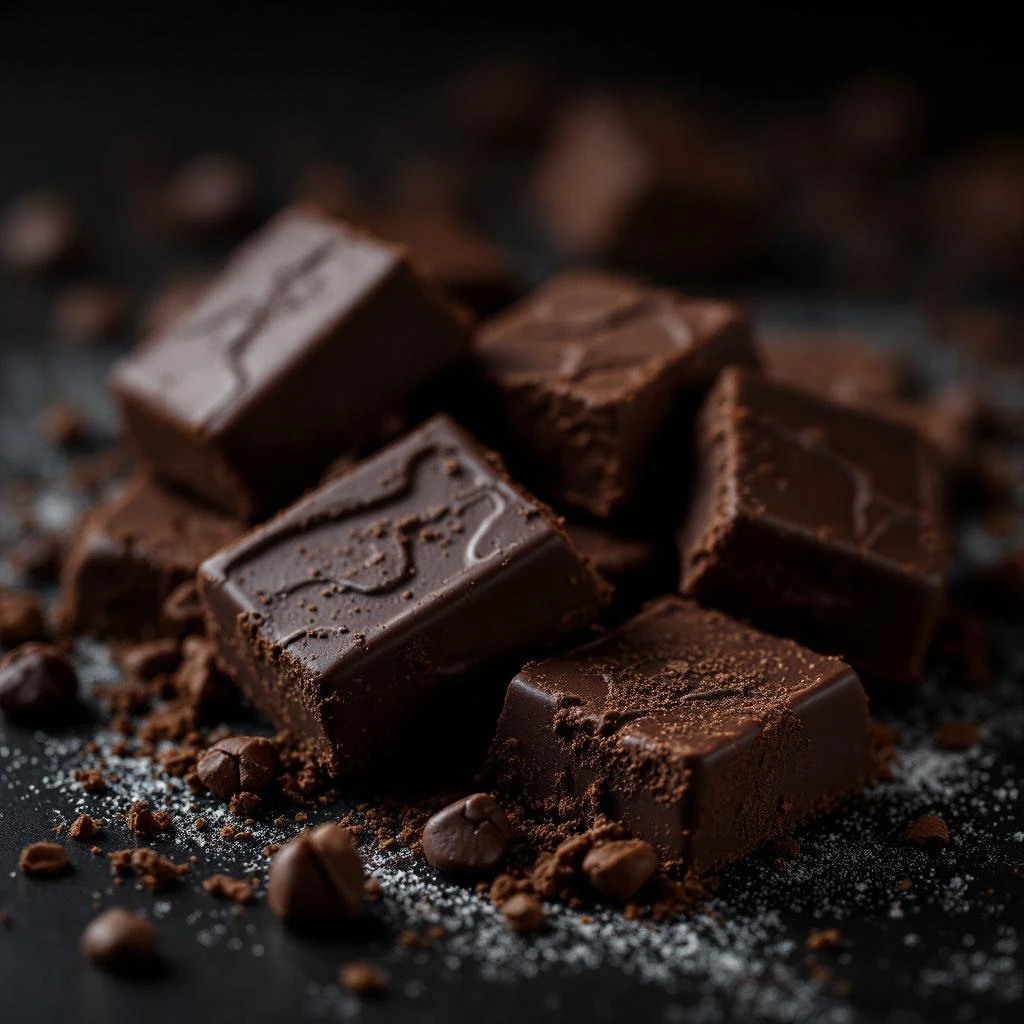
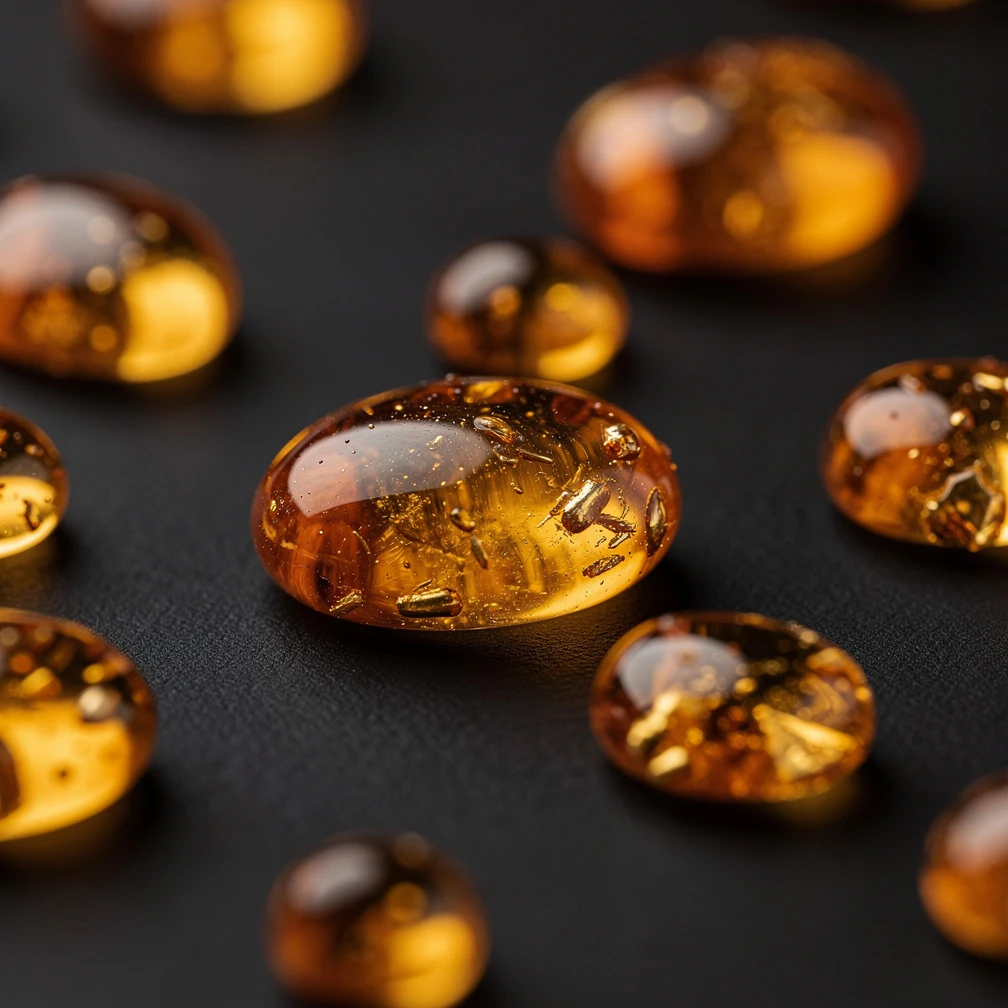
How it smells
African terroir meets perfumery's most versatile base note
The name patchouli derives from Tamil words paccu (green) and uli (tamarind), reflecting the deep green foliage of Pogostemon cablin.





Origin
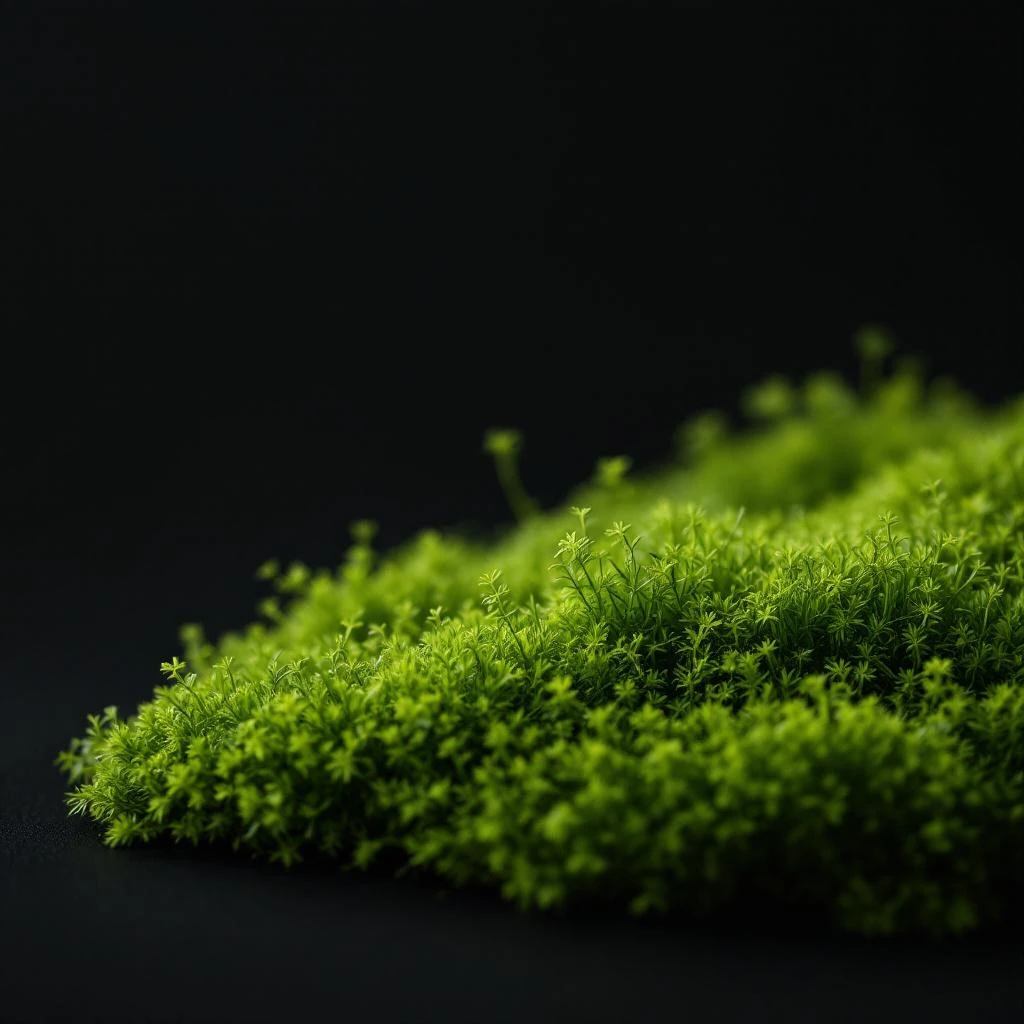
Southeast Asia
Patchouli's story begins in Southeast Asia, where Pogostemon cablin has grown wild for centuries across India, Malaysia, and Indonesia. Tamil-speaking traders coined the name from paccu (green) and uli (tamarind), reflecting the plant's deep green foliage. The spice and silk routes carried dried patchouli leaves westward, where merchants discovered the leaves served dual purposes—as luxurious fragrances and as effective moth deterrents protecting valuable textiles.
European perfume houses first encountered patchouli through Indian cashmere shawls arriving in the 1800s, wrapped in the dried leaves that perfumed fabrics during long sea voyages. By the Victorian era, patchouli had become an essential ingredient in European perfumery, prized for its fixative properties and distinctive woody aroma. Burundi entered the patchouli trade more recently, establishing itself as a significant producer given its suitable equatorial climate and agricultural tradition.
The country's highland regions provide ideal growing conditions, with altitude and rainfall patterns creating a distinct environment for Pogostemon cablin cultivation. This East African origin has developed its own identity in the global patchouli market, producing oil with characteristic differences that discerning perfumers seek out.
Wears it best
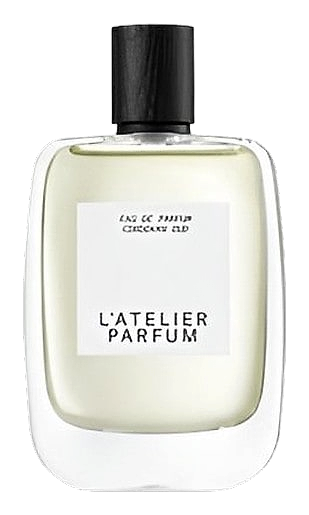
Fragrances featuring Burundi Patchouli
Brands
Brands known for Burundi Patchouli
Good to know
Questions, answered
The essentials on Burundi Patchouli in perfumery: how it smells, where it comes from, and how it behaves on skin.
What distinguishes Burundi patchouli from Indonesian patchouli?
Burundi patchouli typically exhibits a deeper, more resinous character with reduced camphor notes. East African terroir generates higher patchoulol concentrations. Distillers report the oil carries notably more of the primary aromatic alcohol compared to Indonesian material.
How is Burundi patchouli oil extracted?
Steam distillation produces Burundi patchouli oil. The process requires 1-2 hours under controlled pressure. This method preserves the full aromatic profile while removing chlorophyll and plant waxes from the final oil.
What part of the patchouli plant yields the oil?
Dried leaves provide all patchouli oil. Pogostemon cablin leaves are harvested, partially dried in sunlight, then distilled. Stems and flowers contain negligible aromatic compounds.
Why is it called patchouli?
The Tamil words paccu (green) and uli (tamarind) form the name's roots. Traders from Tamil-speaking regions of India spread the term through global commerce networks during the colonial era.
How much patchouli does the world produce each year?
Global patchouli production reaches approximately 1,500 tons yearly. Indonesia supplies roughly 90% of this total. Burundi contributes a growing percentage as a specialized producer of distinct character.
Which fragrance families use Burundi patchouli?
Chypre, woody, and oriental compositions feature Burundi patchouli. The note serves as a fixative for lighter elements. It adds depth in amber and leather accords.
Is patchouli originally from Africa?
Patchouli originates from Southeast Asia, not Africa. Pogostemon cablin first grew wild in India, Malaysia, and Indonesia. Burundi is a significant producer but not the botanical origin.
When did patchouli enter European perfumery?
Patchouli reached European perfumery in the early 1800s. Cashmere shawls from India introduced the note through dried leaves used as moth repellent during shipping. The oil became a standard fixative by mid-century.