Buddleia
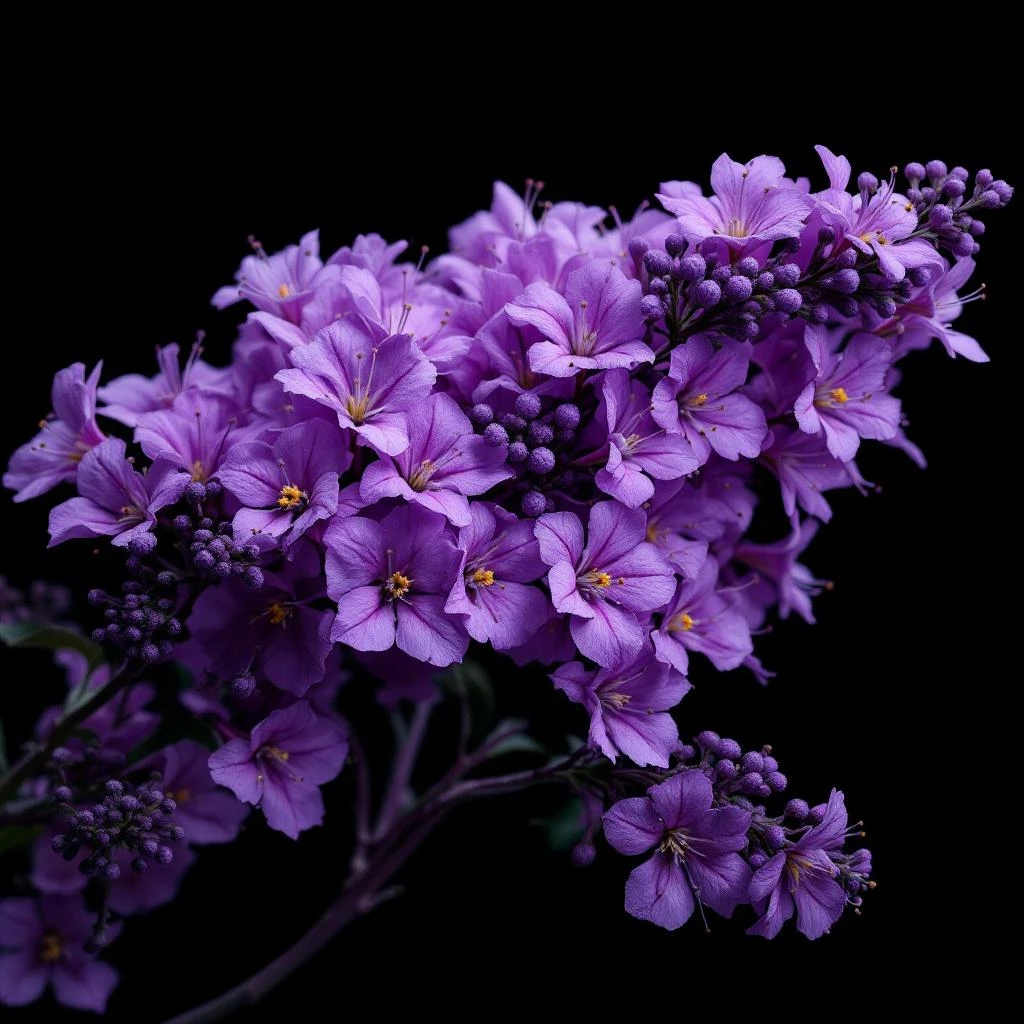
Buddleia, also called butterfly bush, brings a honeyed lilac sweetness to fine fragrance. Classified among "mute flowers," its delicate aromatic compounds resist conventional extraction, making it a prized and rare perfumery note.
Character
How it smells
A honeyed lilac whisper rarely captured
Buddleia's clusters attract butterflies so effectively that the plant earned the nickname butterfly bush in gardens worldwide.



Origin
China
Buddleia takes its scientific name from Reverend Adam Buddle, an English botanist and rector who documented the plant in the 17th century. The genus encompasses over 140 species distributed across temperate regions of Asia, Africa, and the Americas.
While not one of perfumery's ancient ingredients, buddleia gained attention in the 20th century as fragrance houses explored more diverse botanical territories. Its classification as a mute flower long excluded it from serious perfumery consideration, but advances in extraction technology have changed this status.
The plant's cultural significance extends beyond fragrance into traditional medicine in some Asian regions, where practitioners used it for various remedies. Today, buddleia occupies a niche but growing role in natural perfumery, valued for its ability to evoke wild garden atmospheres and its soft, honeyed floralcy.
Wears it best
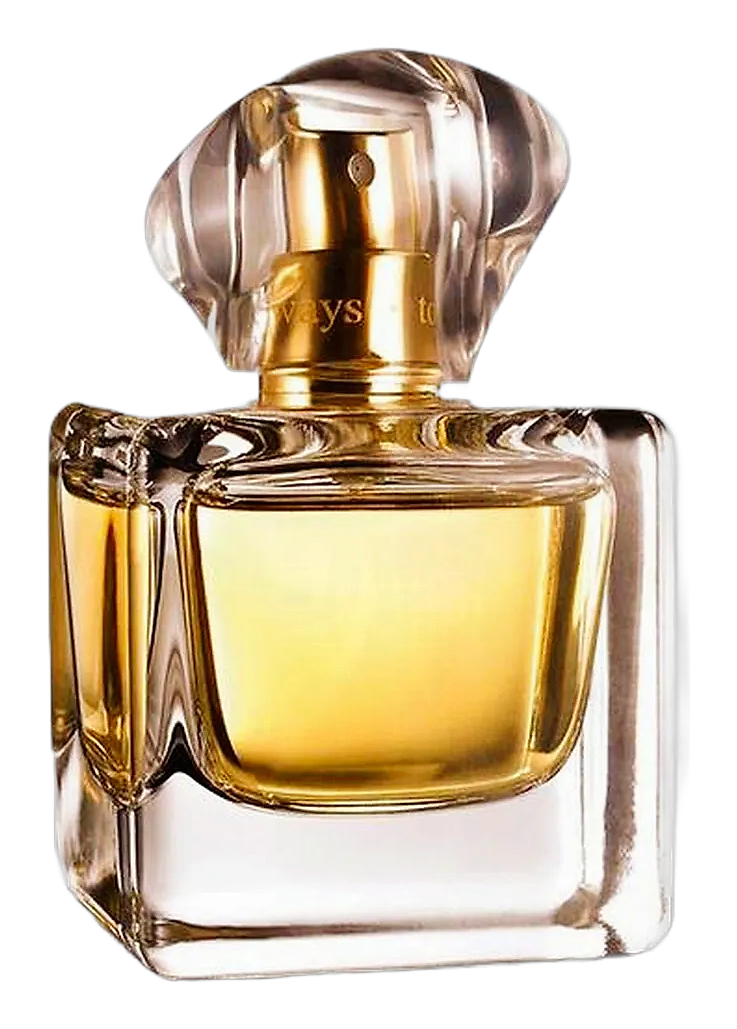
Fragrances featuring Buddleia
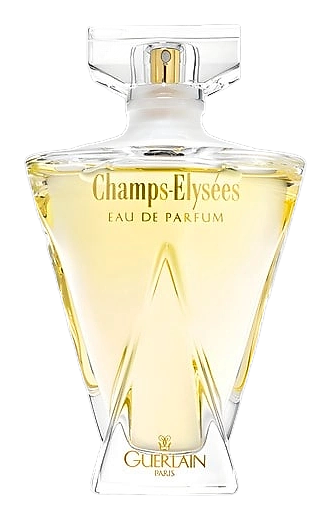
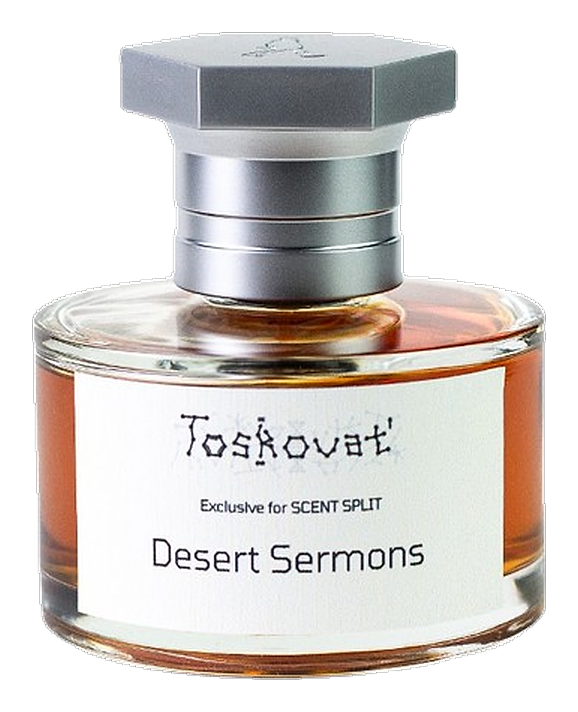
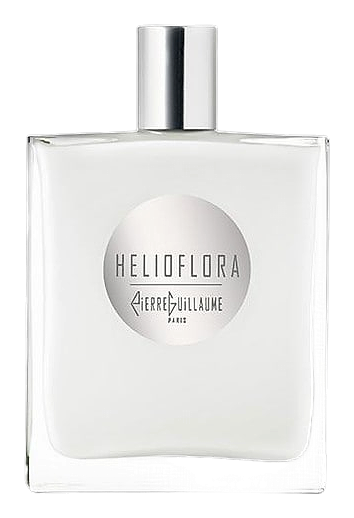
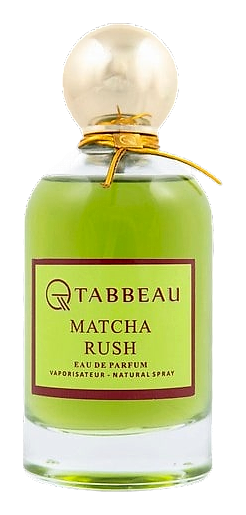
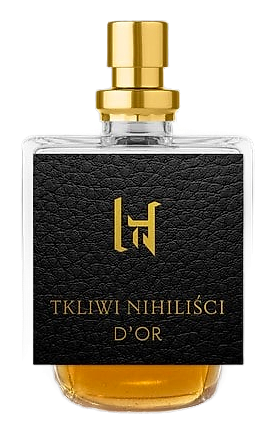
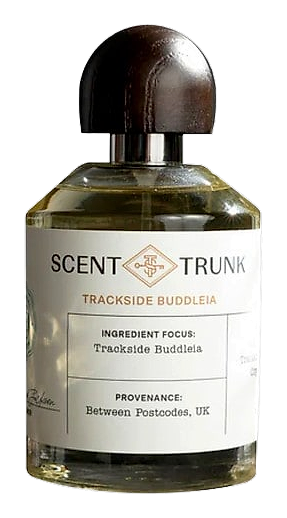
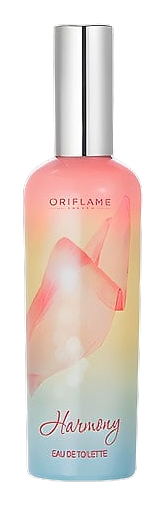
Brands
Brands known for Buddleia
Good to know
Questions, answered
The essentials on Buddleia in perfumery: how it smells, where it comes from, and how it behaves on skin.
Is buddleia oil available in natural form?
Natural buddleia oil from traditional extraction does not exist. The flower produces scent compounds in quantities too small for commercial harvesting, classifying it among mute flowers that require headspace technology or synthesis to capture their fragrance.
What does buddleia smell like?
Buddleia delivers a soft, honeyed lilac character with green undertones. The scent reads as a sweeter, more pollen-tinged interpretation of lilac, often evoking wild garden atmospheres and summer meadows.
Is buddleia used frequently in perfumery?
Buddleia appears infrequently due to its extraction challenges. It functions as a supporting note in floral compositions rather than a focal point, lending subtle honeyed sweetness to the heart of fragrances.
Why is buddleia called a mute flower?
Mute flowers lack sufficient volatile aromatic compounds for profitable extraction through conventional methods. Their scent molecules remain bound within plant tissues at concentrations too low for steam distillation or solvent extraction to yield usable material.
Which fragrance families use buddleia?
Buddleia appears primarily in modern floral and green fragrance families. Perfumers incorporate it into white floral compositions, airy chypres, and fresh green accords where its soft sweetness complements jasmin, rose, and other prominent florals.
Can synthetic buddleia replicate the natural scent accurately?
Headspace technology and modern synthesis achieve close replicas of buddleia's honeyed lilac character. While purists may detect subtle differences, these reconstructed versions perform well in fragrance formulations and provide consistent results.
Does buddleia have any traditional perfumery uses?
Unlike rose or jasmin, buddleia lacks historical precedent in traditional perfumery. Its use remains entirely modern, emerging from 20th-century fragrance innovation rather than ancient perfumery traditions.
Is buddleia related to other perfumery ingredients?
Buddleia shares botanical family connections with olive and ash trees in the Oleaceae family. Its fragrance profile parallels lilac and shares aromatic compounds like linalool found across many fragrant flowers.