Breuzinho
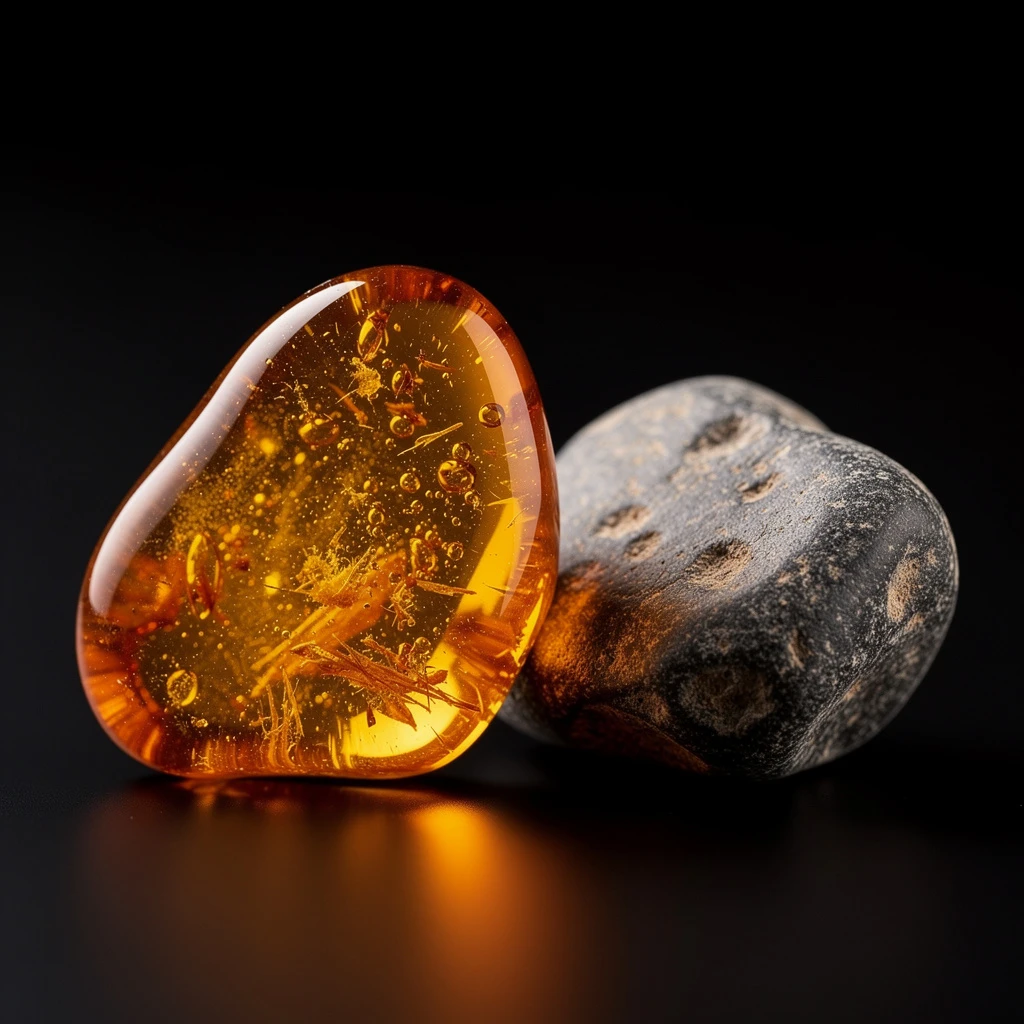
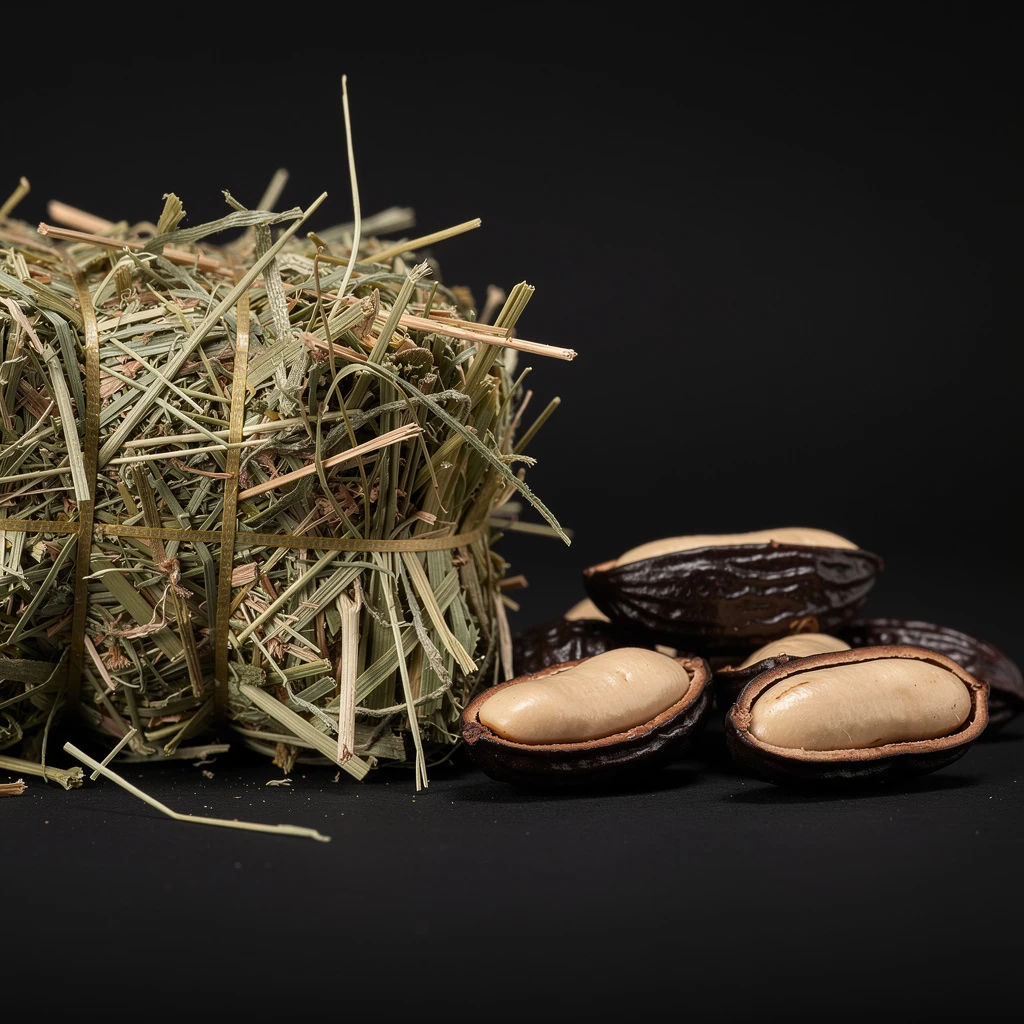
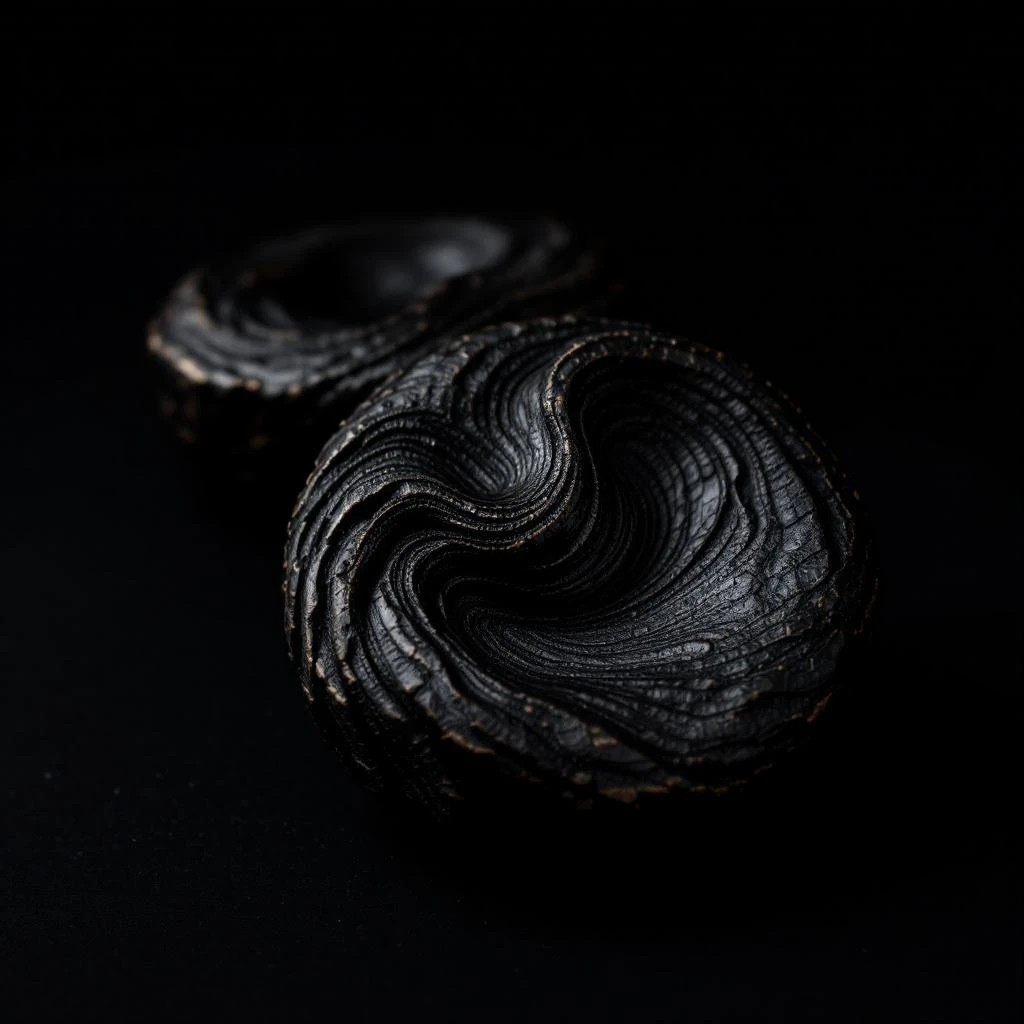
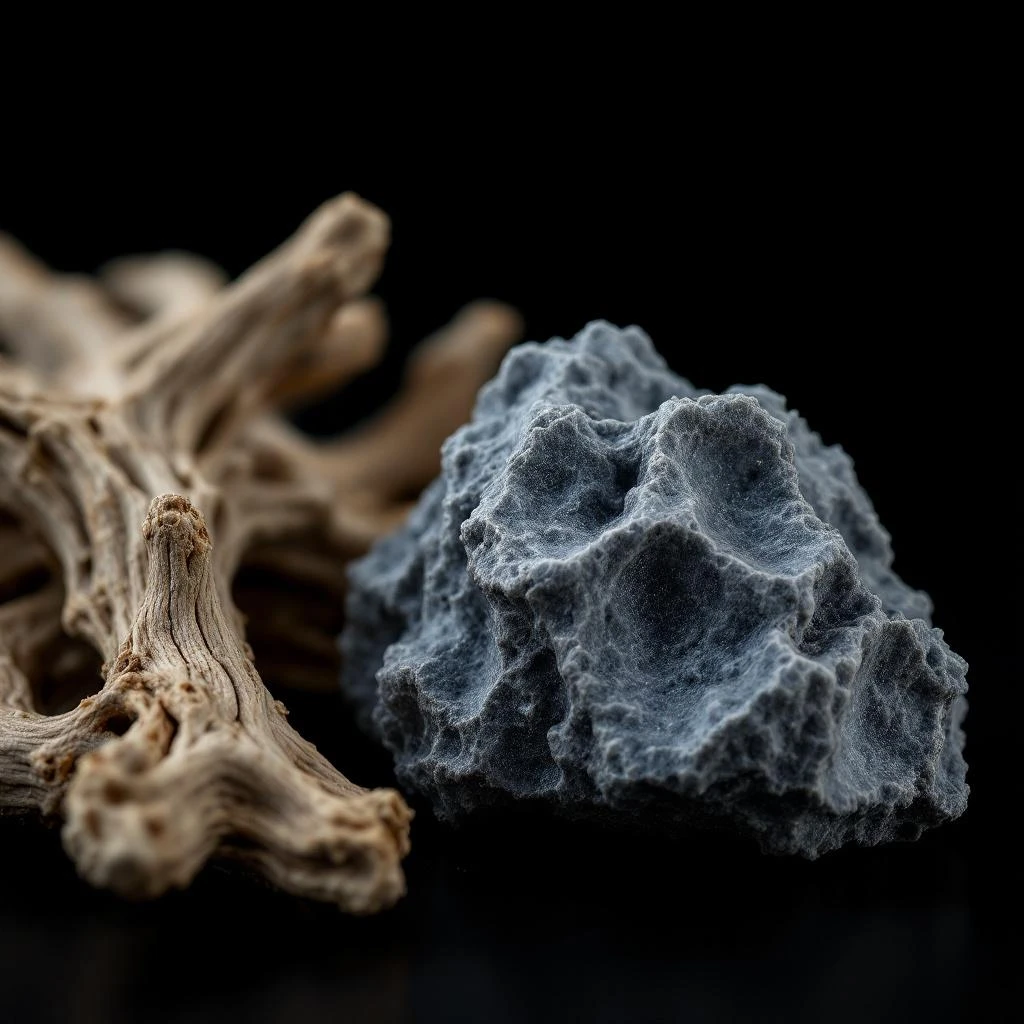
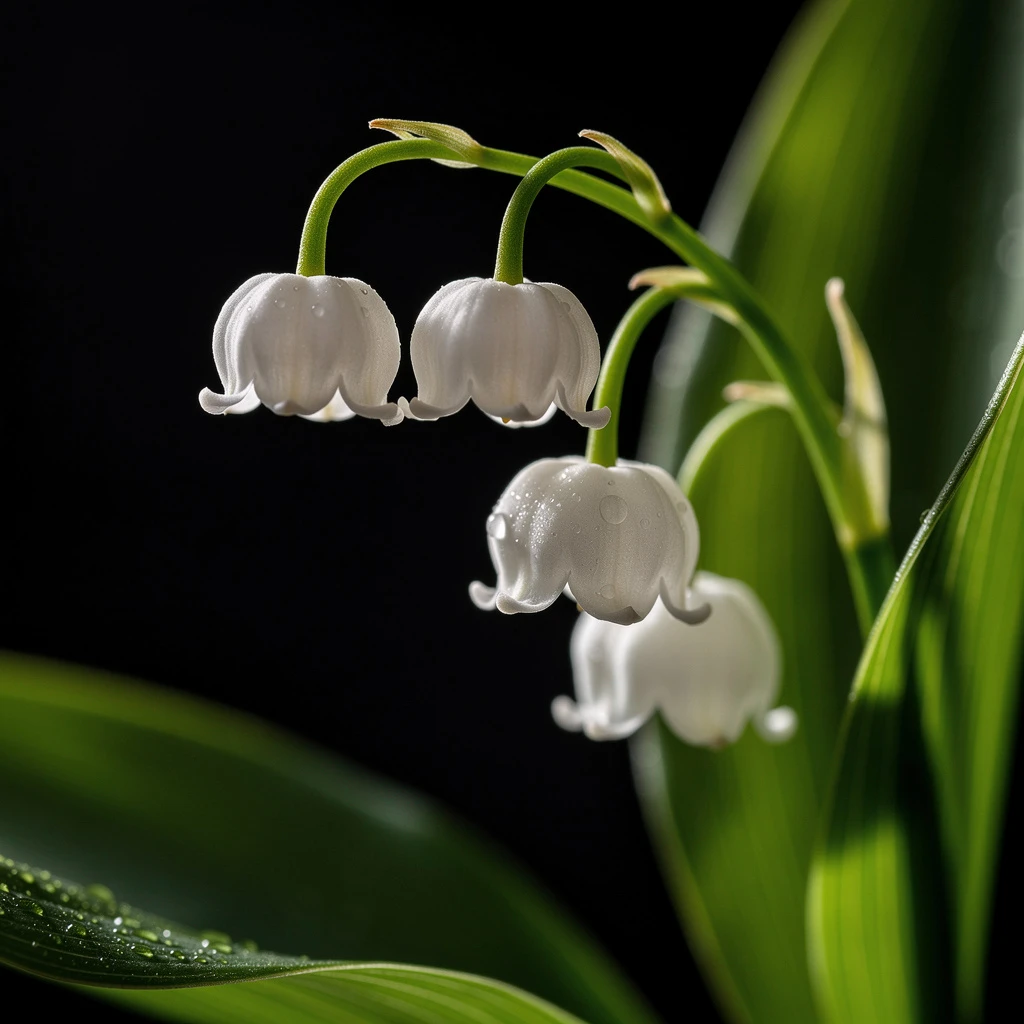
Breuzinho is a fragrant wood from the Brazilian interior, prized in fine perfumery for its warm, balsamic aroma that recalls ancient forests and timeworn resins. This overlooked note brings quiet depth to compositions.

Character
How it smells
Brazil's aromatic heartwood, yielding warmth
Traditional Brazilian healers used Breuzinho bark to treat respiratory ailments for generations before perfumers discovered its scent.








Origin
Brazil
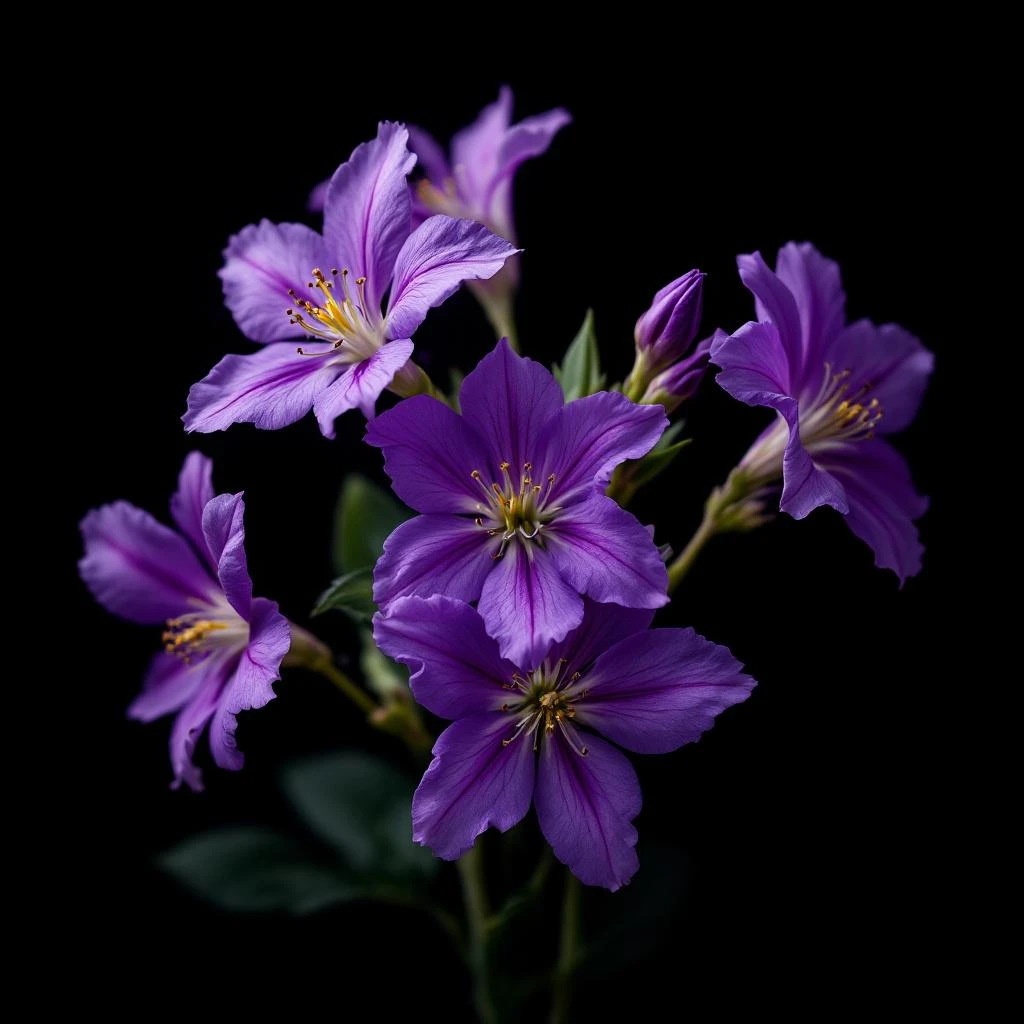
Breuzinho grows wild across southeastern Brazil, particularly in the Minas Gerais plateau. Indigenous peoples of the region likely encountered the fragrant wood during foraging and incorporated it into rituals and remedies. When Portuguese colonists arrived in the 16th century, they encountered local populations already using aromatic plants from the forest.
The plant remained primarily a folk medicine ingredient through the colonial period, appearing in regional apothecary traditions. By the 19th century, Brazilian perfumers began experimenting with native aromatic woods as European import costs rose. They discovered Breuzinho offered a distinct profile unavailable from imported materials.
Rural communities developed informal networks for harvesting and trading the wood. Modern botanical surveys have documented multiple species within the Breuzinho complex, each contributing slightly different aromatic qualities. Today, sustainable harvesting practices protect wild populations while meeting growing interest from fragrance houses seeking distinctive Brazilian materials.
Wears it best
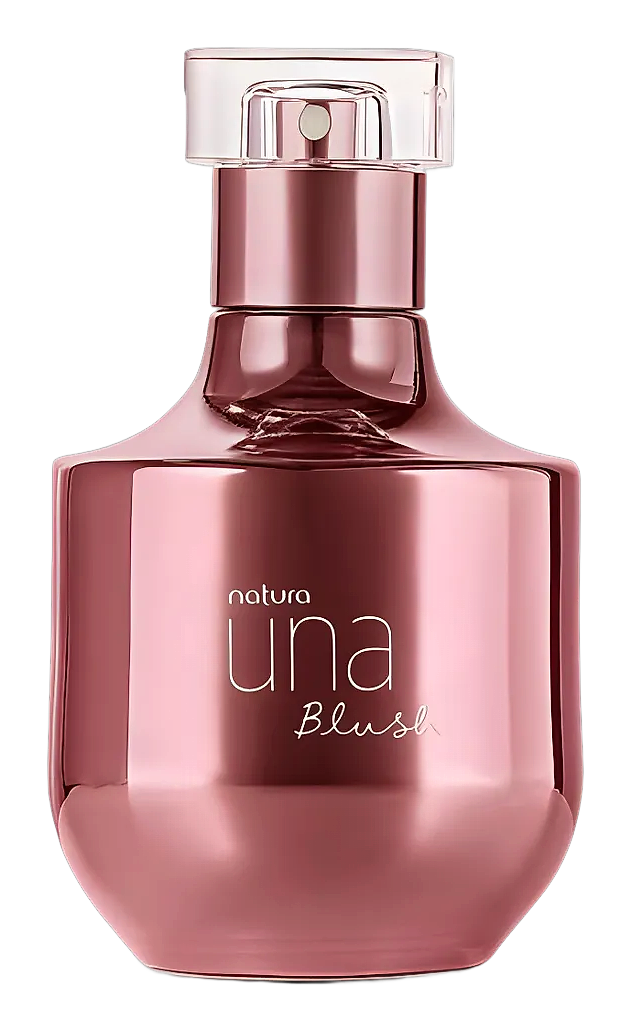
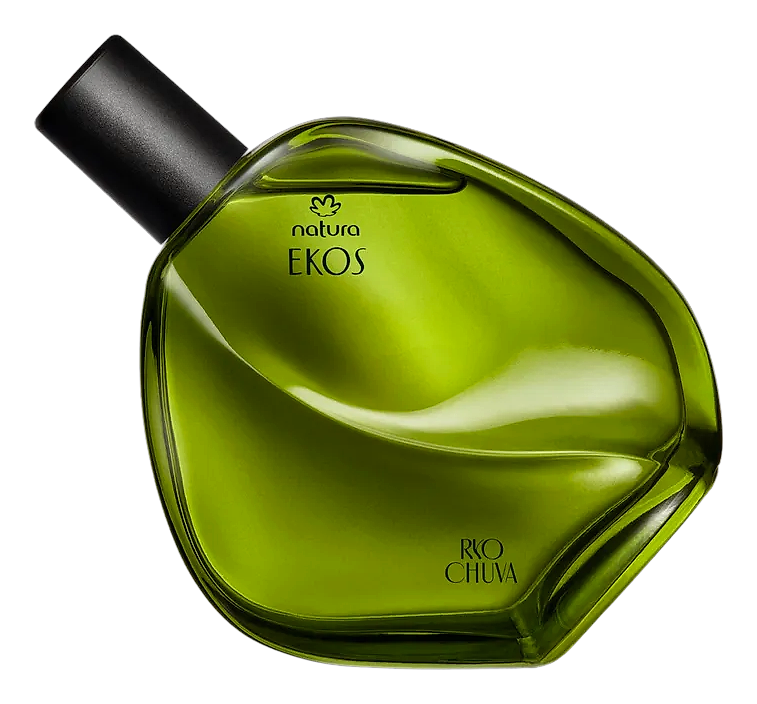
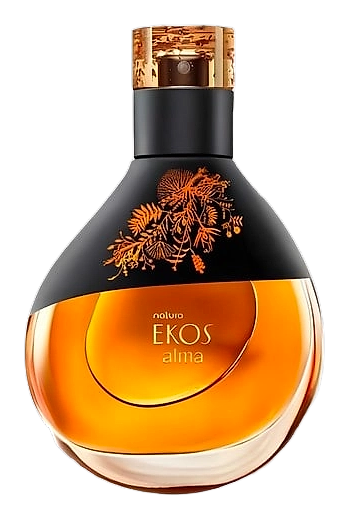
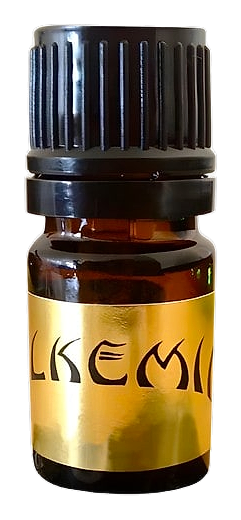
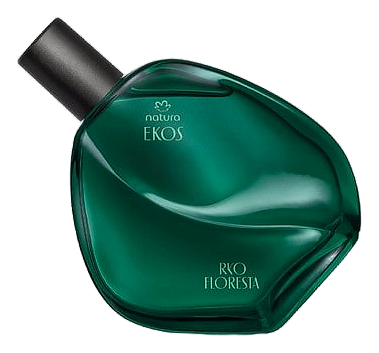
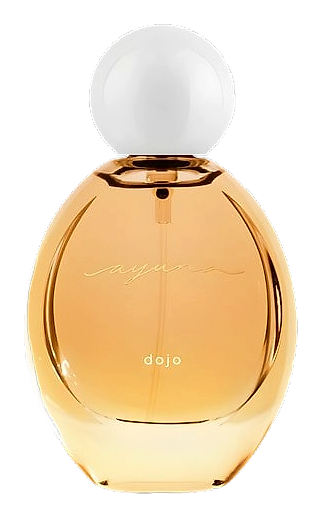
Fragrances featuring Breuzinho




Brands
Brands known for Breuzinho
Good to know
Questions, answered
The essentials on Breuzinho in perfumery: how it smells, where it comes from, and how it behaves on skin.
What does Breuzinho smell like?
Breuzinho offers a warm, woody aroma with balsamic sweetness and subtle resinous undertones. The scent evokes dried forest floor and aged wood, bringing comfortable depth to fragrance compositions.
Where does Breuzinho come from?
Breuzinho originates from southeastern Brazil, with primary harvesting in the Minas Gerais region. The plant grows wild in Atlantic Forest remnants and surrounding cerrado ecosystems.
Is Breuzinho sustainable to harvest?
Ethical producers harvest only branches and fallen wood, allowing trees to regenerate. Brazil's environmental agencies monitor wild populations, and several conservation programs now protect native Breuzinho species.
How long has Breuzinho been used in perfumery?
Brazilian perfumers began using Breuzinho in the 19th century when they sought local alternatives to costly imported woods. Traditional medicine used the plant for several centuries before perfumery applications emerged.
What part of the Breuzinho plant is used?
Producers harvest the heartwood and branches, processing them into chips before steam distillation. Leaves and bark may contain aromatic compounds but remain largely unused in current production methods.
What fragrances feature Breuzinho?
Breuzinho appears in niche fragrances from Brazilian houses and international brands seeking distinctive base notes. The ingredient suits woody, oriental, and fougere compositions requiring warm, resinous depth.
Can Breuzinho be synthesized?
No synthetic equivalent currently matches Breuzinho's complete aromatic profile. Chemists have identified some key compounds, but natural extraction preserves the full complexity of the material.
How does Breuzinho compare to other perfumery woods?
Unlike sandalwood or cedar, Breuzinho offers a more balsamic, less overtly creamy profile. It shares some characteristics with guaiac wood but carries distinctively Brazilian terroir notes absent from other materials.
In the same family