Bolivian Pink Pepper
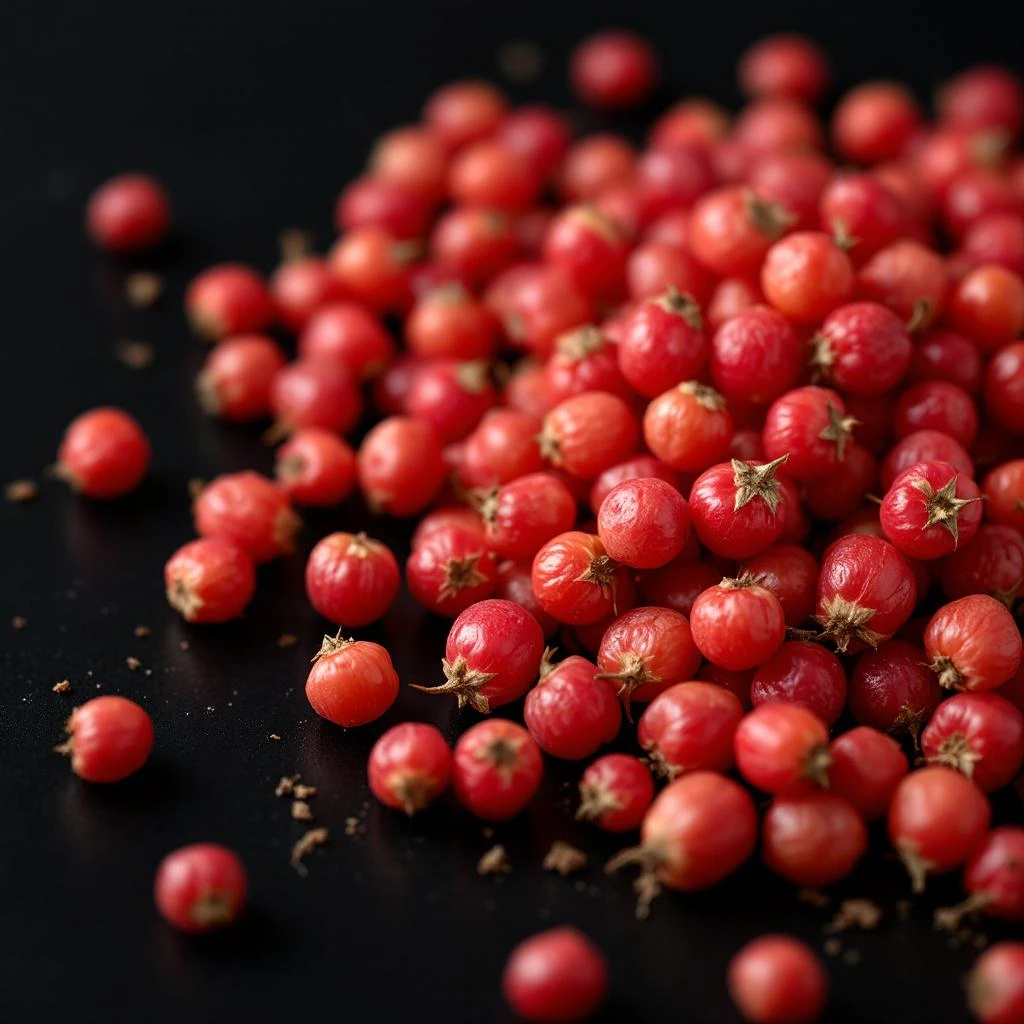
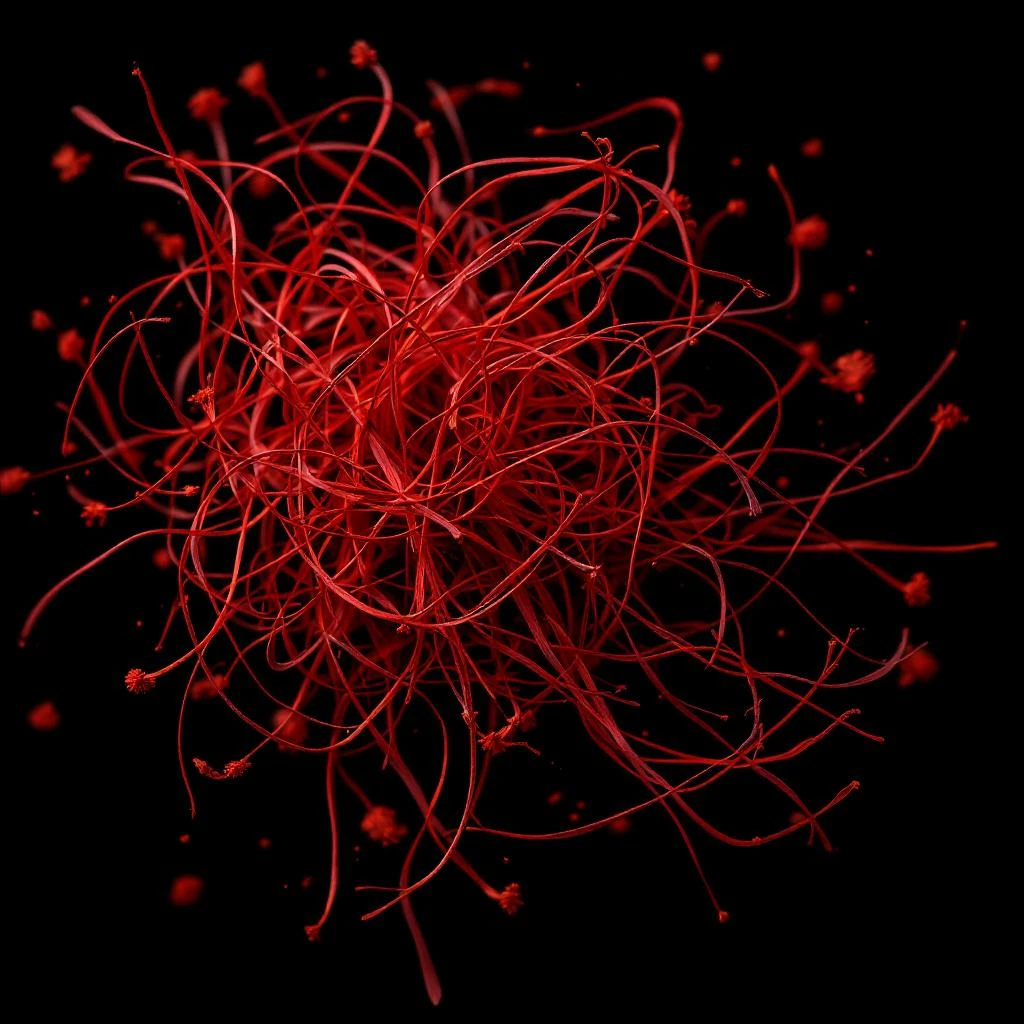
Bolivian Pink Pepper comes from the Schinus molle tree, a member of the cashew family. Its berries deliver a bright, citrusy warmth that perfumers prize for adding sparkle without heat. A modern classic.
Character
How it smells
A berry that sparkles. Bright, fresh, unexpectedly warm.
Despite its name, pink peppercorn is not a pepper at all. It belongs to the Anacardiaceae family, sharing botanical kinship with mangoes and cashews.





Origin
Bolivia
The Schinus molle tree has deep roots in South American culture, where indigenous peoples of the Andes used its berries for both culinary and medicinal purposes for centuries before European contact. The tree, known locally as molle, held ceremonial significance in Incan traditions. Spanish colonizers later spread the species across Latin America and beyond.
However, perfumers showed little interest in the ingredient until the 1990s, when advances in extraction technology finally made it possible to isolate its delicate aromatic compounds. Before this, the fresh berry appeared primarily in kitchens across Peru and Bolivia, where cooks valued its bright, slightly sweet heat as a culinary spice. The fragrance industry's adoption transformed a regional ingredient into a global perfumery staple almost overnight.
Today, pink pepper ranks among the most used materials in contemporary perfumery, yet it remains anchored to its South American origins. Bolivia and Peru continue supplying the majority of world demand, preserving a supply chain that stretches back centuries.
Wears it best
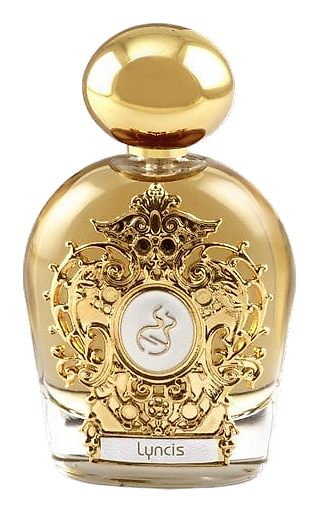
Fragrances featuring Bolivian Pink Pepper
Brands
Brands known for Bolivian Pink Pepper
Good to know
Questions, answered
The essentials on Bolivian Pink Pepper in perfumery: how it smells, where it comes from, and how it behaves on skin.
Is pink peppercorn actually a pepper?
No. Pink peppercorn comes from Schinus molle, a tree in the cashew family. Its kinship with mangoes and cashews places it in the Anacardiaceae family, far removed from true peppers.
How does pink pepper differ from black pepper?
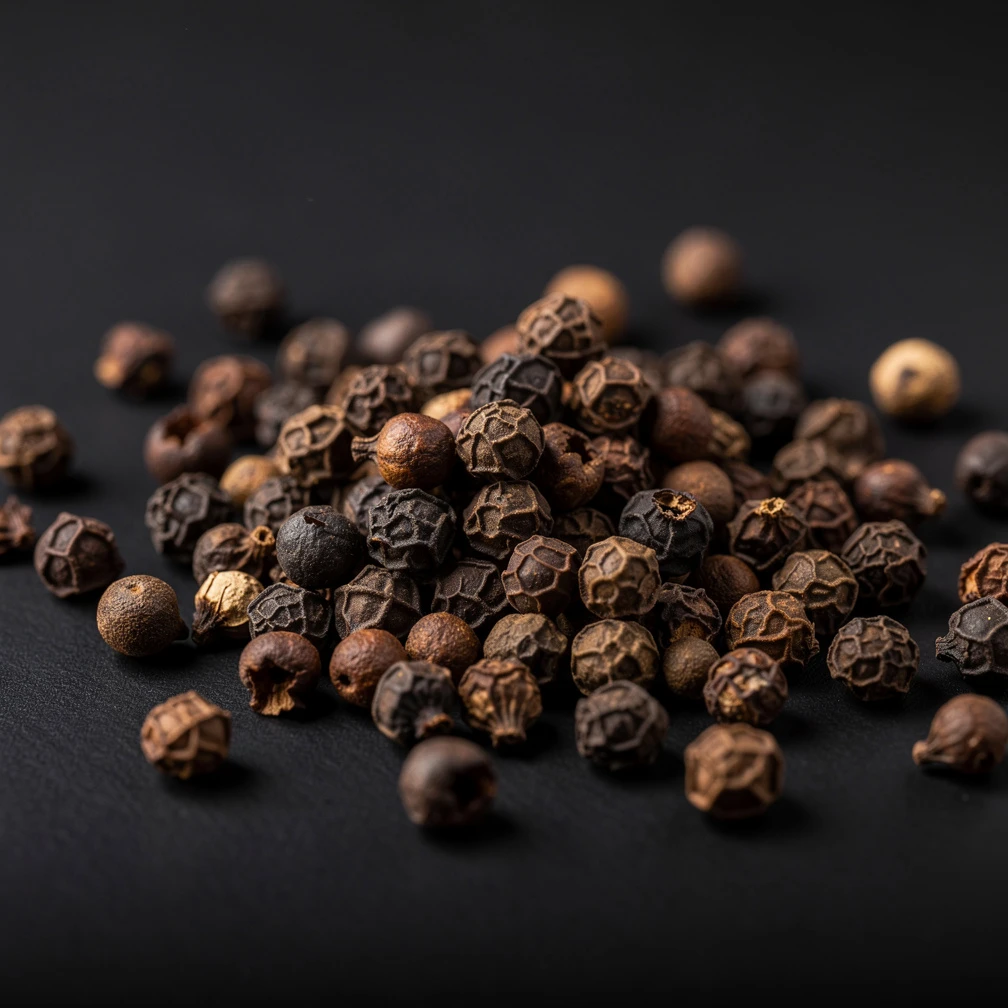
Pink pepper delivers bright, citrusy warmth without the sharp bite of black pepper. Its scent is softer, with fruity and floral undertones that work differently in formulations.
Where does Bolivian pink pepper grow?
The Schinus molle tree thrives in Bolivia's high-altitude regions, where the cooler temperatures and specific soil conditions develop the berries' aromatic intensity.
What extraction method captures pink pepper's scent?
Steam distillation of the berries and leaves produces the essential oil. Supercritical CO2 extraction offers a more complete aromatic profile for certain applications.
When did pink pepper enter perfumery?
The ingredient gained prominence in the 1990s when extraction technology advanced enough to isolate its delicate compounds for commercial use.
Can people with nut allergies use pink pepper?
Caution is needed since it belongs to the cashew family. Those with tree nut allergies should consult a healthcare provider before use.
How should pink pepper oil be stored?
Keep it in a cool, dark place in a tightly sealed container. This preserves its aromatic properties and prevents oxidation over time.
What makes Bolivian pink pepper special?
Bolivia's high-altitude growing conditions and specific terroir develop distinctive aromatic compounds, giving the oil a particularly bright and complex character.