Tuscan white iris
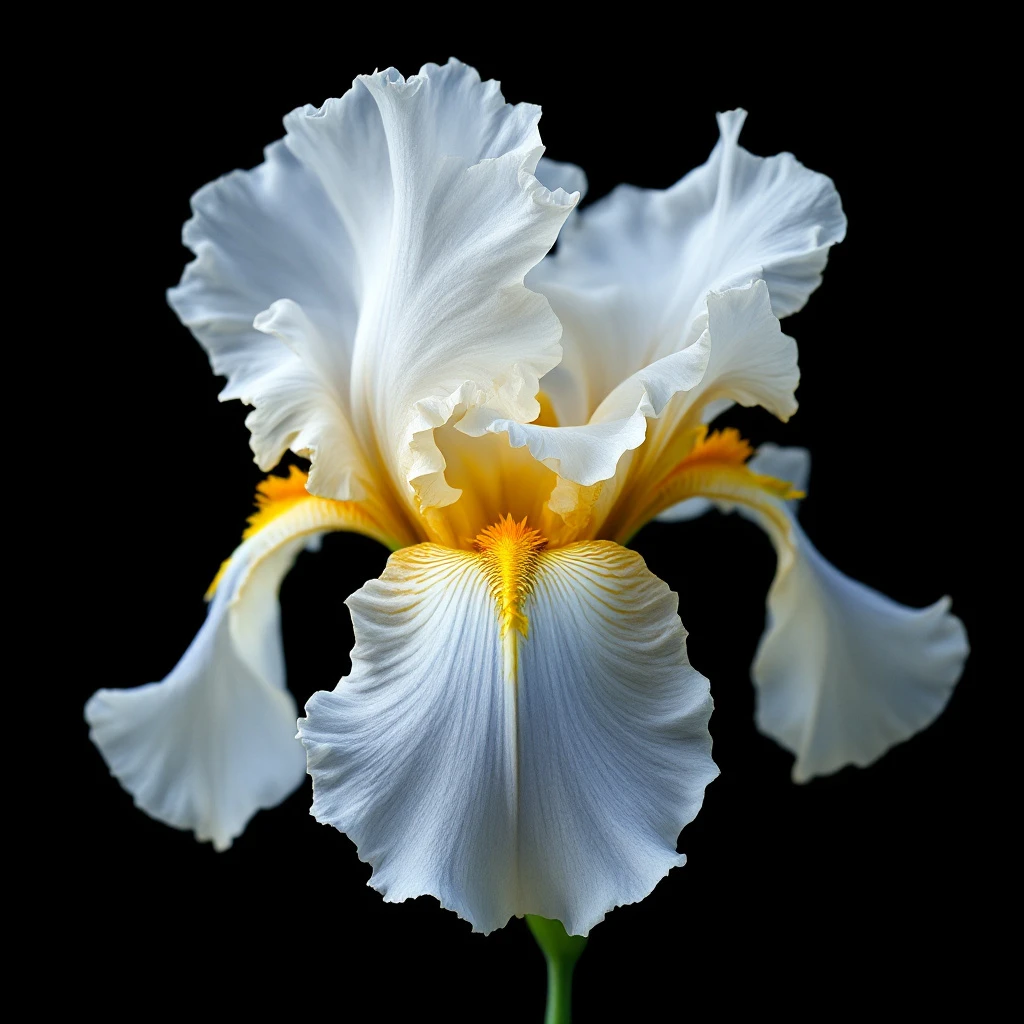
The cream-colored heart of Florentine perfumery. Tuscan white iris delivers that unmistakable powdery elegance found in the world's most revered fragrances.
Character
How it smells
Powdery Florentine elegance, rooted in centuries of craft.
It takes three years for iris rhizomes to develop the irone compounds that give the root its signature powdery aroma.


Origin
Italy
The hills surrounding Florence have nurtured iris cultivation since before recorded history, with Iris pallida growing wild across the Tuscan landscape. Ancient Egyptians and Romans valued orris root for medicinal and cosmetic applications, grinding it into powders and unguents.
During the Renaissance, iris became a cornerstone of Italian perfumery as Florentine artisans perfected its processing. In the sixteenth century, Queen Catherine de Medici herself carried iris roots from Italy to the French court, introducing this Florentine treasure to French perfumers who would elevate it to legendary status.
By the nineteenth century, French fragrance houses had adopted iris essence as a staple for creating soft, powdery compositions. The ingredient's journey from Medici courts to modern perfume bottles spans five centuries of continuous appreciation, making Tuscan iris not merely a raw material but a living link to the origins of European perfumery.
Wears it best
Fragrances featuring Tuscan white iris
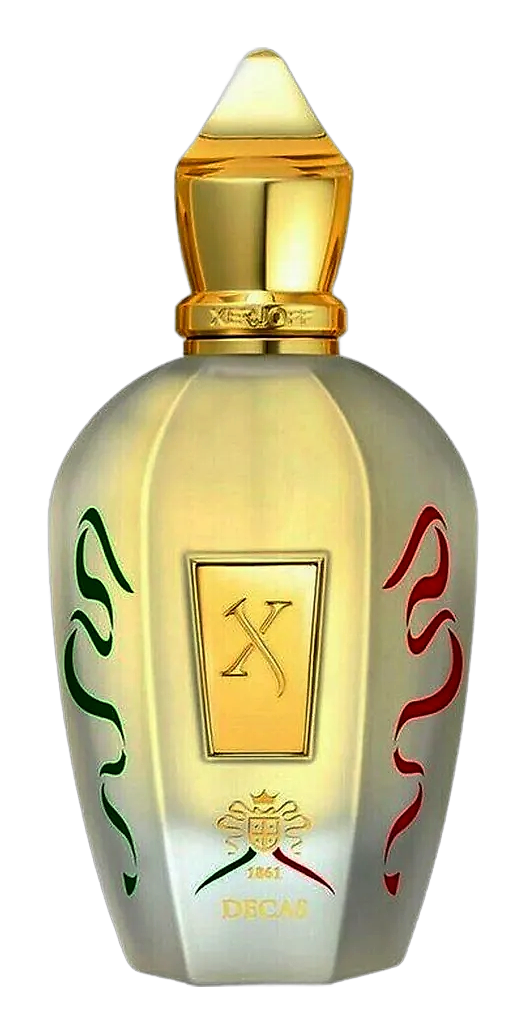
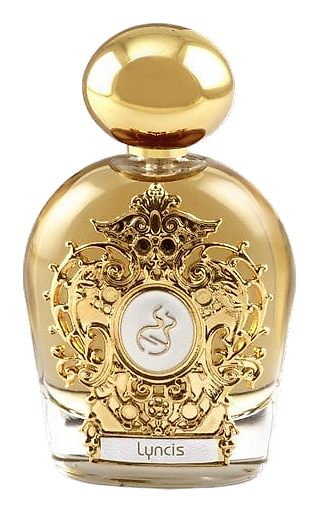
Brands
Brands known for Tuscan white iris
Good to know
Questions, answered
The essentials on Tuscan white iris in perfumery: how it smells, where it comes from, and how it behaves on skin.
What does Tuscan white iris smell like?
Tuscan white iris smells powdery and softly floral with violet undertones. The aroma is clean, elegant, and slightly sweet, reminiscent of freshly laundered fabrics and delicate violets.
Is Tuscan white iris made from iris flowers?
No. Despite its name, white iris absolute comes from the rhizomes (root systems) of iris plants, not the flowers. The flowers are ornamental; the real fragrance develops underground over years of growth.
Why is iris one of the most expensive perfume ingredients?
Iris rhizomes require a minimum three-year growing period before harvest to develop sufficient irone compounds. Combined with the lengthy curing process and low yield from solvent extraction, this extended timeline drives production costs extremely high.
Where does Tuscan white iris grow?
The finest orris cultivation centers around Florence, Italy, in the Tuscan hills. Iris germanica and Iris pallida thrive in this Mediterranean climate, producing rhizomes with the characteristic powdery-floral profile perfumers prize.
How is iris absolute different from iris butter or irone?
Iris absolute (from solvent extraction) captures the full aromatic profile of cured rhizomes. Iris butter is a concentrated extract with higher wax content. Irone is an isolated aromatic molecule that provides the characteristic violet scent note.
What famous fragrances feature Tuscan white iris?
Iris features prominently in classical compositions like Chanel No. 19, Guerlain Insolence, and Dior Diorissimo. Modern interpretations include Byredo Gypsy Water and Le Labo Iris 39, showcasing its versatility across fragrance families.
Can iris be grown outside Tuscany?
Yes, iris grows in Morocco, China, and California, but Tuscan iris from the Florence region remains the benchmark for quality. The specific soil composition and Mediterranean climate of Tuscany produce rhizomes with exceptional aromatic complexity.
Does synthetic iris replace natural Tuscan iris?
Synthetic alternatives like irone and ionones exist but lack the full-bodied complexity of natural absolute. Natural Tuscan iris contains hundreds of aromatic compounds that create its distinctive powdery, warm character no synthetic yet replicates fully.