Blue Tea
A mystical blue-violet bloom from Southeast Asian gardens. Butterfly pea flower brings an elegant, slightly sweet floral note that bridges green tea freshness with delicate violet undertones.
Character
How it smells
The blue flower that paints drinks and perfumes alike
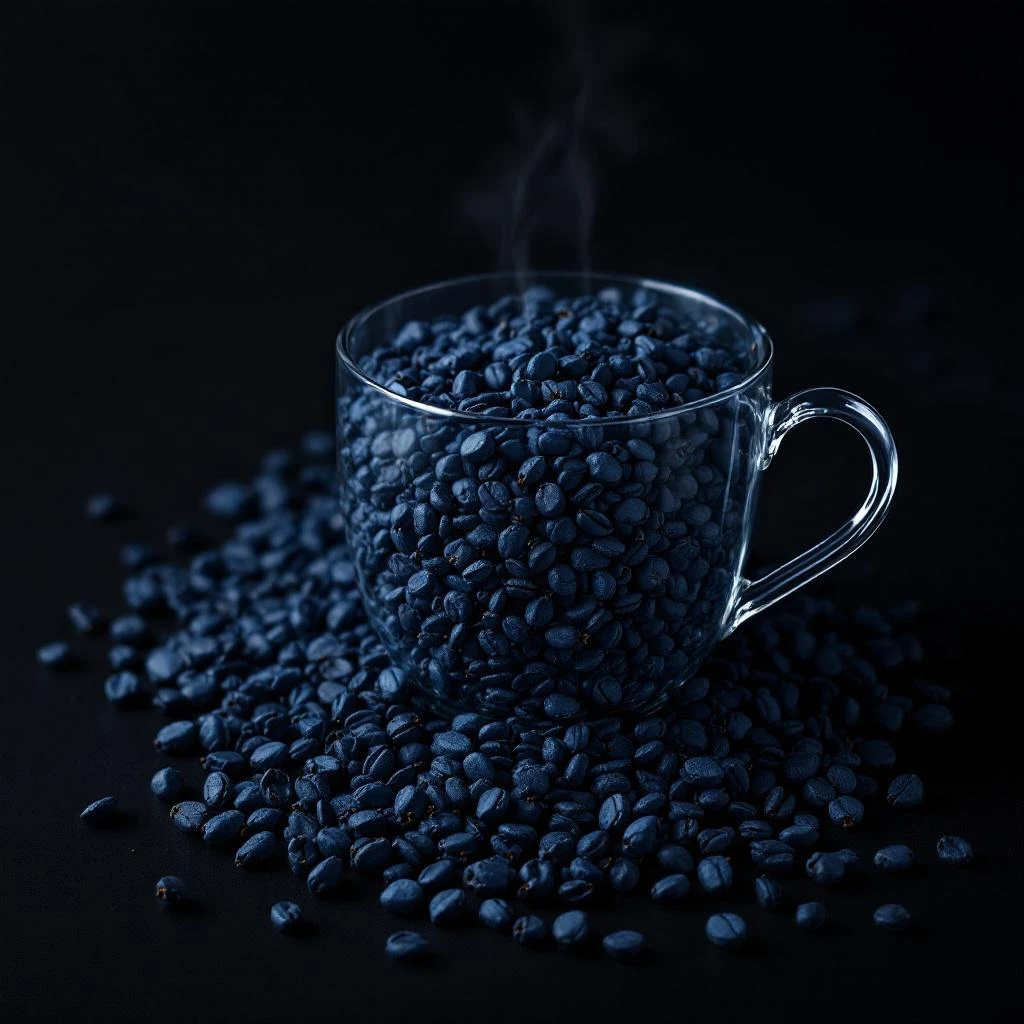
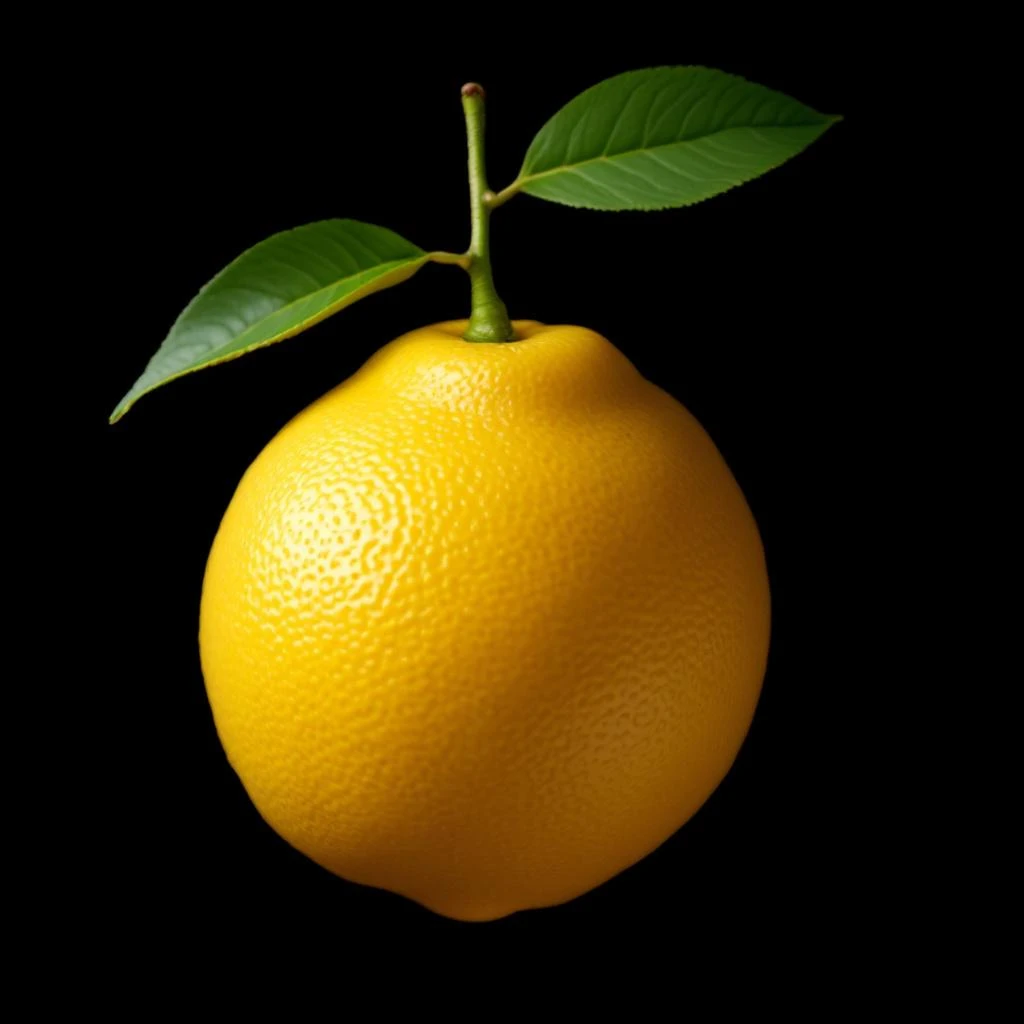
Butterfly pea flower's vivid blue color shifts to purple when citrus touches it—a natural pH indicator used for centuries in Southeast Asian beverages.




Origin
Thailand
Clitoria ternatea has grown across Southeast Asia and the Indian subcontinent for centuries, revered in Ayurvedic traditions for its supposed cognitive benefits. Traditional preparations involved steeping the vivid blue flowers in hot water, creating the deeply colored beverages that eventually inspired perfumers. The flower's journey from traditional remedy to fragrance ingredient reflects a broader Western fascination with Asian tea ceremonies that began when trade routes connected continents.
Japanese green tea culture particularly influenced European perfumers in the 19th century, prompting them to seek botanical materials that evoked these aromatic traditions. Blue tea represents a convergence of these interests—a Southeast Asian flower adopted into a perfumery vocabulary shaped by Japanese ritual.
Wears it best
Fragrances featuring Blue Tea

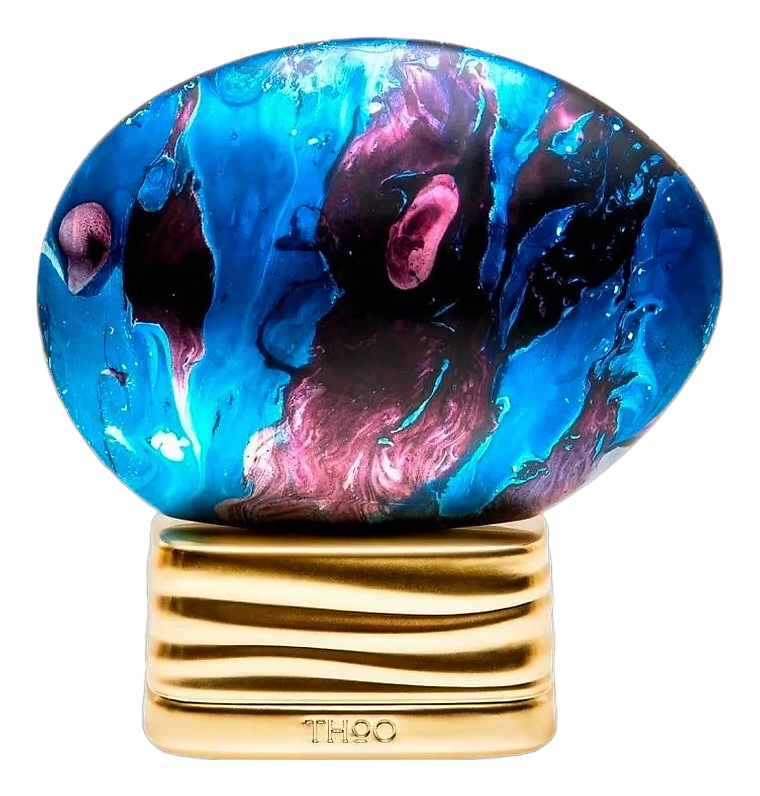
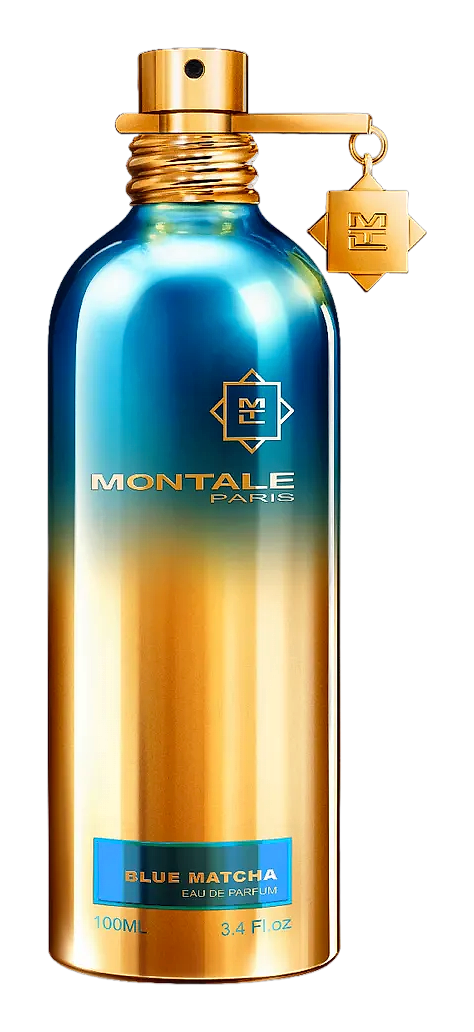
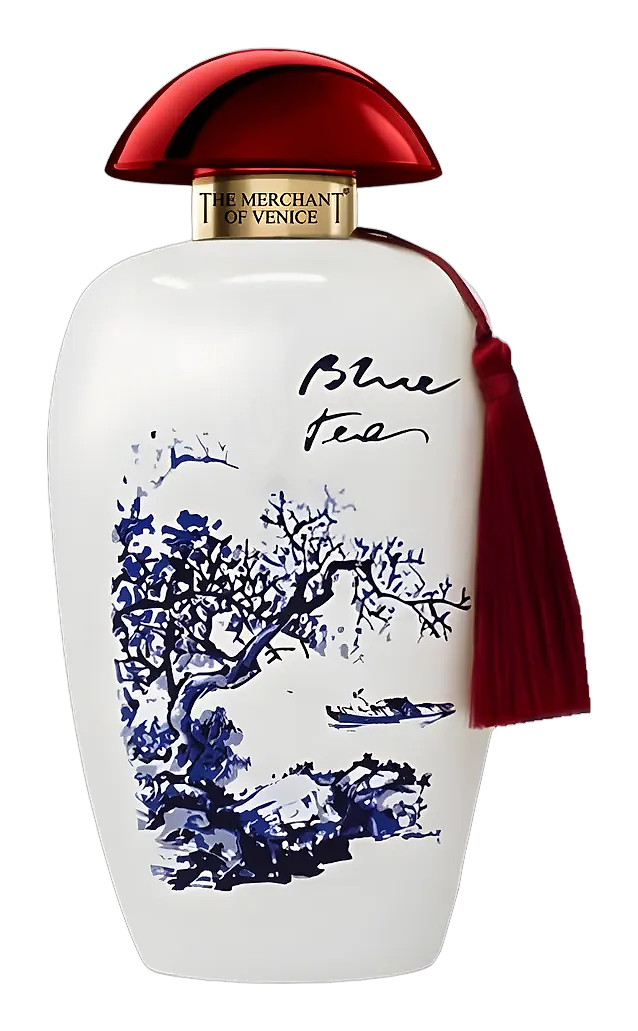

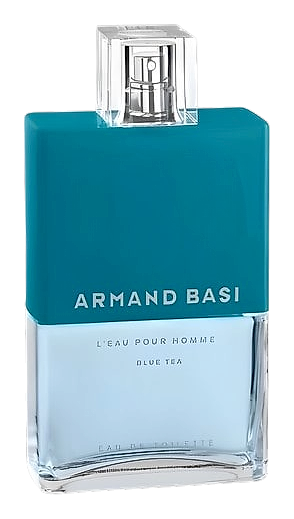
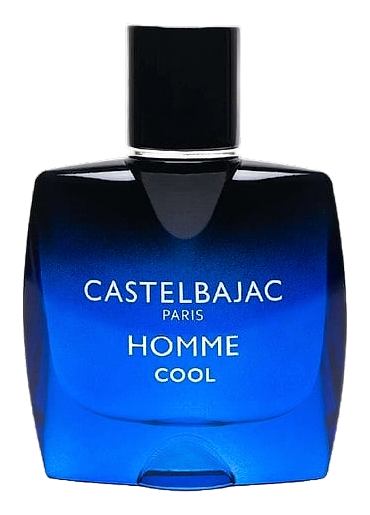
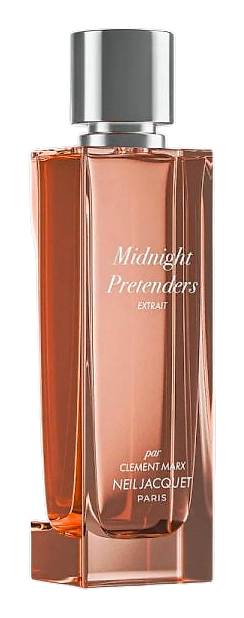
Brands
Brands known for Blue Tea
Good to know
Questions, answered
The essentials on Blue Tea in perfumery: how it smells, where it comes from, and how it behaves on skin.
What does blue tea smell like in perfumery?
Blue tea fragrance typically presents as a delicate, slightly sweet floral with green undertones. It bridges fresh tea-like brightness with soft violet and iris-like facets.
Is blue tea a real botanical or synthetic?
Blue tea refers to butterfly pea flower (Clitoria ternatea), a real botanical from Southeast Asia. Some fragrances use the actual extract, while others feature synthetic accord molecules.
Where does butterfly pea flower grow?
Clitoria ternatea originates in Southeast Asia and the Indian subcontinent, with significant cultivation in Thailand, Malaysia, and Indonesia where it thrives in tropical climates.
How is blue tea absolute produced?
Producers extract blue tea fragrance using solvent extraction or steam distillation of the flower petals to concentrate the volatile aromatic compounds.
What family does butterfly pea belong to?
Clitoria ternatea belongs to the Fabaceae legume family. The plant produces distinctive deep blue-violet flowers that have been used in traditional medicine and beverages for centuries.
Does blue tea contain caffeine?
Blue tea from butterfly pea flower contains no caffeine. This distinguishes it from traditional tea (Camellia sinensis) in both beverage and perfumery contexts.
What fragrances feature blue tea as a key ingredient?
Several niche and designer houses incorporate blue tea or butterfly pea note. The ingredient appears in compositions that aim for fresh, aquatic, or tea-inspired fragrance profiles.
Can you grow butterfly pea at home?
Butterfly pea vine grows readily in warm climates (USDA zones 10-11). The climbing plant produces striking blue flowers within 60-70 days of planting from seed.