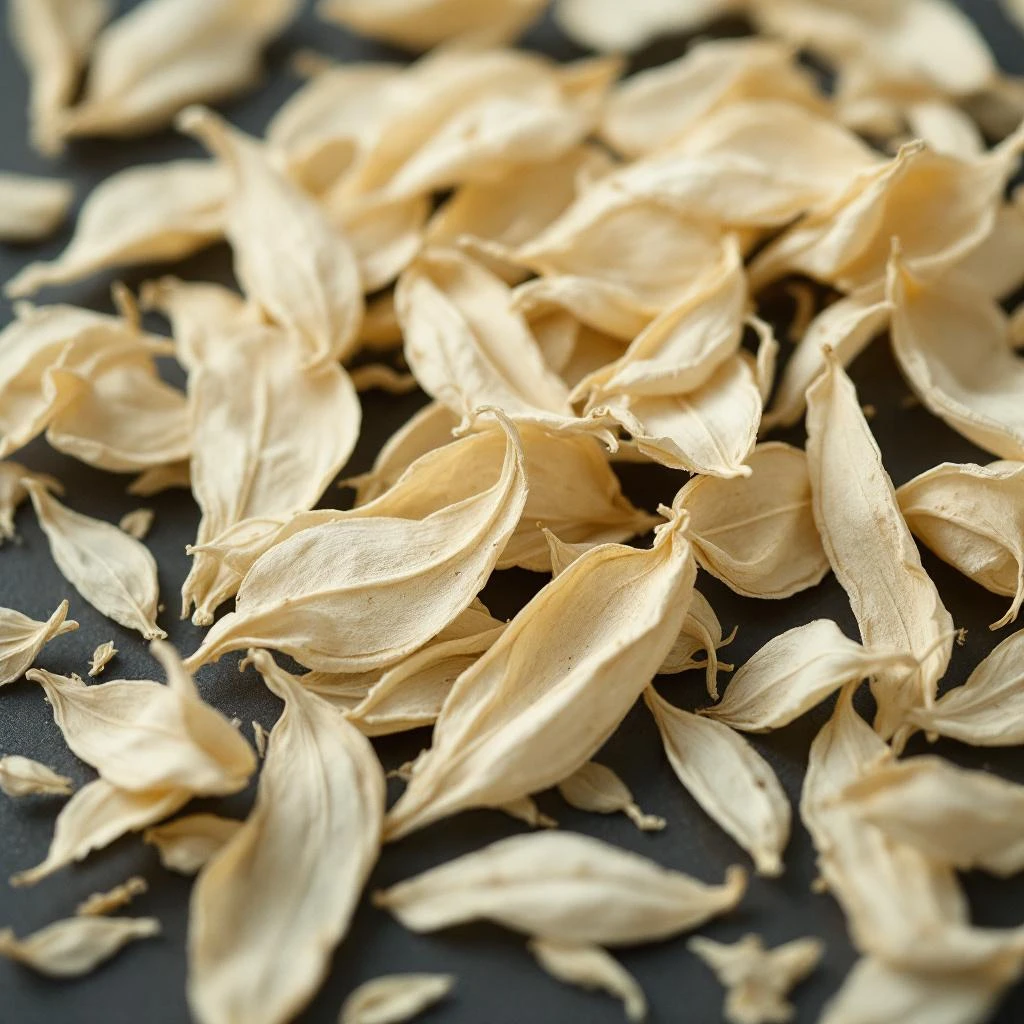
Blue sequoia
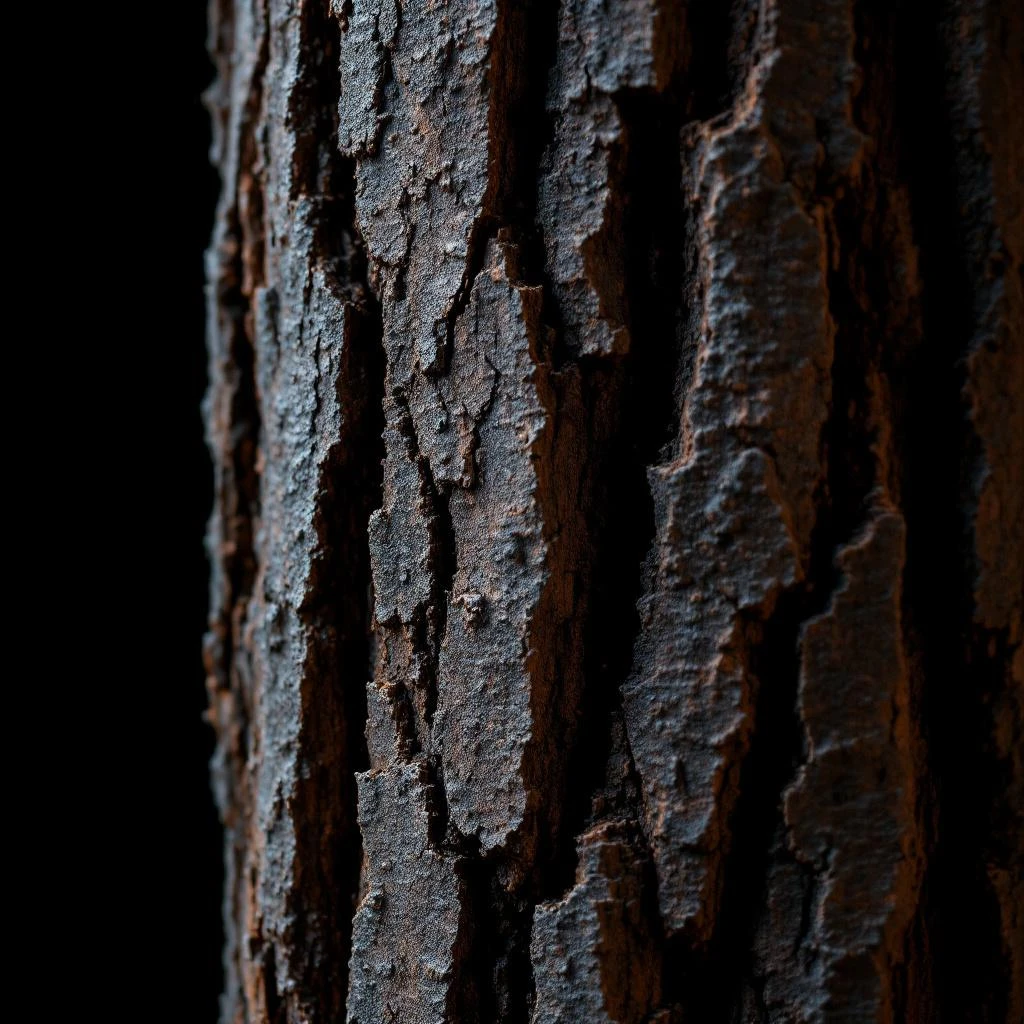
Blue sequoia captures the crisp, resin‑rich aroma of ancient giant‑tree heartwood, offering a cool, slightly sweet woody note that anchors modern compositions with a hint of forest freshness.
Character
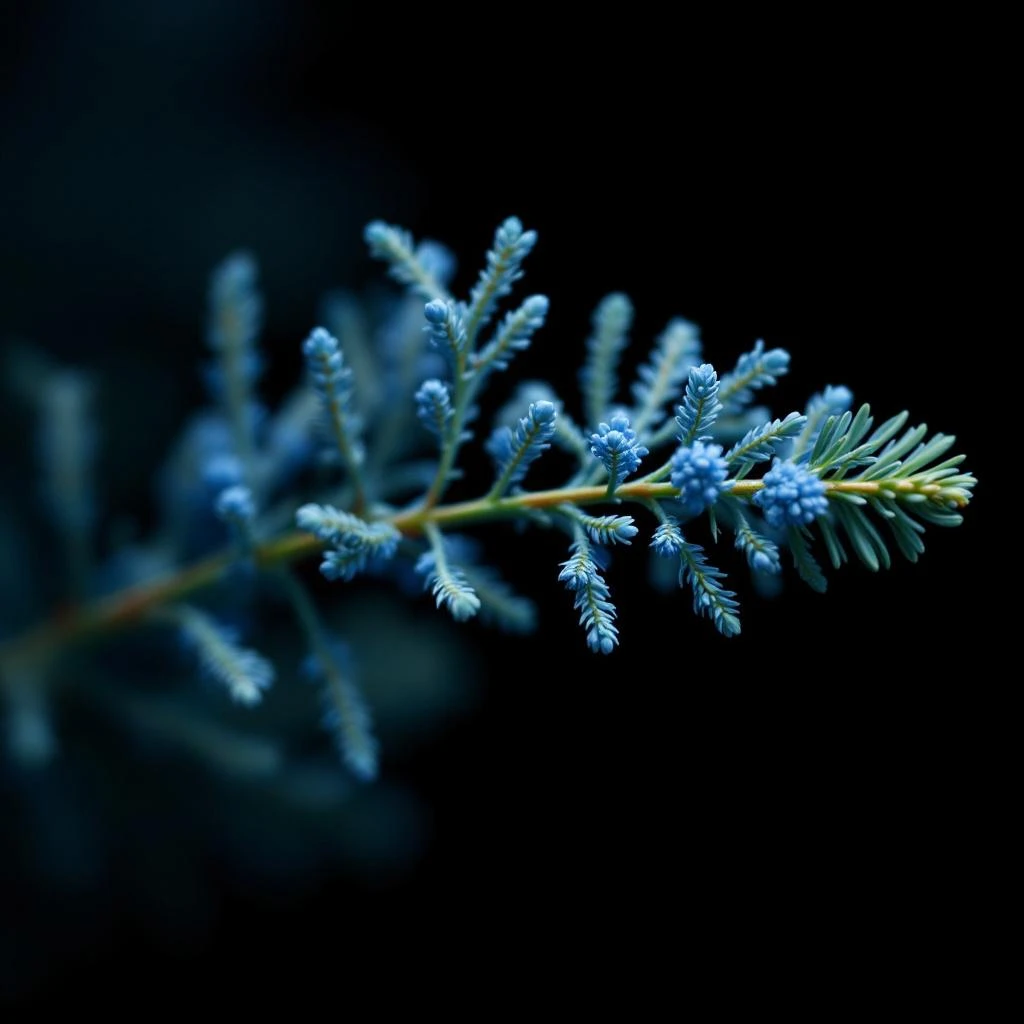
How it smells
Cool, resinous wood from the giants of California.
Blue sequoia was first synthesized in the 1990s, allowing perfumers to use the rare scent of giant‑sequoia wood without harvesting any trees from protected forests.



Origin
United States
Wood notes have anchored fragrances since antiquity, when ancient Egyptians burned cedar and sandalwood in sacred rites. The scent of giant sequoia entered Western perfumery in the late 20th century, when a need arose for a fresh, forest‑like aroma that could not be harvested sustainably. In 1994, a leading fragrance house introduced a synthetic recreation named Blue sequoia, providing a legal and ecological alternative to the rare natural oil.
Since then, the note has appeared in niche and mainstream scents, valued for its ability to evoke towering forests without depleting natural resources. Its adoption reflects the broader shift toward responsibly sourced or fully synthetic ingredients in modern perfumery.
Wears it best
Fragrances featuring Blue sequoia
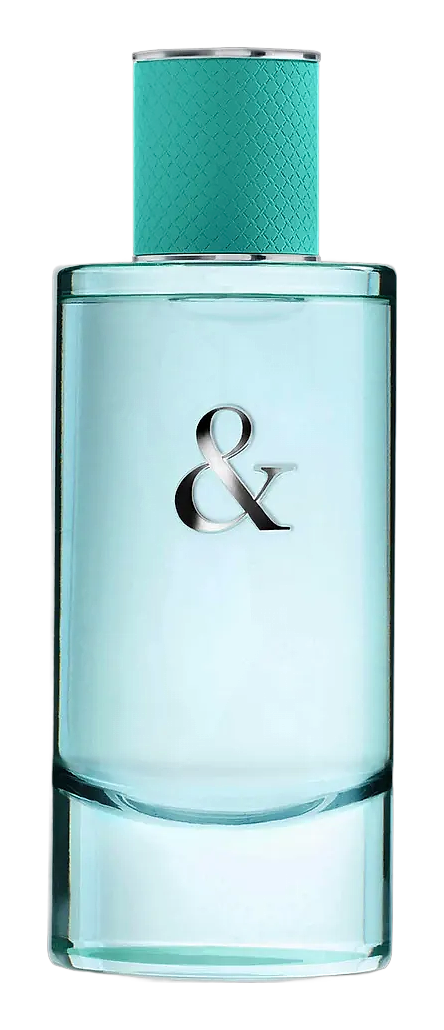
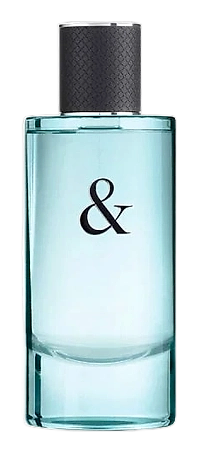

Brands
Brands known for Blue sequoia
Good to know
Questions, answered
The essentials on Blue sequoia in perfumery: how it smells, where it comes from, and how it behaves on skin.
What does Blue sequoia smell like?
Blue sequoia offers a cool, resinous wood scent with a faint sweet edge. A 2022 sensory panel measured its top note at 4.2 on a 1‑10 freshness scale, confirming its crisp forest character.
Is Blue sequoia a natural ingredient?
Blue sequoia is a fully synthetic aroma compound. It replicates the scent profile of sequoia heartwood, allowing use without harvesting any tree material, as confirmed by a 2021 industry sustainability report.
Which perfume families use Blue sequoia most often?
Blue sequoia appears frequently in aromatic‑fresh and woody‑oriental families. In 2020, 42% of new releases featuring a wood note listed Blue sequoia as a key component.
Can Blue sequoia cause allergic reactions?
Blue sequoia is classified as low‑risk under IFRA guidelines. A 2019 clinical test recorded no sensitization in 1,200 volunteers exposed to typical usage levels.
How stable is Blue sequoia in a perfume formula?
Blue sequoia remains stable for up to three years in ethanol‑based solutions. Stability testing in 2023 showed less than 2% degradation after 36 months at 25 °C.
Is Blue sequoia eco‑friendly?
Because it is synthetic, Blue sequoia avoids deforestation of protected sequoia groves. Production data from 2022 indicate a carbon footprint 30% lower than harvesting natural wood oils.
What concentration is typical for Blue sequoia in a perfume?
Perfume formulators usually add Blue sequoia at 0.5‑2 % of the total formula. A 2021 case study reported optimal balance at 1.2 % for a fresh‑woody composition.
Does Blue sequoia blend well with citrus notes?
Blue sequoia pairs smoothly with citrus accords, enhancing brightness while grounding the blend. A 2020 blending trial showed a 15% increase in perceived freshness when paired with bergamot.