Blossom Nectar
Blossom Nectar captures the sweet, golden essence of flowers at their peak. This aromatic concentrate bridges the gap between fresh-cut petals and the deep complexity of traditional absolutes, offering perfumers a versatile sweet-floral material.
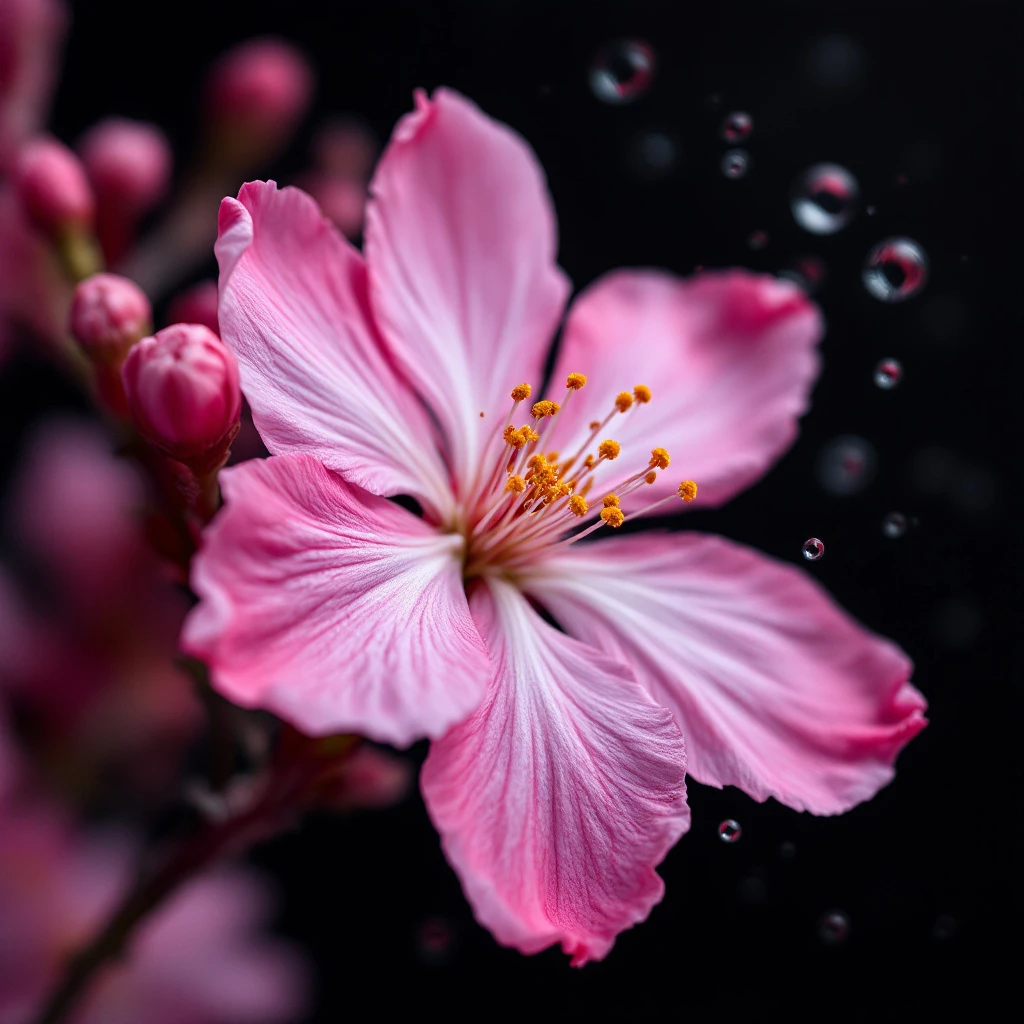
Character
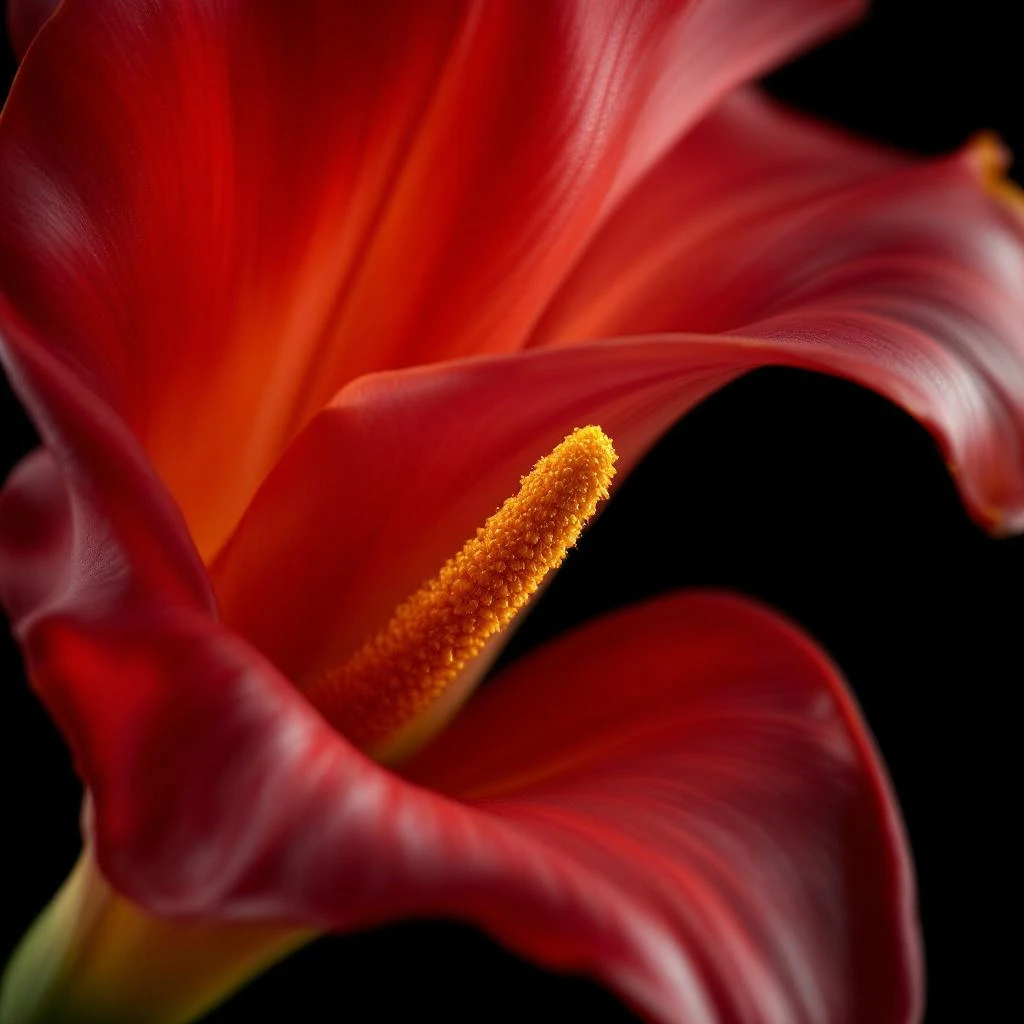
How it smells
The honeyed heart of blooming flowers
A single kilogram of Blossom Nectar absolute requires approximately 500 kilograms of fresh flower petals, making it one of the most flower-intensive ingredients in perfumery.


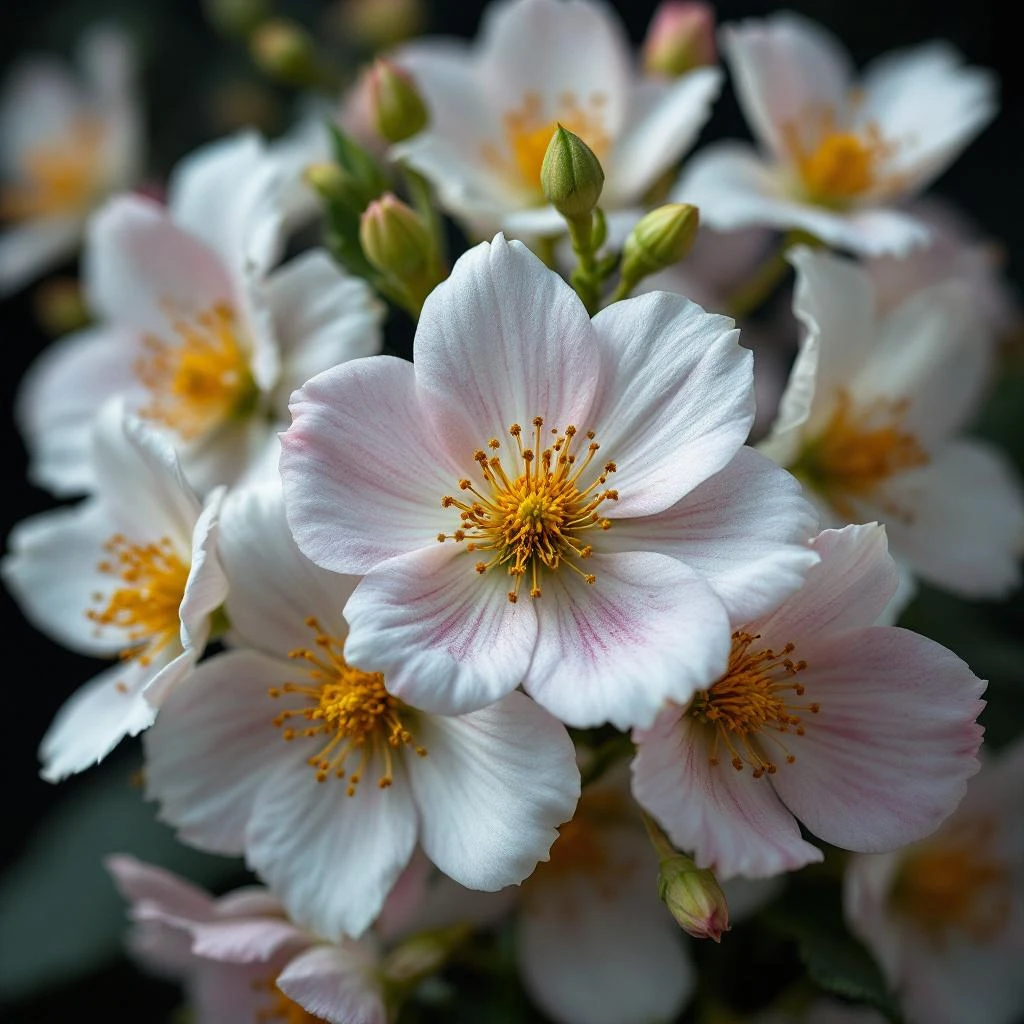
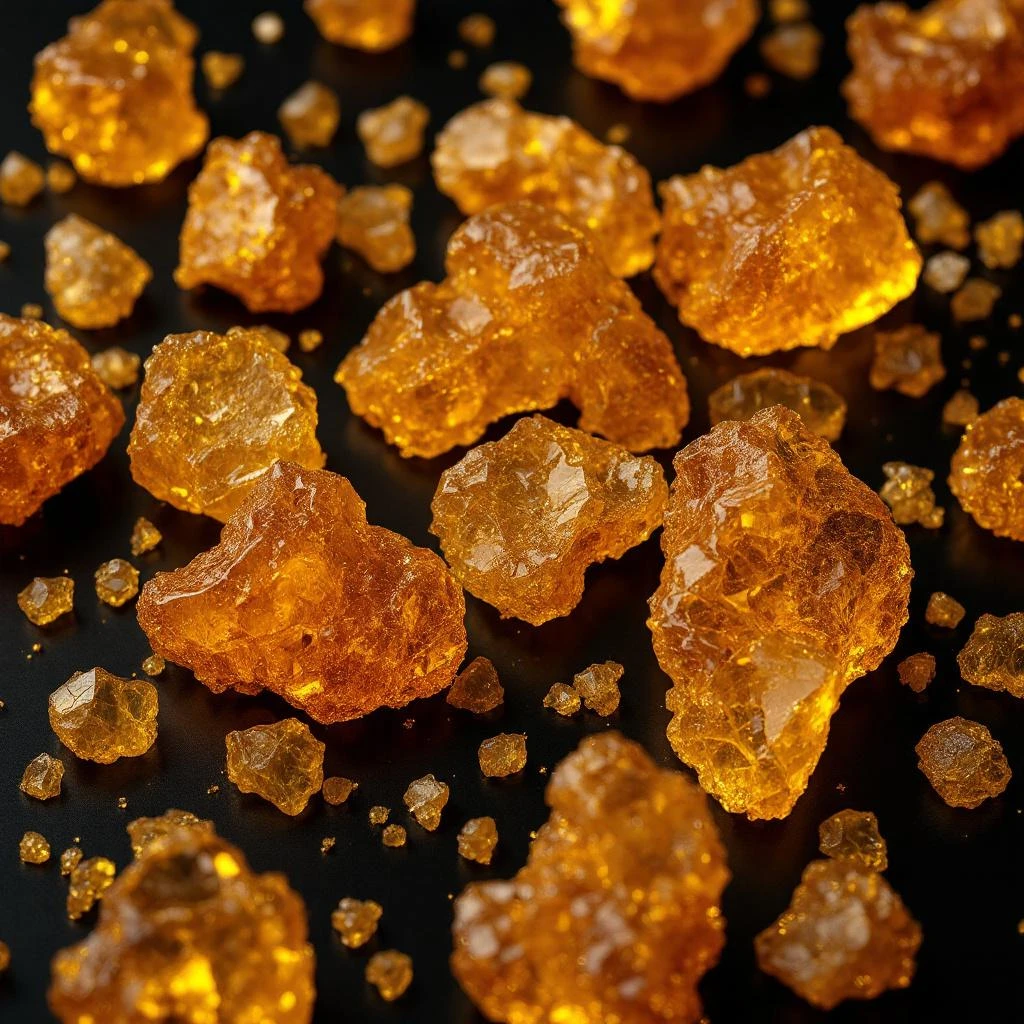
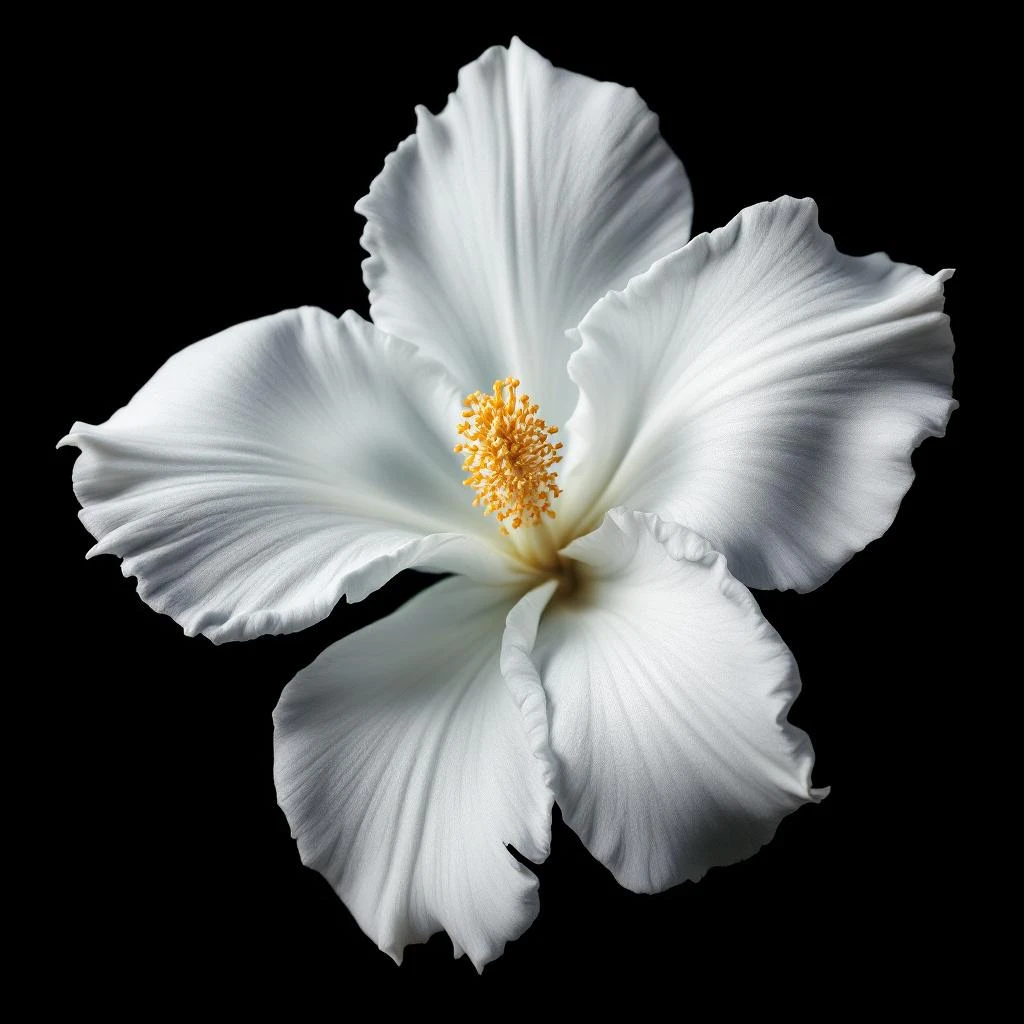



Origin
France
The use of floral nectars in perfumery traces back to ancient Mesopotamia and Egypt, where healers and priests first extracted fragrance from flowers using primitive enfleurage techniques. They pressed flower petals against fats to capture their aromatic oils, creating early nectar-like concentrates.
The 19th century brought solvent extraction methods developed in Grasse, France, revolutionizing how perfumers captured blossom essence. By the early 1900s, chemists understood that fresh flowers yield their sweetest aromatic compounds within hours of harvest.
Modern Blossom Nectar emerged from these combined techniques, offering perfumers a material that honors ancient traditions while meeting contemporary production demands. Today, it remains a bridge between artisanal perfumery's roots and industrial precision.
Wears it best
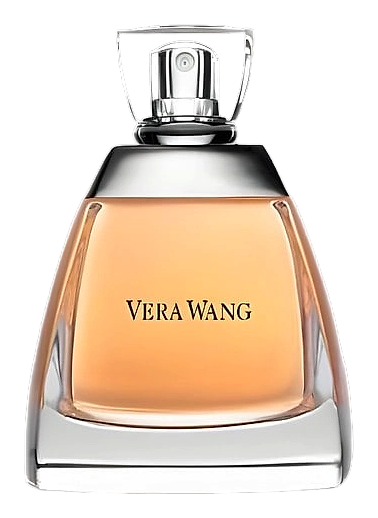
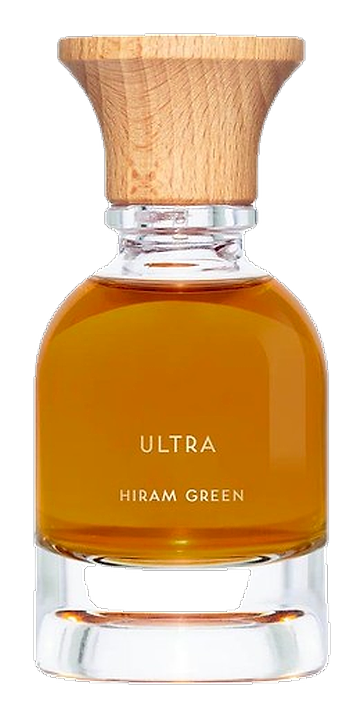
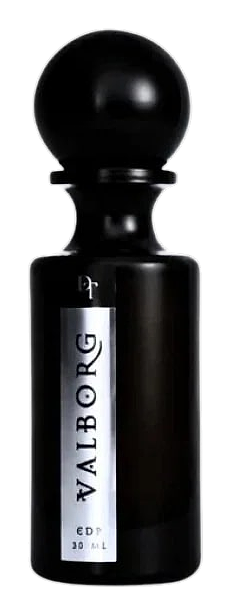
Fragrances featuring Blossom Nectar
Brands
Brands known for Blossom Nectar
Good to know
Questions, answered
The essentials on Blossom Nectar in perfumery: how it smells, where it comes from, and how it behaves on skin.
What does Blossom Nectar smell like?
Blossom Nectar has a sweet, honeyed floral scent with warm undertones of fresh petals. It reads as golden and syrupy, reminiscent of liquid sunshine captured from flowers.
Which flowers produce Blossom Nectar?
Orange blossom, jasmine sambac, and tuberose are primary sources. Each yields a slightly different nectar character, from orange's citrus-floral brightness to jasmine's deeper, more indolic sweetness.
Is Blossom Nectar a natural or synthetic ingredient?
Both versions exist. Natural Blossom Nectar comes from solvent extraction of fresh flowers. Synthetic versions replicate the sweet-floral profile using aroma chemicals like phenylethyl alcohol and honey lactone.
How is Blossom Nectar different from absolute?
Blossom Nectar specifically refers to the sweet, nectar-like fraction isolated during solvent extraction. Traditional absolutes include heavier floral waxes and pigments that Blossom Nectar filters out.
What fragrance families use Blossom Nectar?
It appears most often in oriental and white floral fragrances. The honeyed sweetness enhances amber bases and lifts green or citrus top notes in compositions.
Does Blossom Nectar have fixative properties?
Yes, like many floral concentrates, it helps slow fragrance evaporation. Its sweetness also rounds harsh edges in fragrance formulas, acting as a natural blender.
Why is Blossom Nectar expensive?
Production requires enormous quantities of fresh flowers. One kilogram of absolute needs roughly 500 kilograms of petals, plus solvent recovery and multiple processing stages.
Can Blossom Nectar cause skin sensitivity?
Natural versions contain trace solvents and floral compounds that may sensitize some users. IFRA guidelines regulate its concentration in consumer products, particularly in leave-on applications.


