Blackcurrant Jam
A deeply concentrated fruity note that captures blackcurrant's distinctive tart-sweet intensity. In perfumery, Blackcurrant Jam conveys the richness of sun-ripened berries simmered into a dense, jammy concentrate—voluptuous, dark, and irresistibly tart.
Character
How it smells
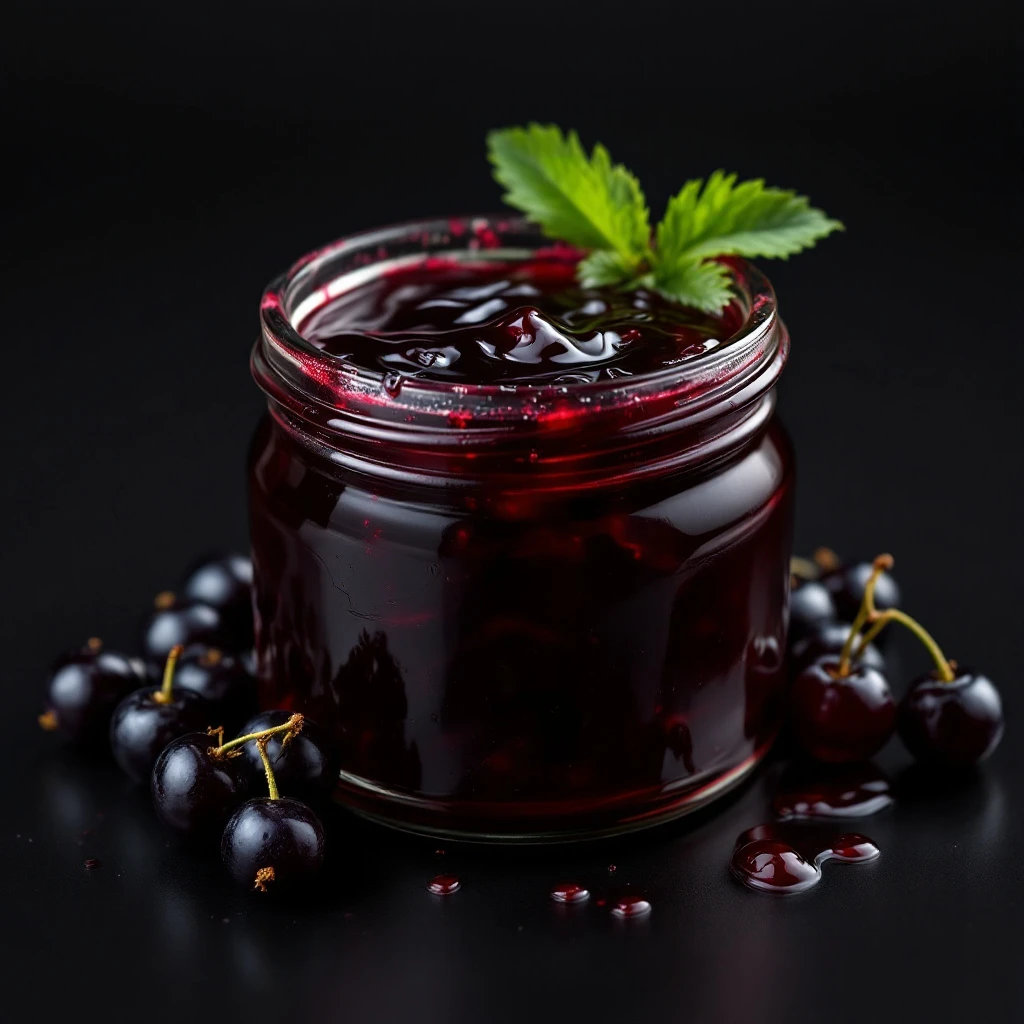
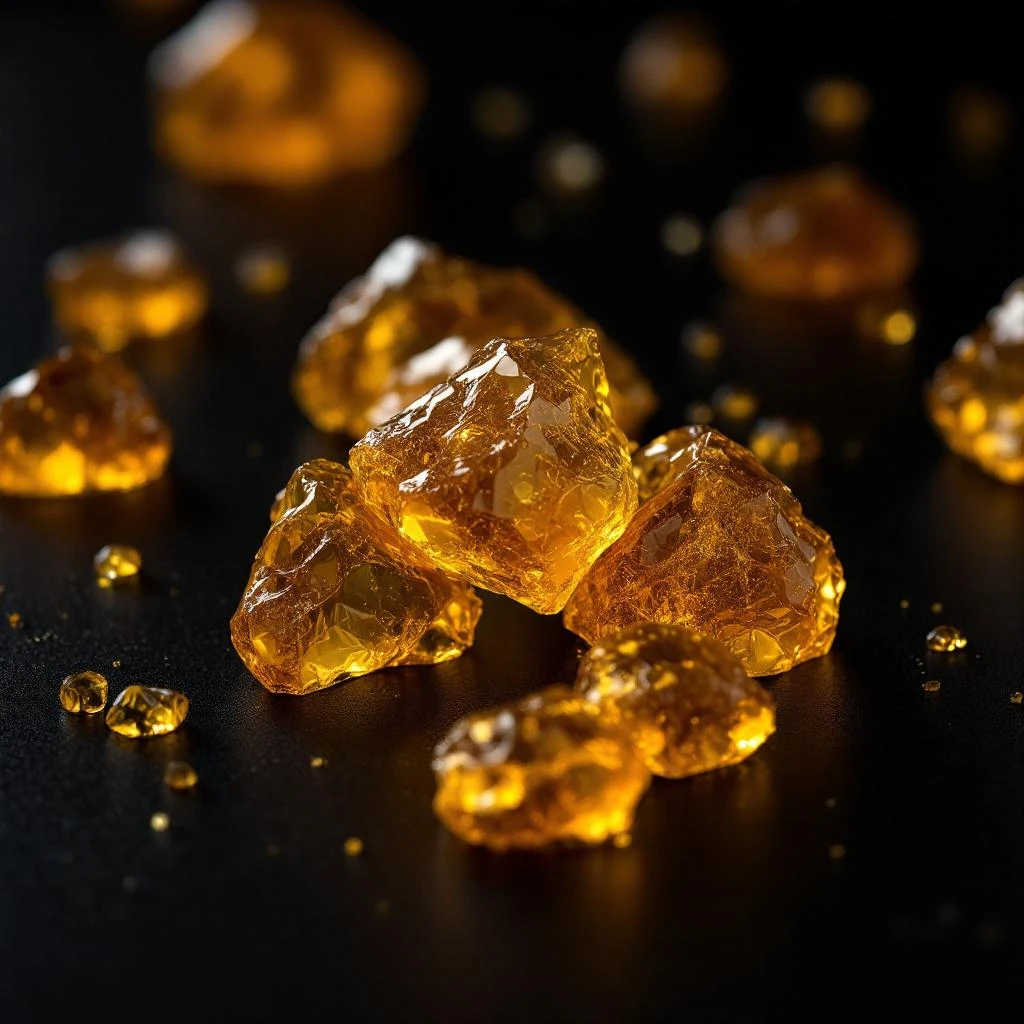
The dark, jammy heart of summer berries.
The same thiol compounds that give blackcurrant its signature smell also occur in cat urine, demonstrating how small molecular differences create vastly different olfactory experiences.



Origin
France
While the cassis liqueur was invented in 1841 in Dijon, Burgundy, blackcurrant's entry into perfumery came much later. During the 1960s and 1970s, fragrance houses began systematically working with blackcurrant materials, driven partly by the rising popularity of fruity accords in post-war perfumery.
The Burgundy region's continued dominance in blackcurrant cultivation—particularly around Dijon—means that terroir still shapes the aromatic profile of natural materials, with soil composition and climate influencing the precise balance of thiol and ester compounds that define blackcurrant's character. Today, both the French tradition of fruit cultivation and modern analytical chemistry inform how perfumers access this distinctly European fruit note.
Wears it best
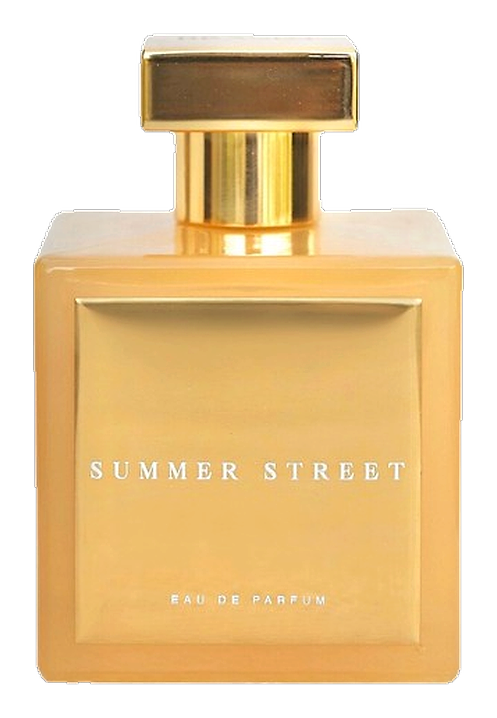
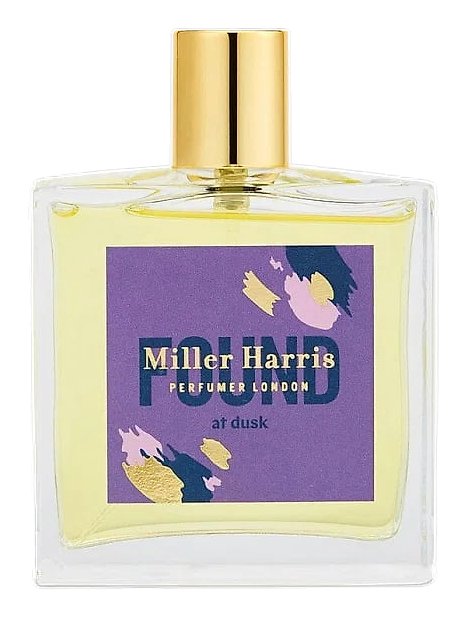
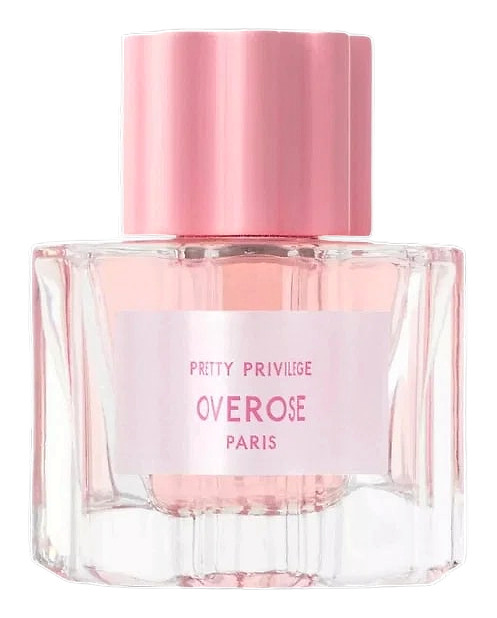
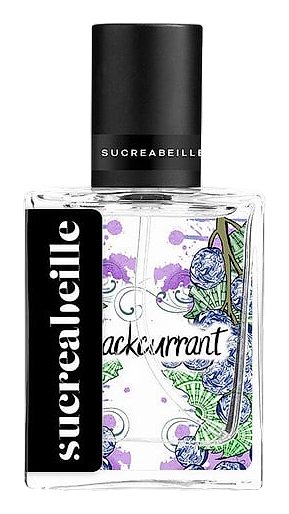
Fragrances featuring Blackcurrant Jam
Brands
Brands known for Blackcurrant Jam
Good to know
Questions, answered
The essentials on Blackcurrant Jam in perfumery: how it smells, where it comes from, and how it behaves on skin.
What does Blackcurrant Jam smell like in perfume?
Blackcurrant Jam delivers an intensely sweet-tart, jammy fruitiness with dark berry depth. It combines the natural thiol-driven catty note with rich, cooked fruit sweetness reminiscent of berry preserves.
Is Blackcurrant Jam a natural or synthetic ingredient?
It can be either. Natural blackcurrant absolute comes from solvent extraction of berries or buds, while many modern interpretations use synthesized thiol and ester compounds to achieve consistent fruity profiles.
Which perfume families commonly use Blackcurrant Jam?
Fruity, gourmand, and chypre compositions frequently feature this note. It appears across women's and men's fragrances, particularly in modern fruity-floral and contemporary fougère constructions.
What part of the blackcurrant plant is used in perfumery?
Perfumers work with two stages: the unopened spring buds yield a greener, more delicate absolute, while the ripe summer berries produce a denser, jammier fruit material.
Why is terroir important for blackcurrant fragrance materials?
Soil composition, rainfall, and climate directly influence the thiol and ester concentrations in blackcurrants. This means French-grown berries from Burgundy carry different aromatic nuances than those from other regions.
When did blackcurrant become significant in perfumery?
Systematic work with blackcurrant in fragrance began during the 1960s and 1970s, as fruity accords grew popular in modern perfumery following post-war consumer trends.
What chemical compounds define blackcurrant's scent?
Thiols, particularly 4-methoxy-2-methylbutane-2-thiol, create blackcurrant's signature intensely fruity, slightly animalic character. Esters contribute the sweeter, more approachable fruity notes.
Does Blackcurrant Jam work well with other fragrance notes?
It pairs exceptionally with floral materials like rose and jasmine, contrasts beautifully with green notes such as galbanum, and anchors well against woody or musky bases to extend its fruity presence.