Blackberry Leaf
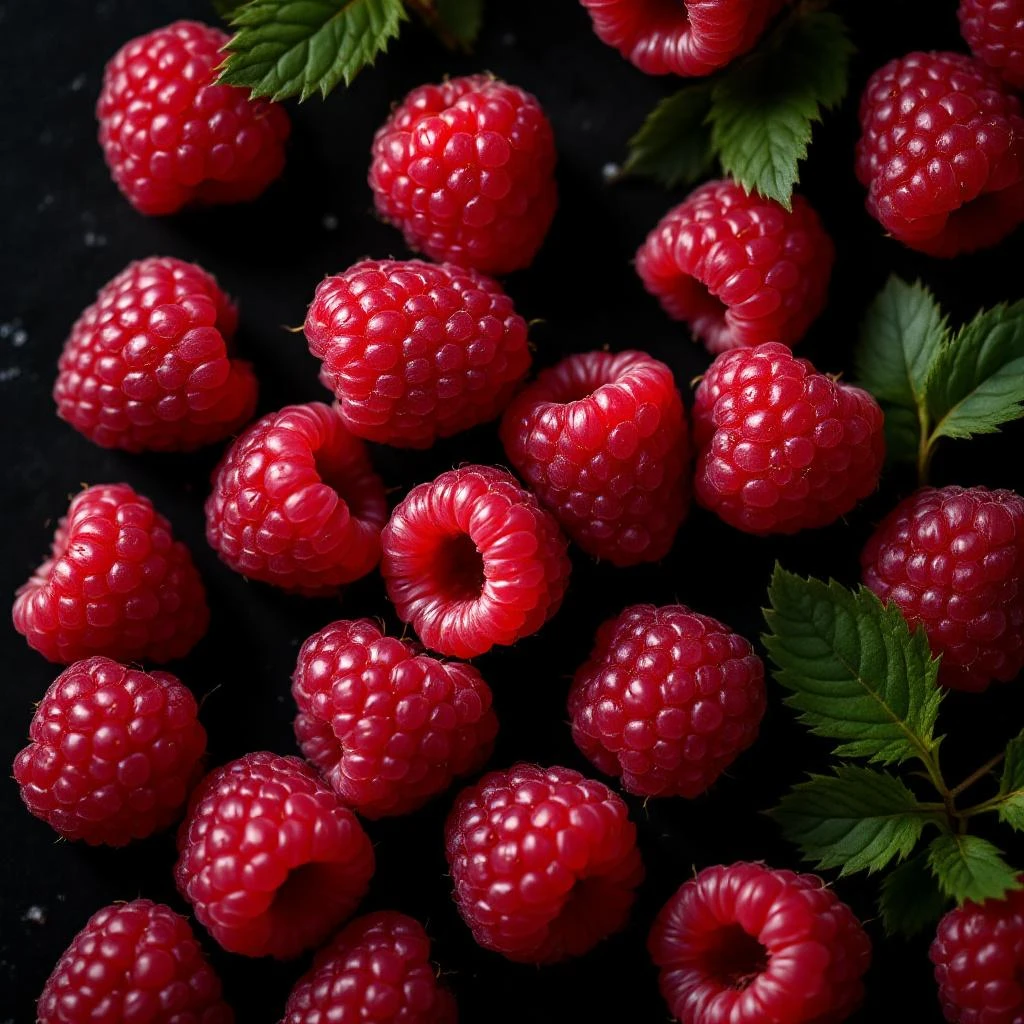
The green, verdant heart of the bramble. Blackberry leaf captures the crisp, slightly tart essence of wild hedgerows in early summer, lending fragrances a natural, garden-fresh character.
Character
How it smells
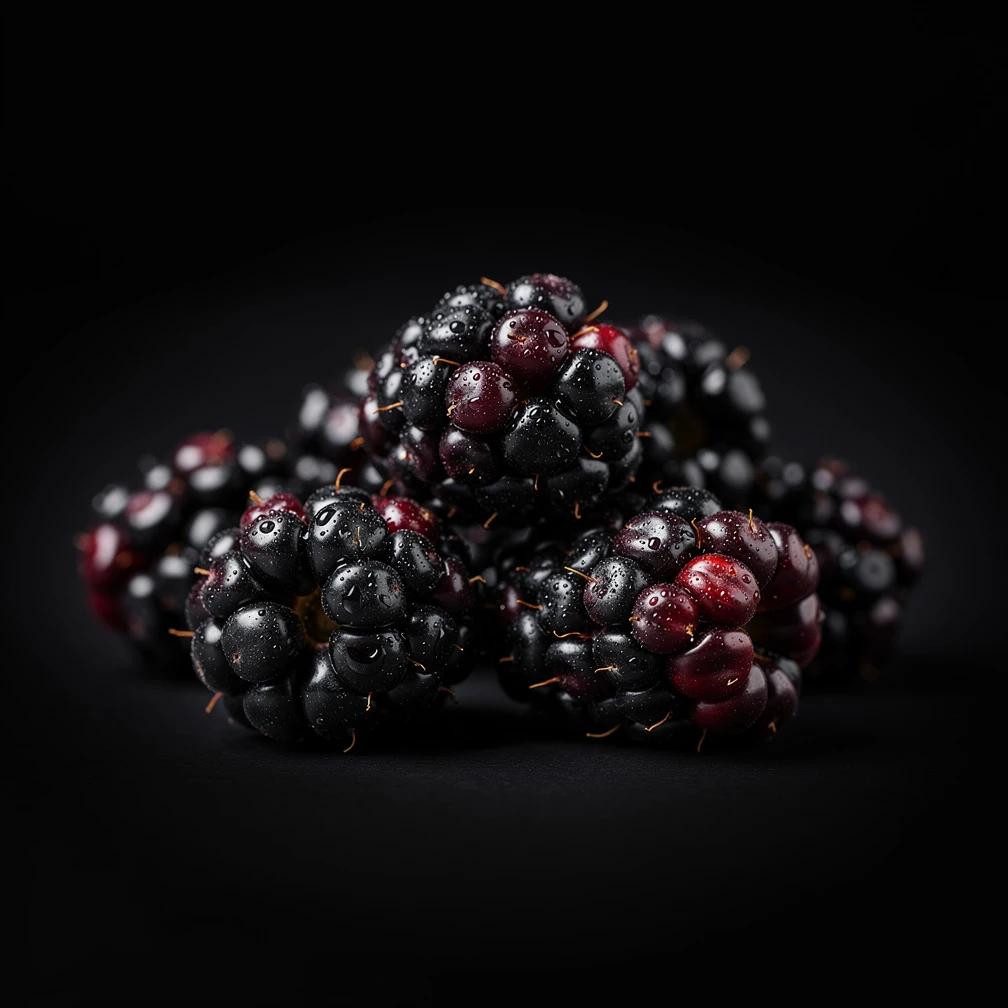
Wild hedgerow, captured in a bottle.
Blackberry leaf absolute carries a distinctive green note that actually outweighs the fruit in traditional perfumery for its fresher, more authentic botanical character.



Origin
France
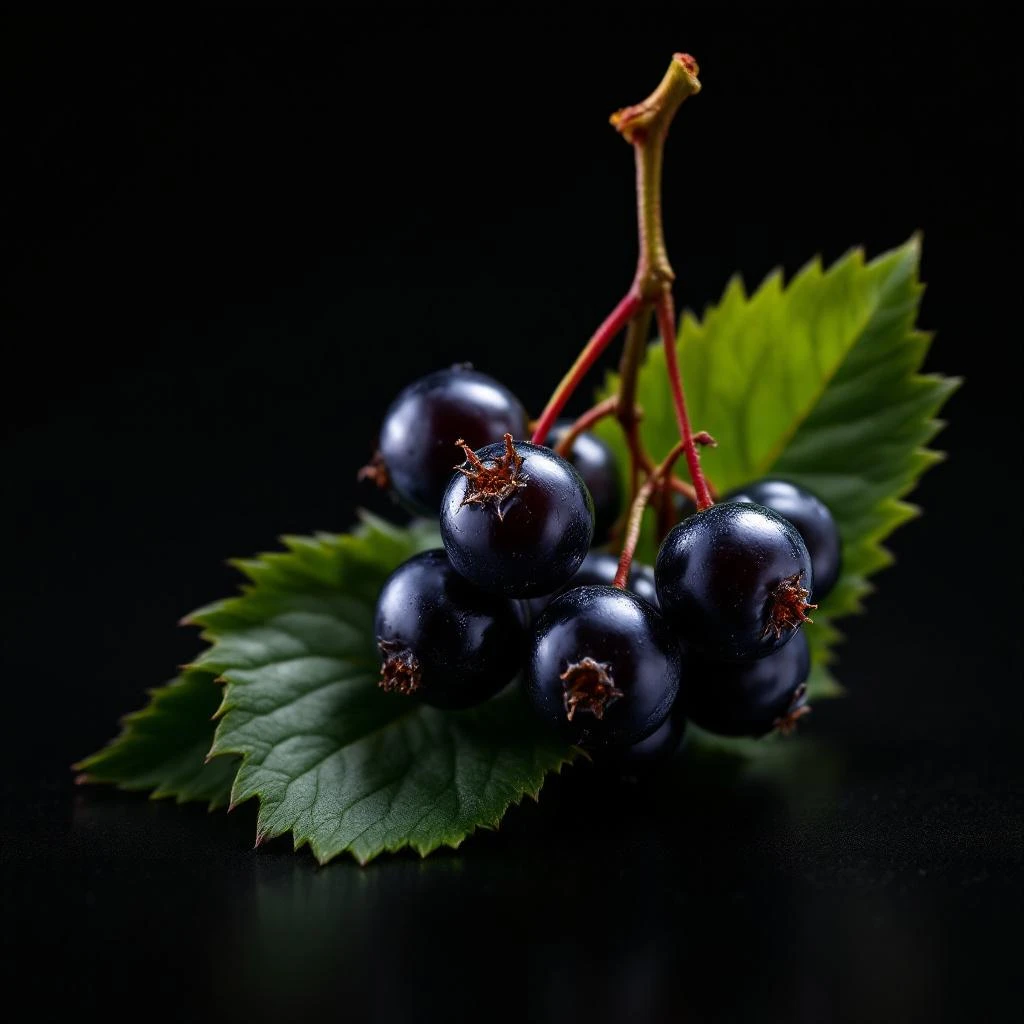
Blackberry has grown wild across Europe, North Africa, and western Asia for thousands of years, woven into folk medicine traditions for its astringent properties. In perfumery, the leaf note emerged later than the fruit, as analytical chemistry advanced to identify the specific volatile compounds that give bramble leaves their characteristic scent. Before synthetic recreation became possible, perfumers relied on enfleurage and limited maceration techniques using fresh leaves, though these proved expensive and yielded inconsistent results.
The development of green note synthetics in the mid-20th century opened new possibilities for capturing the fresh, slightly bitter character of wild blackberry leaf. Today, this recreated material makes the hedgerow note accessible to perfumers worldwide, bringing a touch of wild countryside into modern fragrance compositions.
Wears it best
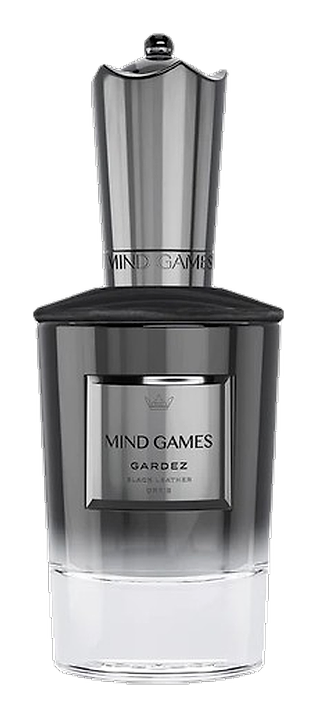
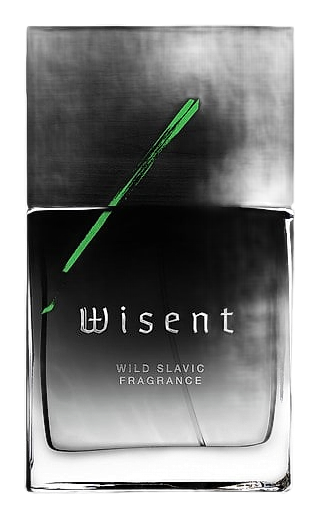
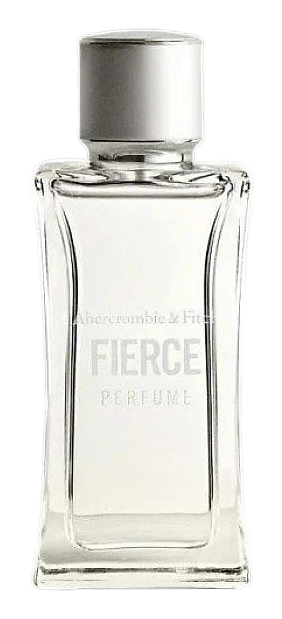
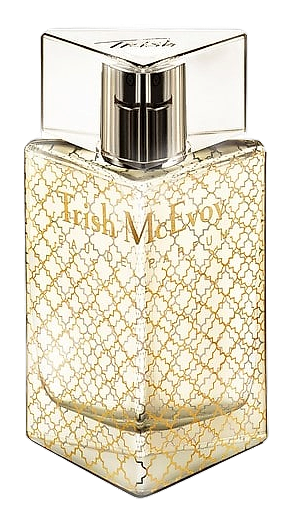
Fragrances featuring Blackberry Leaf
Brands
Brands known for Blackberry Leaf
Good to know
Questions, answered
The essentials on Blackberry Leaf in perfumery: how it smells, where it comes from, and how it behaves on skin.
Is blackberry leaf natural or synthetic in perfumery?
Blackberry leaf exists almost exclusively as a synthetic note in modern perfumery. Essential oil extraction from the actual leaf is not commercially viable, so perfumers recreate the green, herbaceous character using compounds like cis-3-hexen-1-ol and aldehydes that mirror the leaf's natural volatile profile.
What does blackberry leaf smell like?
Blackberry leaf delivers a crisp, green aroma reminiscent of freshly crushed hedgerow leaves. The scent carries slightly bitter, herbaceous qualities with a distinctive freshness that sets it apart from the sweeter, more jammy character of blackberry fruit.
How does blackberry leaf differ from blackberry fruit in fragrance?
Blackberry leaf offers a green, herbaceous character while blackberry fruit provides sweetness and juiciness. The leaf note adds complexity and natural freshness to compositions, whereas the fruit accord delivers the recognizable berry sweetness that most consumers associate with the blackberry scent.
Which fragrance families commonly use blackberry leaf?
Perfumers employ blackberry leaf across chypre, fougère, and contemporary floral compositions where it adds natural, garden-fresh depth. The note works particularly well in perfumes aiming for an organic, outdoor character.
Can you extract essential oil from blackberry leaves?
Commercial essential oil extraction from blackberry leaves remains impractical due to extremely low yield and inconsistent results across harvests. The fragrance industry relies on synthetic recreation of the leaf's aromatic profile rather than true distillation.
What chemical compounds create the blackberry leaf scent?
The characteristic green scent of blackberry leaf comes from volatile compounds like cis-3-hexen-1-ol, various aldehydes including cis-3-hexenal, and other green note aromatics. Perfumers combine these synthetically to recreate the fresh, herbaceous quality of crushed bramble leaves.
How long has blackberry leaf been used in perfumery?
Blackberry leaf as a dedicated perfumery ingredient emerged with advances in analytical chemistry during the mid-20th century. Before this, perfumers used whole plant macerations that captured limited leaf character alongside fruit and stem notes.
Why do perfumers choose synthetic blackberry leaf over natural extraction?
Synthetic recreation offers consistency and sustainability that natural extraction cannot match. A single harvest of blackberry leaves yields minimal material, but laboratory synthesis produces the same aromatic profile reliably and at scale.