Black Thyme
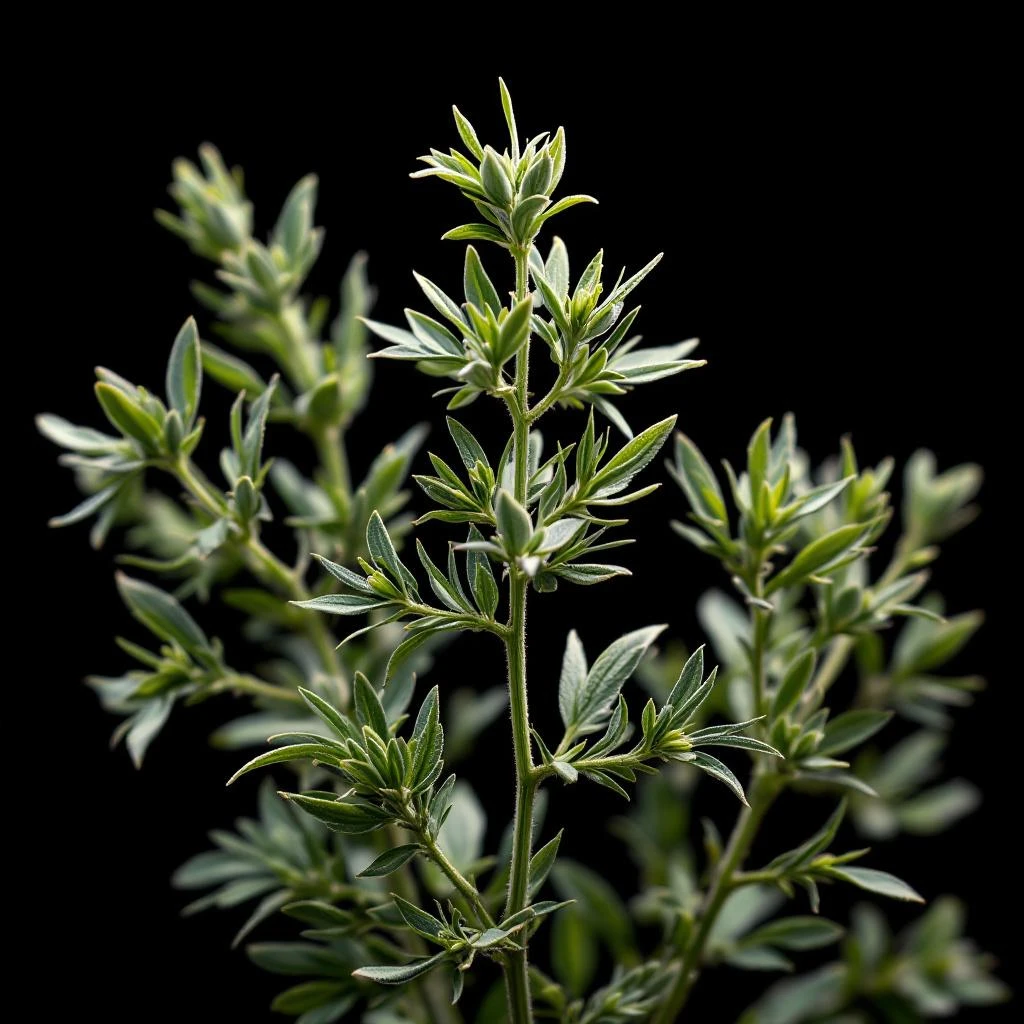
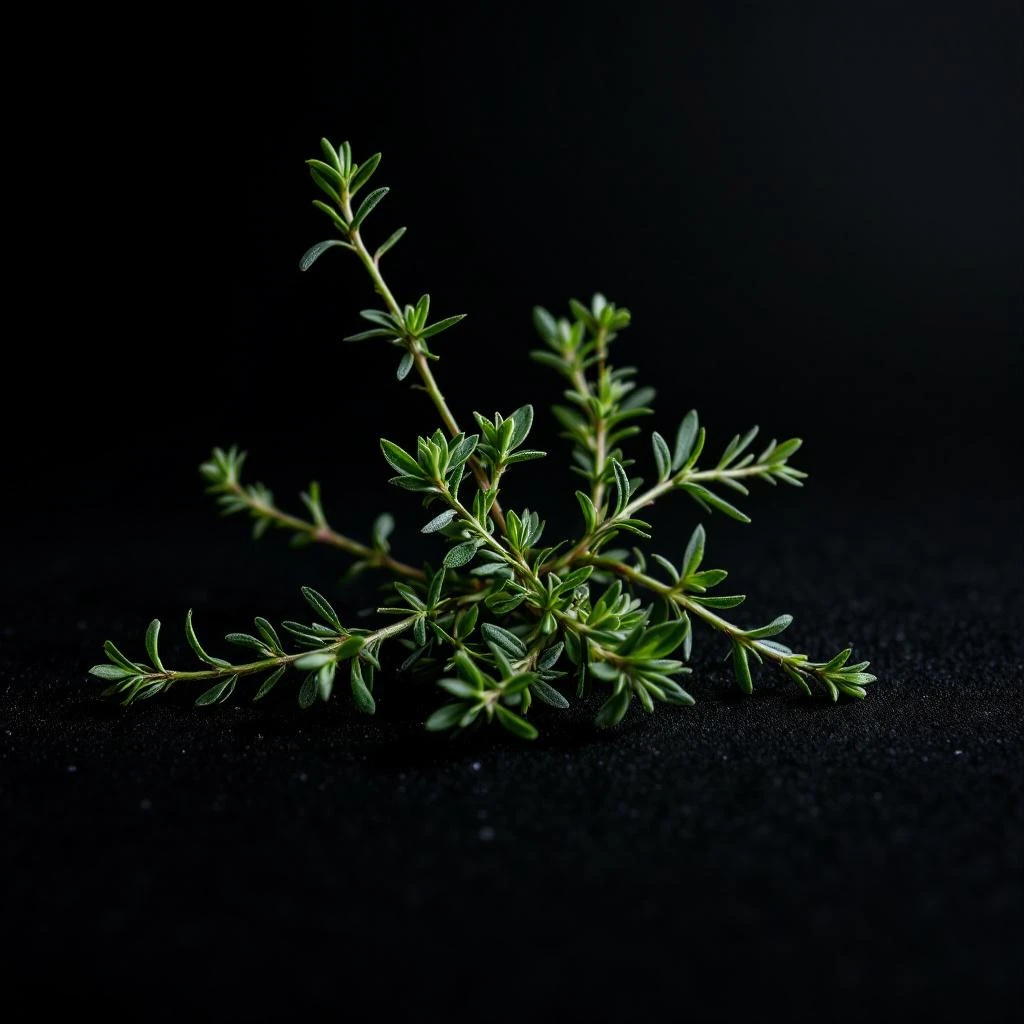
Black Thyme is the darker, more intense cousin of garden thyme. Its oil carries a smoky mineral depth — earthy, herbaceous, and slightly camphoraceous — that brings bold structural contrast to fragrance compositions.
Character
How it smells
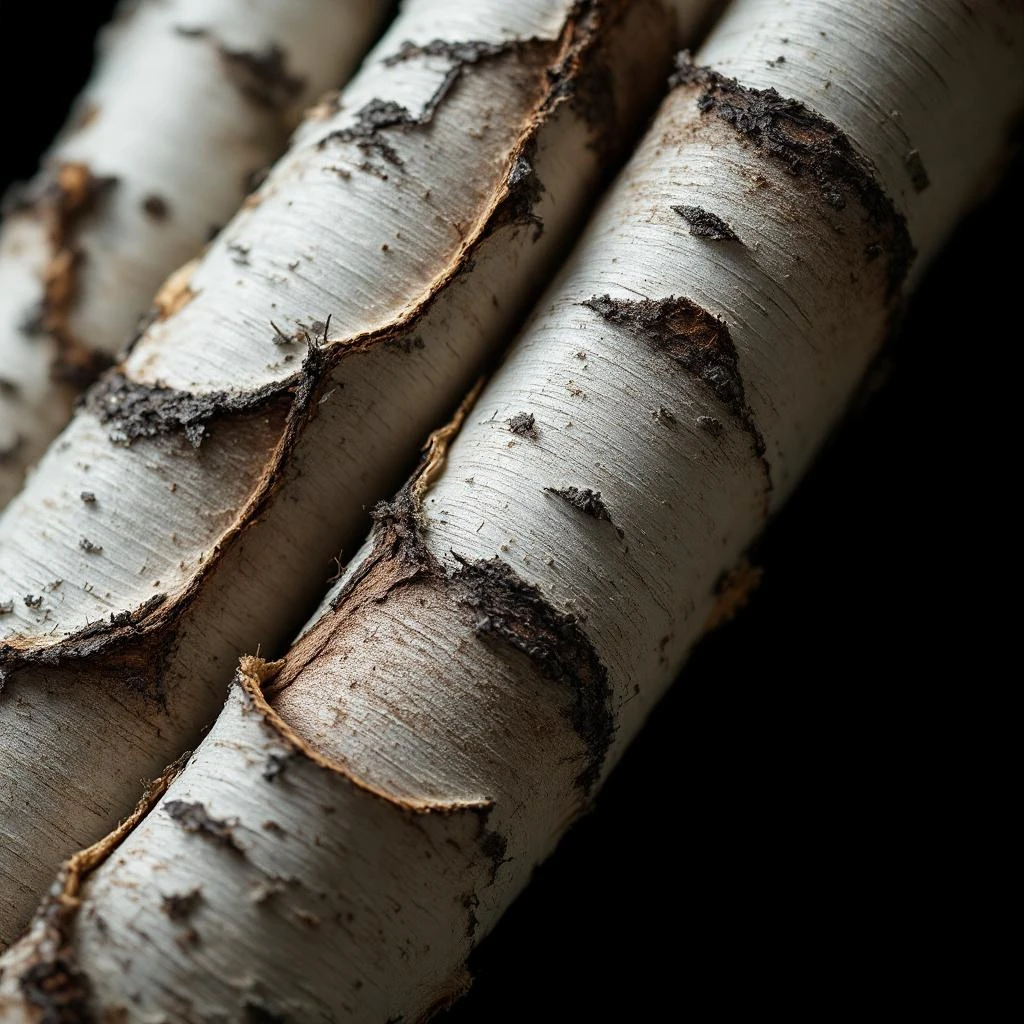
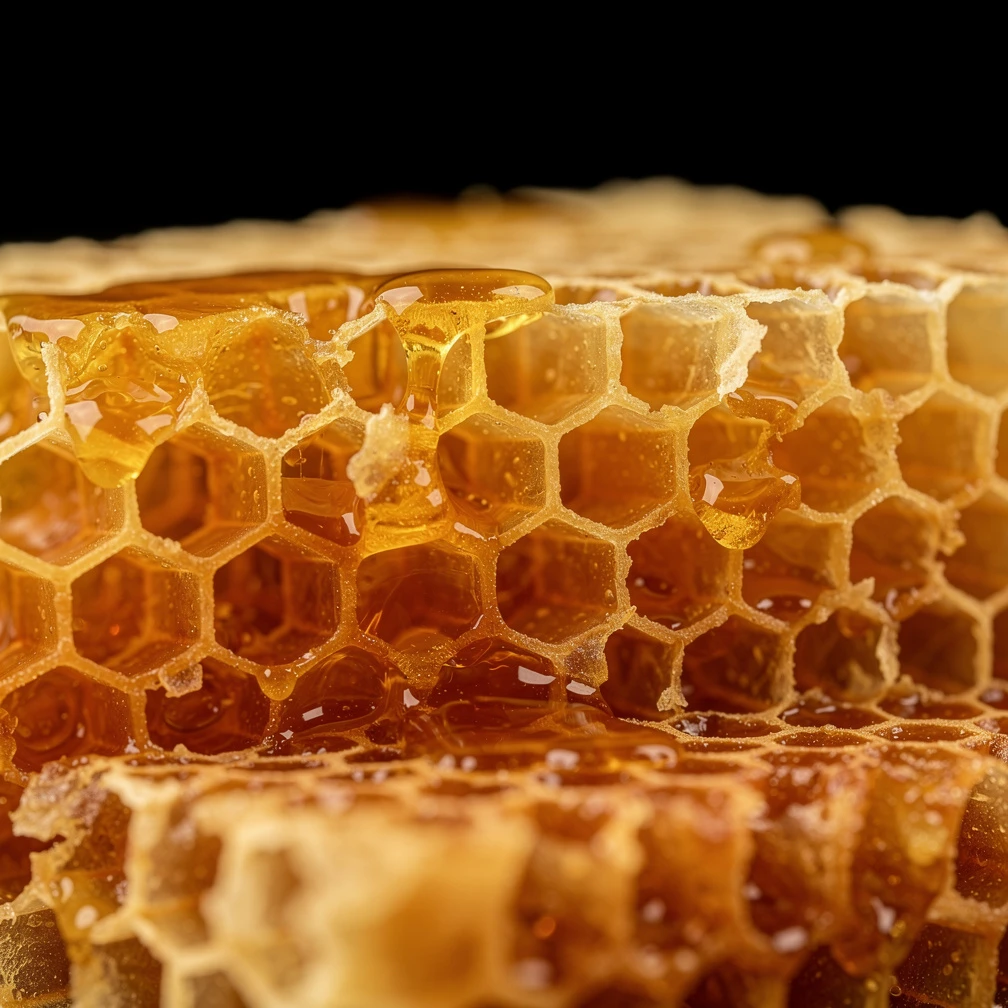
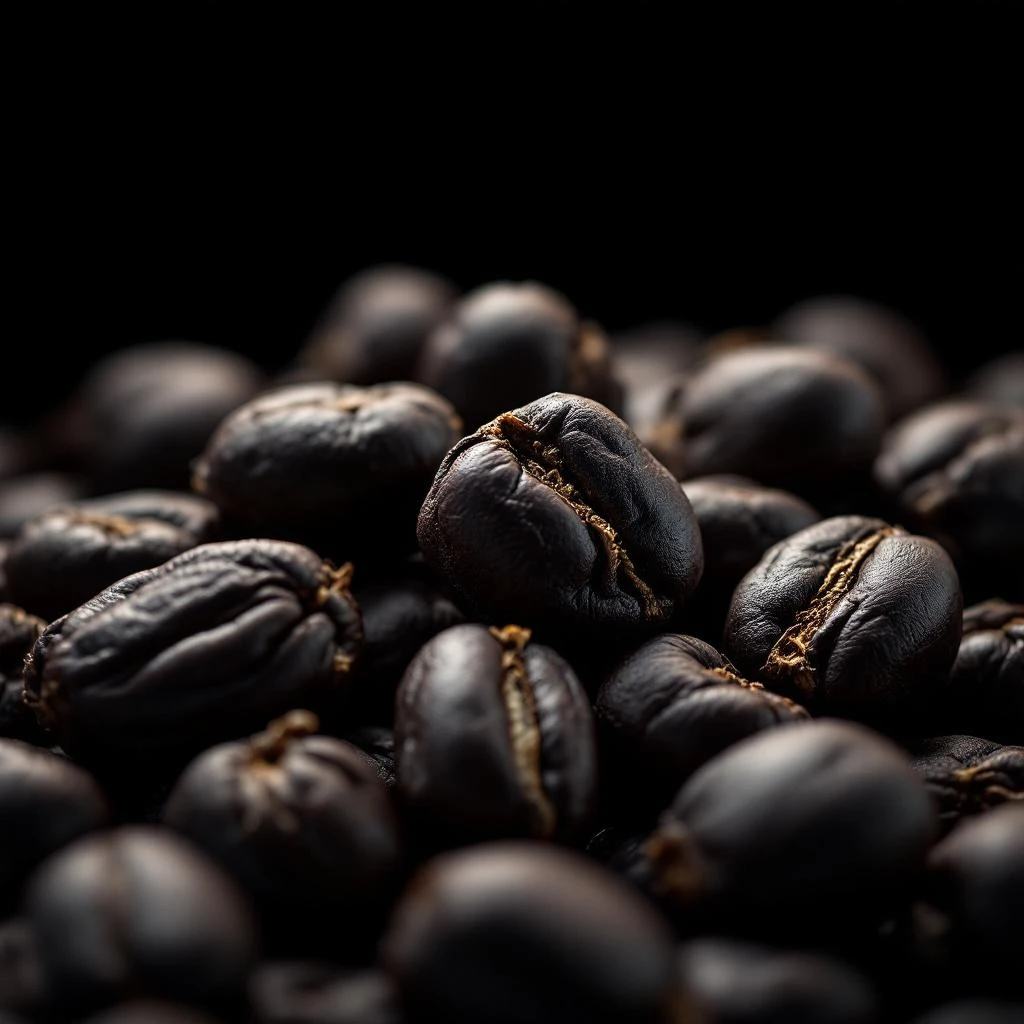
Smoky Mediterranean herb with a mineral heart.
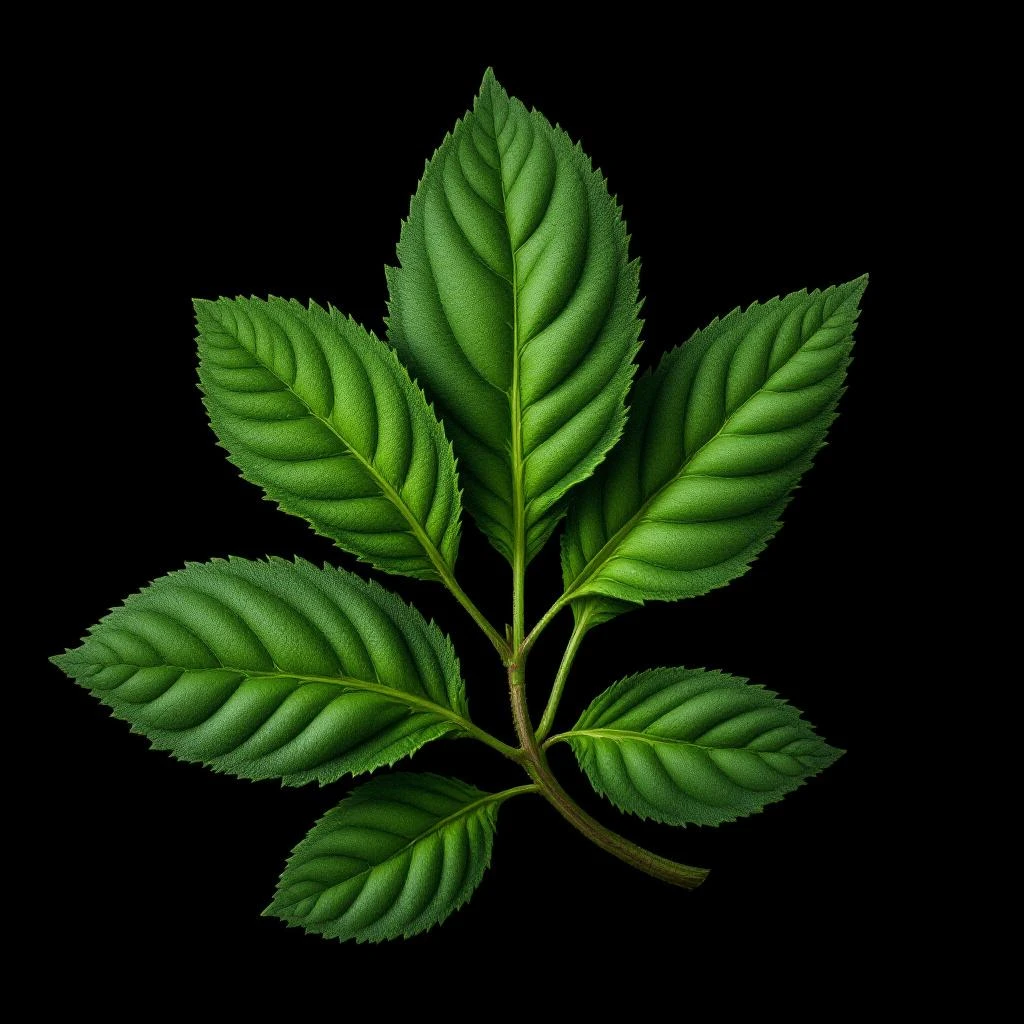
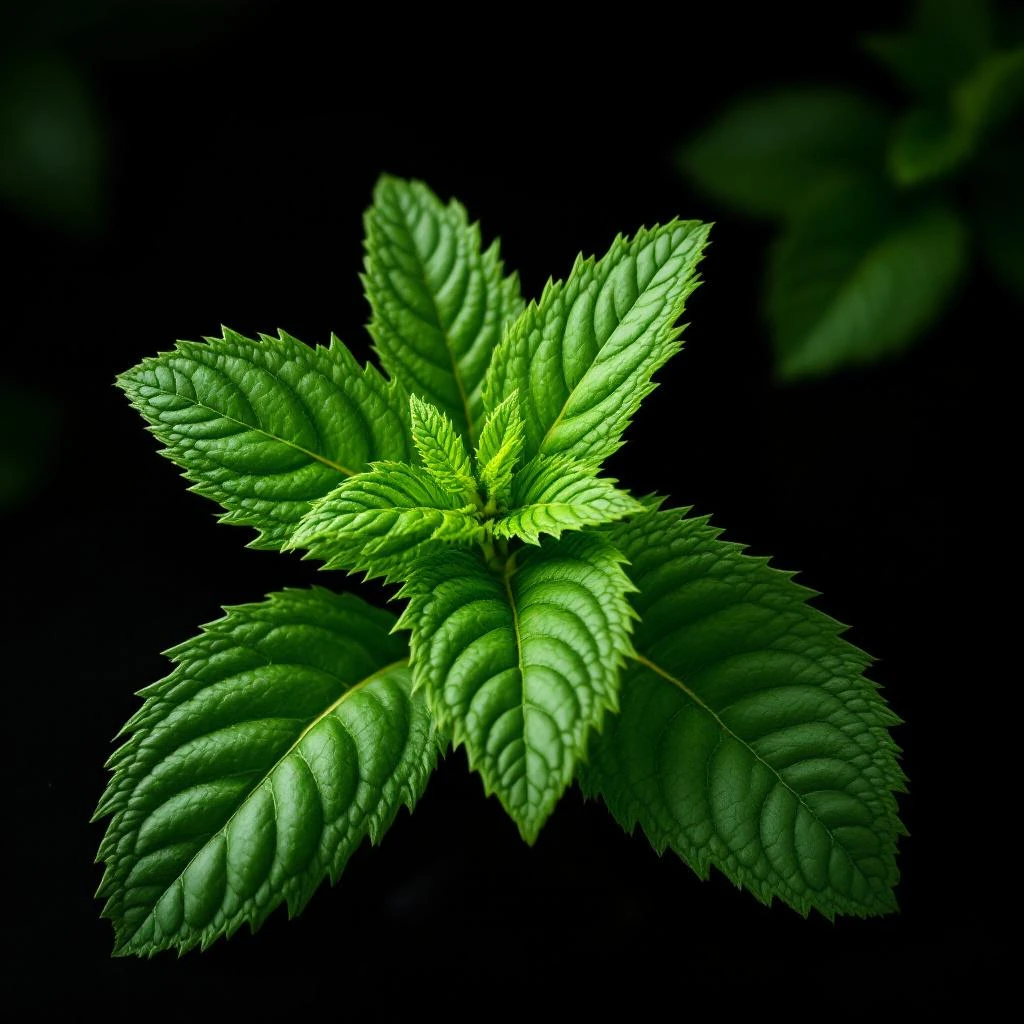
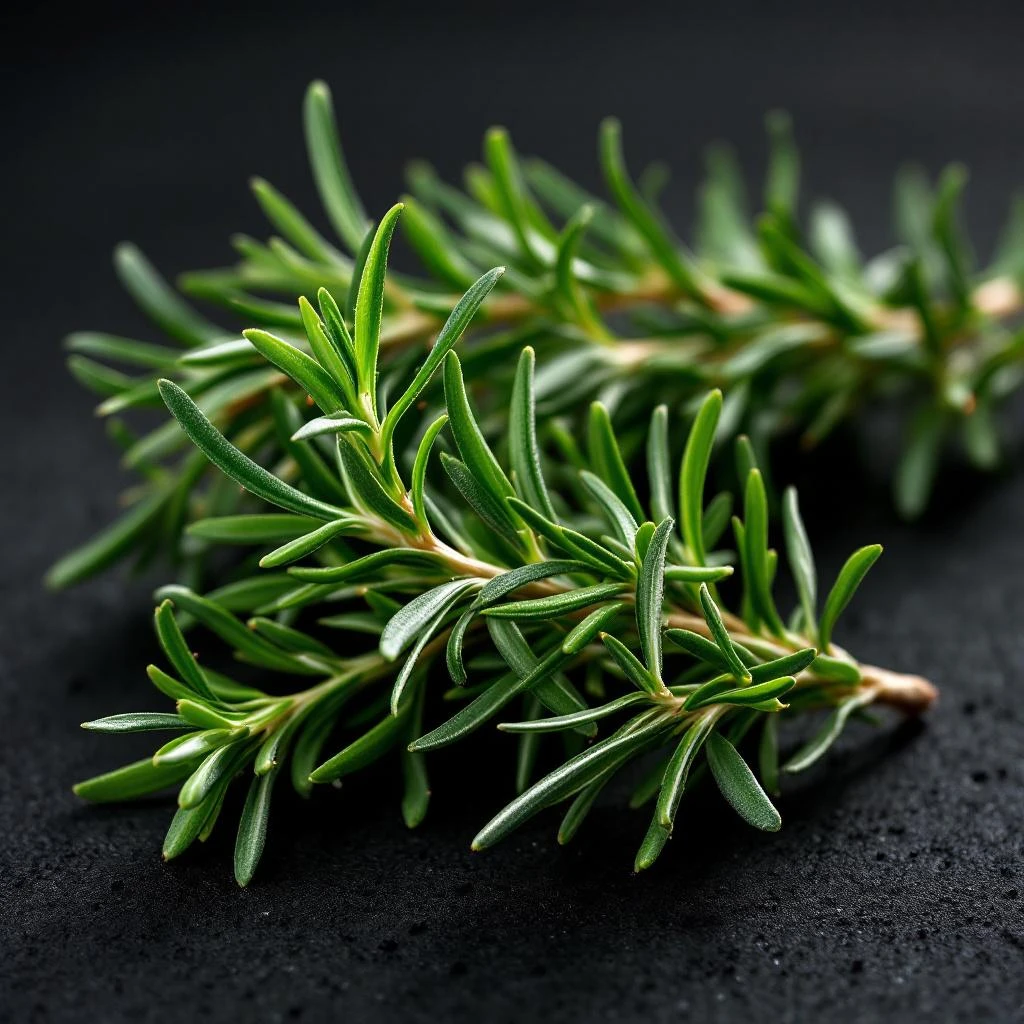
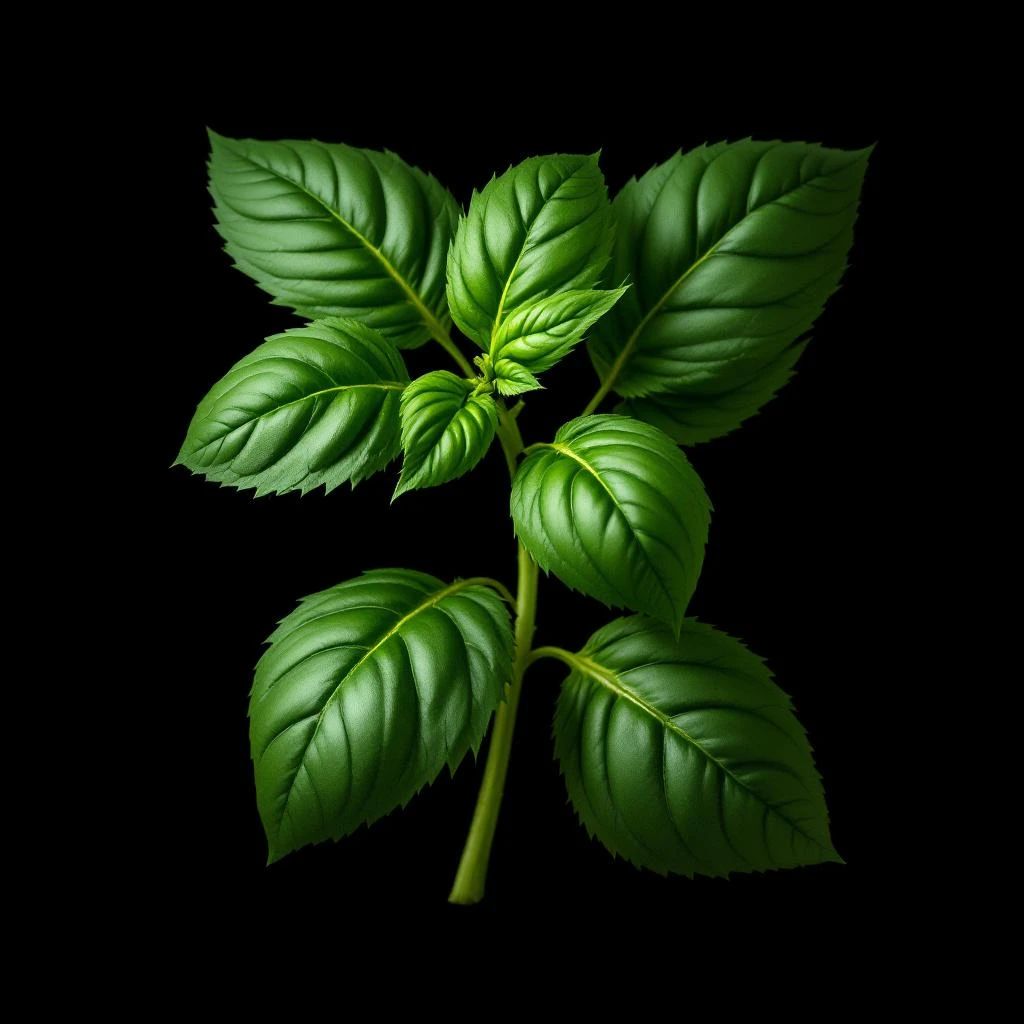
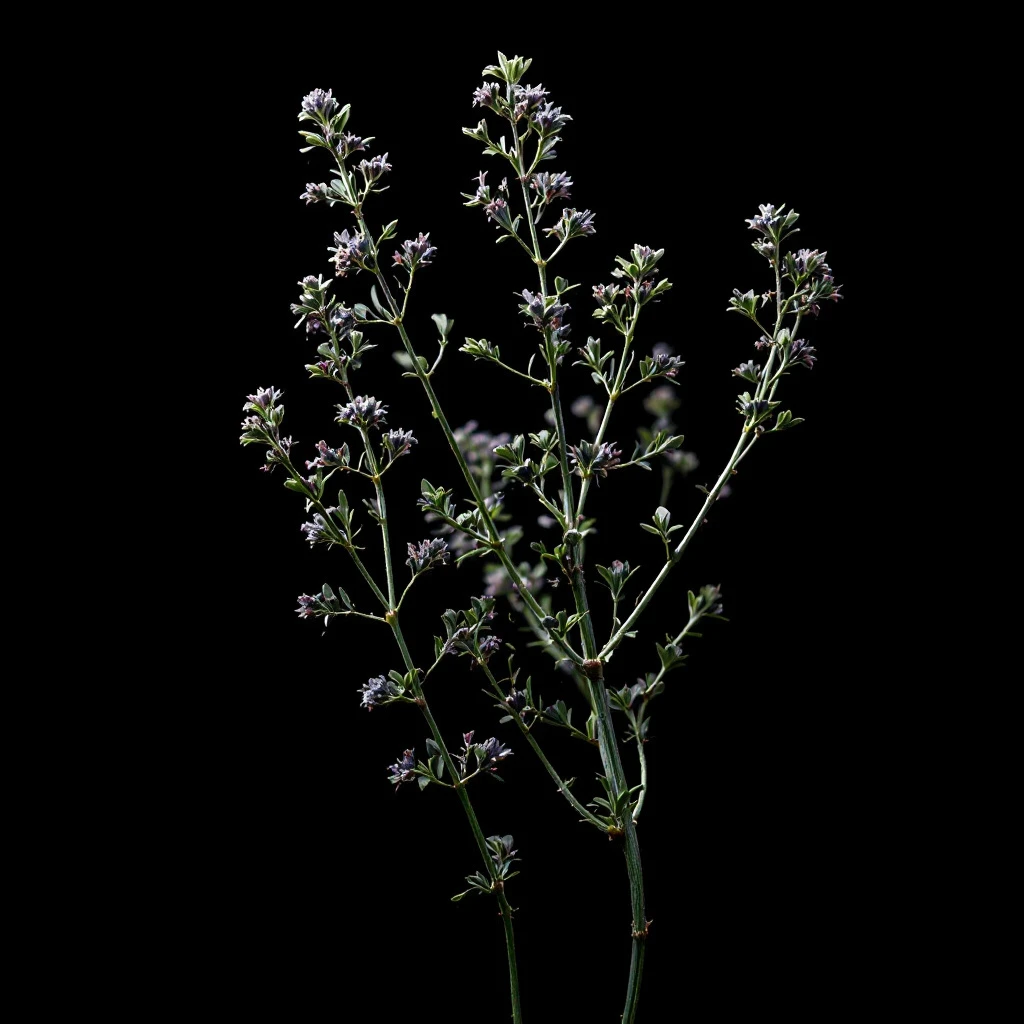
Black Thyme leaves darken as they mature, producing an oil with significantly higher phenolic content than standard thyme varieties.
Pairs beautifully with



Origin
Mediterranean region
Thyme has been woven into human culture for thousands of years, valued as much for its aromatic properties as for its preservative and medicinal qualities. Ancient Egyptians used it in embalming preparations, while Greeks burned it as incense in sacred spaces, associating it with courage and vitality. The Romans carried it as a protective talisman, scattering the herb across floors and adding it to baths.
Black Thyme, a specific variety distinguished by its darker pigmentation and heightened phenolic concentration, grew wild across the rocky Mediterranean scrublands of Southern Europe and North Africa. Medieval European herbalists documented its use in healing salves and aromatic preparations. As perfumery evolved from craft to art in the 19th century, perfumers began systematically extracting and studying individual botanical materials, eventually recognizing the unique aromatic depth that Black Thyme contributed — a smoky, mineral-tinged quality that added dimension to complex fragrance structures.
Today it remains a prized material among perfumers seeking natural herbal intensity with a distinctive terroir-driven character.
Wears it best
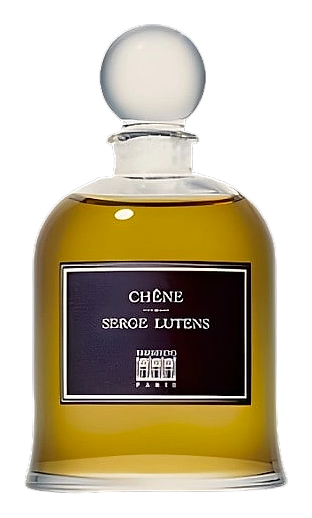
Fragrances featuring Black Thyme
Brands
Brands known for Black Thyme
Good to know
Questions, answered
The essentials on Black Thyme in perfumery: how it smells, where it comes from, and how it behaves on skin.
What does Black Thyme smell like?
Black Thyme has a smoky, mineral-rich herbaceous scent with earthy, slightly camphoraceous tones. It feels bolder and more complex than standard thyme, with a dry, slightly bitter finish characteristic of high-phenolic varieties.
Is Black Thyme used in men's or women's fragrances?
Black Thyme functions as a gender-neutral structural ingredient. Its smoky, herbal character appears in men's fragrance bases and in unisex compositions that seek a natural, Mediterranean warmth without sweet florals.
How is Black Thyme oil extracted?
Steam distillation extracts Black Thyme oil from leaves and flowering tops. Pressurized steam ruptures plant cell walls, carrying volatile compounds into a condenser where the oil separates from the hydrosol.
Does Black Thyme occur naturally or is it synthetic?
Black Thyme exists as a natural botanical variety of Thymus serpyllum, native to Mediterranean scrublands. The oil used in perfumery is naturally extracted, though thymol — its primary aromatic compound — is also produced synthetically for less expensive applications.
What fragrance families use Black Thyme?
Chypres, fougères, and aromatic fragrances most commonly feature Black Thyme. It also appears in certain oriental compositions where a smoky herbal counterpoint to warm resins and woods adds complexity.
What gives Black Thyme its distinctive smoky character?
Higher concentrations of thymol and carvacrol — phenolic compounds produced more abundantly in Black Thyme than in standard varieties — create the smoky, mineral-tinged quality that distinguishes it in perfumery.
Where does commercial Black Thyme oil originate?
Spain, France, and Morocco produce the majority of Black Thyme oil, with Spanish and Moroccan oils typically showing the highest phenolic content due to the intense sunlight and mineral-poor soils that stress the plants into producing more aromatic compounds.
Is Black Thyme related to other herbs in perfumery?
Black Thyme belongs to the Lamiaceae family alongside lavender, rosemary, and sage. These share similar aromatic pathways but differ significantly in their specific aromatic profiles due to varying ratios of constituent compounds.