Black Cedar
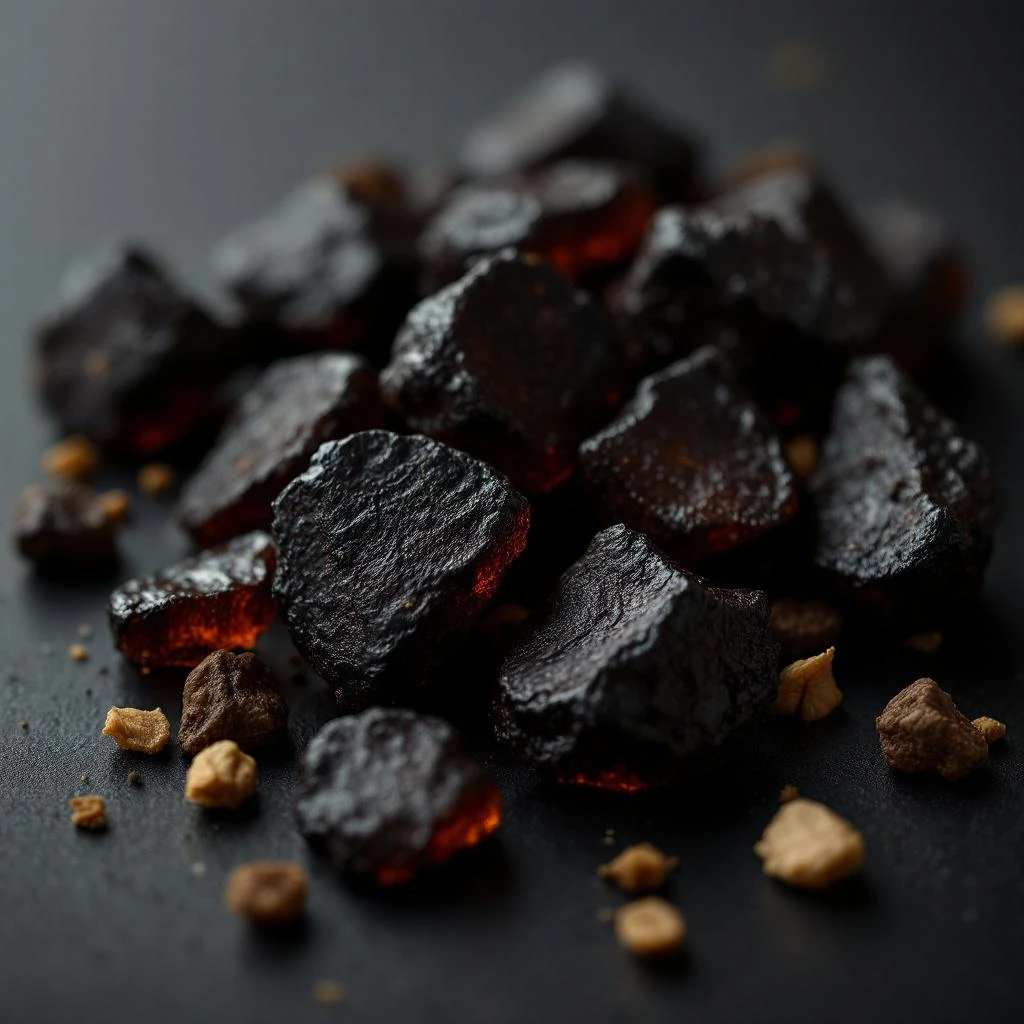
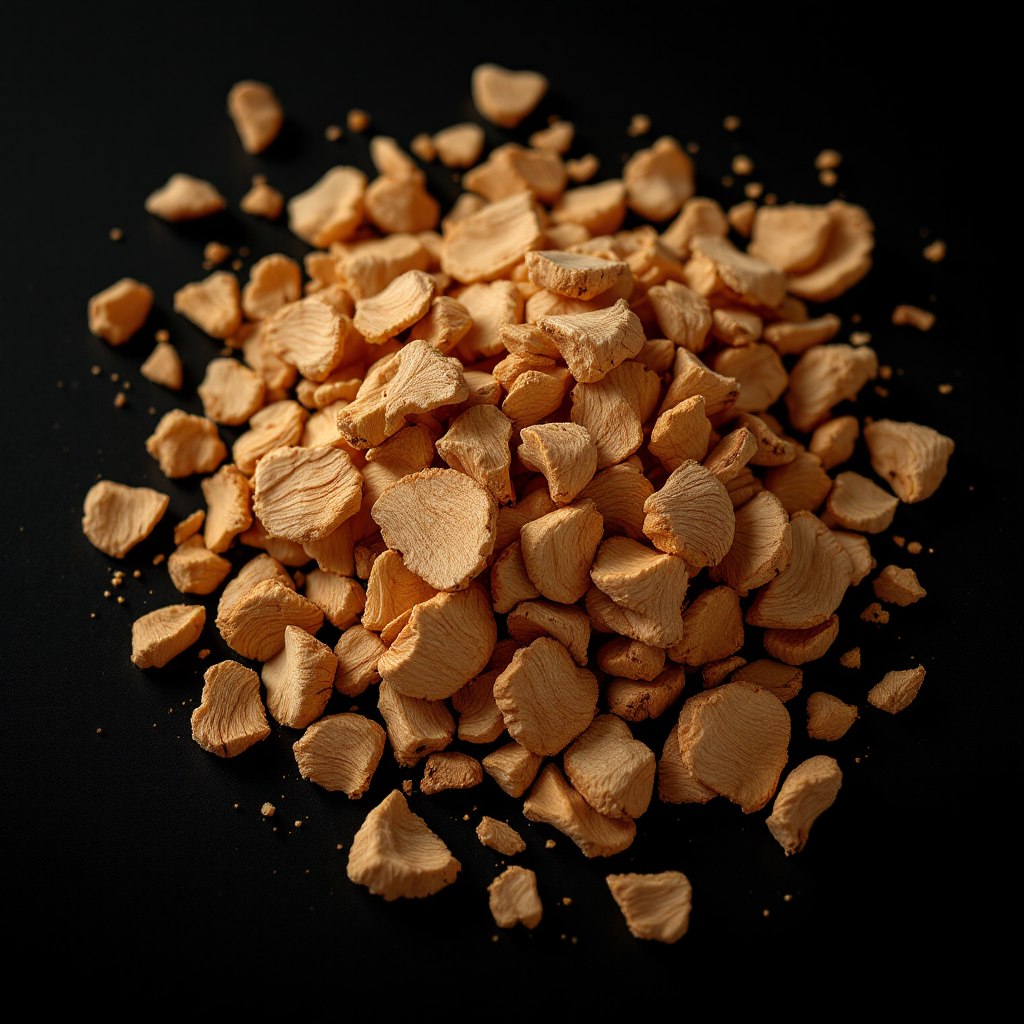
Black Cedar anchors fragrances with its deep, dry woodiness. The oil carries pencil-shaving warmth, balsamic sweetness, and a smoky finish that brings structure and staying power to masculine and unisex compositions alike.
Character
How it smells
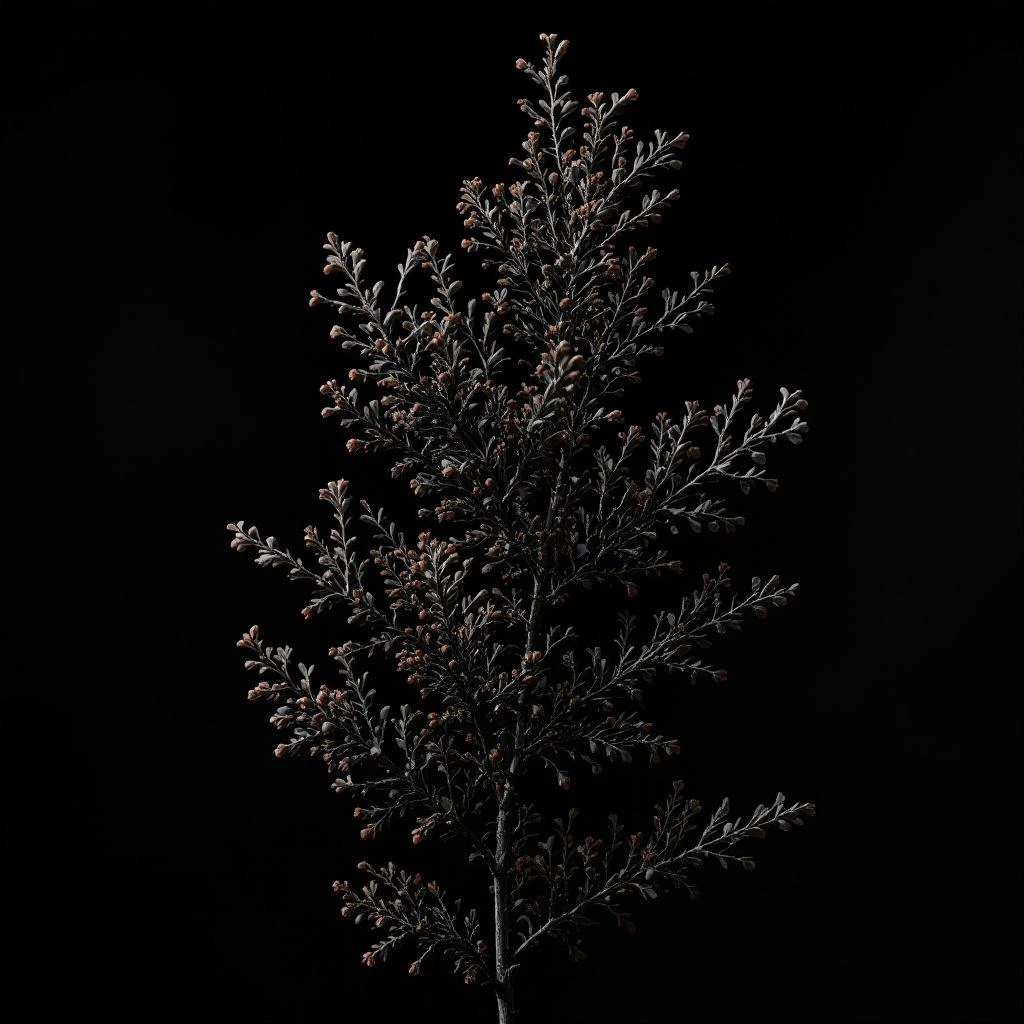
Dry wood with pencil-shaving warmth and smoky depth.
The "Virginian Cedar" used in perfumery is technically a juniper species, Juniperus virginiana, not a true cedar.








Origin
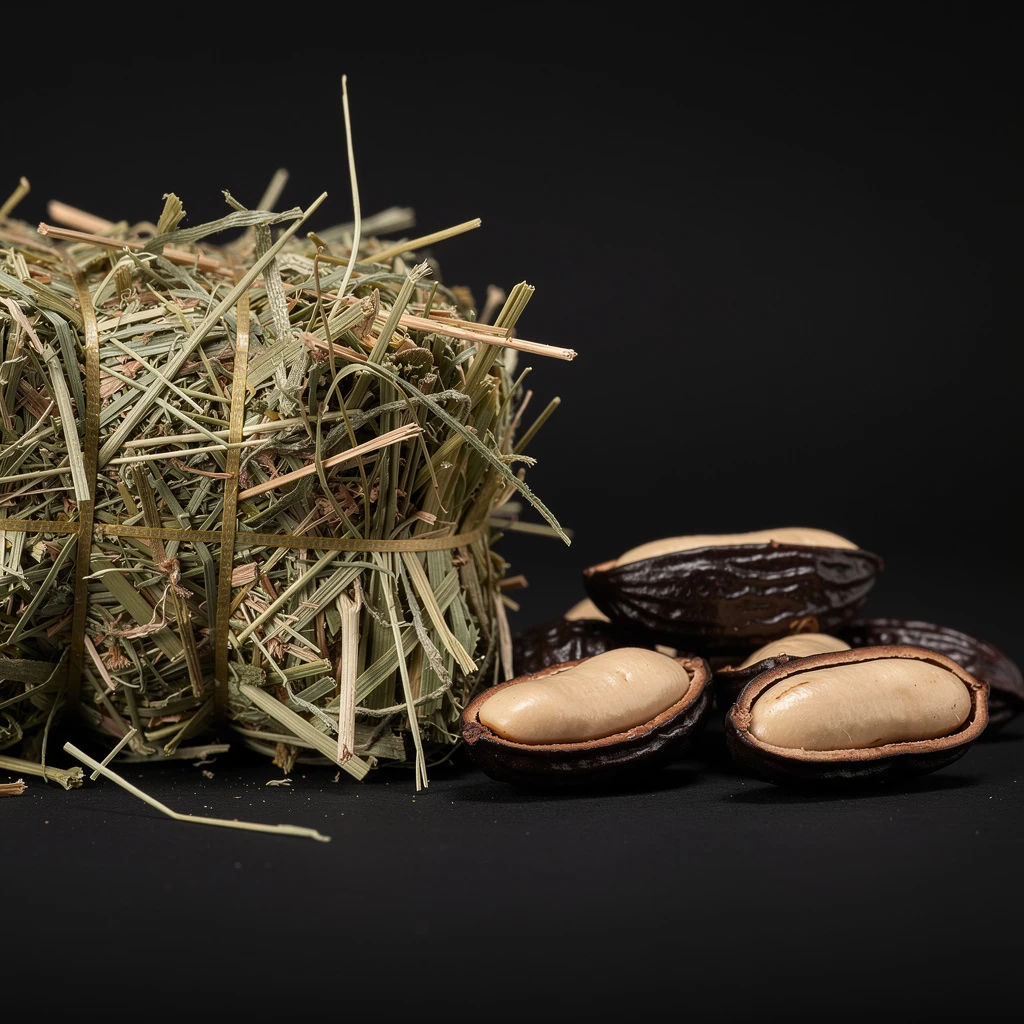
United States
Cedarwood ranks among the oldest aromatic materials in human civilization. Ancient Egyptians imported Lebanese cedar logs for temple construction and embalming rituals, valuing the resinous scent as spiritually protective.
Phoenician traders distributed cedar oil throughout the Mediterranean world, and classical texts mention cedar in Greek medicinal preparations. By the Middle Ages, Arab perfumers refined distillation techniques that allowed extraction of cedar's heaviest aromatic molecules.
Colonial-era Americans discovered Juniperus virginiana growing across the Appalachian range and began producing domestic cedarwood oil for export to European fragrance houses by the early nineteenth century. Today, African producers, particularly in Kenya, contribute significant volumes of cedar-derived aromatic compounds used in both perfumery and flavor industries.
Wears it best
Fragrances featuring Black Cedar
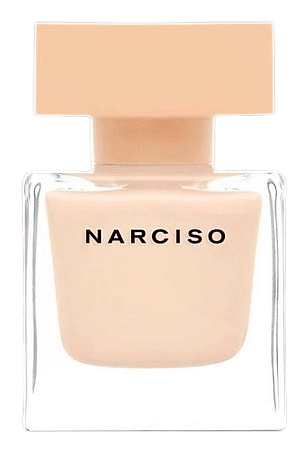
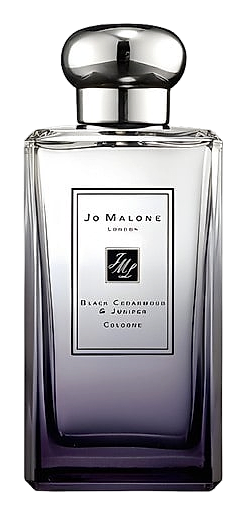
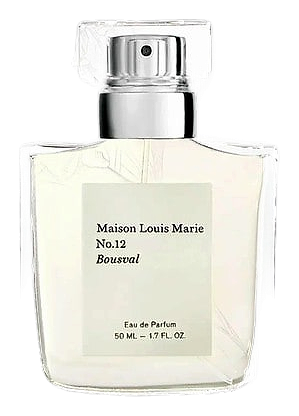
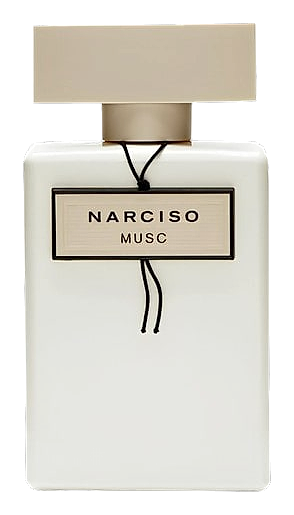
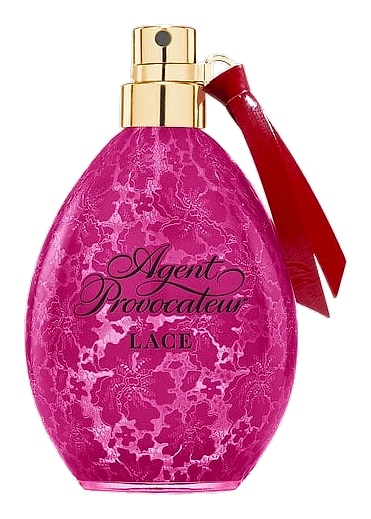
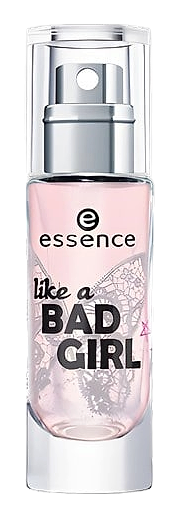
Brands
Brands known for Black Cedar
Good to know
Questions, answered
The essentials on Black Cedar in perfumery: how it smells, where it comes from, and how it behaves on skin.
What does Black Cedar smell like?
Black cedar smells like dry pencil shavings mixed with warm resin. It has a slightly sweet balsamic core with smoky, slightly tar-like edges and lasting dry-wood projection.
Is Virginia Cedar actually cedar?
No. Virginian Cedar is Juniperus virginiana, a juniper species, not a true cedar. True cedars belong to the Cedrus genus and grow in Mediterranean and Himalayan regions.
What fragrance families use Black Cedar?
Black Cedar appears mostly in woody, leather, and fougere families. It functions as a base-note anchor in masculine aftershaves, chypres, and modern aromatic fragrances.
Does climate affect Black Cedar's scent?
Yes. Soil composition, altitude, and rainfall change the oil's molecular profile. Virginia cedar from humid Appalachian forests differs from Atlas cedar grown in Moroccan mountain conditions.
Is Black Cedar natural or synthetic?
Black Cedar is natural, extracted via steam distillation of cedarwood. Synthetic substitutes exist, but natural cedarwood oil offers a complex sesquiterpene profile that replicates cannot fully match.
Which countries produce Black Cedar?
The United States, Morocco, Kenya, and India all produce commercial cedarwood oil. American Virginia cedar and Moroccan Atlas cedar represent the two most traded varieties in perfumery.
How long has Black Cedar been used in perfumery?
Cedarwood has been used in perfumery for over 3,000 years. Ancient Egyptian texts mention it as a sacred embalming ingredient, and Middle Age distillation made its aromatic oil widely available.
What parts of the cedar tree are used for oil?
Producers extract oil from the heartwood, sawdust, and root stumps. Older trees yield more aromatic heartwood, which produces higher-quality oil with richer sesquiterpene content.