Bitter Lemon
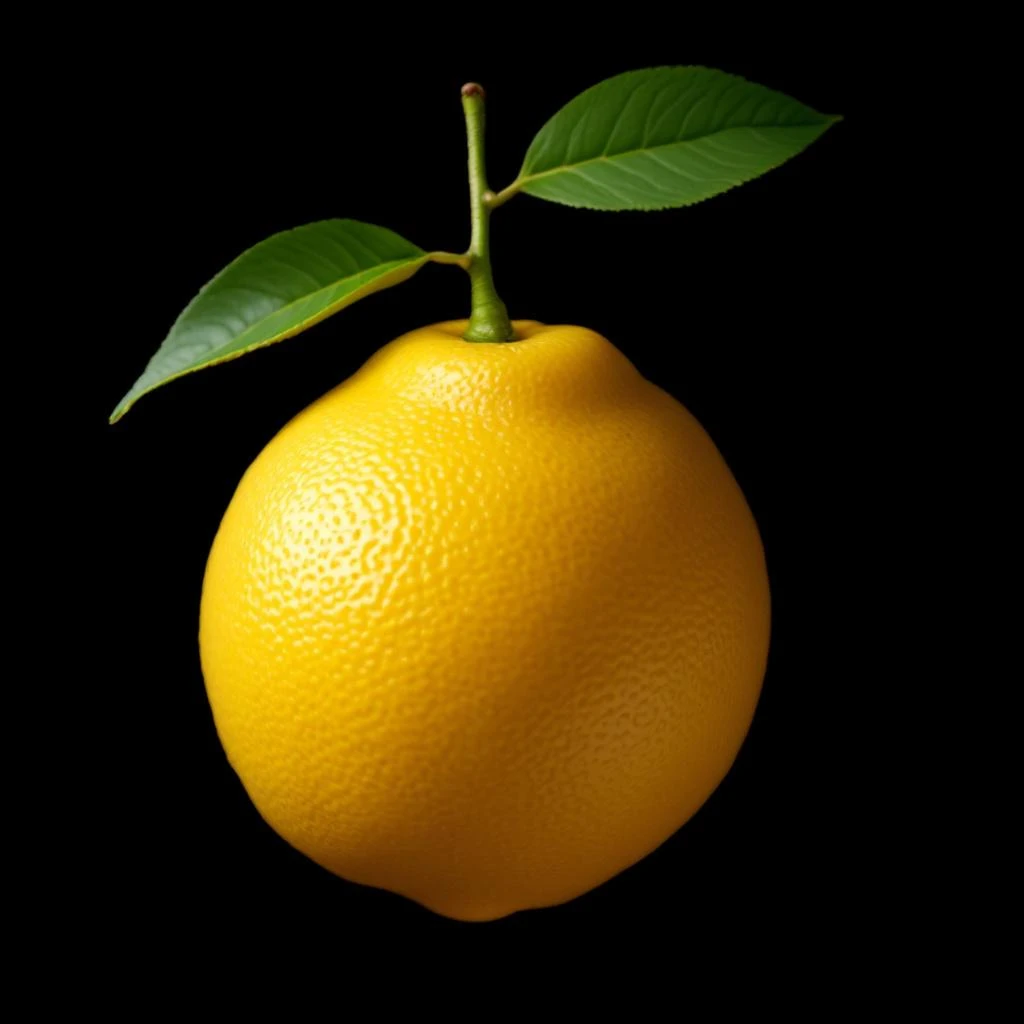
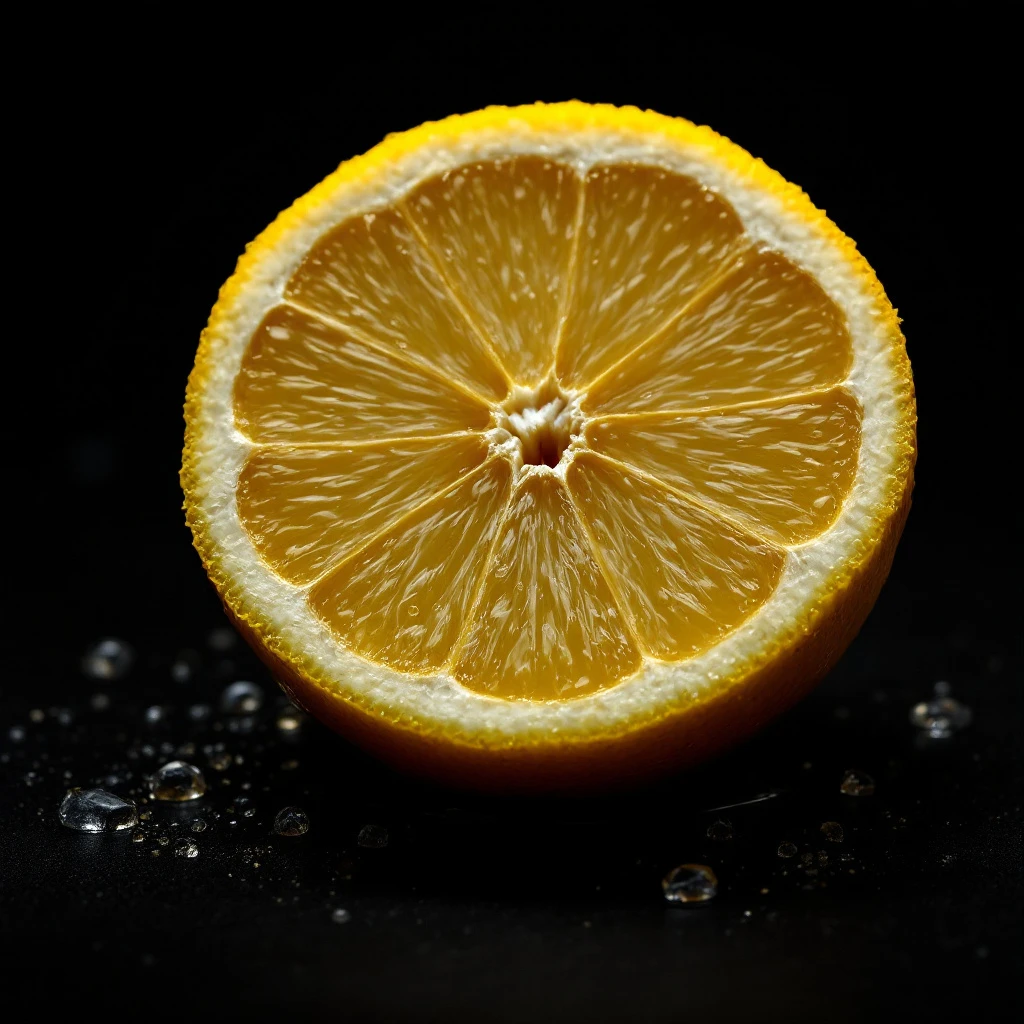
Bitter lemon captures the bright urgency of citrus with a sharp, almost astringent edge that regular lemon lacks. Extracted from the fruit peel, it delivers an electrifying freshness balanced by subtle earthy undertones and a distinctive pith-like bitterness that adds depth where simple citrus falters.
Character
How it smells
Citrus sharpness with an edge of complexity
Bitter lemon oil contains limonene at concentrations exceeding 70%, yet it is the trace bitter principles in the pith that set it apart from sweet lemon varieties, creating its signature sophisticated bite.



Origin
Italy
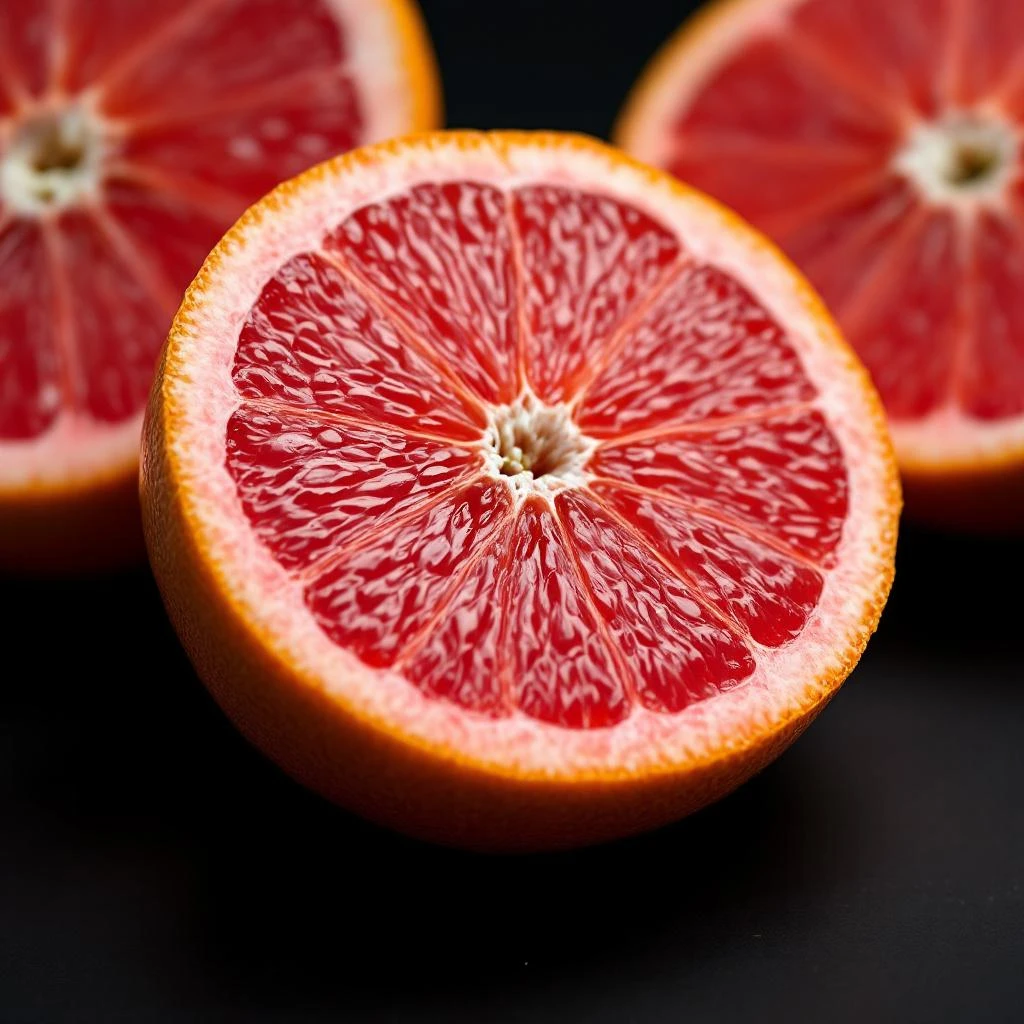
Lemon cultivation traces to northeastern India around 800 BCE, spreading through Persian trade routes to the Mediterranean. The Romans valued citrus for perfumery and medicine, yet bitter lemon as a distinct aromatic material emerged later when perfumers began distinguishing between sweet and bitter citrus varieties. Arab perfumers during the Islamic Golden Age refined citrus extraction techniques, documenting methods that preserved the bright character of lemon peel.
European perfumers in the 16th and 17th centuries increasingly favored citrus materials as colognes became fashionable, with bitter lemon finding particular favor for its complexity. The 19th century brought scientific analysis that identified why bitter lemon differed from sweet varieties, and the 20th century saw industrial cold-pressing techniques transform citrus from a luxury ingredient into a perfumery staple accessible across price ranges.
Wears it best
Fragrances featuring Bitter Lemon
Brands
Brands known for Bitter Lemon
Good to know
Questions, answered
The essentials on Bitter Lemon in perfumery: how it smells, where it comes from, and how it behaves on skin.
What does bitter lemon smell like?
Bitter lemon smells sharp, zesty, and clean with a distinctive astringent edge. Unlike sweet lemon, it carries subtle bitter pith notes and earthy undertones that add complexity to its bright citrus character.
How is bitter lemon oil extracted for perfumery?
Bitter lemon oil is extracted via cold expression of the fruit peel. The rind is mechanically punctured and pressed, releasing oils that are then separated from juice through centrifugation. This method preserves volatile top notes that give citrus its fresh, bright quality.
Is bitter lemon natural or synthetic in perfumery?
Bitter lemon is naturally derived, sourced from Citrus limon fruit peel. Synthetic reproductions exist as isolated compounds like citral or limonene, but natural cold-pressed oil remains the standard for quality fragrances seeking authentic citrus character.
What fragrance families use bitter lemon?
Bitter lemon appears most prominently in citrus, fresh, and aromatic fragrance families. It also functions as a top note in fougère, chypre, and modern aquatic compositions where its sharp freshness provides immediate opening impact.
How does bitter lemon differ from regular lemon?
Bitter lemon contains the same primary compound, limonene, but retains trace bitter principles from the fruit pith that sweet lemon varieties lose during selective breeding. This adds an astringent, slightly medicinal complexity absent in conventional lemon.
How long does bitter lemon last in a fragrance?
Bitter lemon functions as a top note that typically lasts 30 minutes to two hours on skin. Citrus materials evaporate quickly due to their volatile molecular structure, though heart notes and base accord composition significantly influence the overall scent duration.
Which countries produce the best bitter lemon oil?
Italy produces premium bitter lemon oil, particularly from the Amalfi Coast and Sicily, where volcanic soil and Mediterranean climate produce fruit with exceptional aromatic concentration. Spain and Argentina also cultivate high-quality varieties.
Can bitter lemon be combined with other citrus notes?
Bitter lemon pairs exceptionally well with bergamot, grapefruit, and neroli. It also complements herbal materials like rosemary and basil, creating aromatic compositions where its sharp edge provides contrast to softer citrus or green elements.