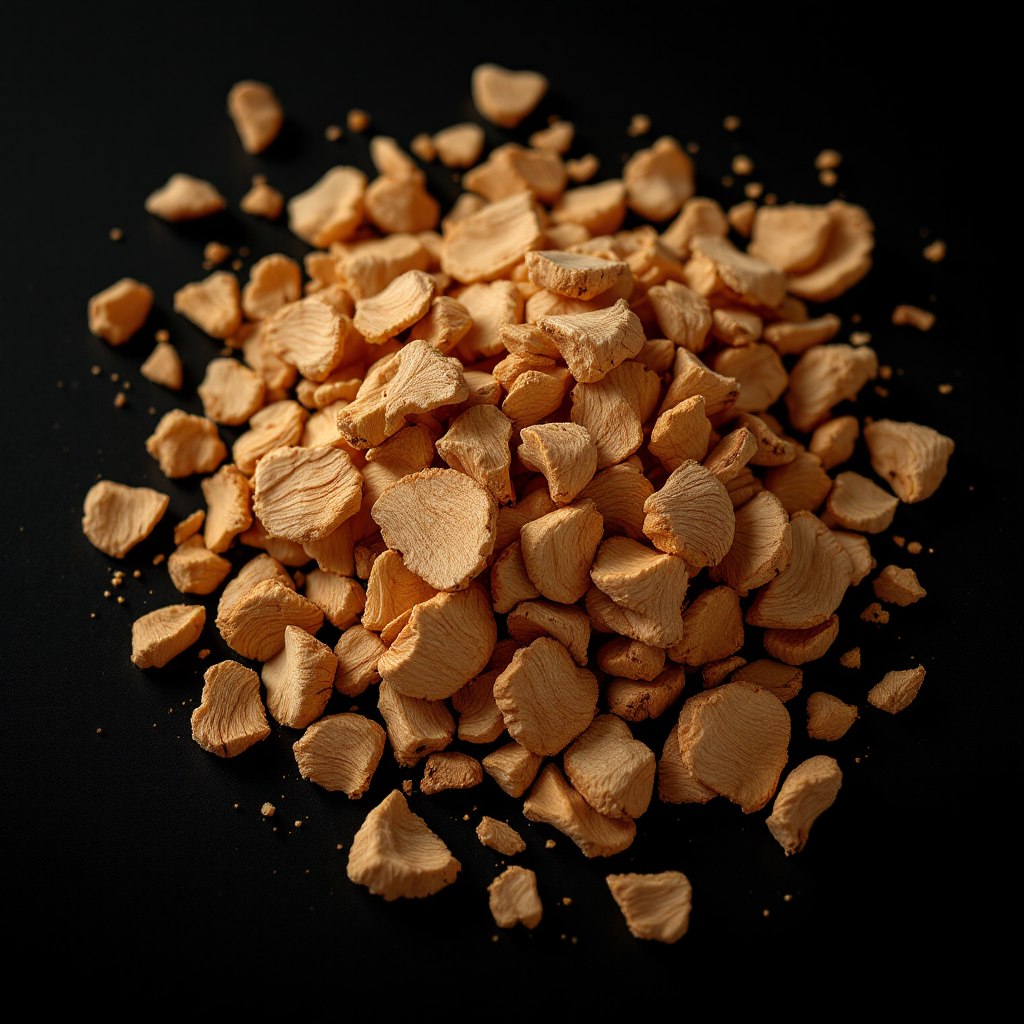
Bhutanese Oud
Bhutanese Oud delivers a rare, complex aromatic profile from the high-altitude forests of the Himalayas. Harvested from infected Aquilaria trees, this oud carries a distinct earthy depth and refined smoky character prized by perfumers worldwide.
Character
How it smells
Himalayan treasure: oud from the roof of the world.
Only 1 in 1,000 Aquilaria trees naturally produces the resinous heartwood that becomes oud, making each harvest a rare occurrence.



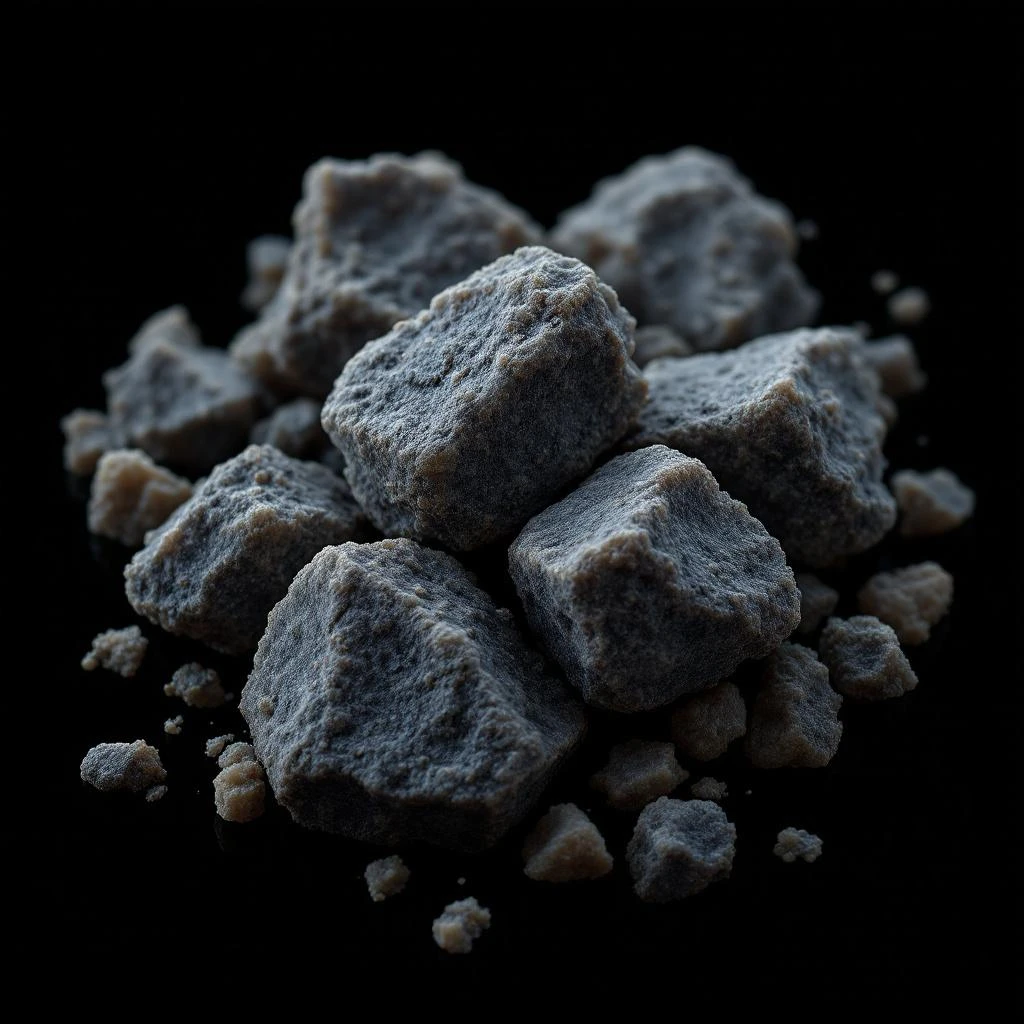

Origin
Bhutan
Oud appears in texts dating back to the third century A. D. in central Vietnam, though its use likely extends far earlier.
Buddhist monasteries in Bhutan have burned oud as incense during meditation for centuries, considering it sacred. The Old Testament references oud among the most precious substances. Bhutan's high-altitude forests create unique conditions that stress the Aquilaria trees, producing oud with exceptional complexity.
Historically traded along Silk Road routes, Bhutanese oud has long been reserved for royalty and religious ceremonies, contributing to its legendary status in perfumery.
Wears it best
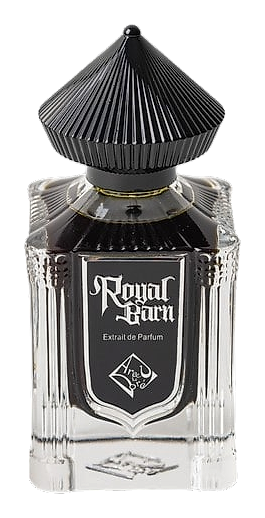
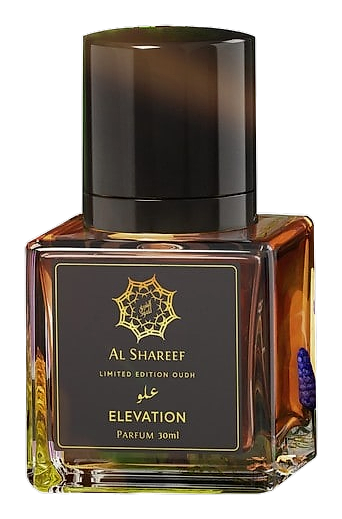
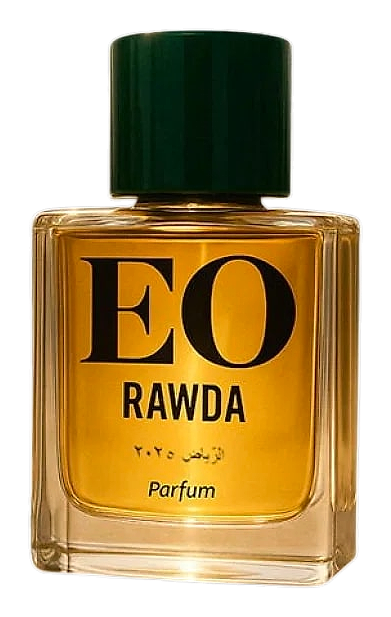
Fragrances featuring Bhutanese Oud
Brands
Brands known for Bhutanese Oud
Good to know
Questions, answered
The essentials on Bhutanese Oud in perfumery: how it smells, where it comes from, and how it behaves on skin.
What makes Bhutanese oud different from other ouds?
Bhutanese oud comes from high-altitude Himalayan forests where environmental stress intensifies the Aquilaria tree's resin production. This produces a distinctly earthy, complex oud with refined smoky notes that differ from lowland varieties.
Why is oud so expensive?
Only about 1 in 1,000 Aquilaria trees naturally develops the resinous heartwood needed for oud. The infection process takes years, and steam distillation yields less than 2% oil from the wood, making supply extremely limited.
What does Bhutanese oud smell like?
Bhutanese oud opens with deep balsamic warmth, followed by earthy woodiness and a refined smoky finish. Its profile is less sweet than some Southeast Asian varieties, with notable complexity and longevity on skin.
How is oud extracted from the tree?
Steam distillation extracts oud oil from infected Aquilaria heartwood. The wood is first ground, then subjected to steam that releases the aromatic compounds, which are then condensed and separated from the water.
Can oud be synthetically reproduced?
Aroma chemicals attempt to mimic oud's profile, but they lack the natural depth and complexity of authentic oud. Plantation-grown oud offers a more sustainable alternative, though wild-harvested oud remains superior.
What parts of the Aquilaria tree are used?
Only the infected heartwood of the Aquilaria tree produces oud. The outer sapwood remains unaffected. The resinous core darkens as the tree deposits protective compounds over years or decades.
Is Bhutanese oud sustainably sourced?
Wild oud faces conservation concerns due to overharvesting. Sustainable sources now cultivate Aquilaria trees and intentionally induce infection through controlled methods, ensuring supply without depleting wild populations.
How should oud be stored?
Store oud oil in a cool, dark place away from direct light. Properly stored, it remains stable for decades. The oil may thicken or form crystals in cold conditions but returns to liquid form when warmed gently.