Bergamot Cream
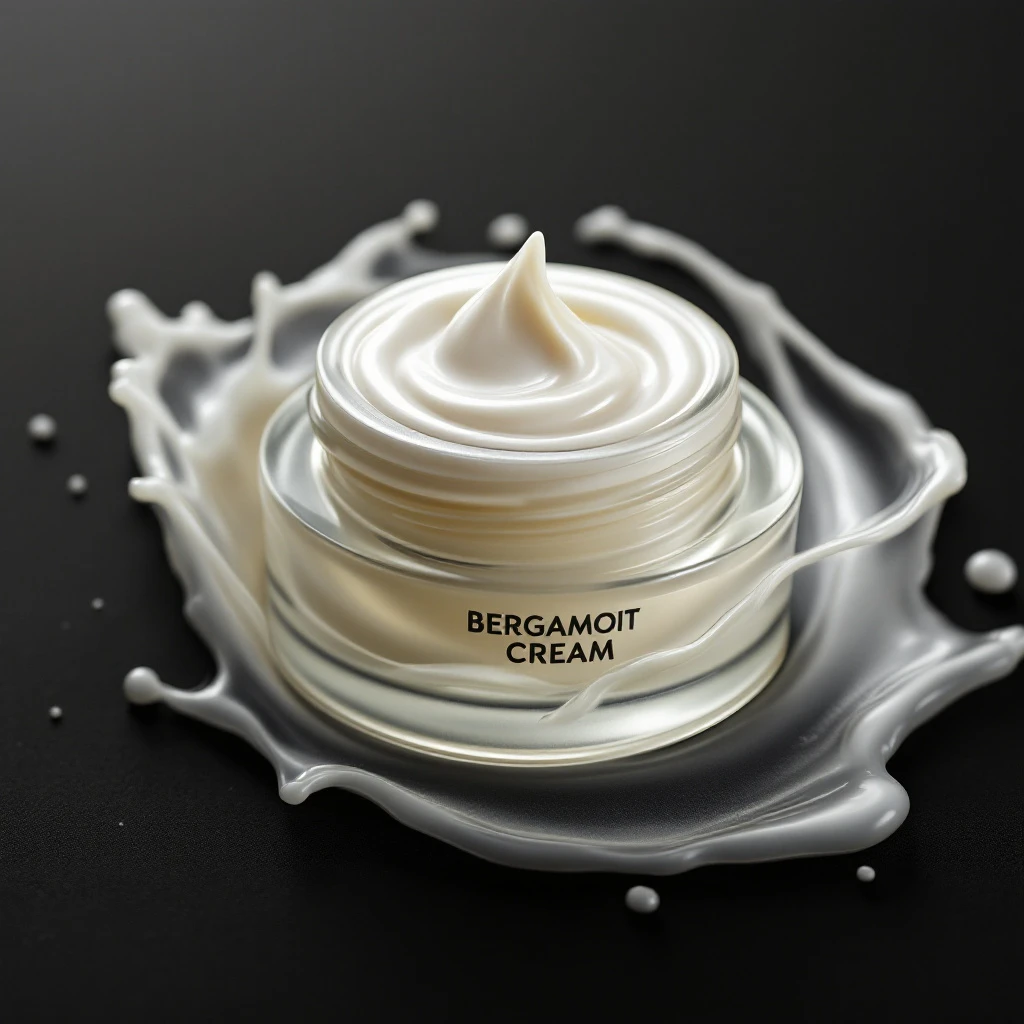
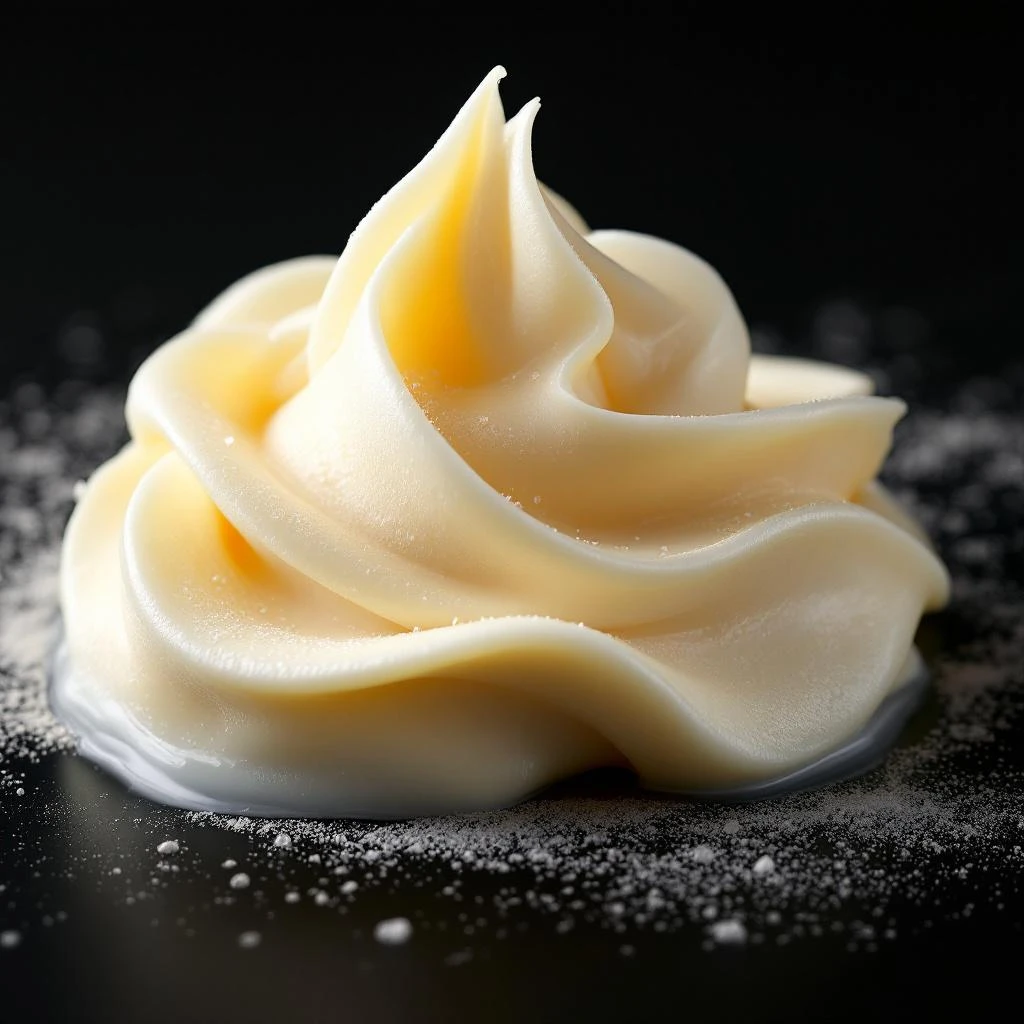
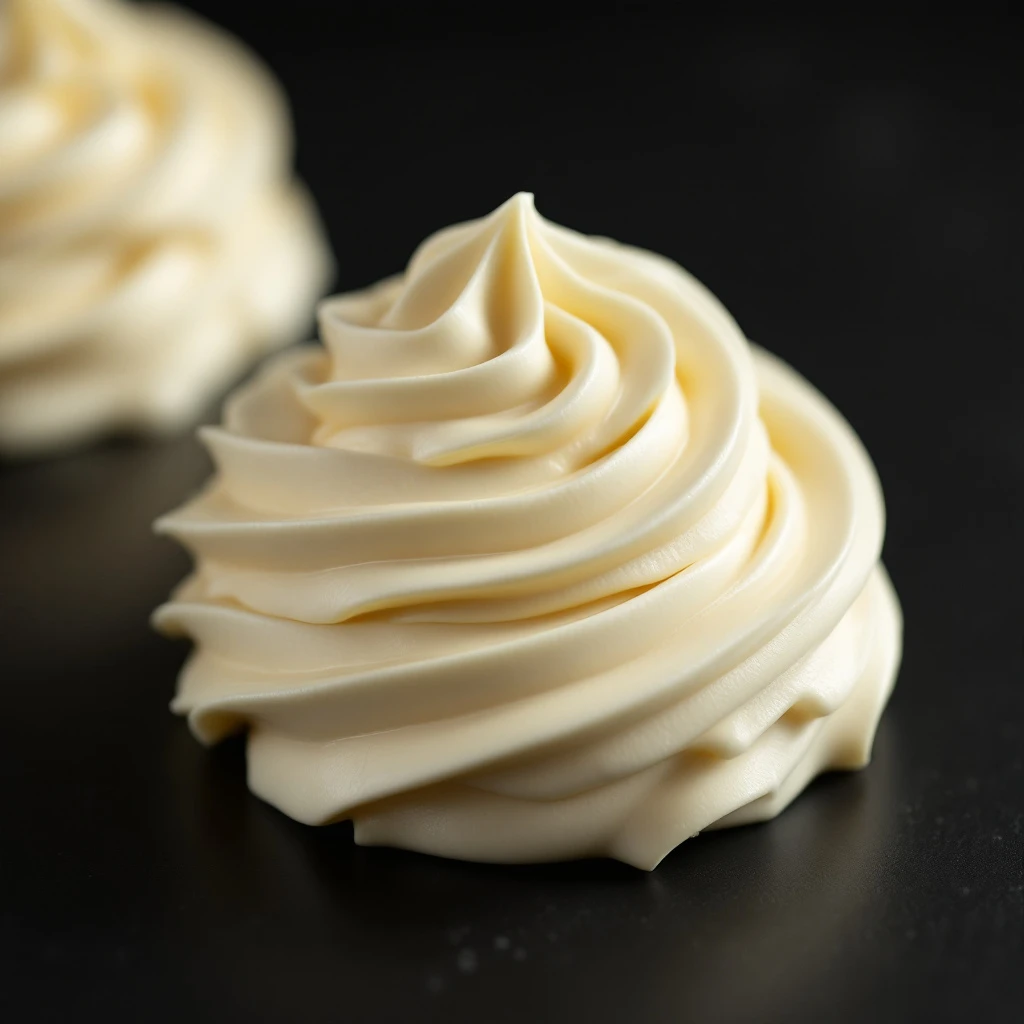
Bergamot Cream marries sun-warmed citrus brightness with a soft, lactonic richness. The scent opens with Calabrian bergamot's signature sparkle and settles into a smooth, buttery finish reminiscent of fresh mascarpone.
Character
How it smells
Citrus zest draped in soft, creamy warmth.
Bergamot cream accord traces its citrus backbone to the same Calabrian fruit used in Earl Grey tea, first documented as a fragrance ingredient in 1714.



Origin
Italy
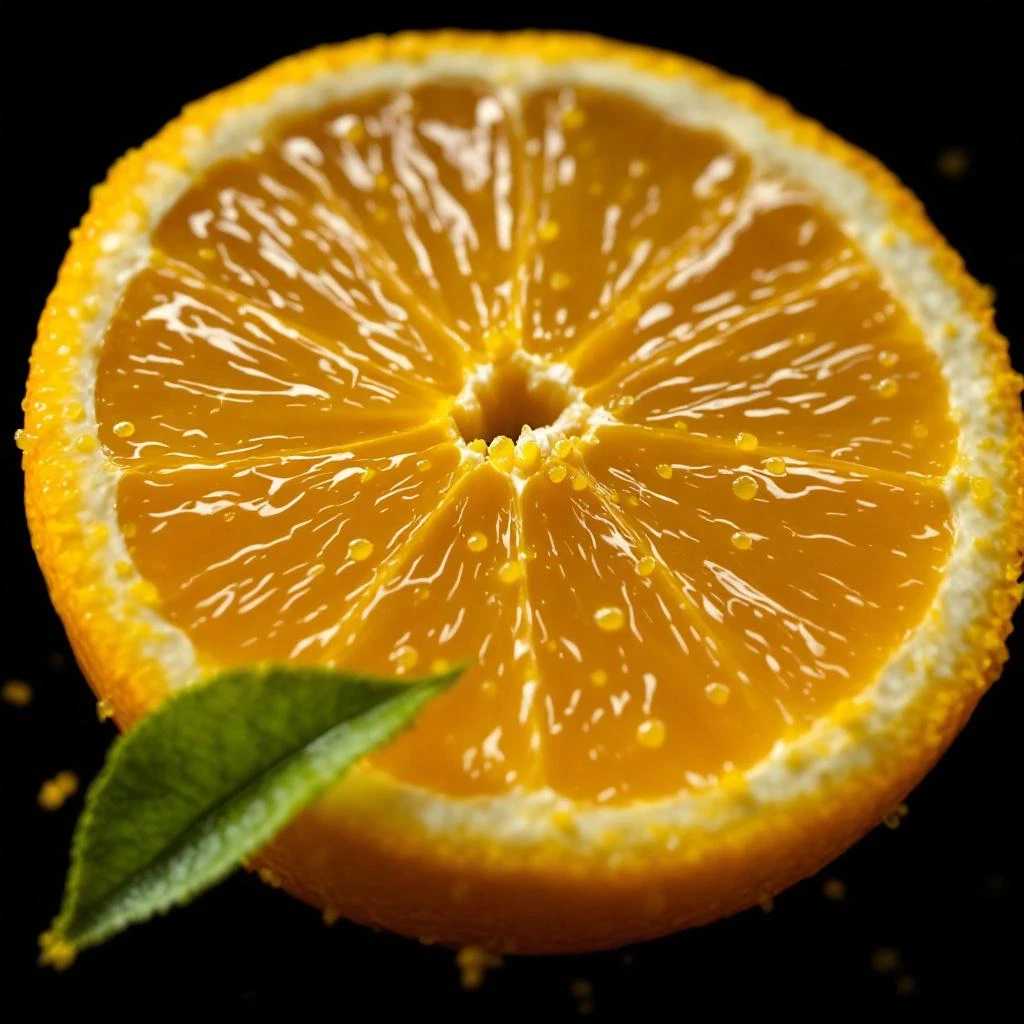
Bergamot traces its botanical roots to Southeast Asia, likely a hybrid of bitter orange and lime that migrated west through trade routes. Italian growers in Calabria recognized its commercial potential by the seventeenth century, establishing the citrus groves that still dominate global production. The first documented use of bergamot oil as a fragrance ingredient appeared in 1714 in the Farina Archive in Cologne, the same city credited as the birthplace of modern eau de cologne.
That signature opening note in classic colognes owes its character directly to Calabrian bergamot. Beyond perfumery, the fruit's peel fed a flourishing market for decorated citrus boxes in the eighteenth century, exported across Europe as luxury goods. The sticky bergamot juice also served as a textile dye base.
Earl Grey tea, blended with bergamot peel since the 1830s, cemented the fruit's cultural footprint beyond fragrance. Today, roughly eighty percent of the world's bergamot oil still comes from a narrow coastal strip in Calabria, where the microclimate between the Ionian Sea and the Apennine foothills creates ideal growing conditions.
Wears it best
Fragrances featuring Bergamot Cream
Brands
Brands known for Bergamot Cream
Good to know
Questions, answered
The essentials on Bergamot Cream in perfumery: how it smells, where it comes from, and how it behaves on skin.
What does bergamot cream smell like?
Bergamot cream combines the bright, slightly bitter citrus aroma of Calabrian bergamot peel with soft, milky lactones. The result is zesty on first impression, settling into a smooth, buttery finish reminiscent of fresh cream or mascarpone.
Is bergamot cream a natural ingredient?
It is typically an accord, not a single botanical extract. Perfumers blend cold-pressed bergamot oil with natural or synthetic lactones such as gamma-undecalactone to create the creamy facet.
Where does bergamot for fragrance come from?
Approximately eighty percent of the world's bergamot oil is produced in Calabria, southern Italy, where the coastal microclimate between the Ionian Sea and Apennine foothills yields fruit with the highest aromatic quality.
When was bergamot first used in perfumery?
The earliest documented use of bergamot oil as a fragrance ingredient dates to 1714, recorded in the Farina Archive in Cologne, the same city that produced the first modern eau de cologne.
How is bergamot oil extracted for perfumes?
Most bergamot oil is produced by cold expression, mechanically pressing the fruit peel to rupture the oil-bearing vesicles without applying heat. This preserves the fresh, volatile top notes that define the citrus character.
Is bergamot phototoxic in fragrances?
Traditional cold-pressed bergamot oil contains furocoumarins that can cause skin sensitivity to UV light. Many modern fragrance houses use furocoumarin-free or rectified bergamot to eliminate this risk.
What is the difference between bergamot and regular citrus notes?
Bergamot has a more complex aromatic profile than orange or lemon, combining citrus brightness with a slightly bitter, floral edge and a subtle herbal undertone that sets it apart from simpler citrus oils.
Why is bergamot cream popular in gourmand fragrances?
The accord bridges sharp citrus and edible dairy notes, giving gourmand compositions a fresh, luminous opening instead of pure sweetness. It adds lift and airiness to vanilla, caramel, or chocolate bases.




