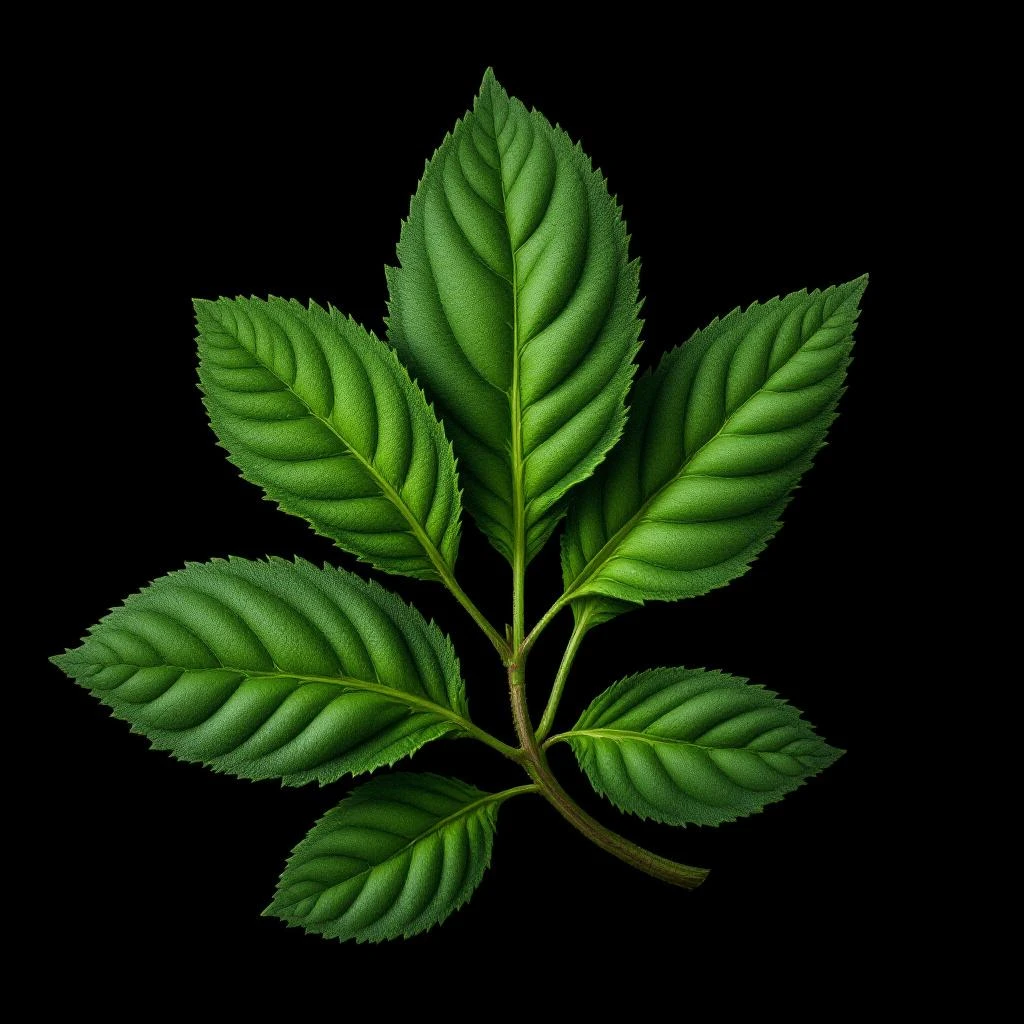
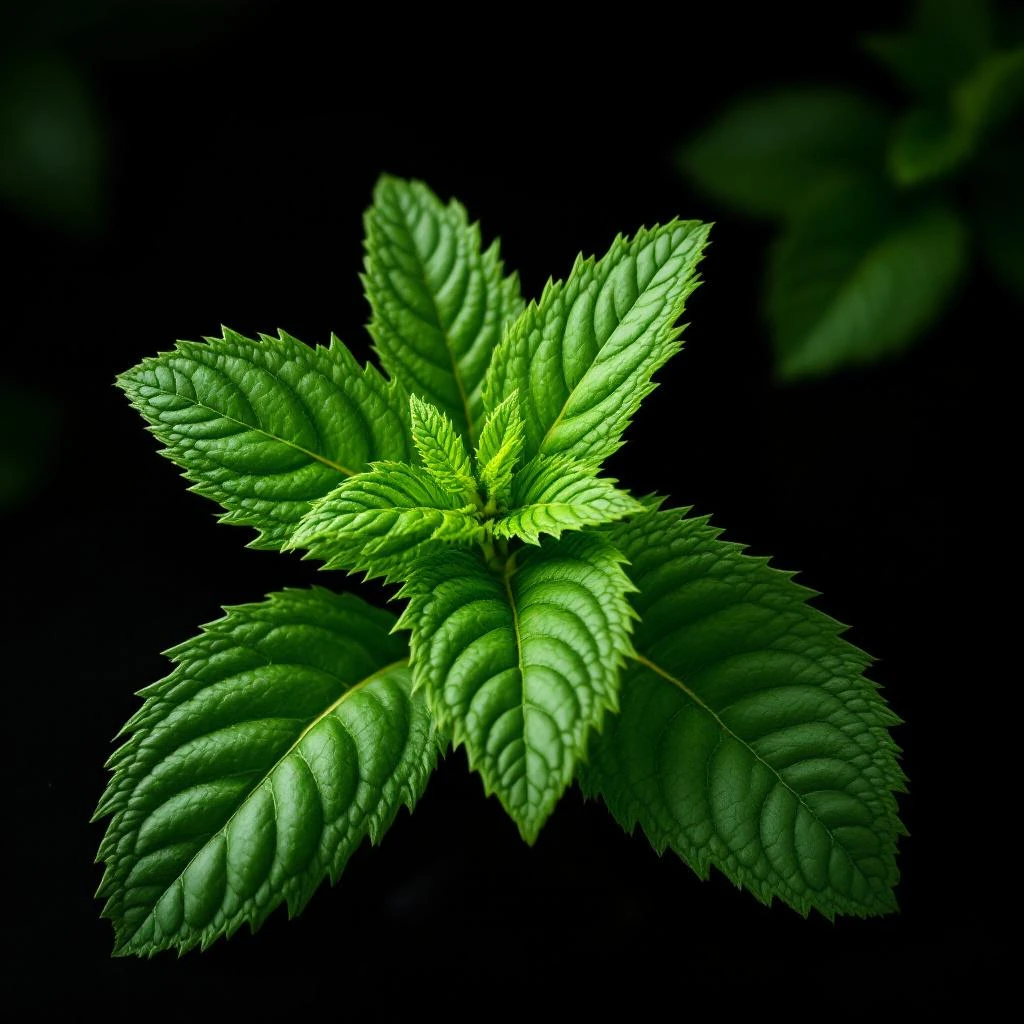
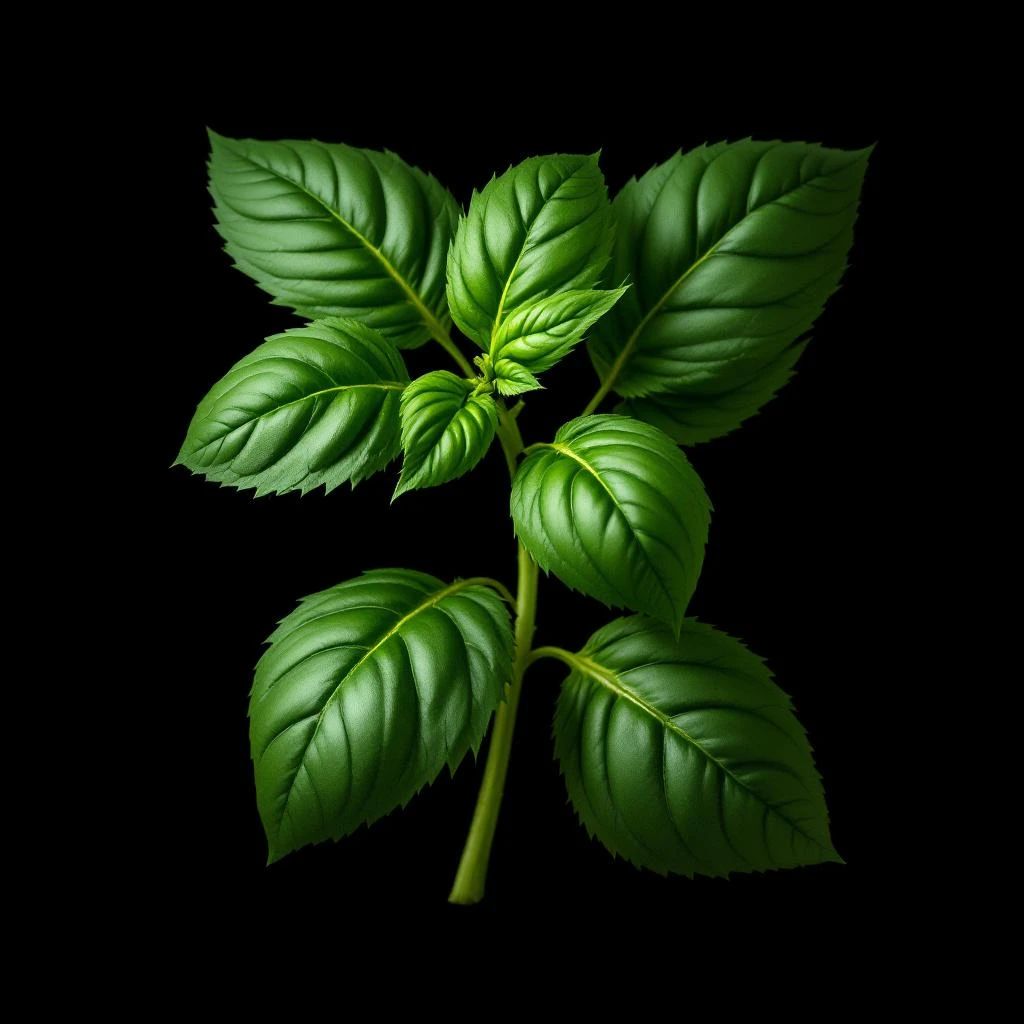
Beebalm
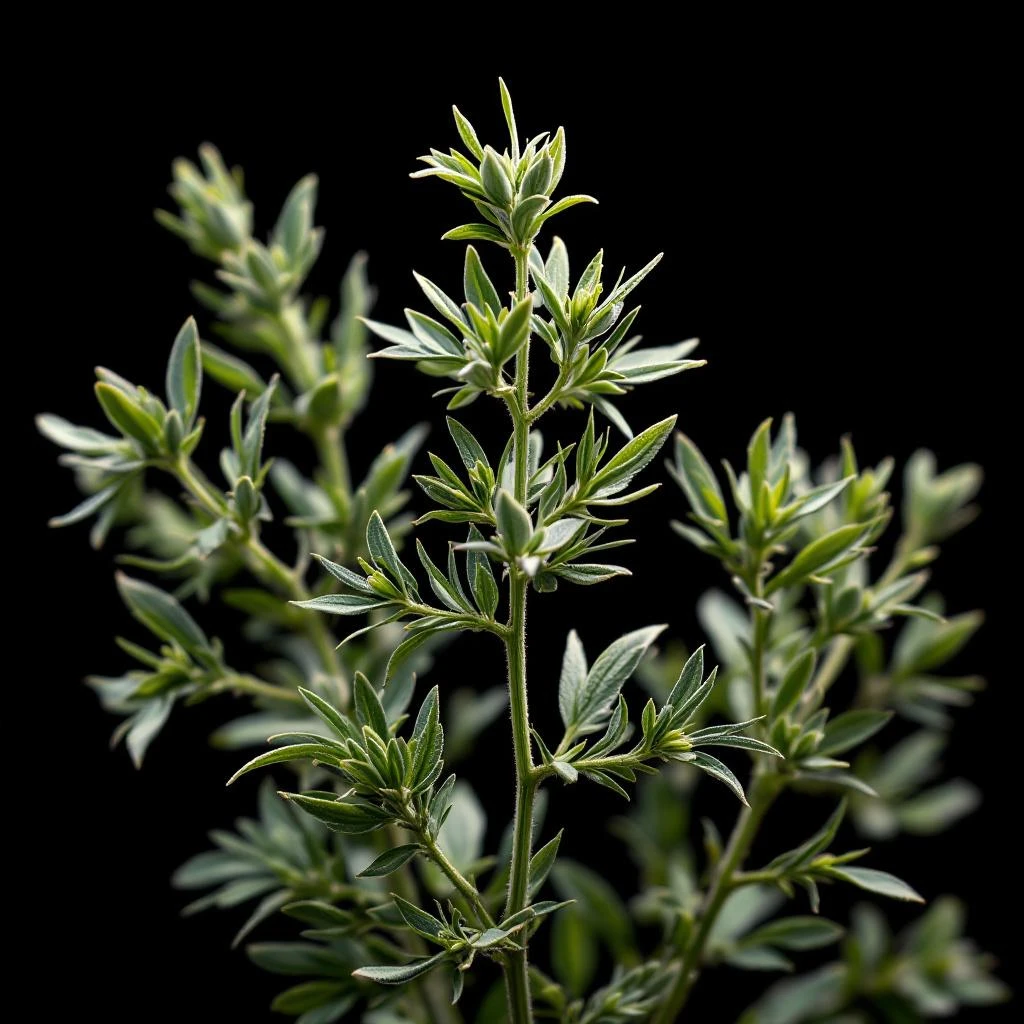
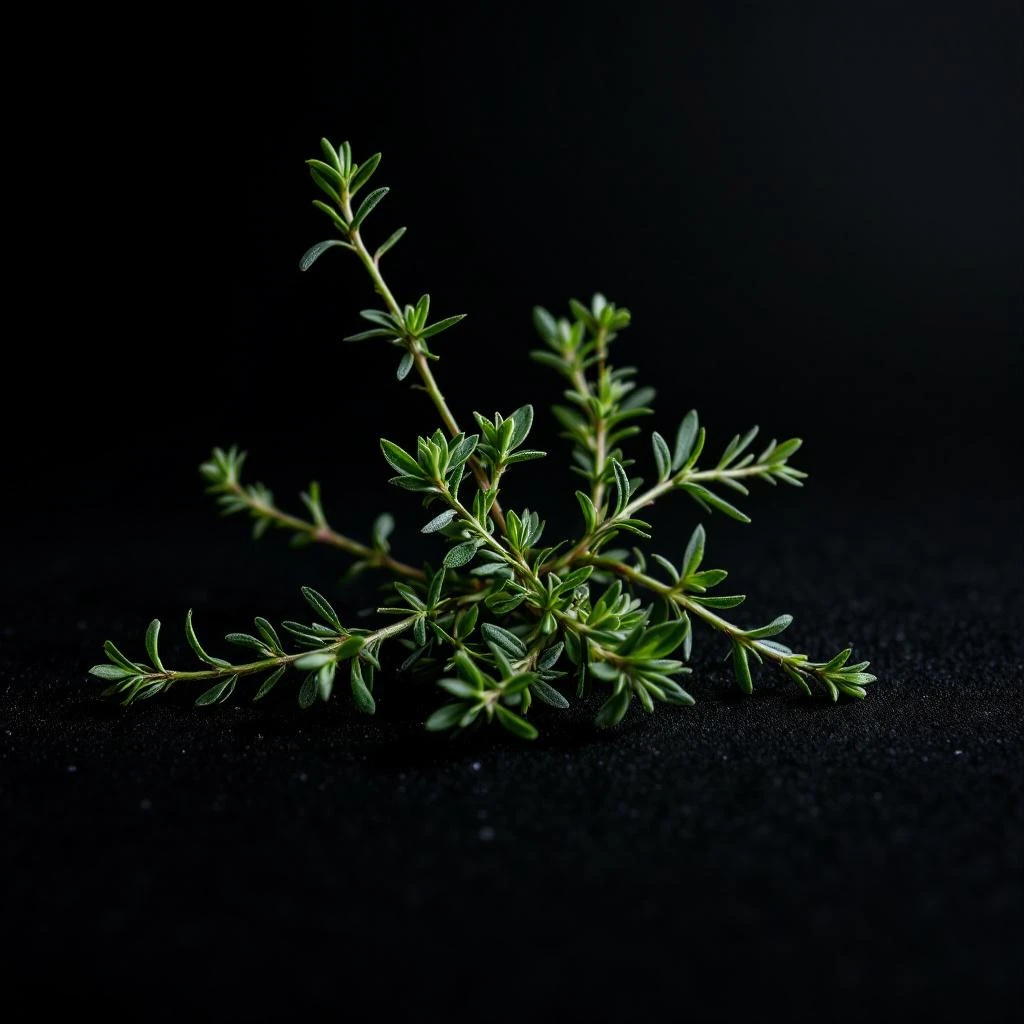
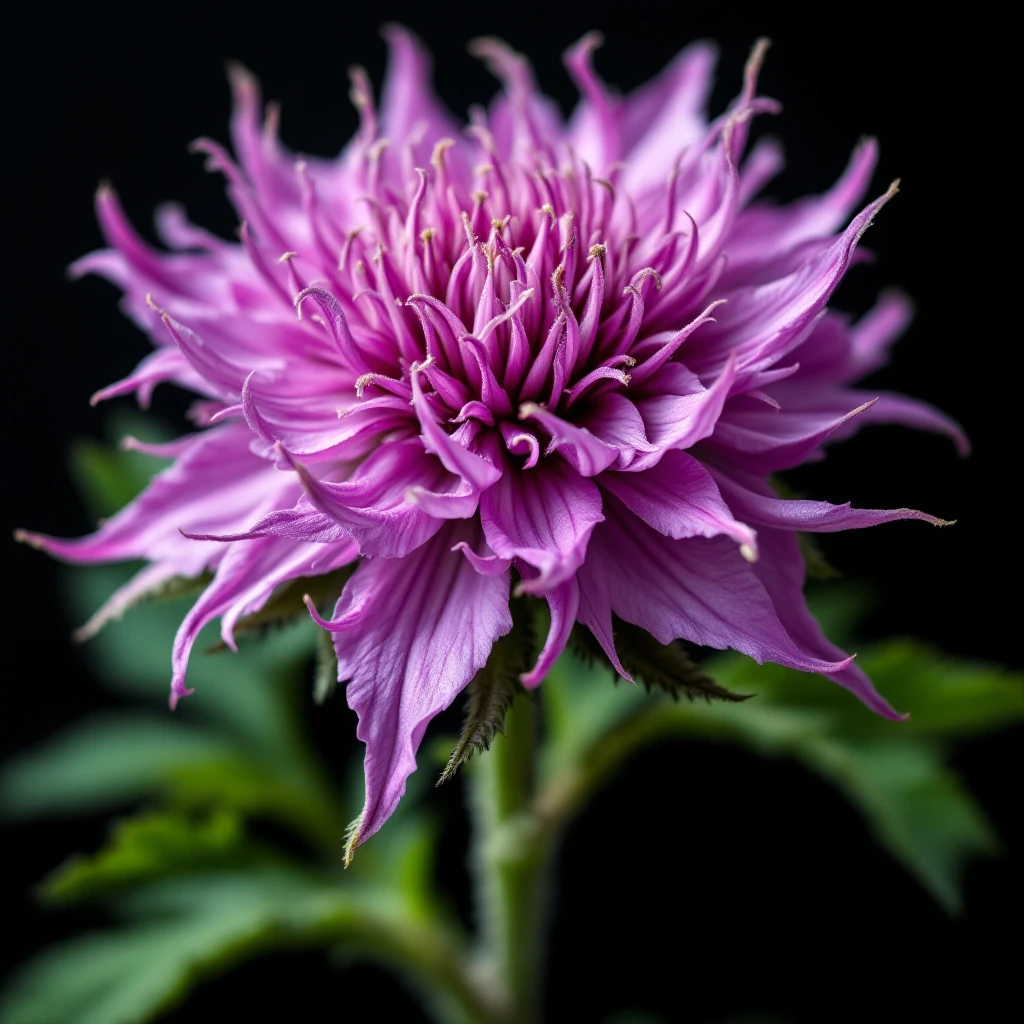
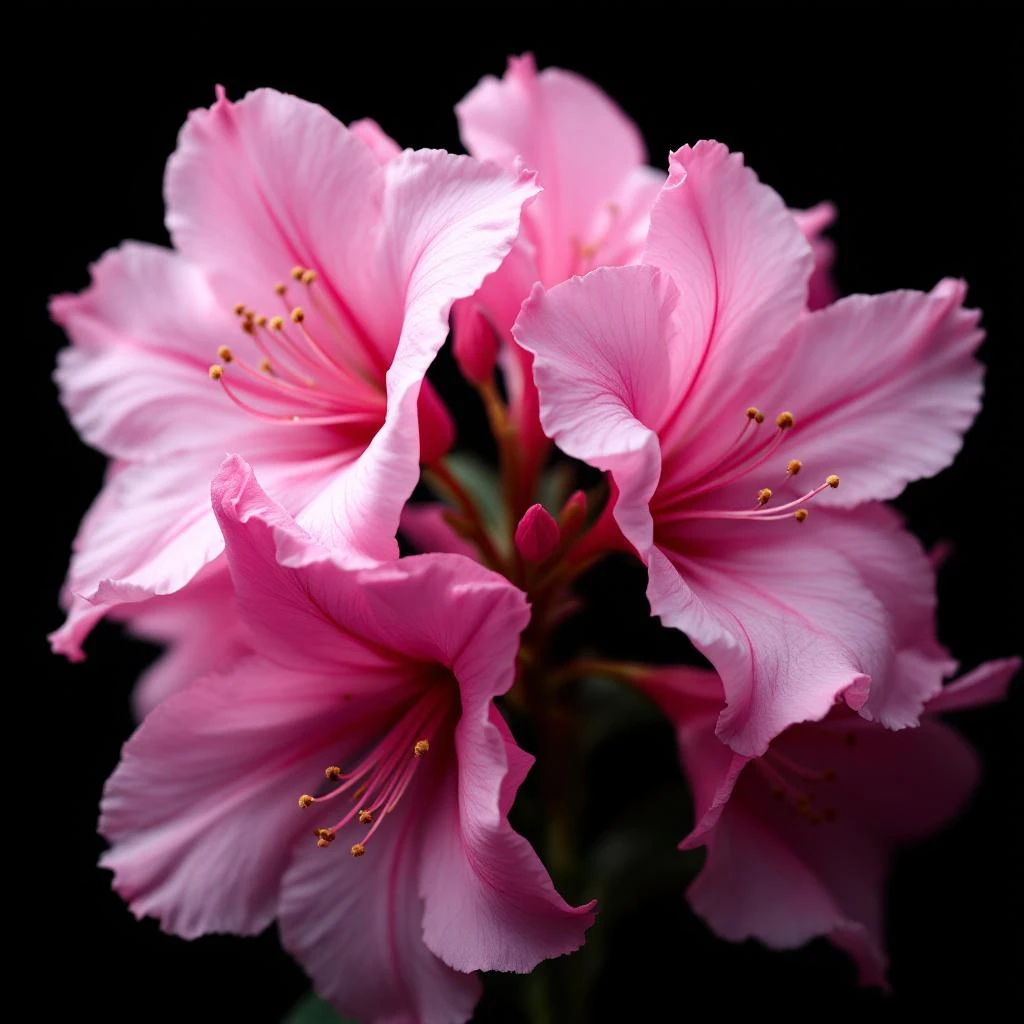
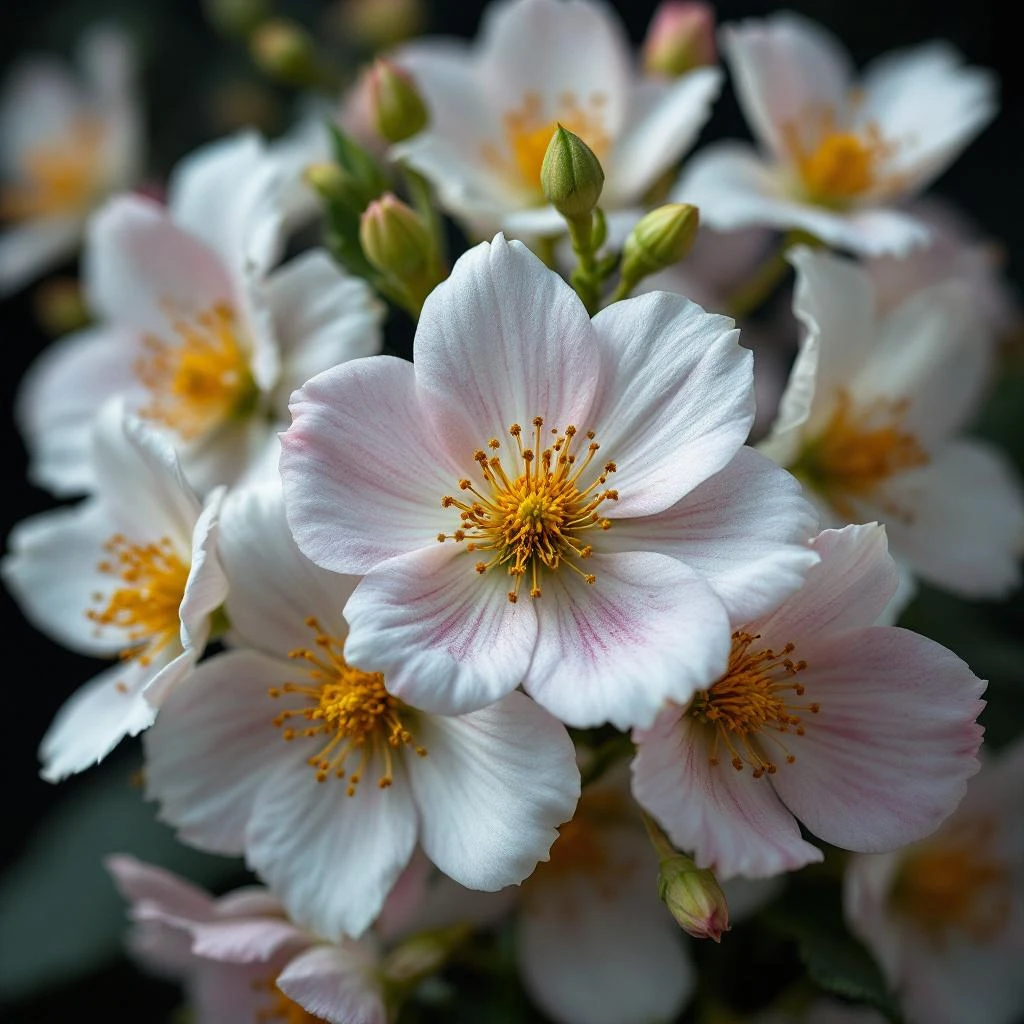
Beebalm carries the wild spirit of North American meadows in its aromatic leaves. A mint-family native with a surprising history of use in perfumery and medicine.
Character
How it smells
Wild mint meets floral warmth
Native Americans used beebalm leaves in出汗 ceremonies, and colonists later adopted it as a substitute for imported tea during the American Revolution.

Origin
United States
Indigenous peoples of the northeastern woodlands first documented beebalm's versatility. The Osage, Menominee, and other tribes used the plant extensively for respiratory ailments and as a general tonic.
When British colonists blockaded tea imports during the 1770s, American patriots brewed beebalm leaves instead, earning the herb the nickname "Oswego tea." The plant traveled to European botanical gardens by the early 1800s, where horticulturists crossbred varieties for ornamental gardens.
Its fragrance potential remained largely unexplored until regional perfumers in Vermont and New York began incorporating the oil into herbal colognes during the mid-twentieth century. Today, beebalm remains a niche ingredient, valued by natural perfumers seeking authentically North American botanical materials.
Wears it best
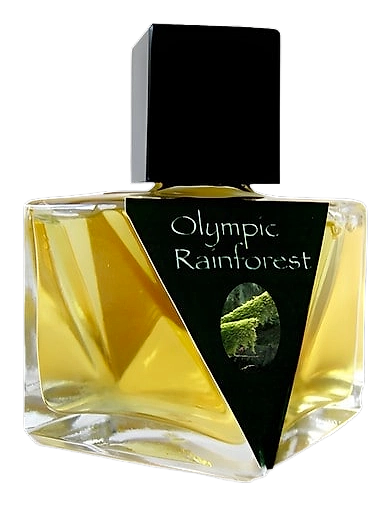
Fragrances featuring Beebalm
Brands
Brands known for Beebalm
Good to know
Questions, answered
The essentials on Beebalm in perfumery: how it smells, where it comes from, and how it behaves on skin.
What does beebalm smell like?
Beebalm has a fresh, herbaceous scent with minty undertones and subtle floral warmth. The aroma combines thyme-like sharpness with softer, slightly sweet notes reminiscent of oregano.
Is beebalm the same as bergamot?
No. Beebalm (Monarda didyma) shares the common name "wild bergamot" but differs entirely from true bergamot (Citrus bergamia), a citrus fruit. They produce distinctly different aromatic profiles.
How is beebalm essential oil produced?
Producers steam-distill the leaves and flower tops of Monarda didyma or Monarda fistulosa. The plant material undergoes distillation for several hours, yielding approximately 0.5-1.5% oil by weight.
Where does beebalm grow natively?
Beebalm originates in eastern North America, ranging from Quebec down to Georgia and west to the Great Plains. It thrives in moist woodland edges and meadow margins.
Does beebalm appear in mainstream perfumes?
Beebalm remains uncommon in commercial perfumery, appearing primarily in artisanal and natural fragrance lines. Large fragrance houses rarely use it due to limited supply and seasonal harvesting constraints.
What aromatic compounds define beebalm's scent?
Thymol dominates the oil's chemistry, comprising up to 60% of the composition. Carvacrol, gamma-terpinene, and various monoterpenes round out the profile, creating the herbaceous, slightly medicinal character.
Is beebalm oil safe for cosmetic use?
When properly diluted, beebalm oil is generally safe for topical application. However, the high thymol content can cause skin sensitization in some individuals, so dilution rates should stay below 1% in finished products.
Can fragrance chemists recreate beebalm synthetically?
Thymol, beebalm's primary component, is readily synthesized and widely available. However, recreating the full natural complexity requires blending multiple synthetic compounds, which rarely achieves the nuanced profile of the natural oil.