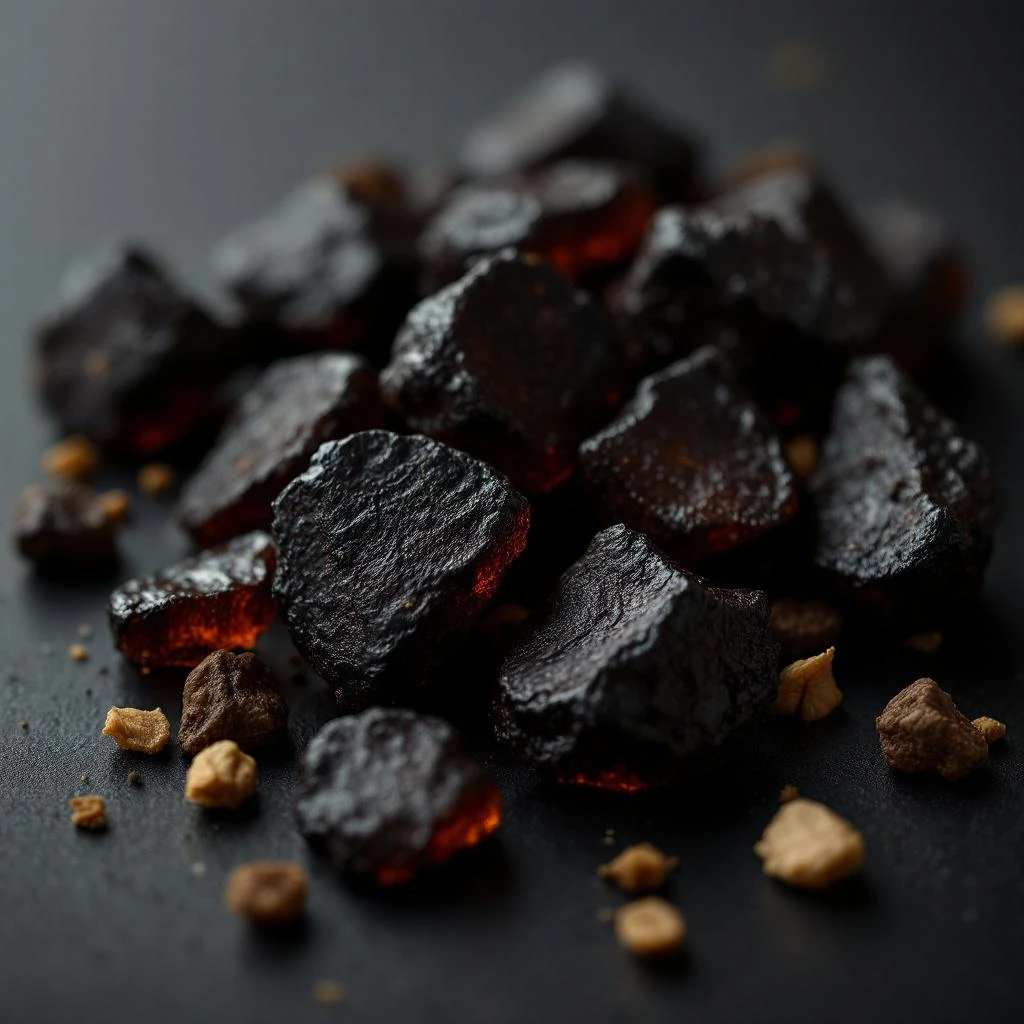
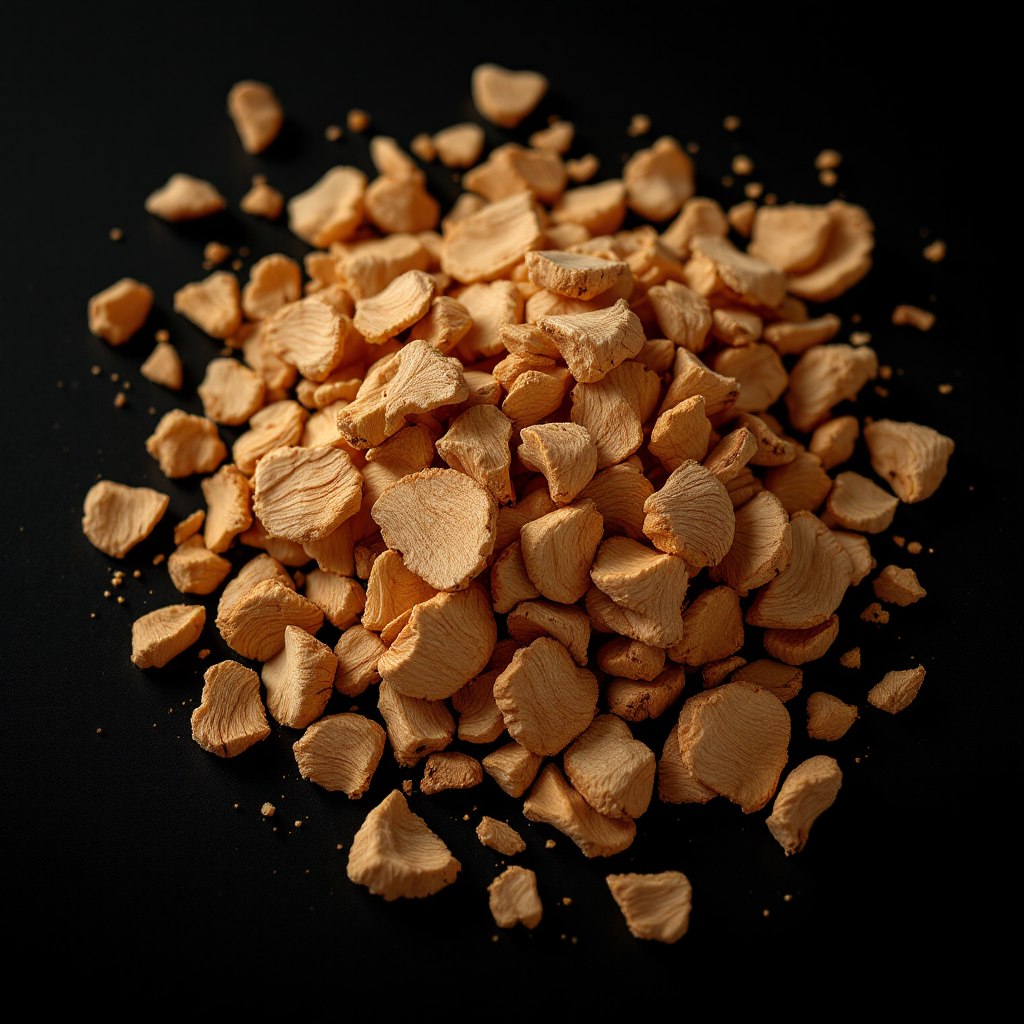
Port Orford Cedar Wood
Port Orford Cedar Wood delivers a refined woody character with unexpected sweetness. Native to the Pacific Northwest, this conifer yields an oil bridging crisp pine freshness and warm, aromatic depth.

Character
How it smells
Coastal cedar with a sweet, pine-kissed soul
The Port Orford cedar tree can live for 500 years, making it one of the longest-lived conifers in North America.






Origin
United States
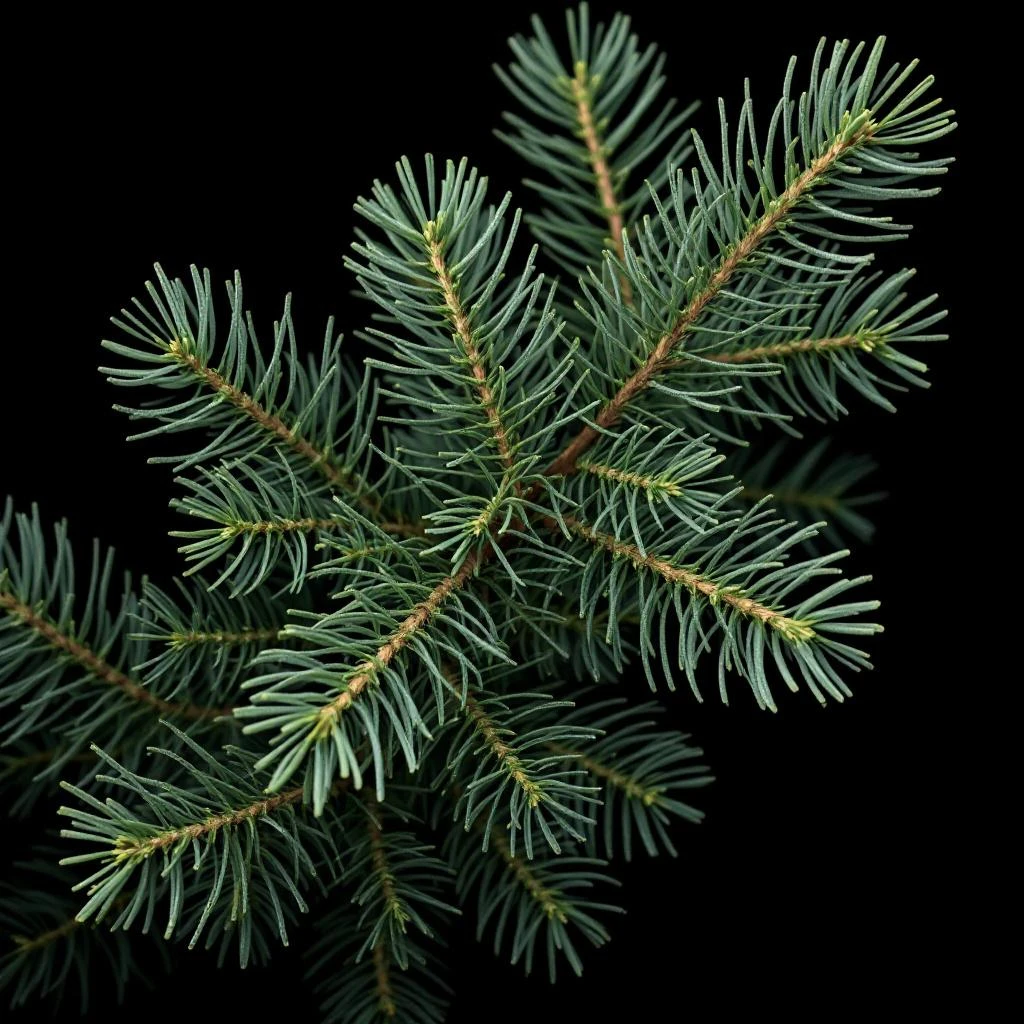
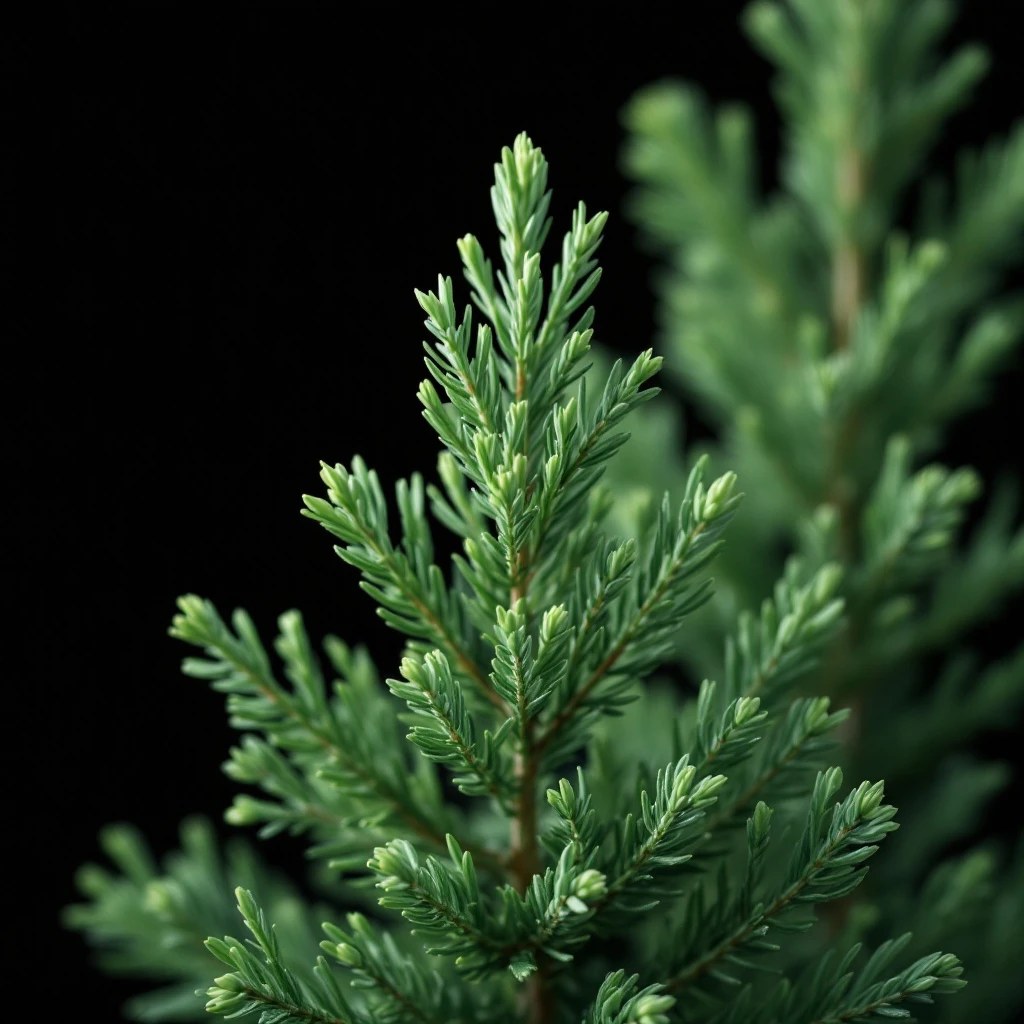
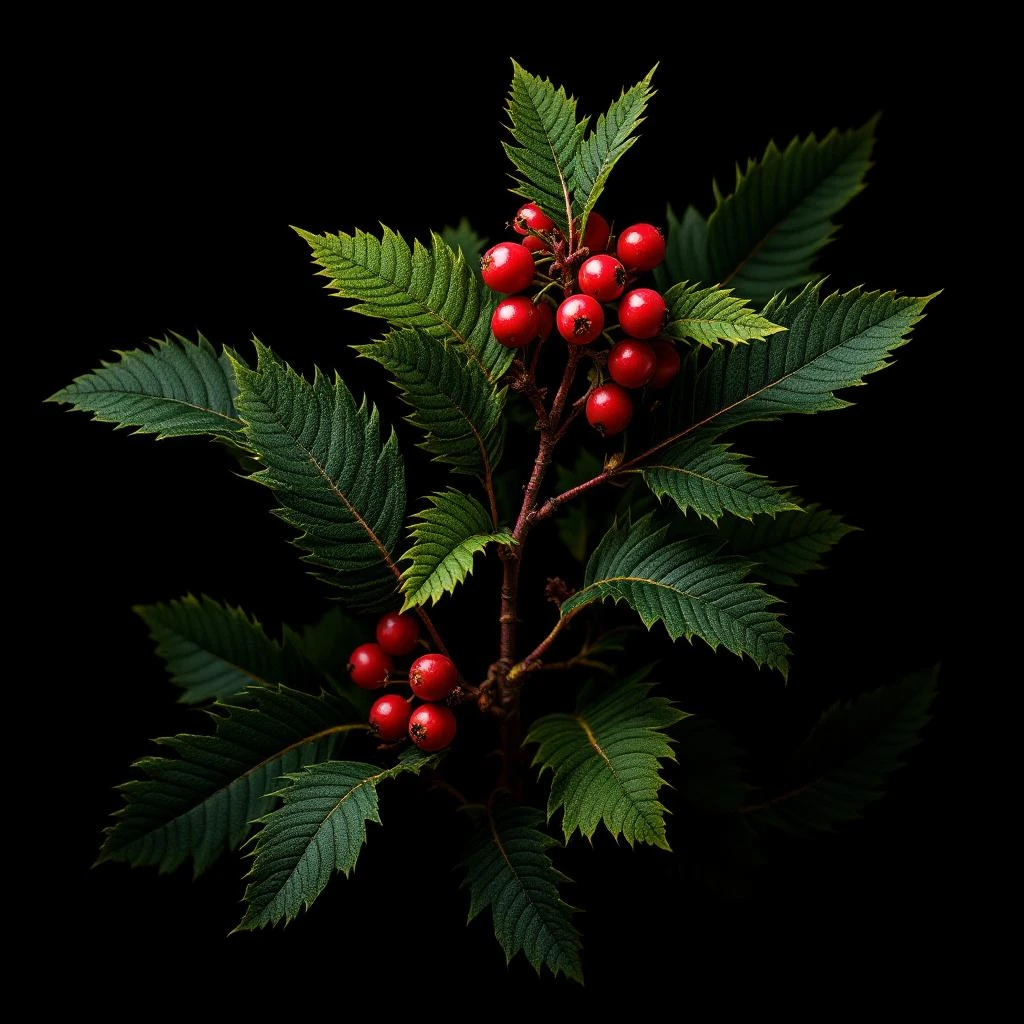
Chamaecyparis lawsoniana takes its botanical name from Peter Lawson, a 19th-century Scottish nurseryman who promoted the tree throughout Europe. Indigenous peoples of the Pacific Northwest used Port Orford cedar for centuries before European contact—crafting canoes, ceremonial structures, and medicinal preparations. Perfumers discovered this species more recently than Atlas cedar or Virginia cedar.
The species thrives in foggy coastal regions of southern Oregon and northern California, and this specific geography shapes its aromatic character. Modern fragrance houses value Port Orford cedar as a distinctive alternative to more common species, offering a sweeter, slightly greener profile that performs well in contemporary compositions where synthetic woody materials might otherwise dominate.
Wears it best
Fragrances featuring Port Orford Cedar Wood
Brands
Brands known for Port Orford Cedar Wood
Good to know
Questions, answered
The essentials on Port Orford Cedar Wood in perfumery: how it smells, where it comes from, and how it behaves on skin.
What does Port Orford Cedar Wood smell like?
It presents a sweet, woody aroma with distinct pine and fennel notes. Unlike sharper cedars, it carries a softer, more refined character with subtle citrus-like brightness.
Is Port Orford Cedar Wood a natural ingredient?
Yes. The ingredient derives naturally from Chamaecyparis lawsoniana, a conifer native to Oregon and Northern California. Steam distillation extracts the aromatic compounds without synthetic intervention.
How is Port Orford Cedar Wood oil produced?
Steam distillation is the standard method. Wood chips, roots, and sawdust undergo steam treatment, which carries aromatic molecules into condensation chambers where oil separates from water. One ton of wood yields approximately 5 to 10 kilograms of oil.
How does this cedar differ from other cedar species in perfumery?
Port Orford cedar offers a sweeter, less dry profile compared to Atlas cedar or Virginia cedar. The pine and fennel nuances create a more aromatic, slightly greener character that distinguishes it from conventional woody notes.
What type of fragrances use Port Orford Cedar Wood?
This note appears primarily in niche and artisanal fragrances. It suits compositions seeking refined woody character with more nuance than conventional cedar options provide.
Can Port Orford Cedar Wood be combined with other woody notes?
It pairs well with sandalwood, vetiver, and other cedar species. The sweet quality softens sharper woody accords while adding aromatic complexity to blends.
Is sourcing Port Orford Cedar Wood sustainable?
Responsible production typically relies on timber industry byproducts—sawdust and wood scraps—rather than dedicated harvesting. The species grows in a limited coastal range, making byproduct sourcing the preferred approach.
What makes this ingredient unique in modern perfumery?
Its sweet, aromatic profile distinguishes it from common cedars. Pacific Northwest origin and relative rarity give it a distinctive character that performs well in contemporary fragrance compositions.