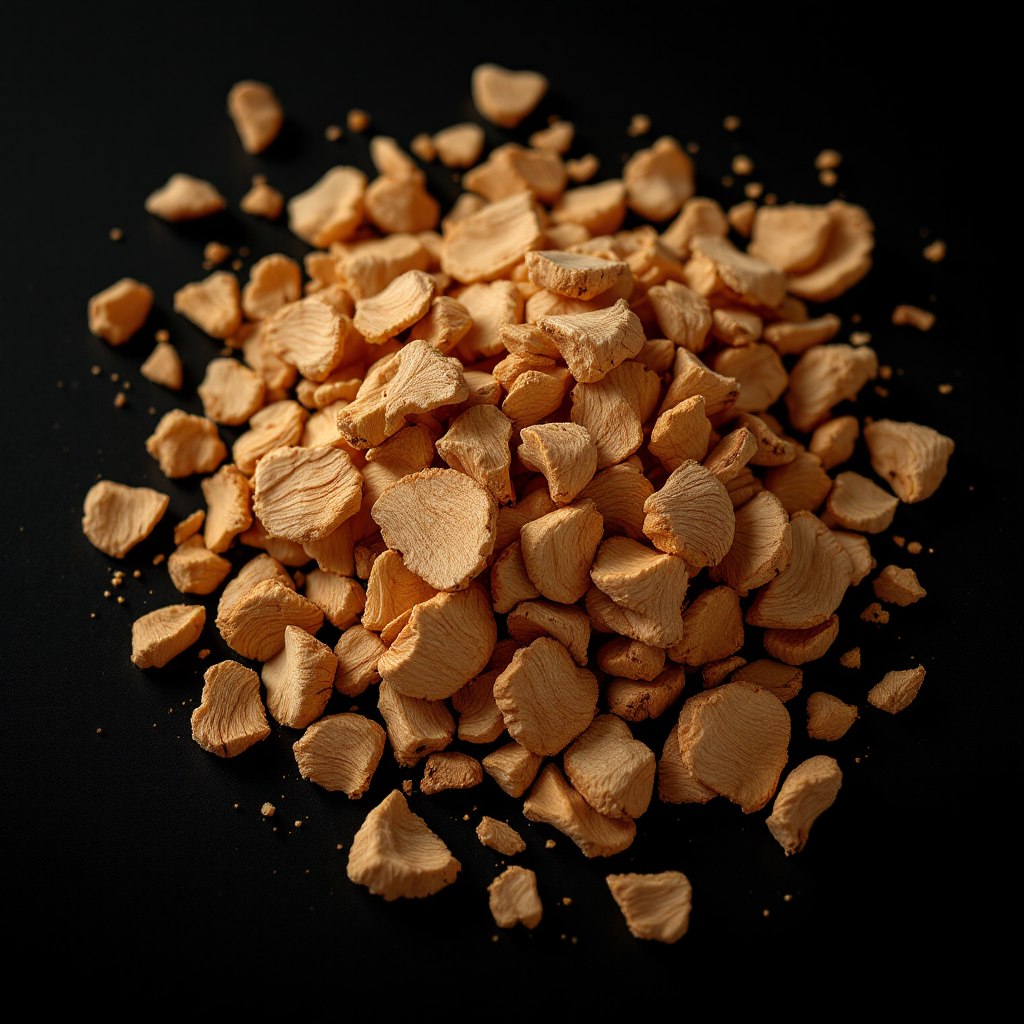
Lawson Cypress
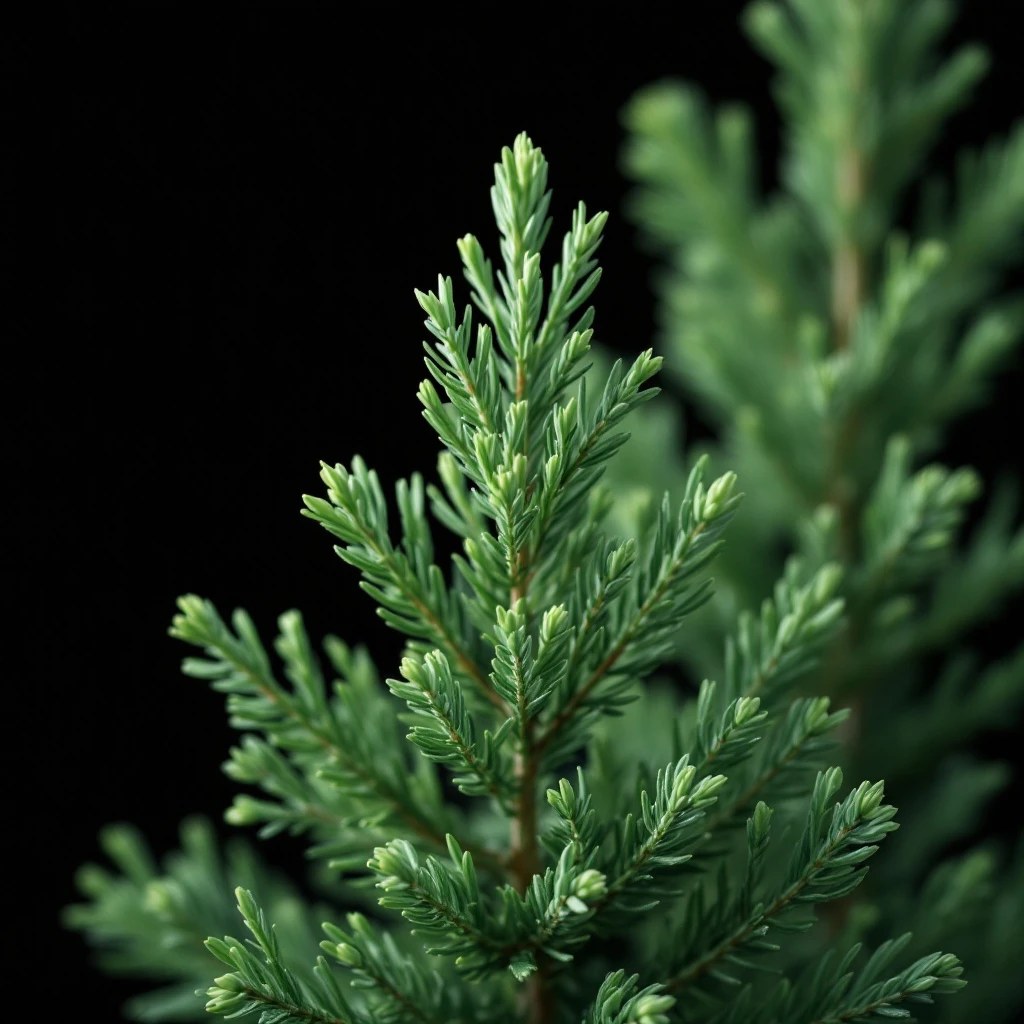
Lawson Cypress is a Pacific Northwest native with a crisp, conifer profile. This under-the-radar ingredient brings bright, fresh notes with subtle citrus depth to forest-themed fragrances.
Character
How it smells
West Coast conifer with fresh, woody character.
The plant bears the name of Scottish nurseryman Charles Lawson, who introduced it to Europe in the 1850s, where it became a prized ornamental before perfumers discovered its scent.


Origin
United States
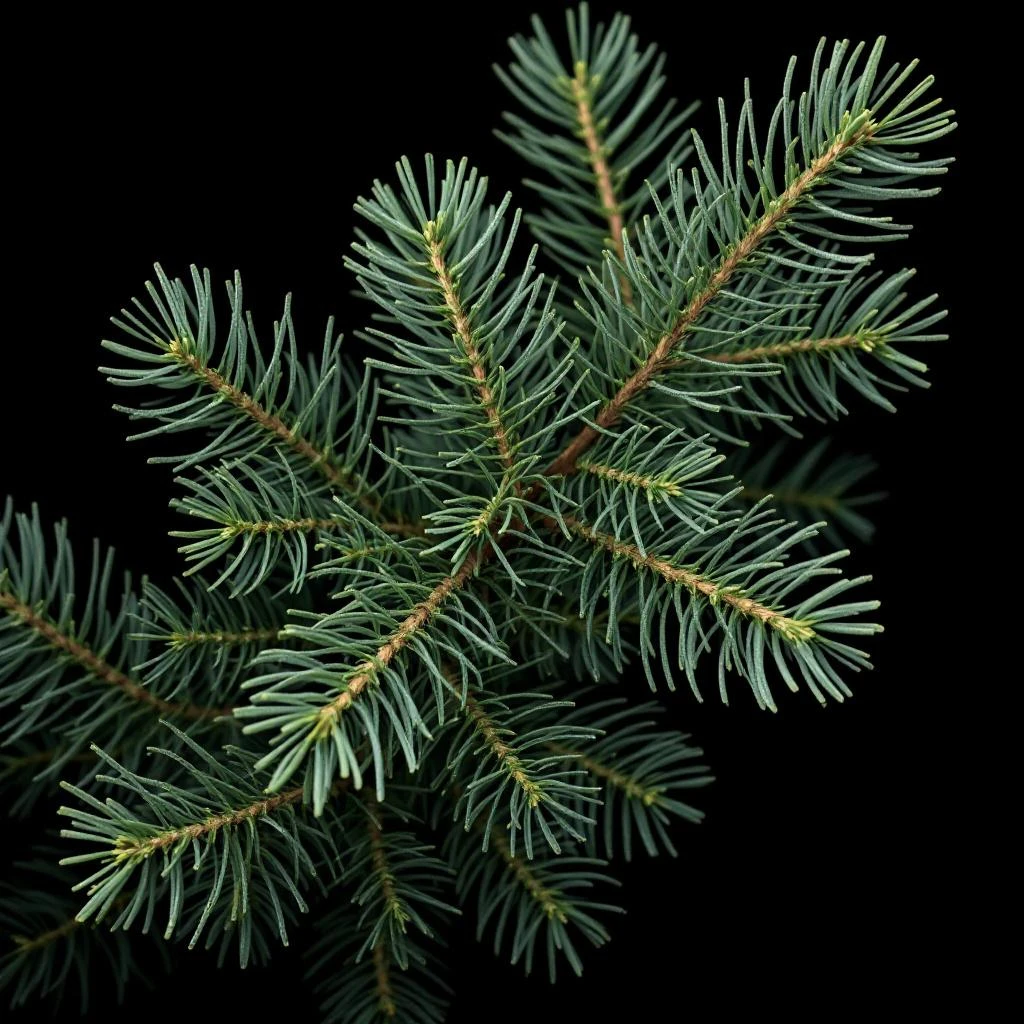
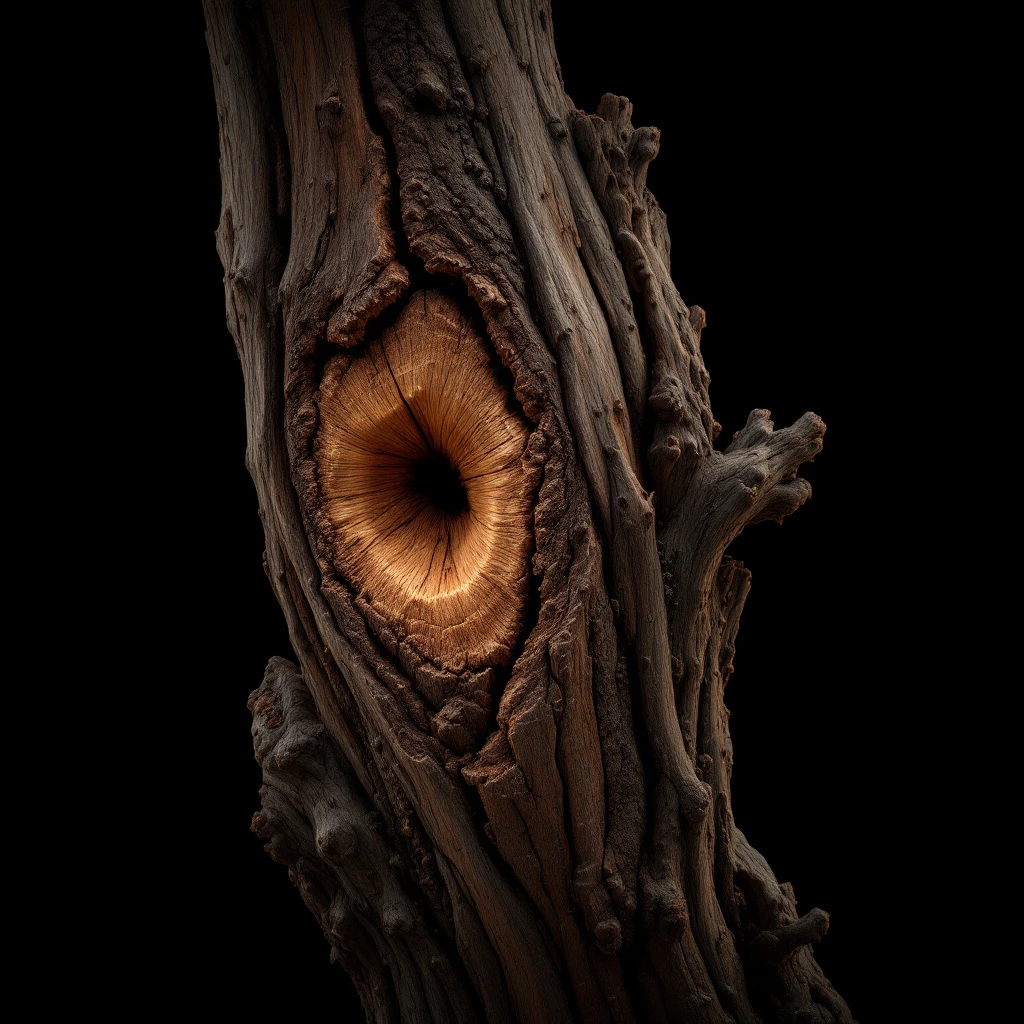
Native communities in Oregon and northern California first recognized this conifer centuries ago. American settlers valued the rot-resistant timber for building and shipwright work.
European plant collectors encountered Lawson Cypress during expeditions and brought specimens to Britain, where Charles Lawson, a Scottish nurseryman, popularized it as an ornamental tree in gardens across the continent during the mid-1800s. The name Chamaecyparis lawsoniana honors his contributions to horticulture.
Perfumers took notice of its aromatic qualities by the early 20th century, when American distillers began extracting essential oil from the foliage. Today, Lawson Cypress remains a niche ingredient prized by natural perfumers seeking authentic North American conifer accords.
Wears it best
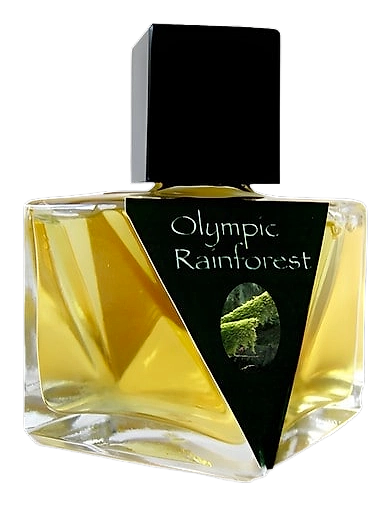
Fragrances featuring Lawson Cypress
Brands
Brands known for Lawson Cypress
Good to know
Questions, answered
The essentials on Lawson Cypress in perfumery: how it smells, where it comes from, and how it behaves on skin.
What does Lawson Cypress smell like?
It smells fresh, woody, and slightly citrusy with conifer brightness. The scent carries green, resinous qualities with a needle-like sharpness that blends conifer character with subtle citrus undertones.
Where does Lawson Cypress grow?
It grows natively along the Pacific Northwest coast of North America. Native stands span southwestern Oregon to northwestern California, thriving in moist, coastal forest environments.
Is Lawson Cypress the same as regular cypress?
No, they are different species within the same botanical family. Lawson Cypress (Chamaecyparis lawsoniana) is a separate species from Mediterranean cypress (Cupressus sempervirens), though both deliver conifer notes.
How is Lawson Cypress oil extracted?
Steam distillation extracts the essential oil from foliage and young shoots. Workers pass steam through shredded plant material for several hours, then separate the aromatic oil from the hydrosol that collects during condensation.
What fragrance families use Lawson Cypress?
Woody and aromatic fragrances most commonly feature it. The ingredient works particularly well in forest-themed compositions and masculine fragrance profiles, where its green conifer character adds authenticity.
Is Lawson Cypress oil sustainable?
Sustainability depends on sourcing practices. Reputable producers harvest from managed tree trimmings and plantations rather than wild-harvesting, which helps protect native populations in coastal forest habitats.
Does Lawson Cypress oil contain allergens?
Yes, it contains limonene and linalool, both regulated as potential sensitizers. Always check INCI declarations and follow IFRA concentration limits when formulating.
How long has Lawson Cypress been used in perfumery?
Since the early 20th century. American distillers began extracting its oil once the species gained recognition following its ornamental popularity in Europe during the mid-1800s.